Car cleaning is often presented as either a competitive hobby or an unnecessary luxury. Between those extremes is a useful ownership routine. Removing ordinary grime makes it easier to notice a new mark, inspect a surface, and keep frequently used controls pleasant to handle. The aim is a car that is easy to live with, not a flawless display object.
- Match products and methods to manufacturer material guidance.
- Keep glass, controls, and storage areas usable.
- Investigate recurring moisture or damage rather than hiding it.
Let the materials set the method
Consult the manufacturer's care instructions for paint, trim, screens, upholstery, and any special finishes. A product described as suitable for one material may be inappropriate for another. Begin with the least aggressive approved approach and avoid improvising mixtures. When a stain or finish is unfamiliar, a competent detailing professional can help identify the safest next step.
Keep the kit small enough to understand. Separate cloths and tools by their intended task, label products clearly, and store them safely. Buying fewer compatible items can produce a more consistent routine than accumulating overlapping bottles. The question is whether each item solves a recurring need on this car, not whether it appears in an impressive collection.
Prioritize the parts that affect everyday use
Glass, mirrors, lights, and commonly touched controls deserve regular attention. Clean according to the manual, especially around cameras and sensors. Driver-assistance systems depend on suitable operating conditions; a clean-looking exterior does not prove that every system is available. Check the vehicle's messages and instructions when a feature reports reduced functionality.
Inside, clear loose clutter and keep storage practical. A receipt collection, tangled cable, or rolling bottle can make a calm cabin frustrating. Secure items and preserve clear access to controls. Cleaning becomes more useful when it also resets the space for the next journey, rather than simply making surfaces shine for a photograph.
Use the routine to notice changes
A slow walk around a parked car offers a chance to spot a new scrape, loose trim, or visible tire damage. Treat that observation as a reason to investigate appropriately, not as a complete diagnosis. Photograph a concern for your records and arrange professional assessment where needed, particularly if damage could affect safety.
Do not confuse cosmetic improvement with mechanical repair. A polished surface can still conceal a structural or functional problem, and a stain may have an underlying source. If moisture or an odor keeps returning, describe the pattern to a workshop. Repeatedly covering the symptom can delay understanding why it appears.
Choose a frequency you will keep
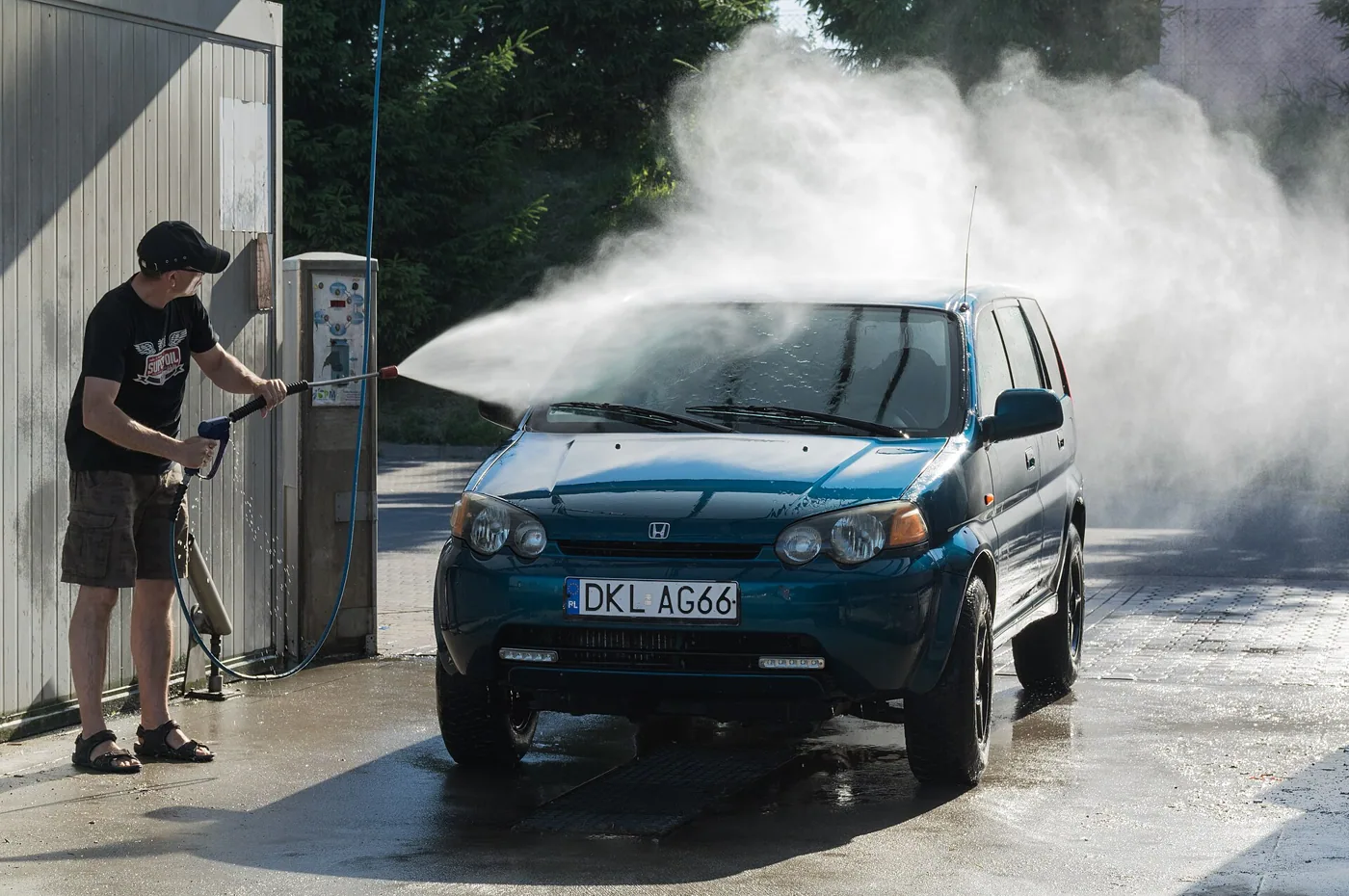
Match the routine to storage, weather, and use. A car parked under trees or used on dirty roads may need different attention from one kept indoors. Follow local rules for washing and water use, and use facilities appropriate to the task. A sustainable routine should fit the location as well as the vehicle.
Leave room for ordinary wear. A daily driver will acquire marks, and not every imperfection needs immediate correction. Focus on visibility, comfort, cleanliness, and preserving materials through suitable care. The lasting benefit is a familiar car whose condition you can read more easily, with less time spent chasing an appearance that everyday use will inevitably change.
Sources & further reading
These references provide background for this analysis. Product details, regional rules and market conditions can change; check the original source for its scope and date.
Something needs a closer look? Send a correction.