EXPLORE THE SUBJECTTechnology.
Understand the engineering behind the headlines, without getting lost in the specification sheet.
 ↗
Technology/4 min read
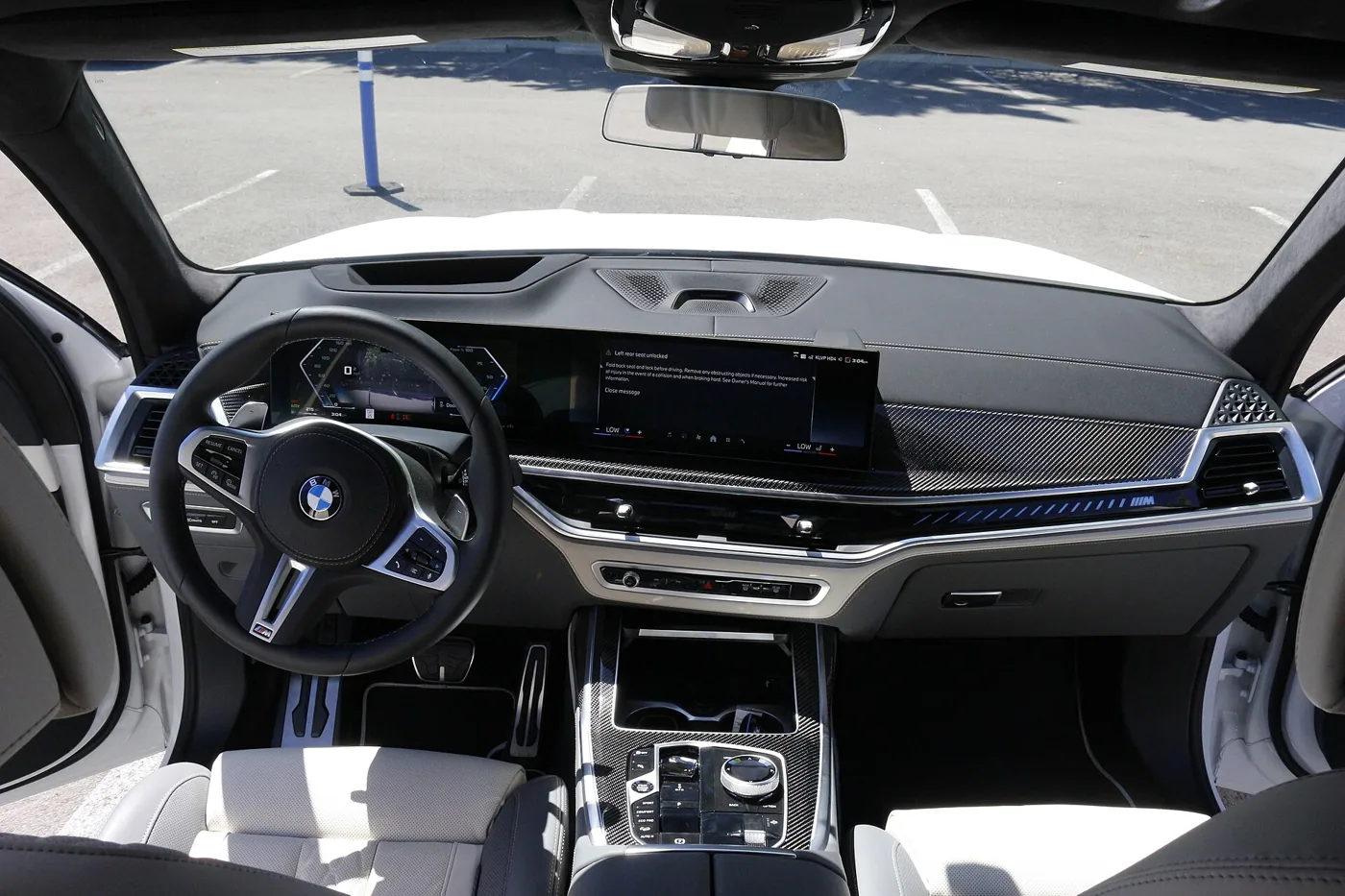
A modern car is a network of interacting systems. Its quality emerges when software, controls, energy management and mechanical hardware work together during ordinary driving.
 ↗
Technology/3 min read
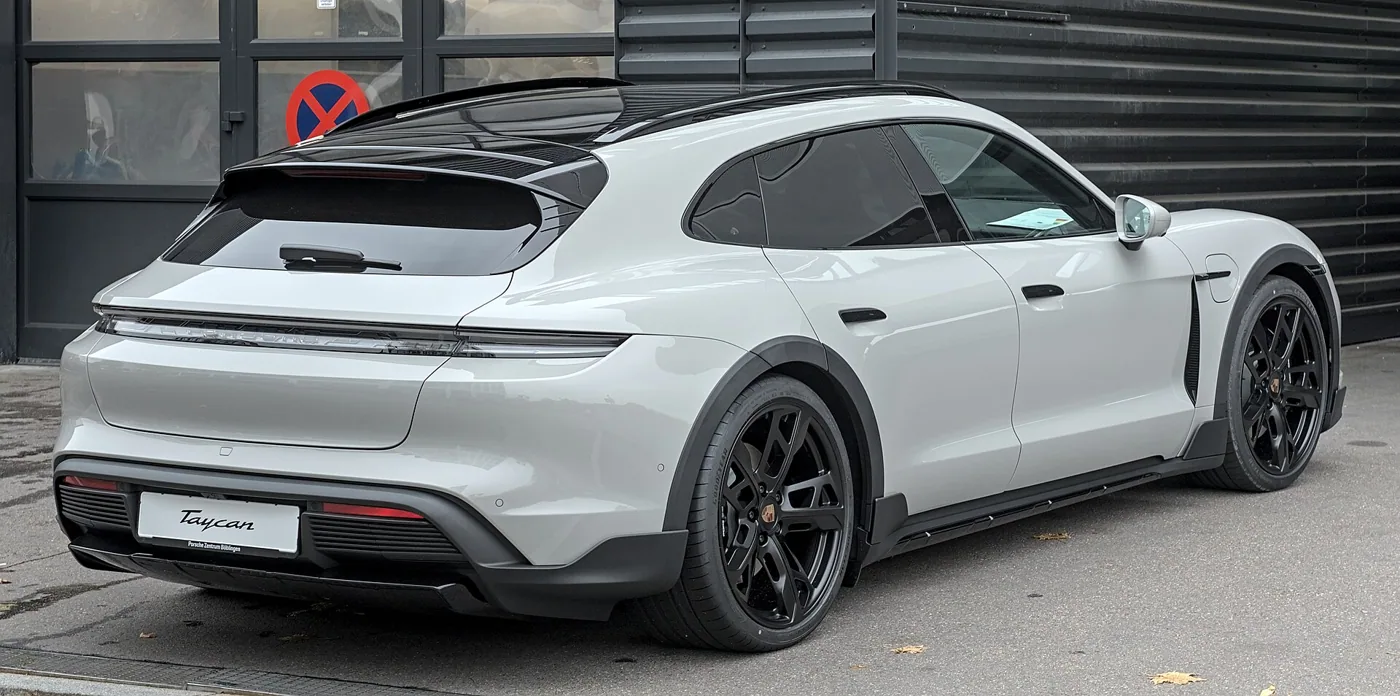
A low drag coefficient describes shape efficiency, but the size of the vehicle also enters the calculation. Understanding both explains why streamlined does not always mean low drag.
 ↗
Technology/3 min read
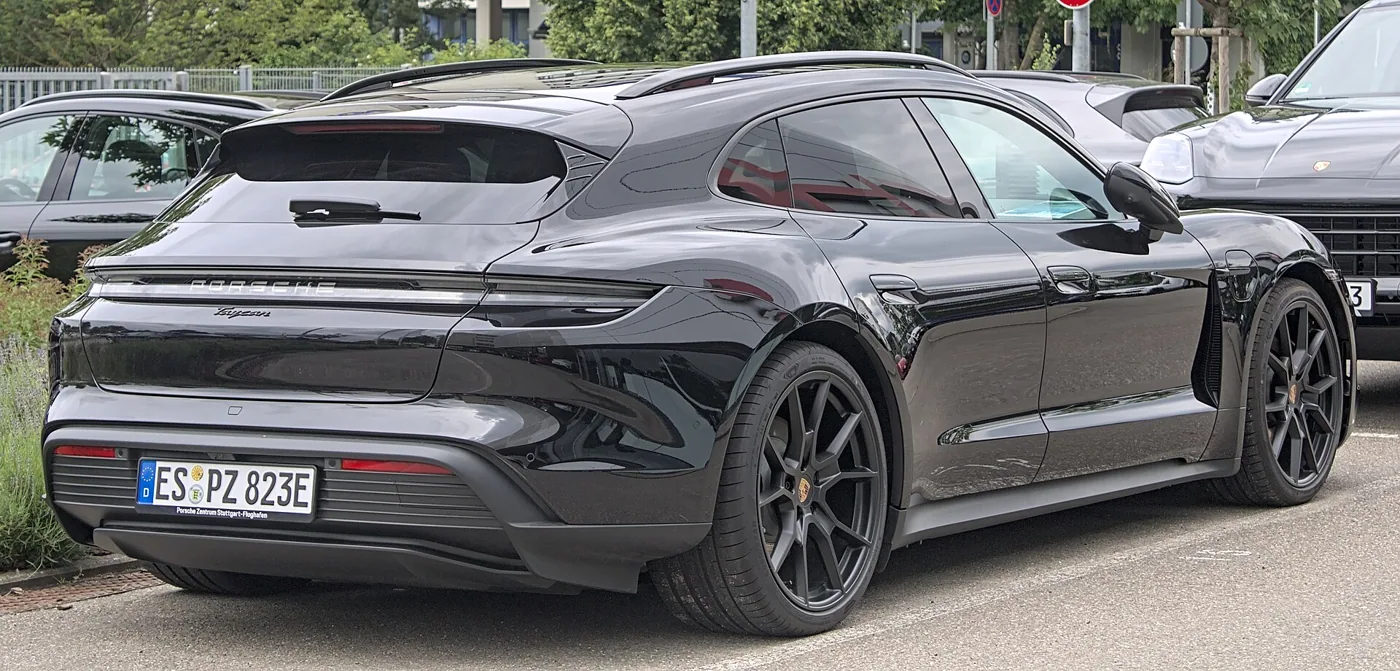
A heat pump can reduce the energy needed to warm the cabin, but its benefit depends on conditions and system design. The badge alone cannot predict winter range.
 ↗
Technology/3 min read
An electrified car must coordinate motor recovery and friction braking as conditions change. The engineering challenge is preserving a predictable response while the available contributions keep moving.
 ↗
Technology/3 min read
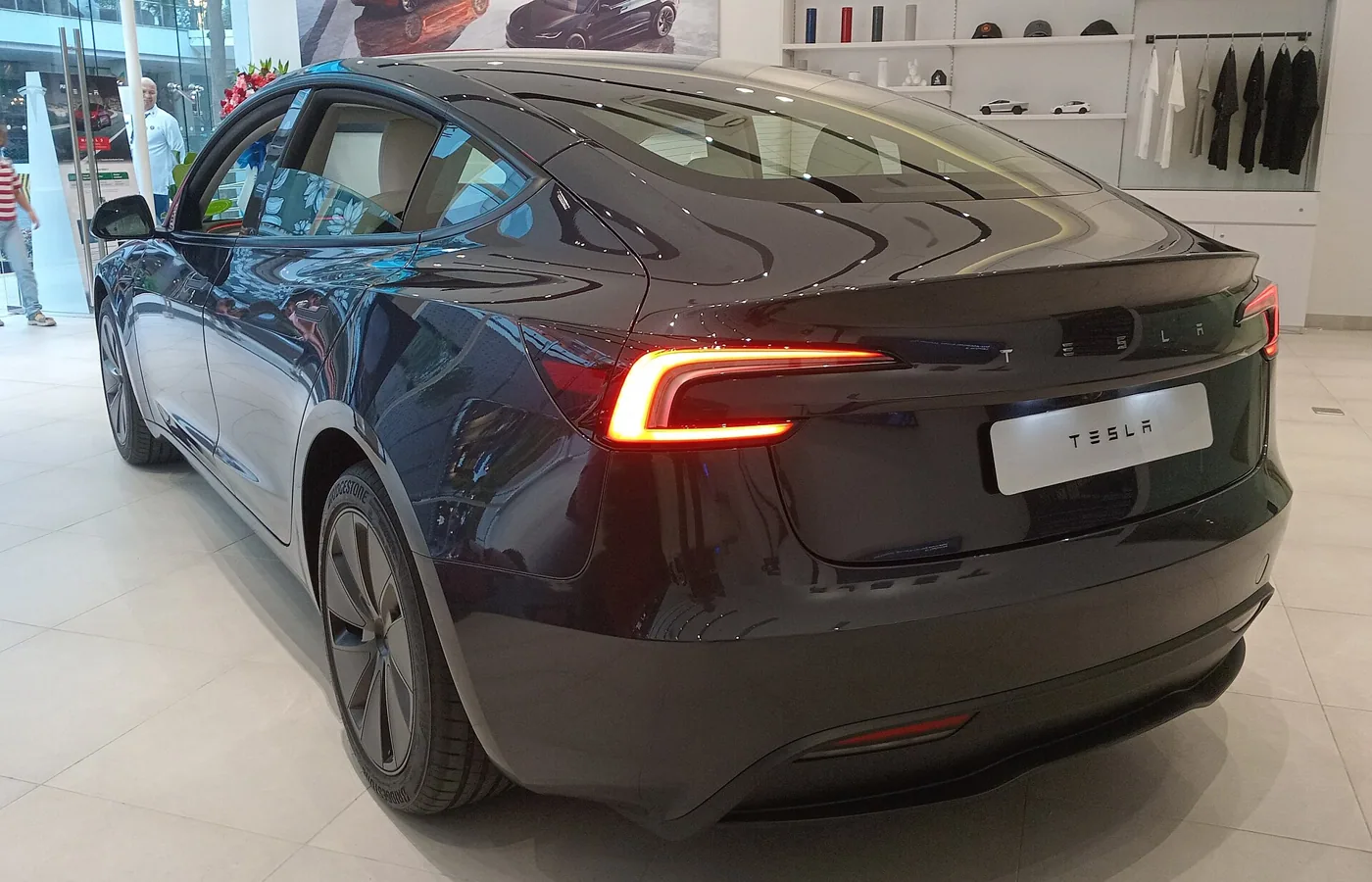
An electric battery may need warming before charging and cooling under load. Coordinating those tasks with cabin comfort and journey timing is a central part of vehicle efficiency.
 ↗
Technology/3 min read
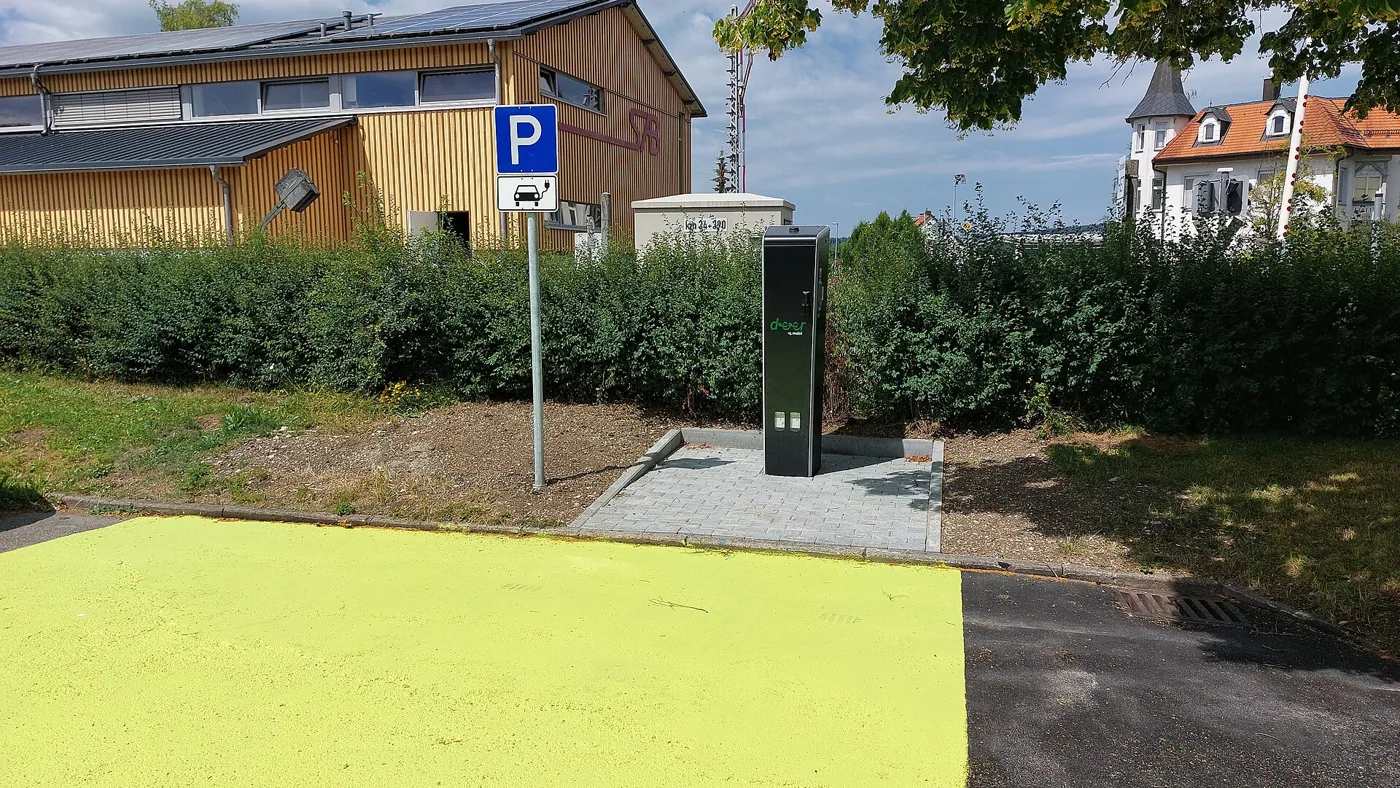
The location of power conversion changes the charging pathway. Understanding the onboard charger helps explain home charging limits, public AC compatibility and the separate role of DC equipment.
 ↗
Technology/3 min read
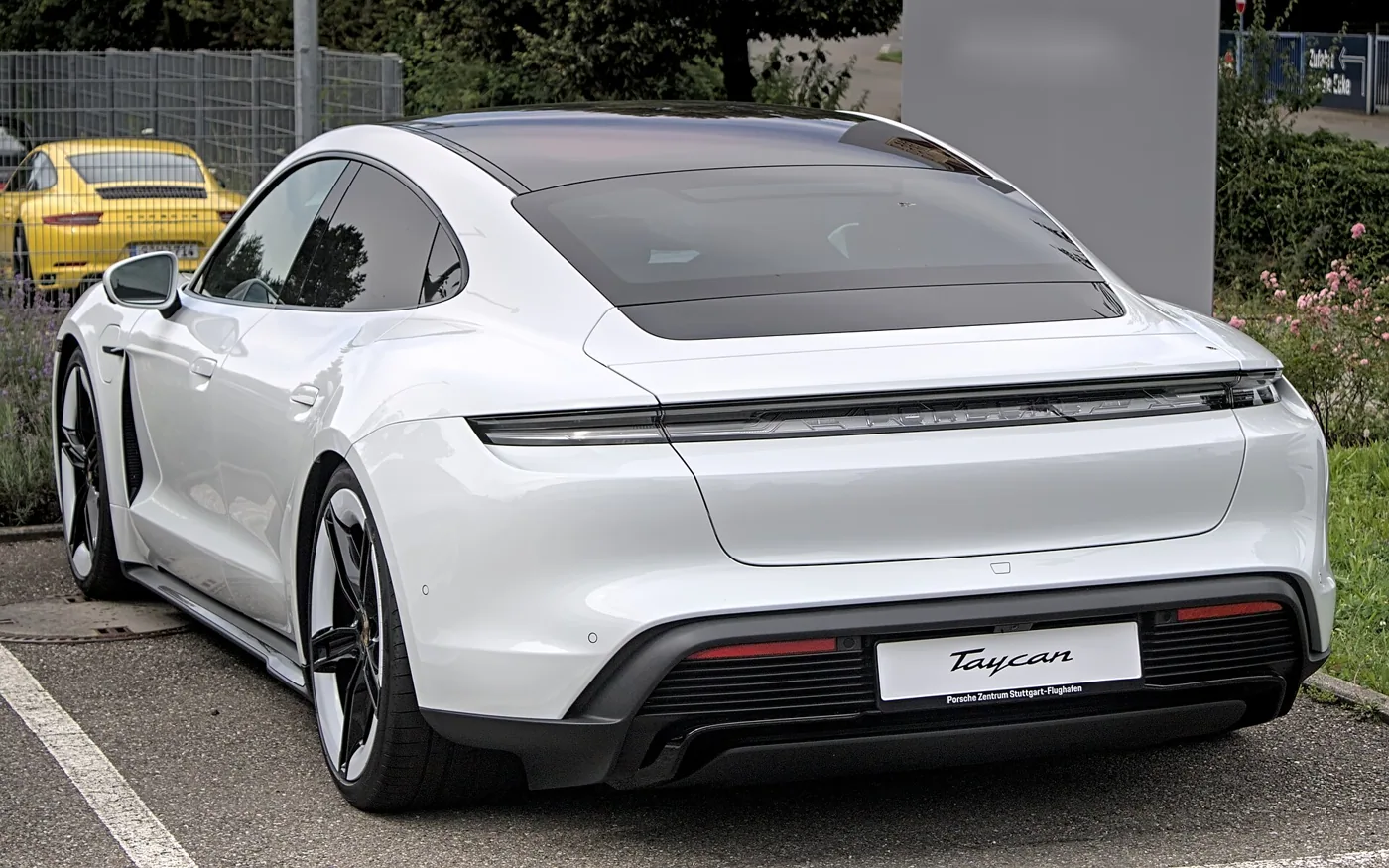
Higher voltage can reduce current for a given power, but fast charging still depends on cells, cooling, electronics and compatible infrastructure. Architecture creates possibilities rather than guarantees.
 ↗
Technology/3 min read
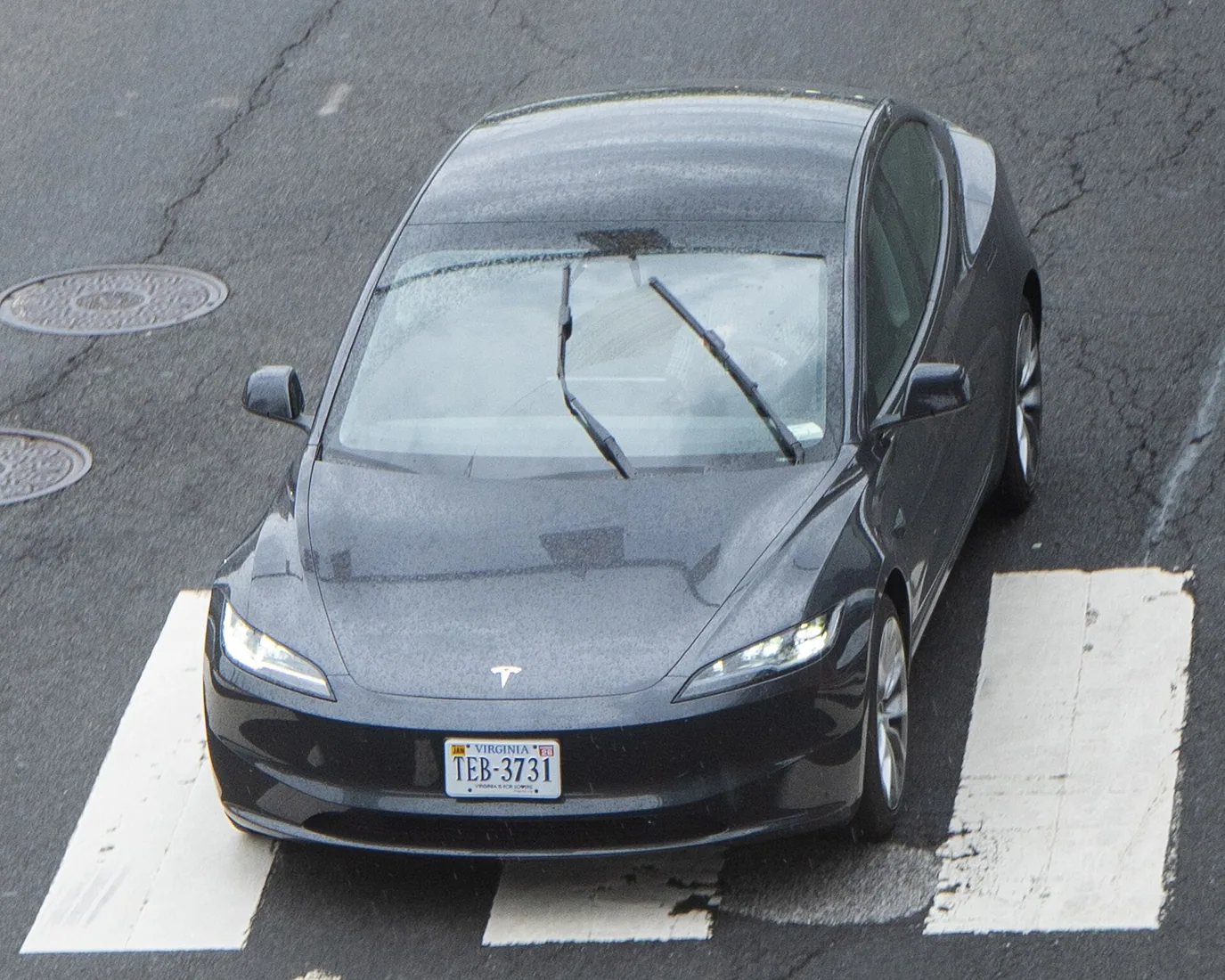
The battery and motor do not simply connect and run. Power electronics convert and control energy, shaping efficiency, response and the limits of the complete electric drive.
 ↗
Technology/3 min read
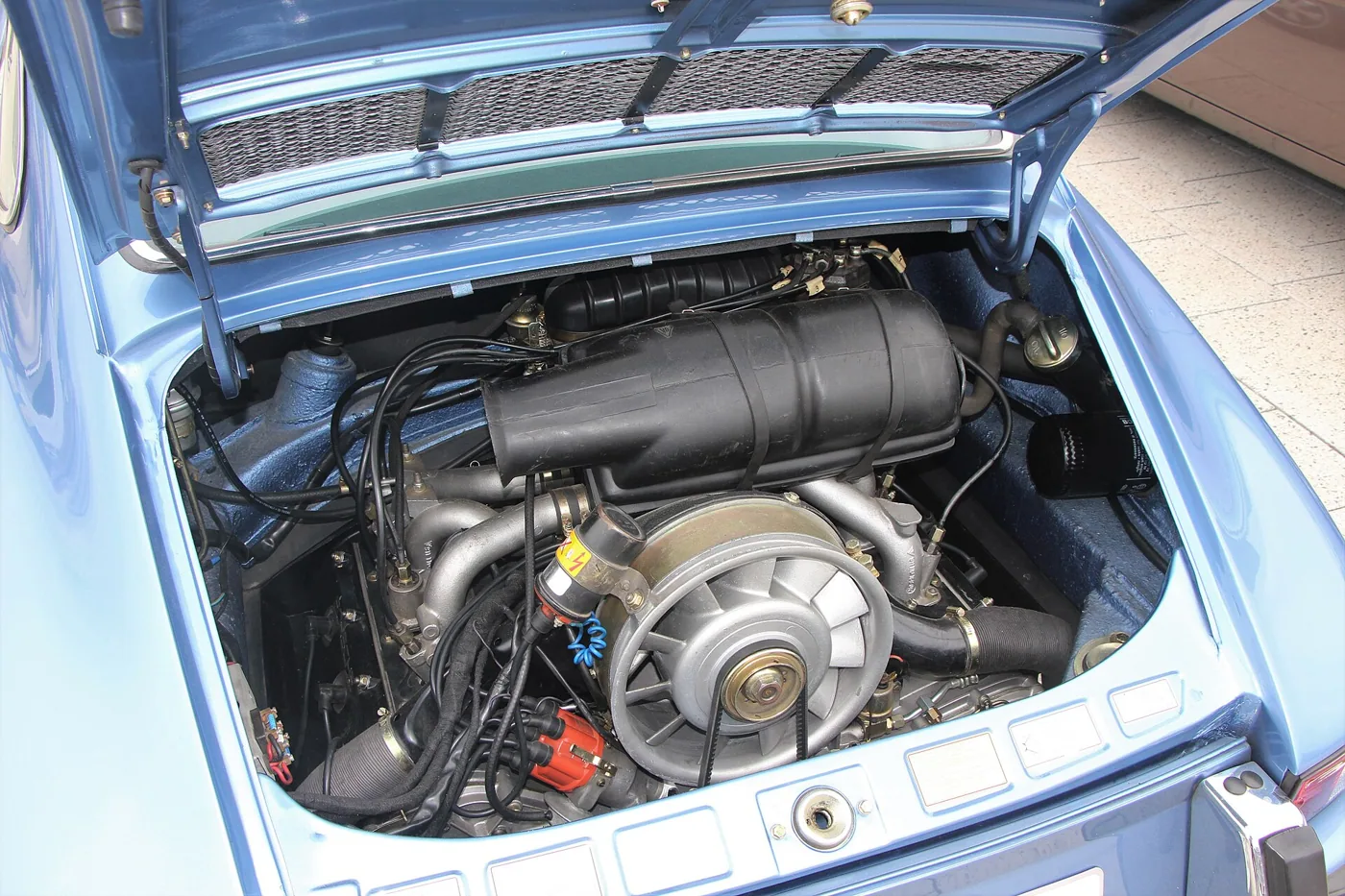
Using exhaust energy to compress intake air can support smaller, capable engines. Real-world efficiency still depends on load, calibration, gearing and how the driver uses the performance.
 ↗
Technology/3 min read
A continuously variable transmission does not need to mimic a stepped gearbox. Its behavior makes more sense when engine speed and road speed are understood as separate control decisions.
 ↗
Technology/3 min read
Suspension terminology can blur important distinctions. Changing damping force differs from actively applying force to the body, and neither feature guarantees a comfortable car in every configuration.
 ↗
Technology/3 min read
Turning the rear wheels can alter low-speed maneuverability and higher-speed response. The useful result depends on coordination, clearances and the way the system is calibrated.
 ↗
Technology/3 min read
Electronic brake requests can support flexible packaging and precise coordination. The important questions are predictable pedal response, fault handling and how the complete system is validated.
 ↗
Technology/3 min read
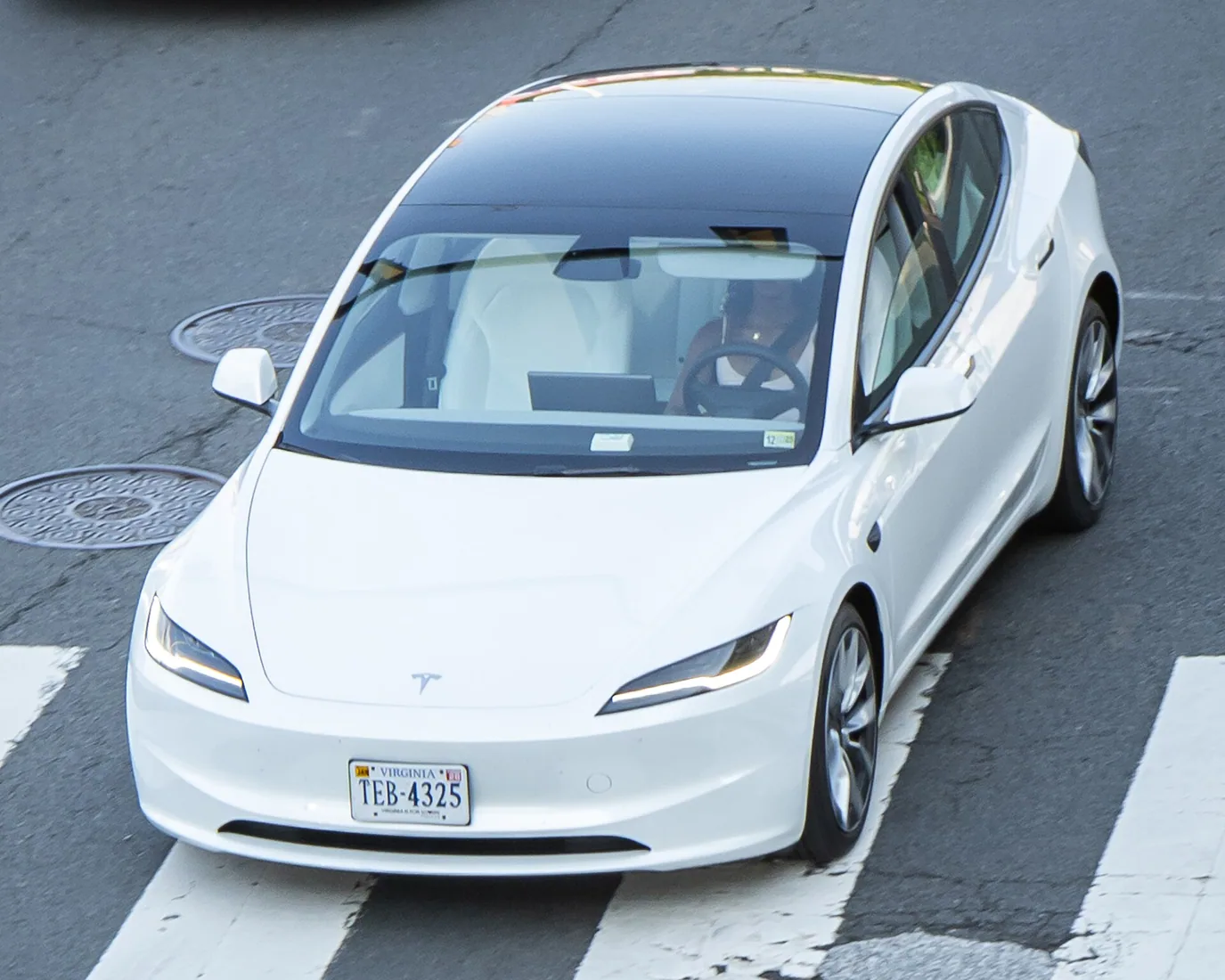
Removing the conventional mechanical link can change packaging and steering ratio. It also places greater importance on useful feedback, dependable architecture and behavior that drivers can predict.
 ↗
Technology/3 min read
Vehicle sensors collect information with different strengths and limits. The quality of driver assistance depends on interpretation, validation and communication as much as the sensor list.
 ↗
Technology/3 min read
LED, projector and adaptive labels describe technology, but useful illumination depends on beam distribution and control. Evaluate visibility and glare for the exact equipment fitted to the vehicle.
 ↗
Technology/3 min read
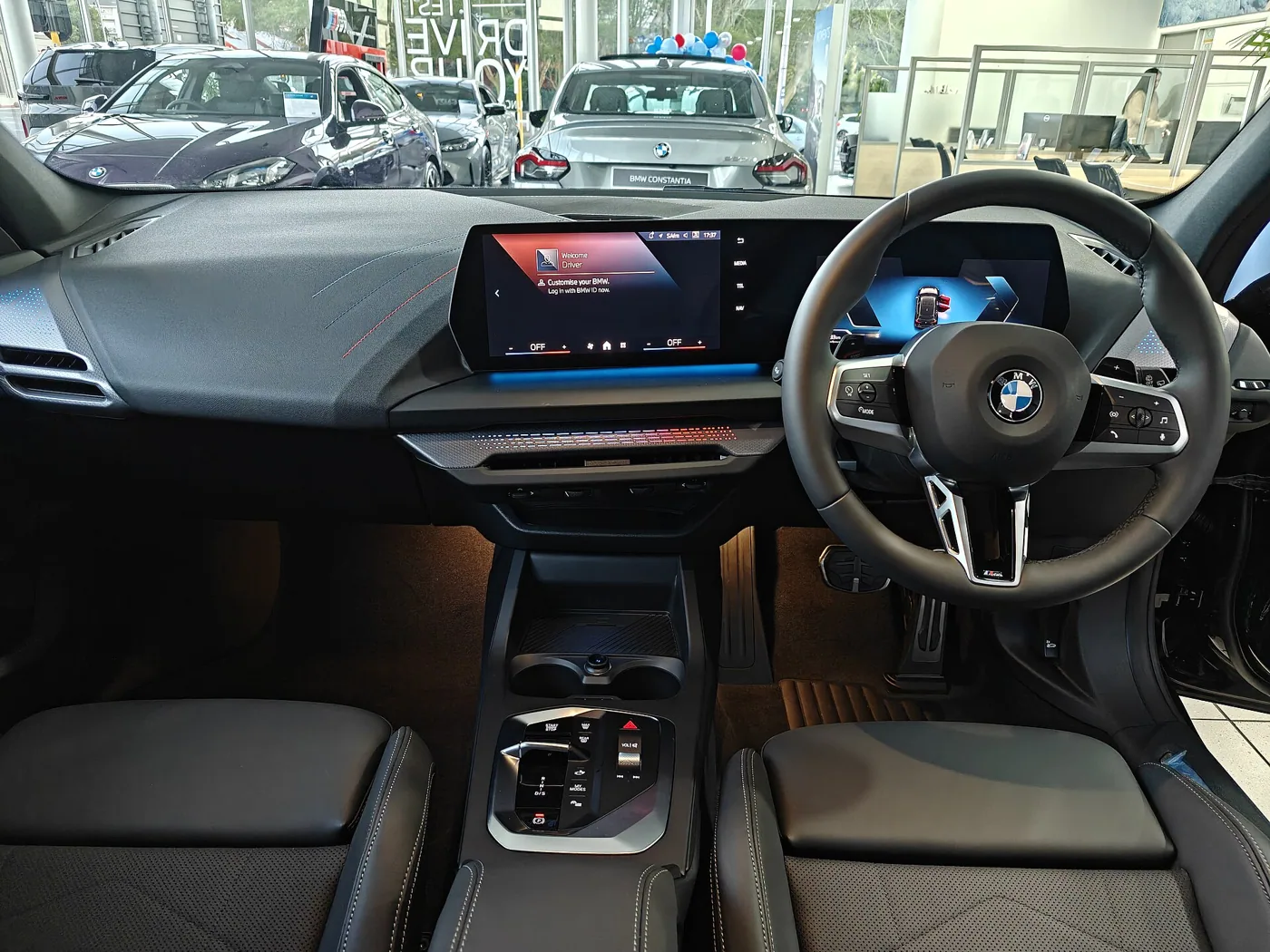
Wireless updates can fix faults and change functions after purchase. Their value depends on testing, clear release information, support and the hardware limits of the vehicle.
 ↗
Technology/3 min read
Rolling resistance, wet grip, wear and noise all matter to a road tire. The best choice comes from balanced evidence for the intended conditions, not a single efficiency claim.
Analysis and explainers, with sources linked in every article.