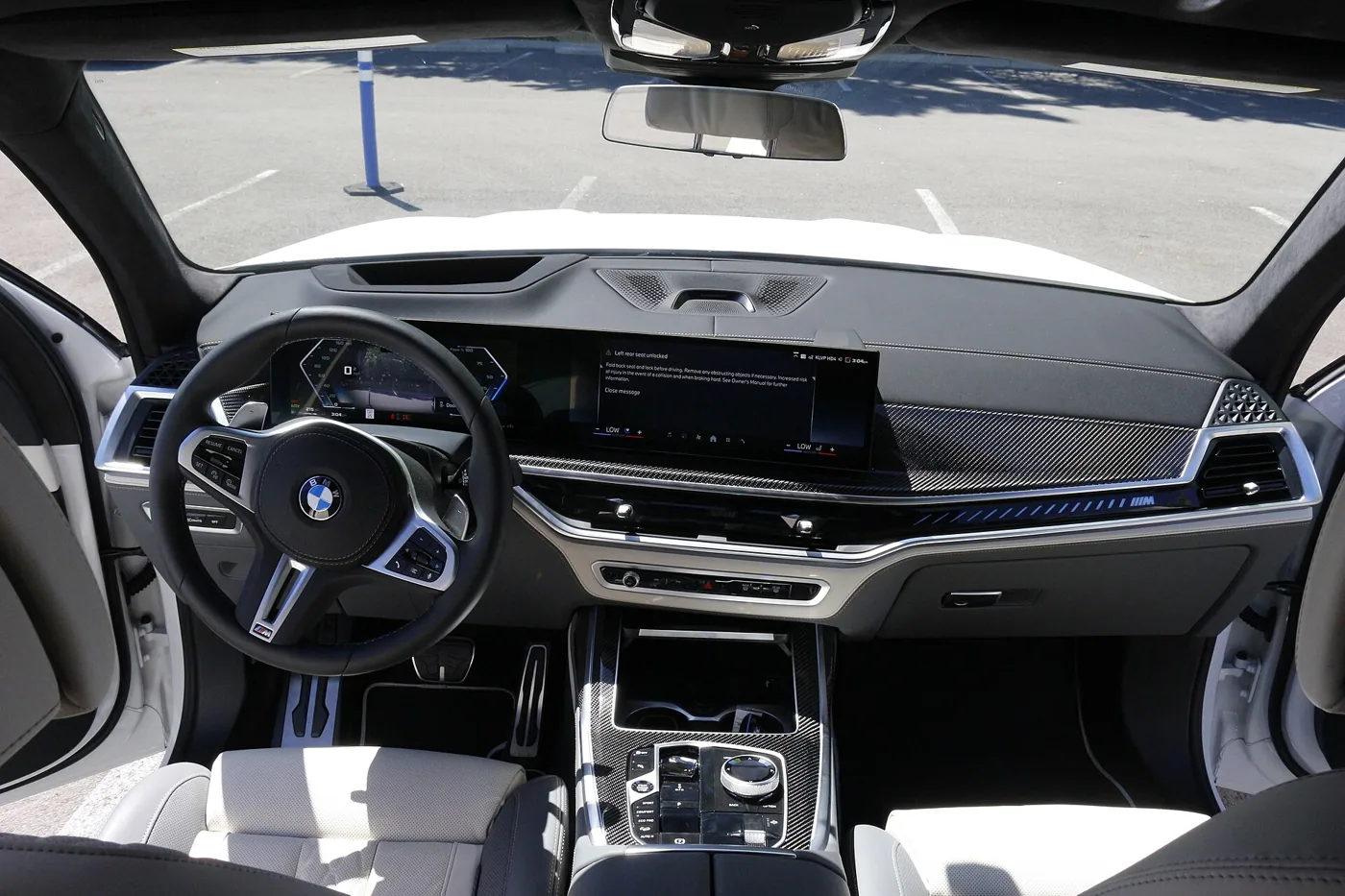
Steering communicates in both directions. The driver asks the wheels to change direction, and the steering system provides information about what the car is doing. Steer-by-wire can separate these roles from a conventional mechanical connection. That opens new possibilities, but it also makes the quality of the designed feedback especially important.
- Distinguish steer-by-wire from electrically assisted mechanical steering.
- Assess predictable placement and feedback rather than steering weight alone.
- Give every regular driver time to evaluate the actual controls.
A command and a feedback channel
In a steer-by-wire arrangement, steering input is transmitted electronically to a mechanism that positions the road wheels. Feedback at the hand control is generated as part of the system. ZF describes how this approach permits different steering responses and supports flexible vehicle layouts. The details of redundancy and fallback remain specific to the implementation.
Do not confuse this with ordinary electric power steering, which can assist a mechanical steering connection. Similar electrical terminology does not mean the same architecture. A useful technical explanation should state what connection exists and how the system is designed to behave under its operating and fault conditions.
Variable ratio can reduce effort in tight spaces
The relationship between hand movement and wheel angle can be adjusted for different situations. A system may provide a more direct response at parking speeds and a different response at higher speeds. This can reduce the amount of hand movement needed for some maneuvers, but the calibration must remain understandable.
The buying test is practical. Can you place the car smoothly in a parking bay? Does the steering respond as expected when transitioning to faster roads? A smaller amount of steering-wheel rotation is only useful if it makes control easier rather than surprising the driver.
Useful feedback is more than heaviness
A heavy steering wheel can feel substantial without conveying much useful information. Likewise, a lighter system can be accurate and reassuring if its response is consistent. Assess the relationship between your input, the vehicle's path and the effort at the wheel. Avoid treating weight alone as evidence of quality.
Feedback should also remain coherent across surface changes and assistance functions. An electronic architecture gives designers more freedom to filter some disturbances and present others, but freedom does not guarantee good judgment. The complete behavior deserves evaluation in the actual vehicle, not just admiration for the concept.
Treat novelty as a reason to learn
Read the operating guidance and allow time to become familiar with the control. Check the range of adjustment and whether other household drivers find the arrangement comfortable. Unusual hand controls or steering ratios can suit some people better than others, making a meaningful demonstration important before purchase.
Service support and software maintenance also belong in the ownership discussion. Ask how warnings are handled and where qualified diagnosis is available. Steer-by-wire can be a capable engineering approach, but the strongest implementation earns confidence through predictable control, clear information and a support process that remains useful after the novelty fades.
Sources & further reading
These references provide background for this analysis. Product details, regional rules and market conditions can change; check the original source for its scope and date.
Something needs a closer look? Send a correction.