 ↗
Electric/4 min read
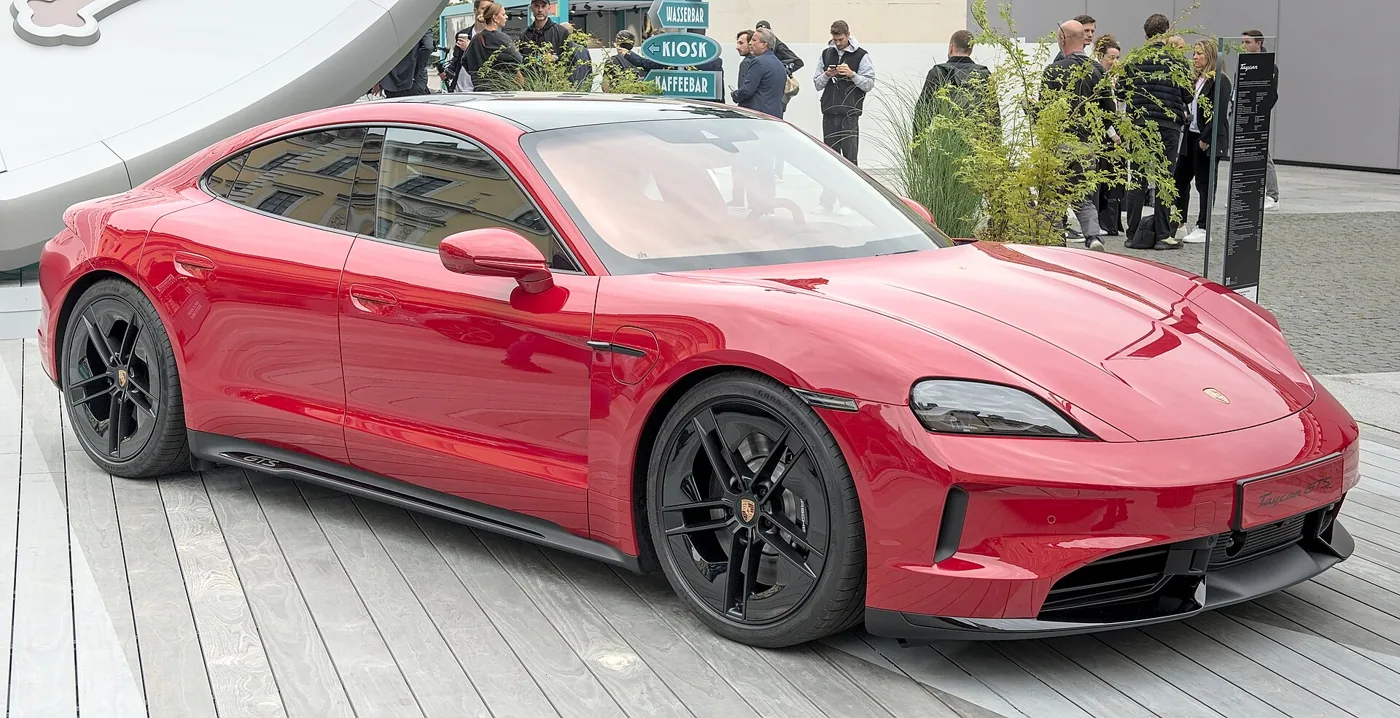
The useful question is how an electric car fits the week you actually drive. Charging access, repeat journeys and the occasional difficult day tell you more than a headline range figure.
 ↗
Electric/3 min read
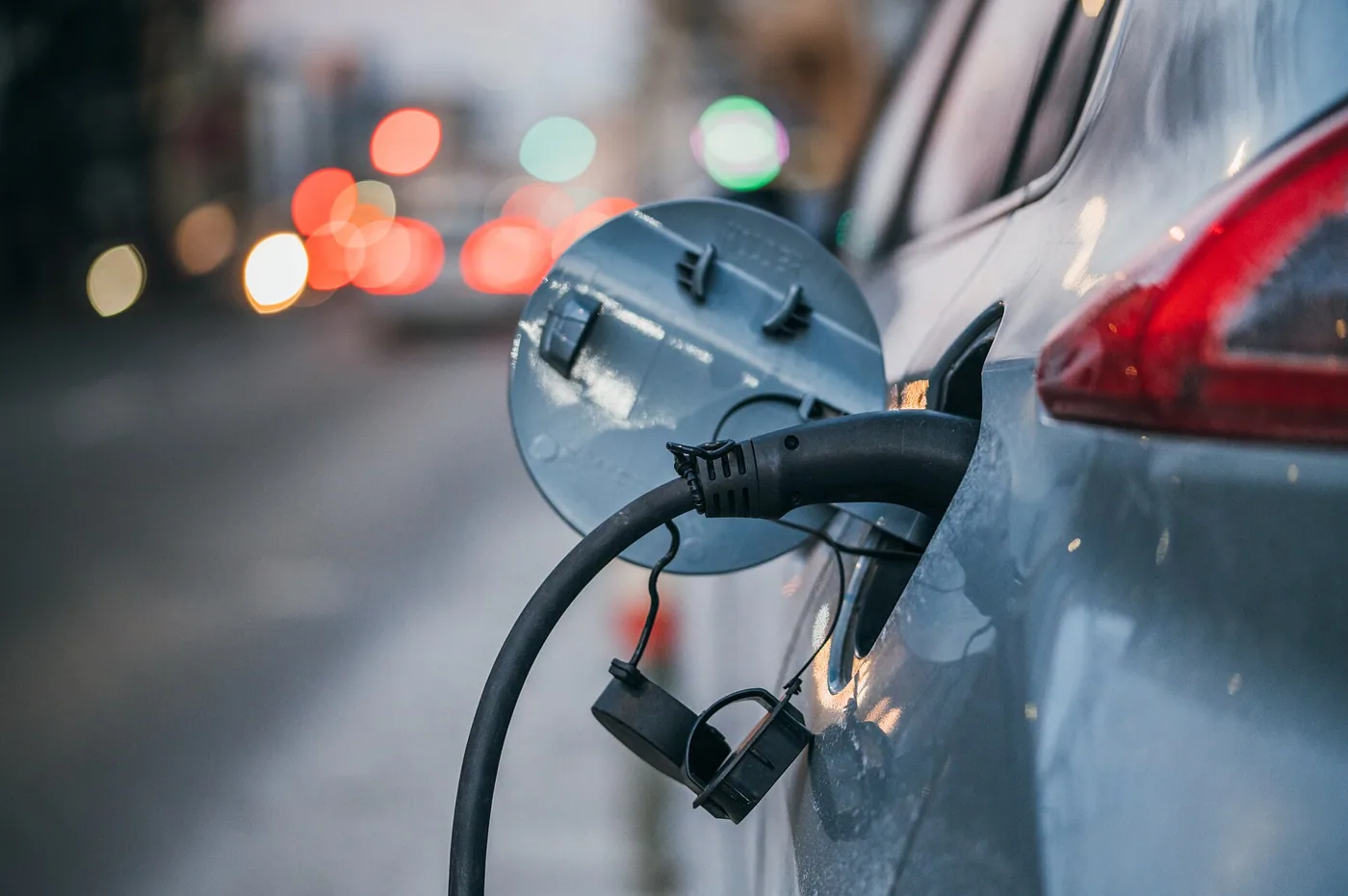
Two cars can advertise the same maximum charging power and deliver very different stops. Understanding the whole charging session makes specifications easier to compare and journeys easier to plan.
 ↗
Electric/3 min read
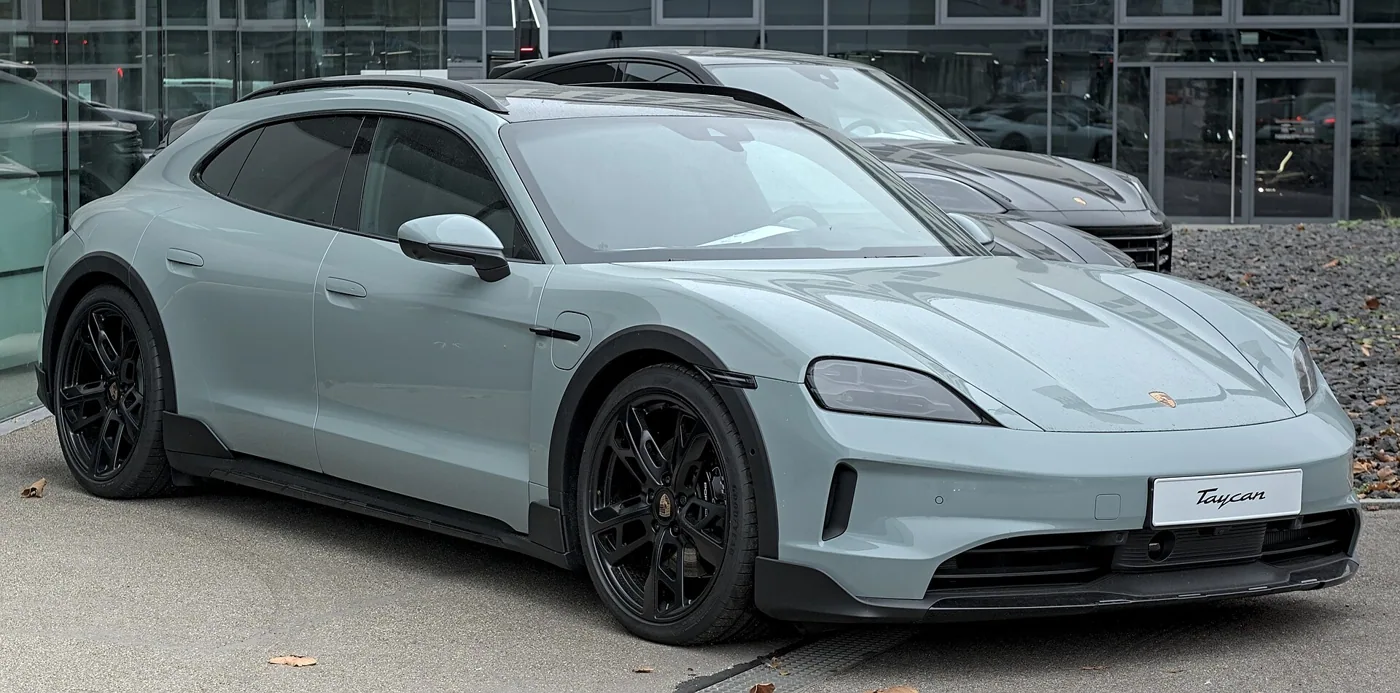
Battery size attracts attention, but energy consumption shapes the cost and convenience of every journey. A more efficient car can make a modest battery work harder without asking the driver to.
 ↗
Electric/3 min read
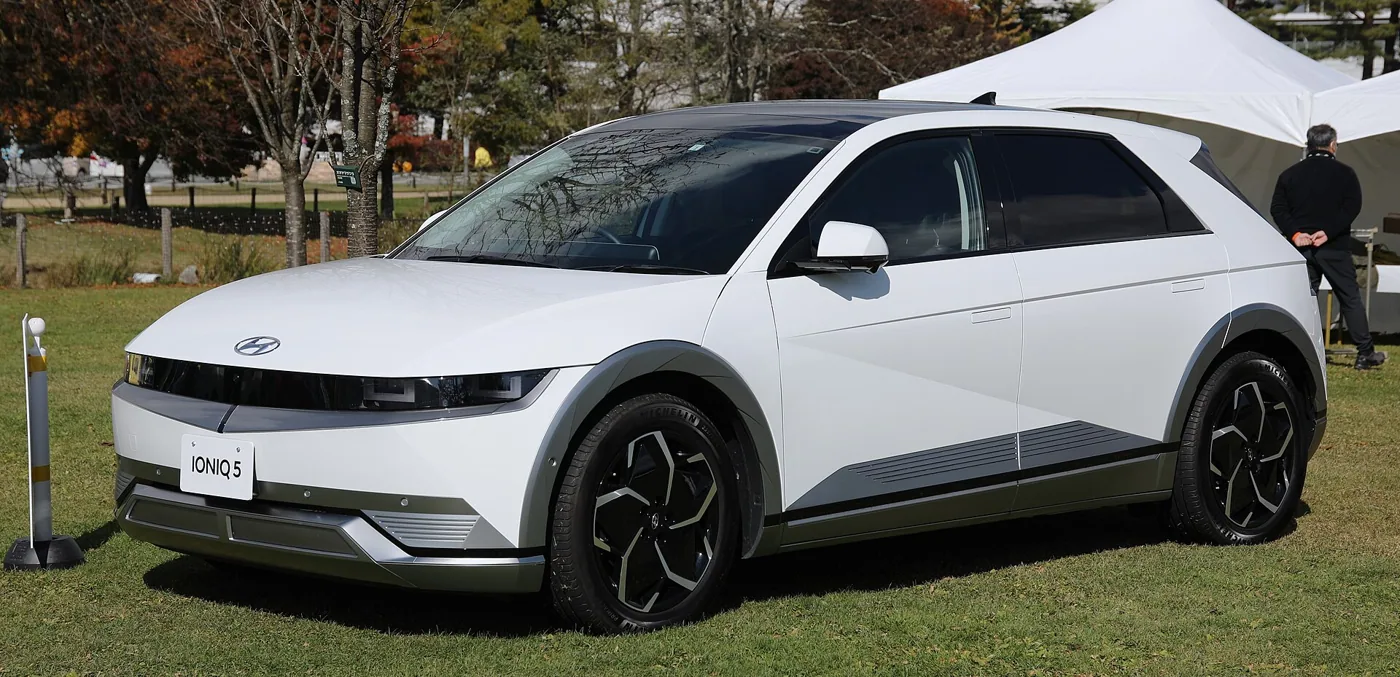
Cold weather affects more than the battery. Cabin heat, roads, tires and charging preparation all influence winter travel, making a single universal range-loss percentage a poor guide for buyers.
 ↗
Electric/3 min read
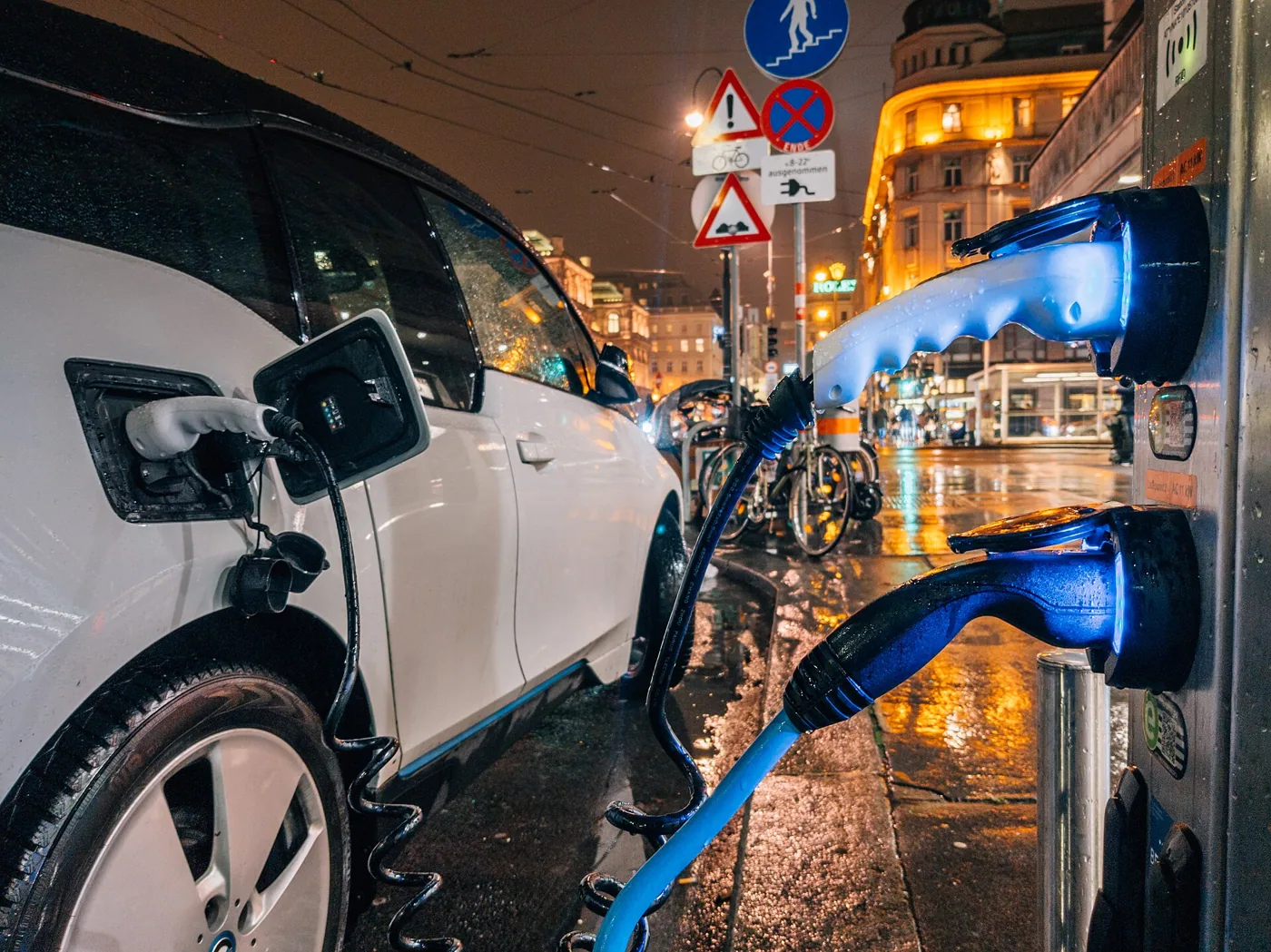
For drivers without a private driveway, dependable access matters more than a charger on a map. Apartment charging succeeds when allocation, billing and maintenance are designed around everyday parking habits.
 ↗
Electric/3 min read
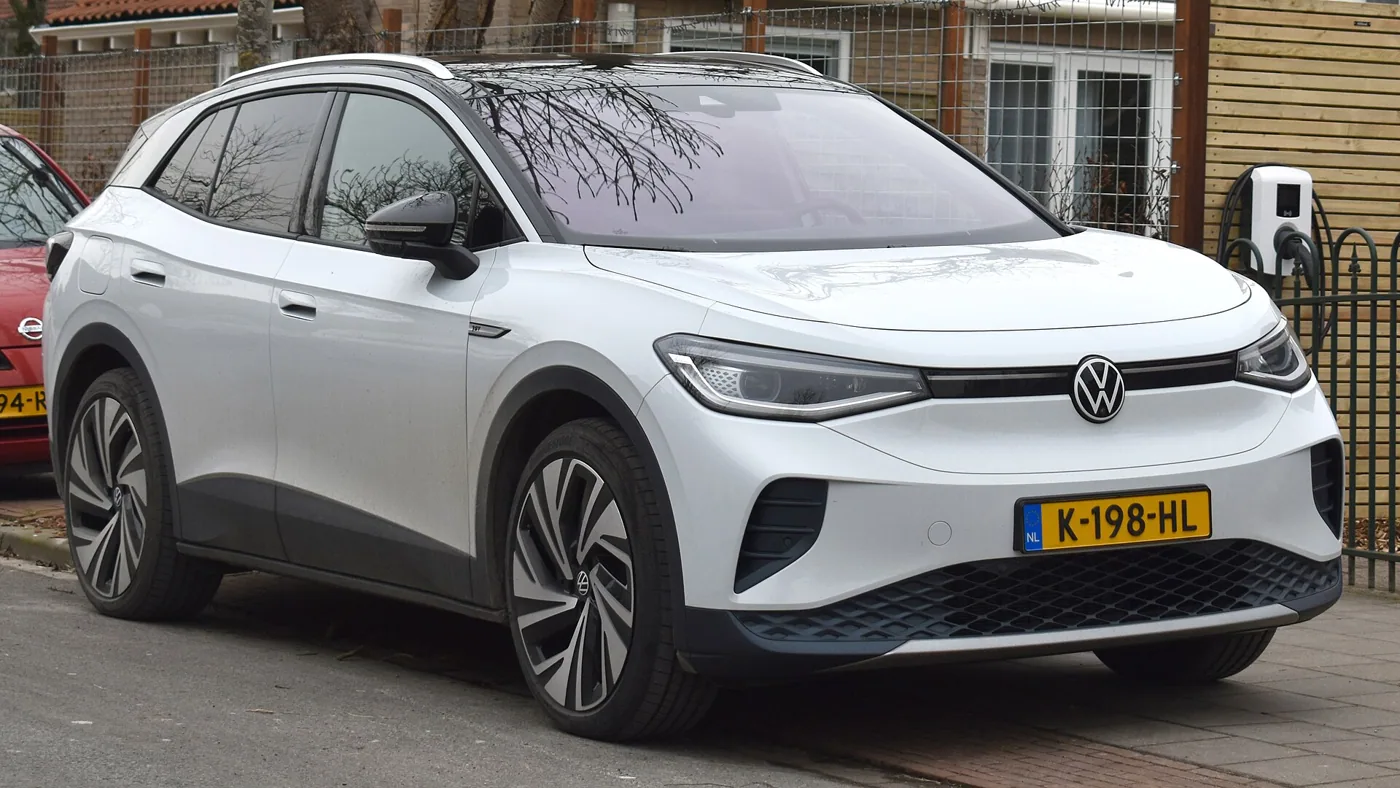
The condition of a used electric car cannot be inferred from mileage alone. Documentation, charging checks and a clear warranty history turn a vague battery discussion into a more useful inspection.
 ↗
Electric/3 min read
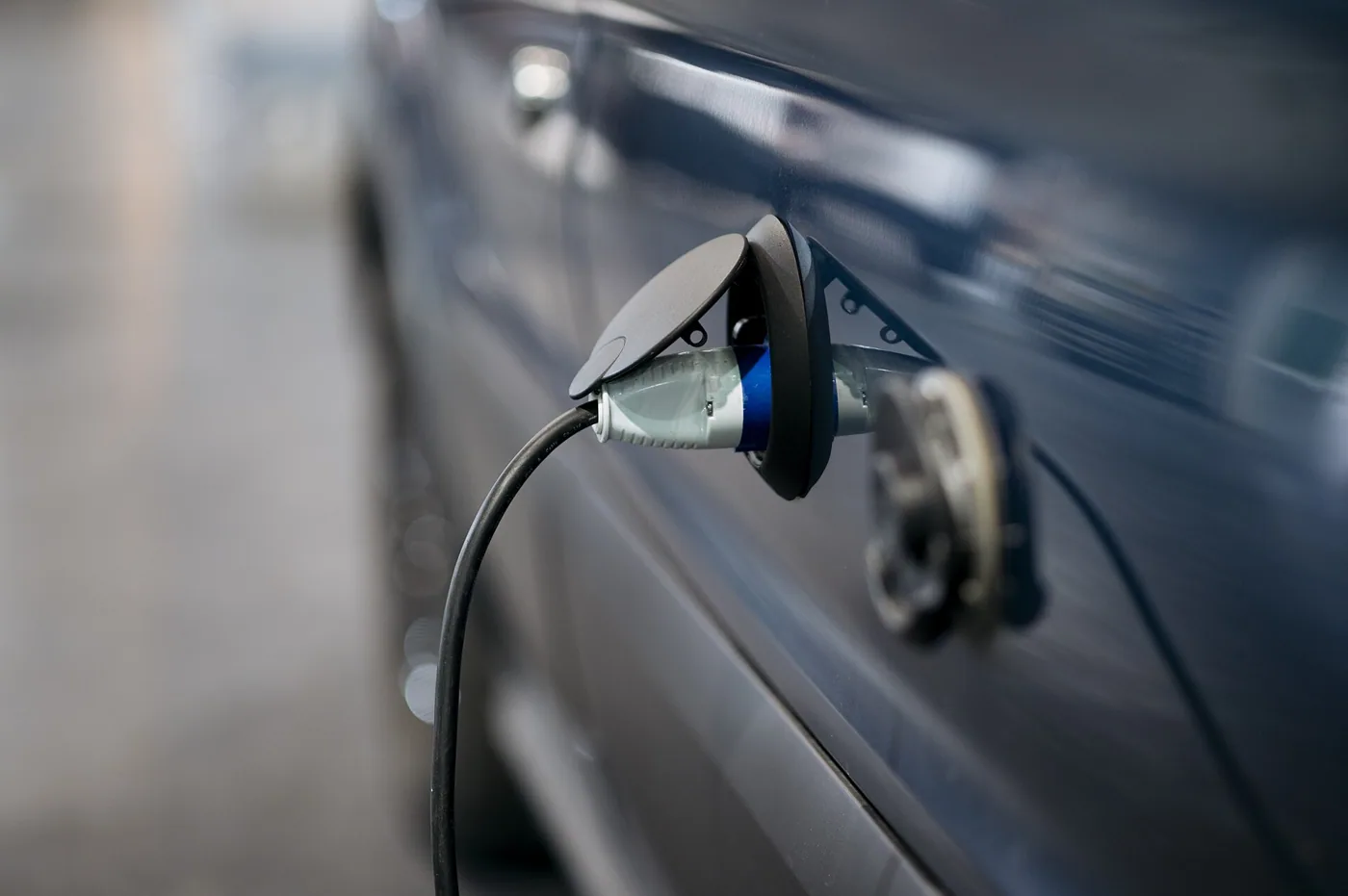
LFP and nickel-rich batteries solve different design problems. Chemistry helps explain a vehicle, but packaging, temperature control and software determine how that chemistry becomes a useful car.
 ↗
Electric/3 min read
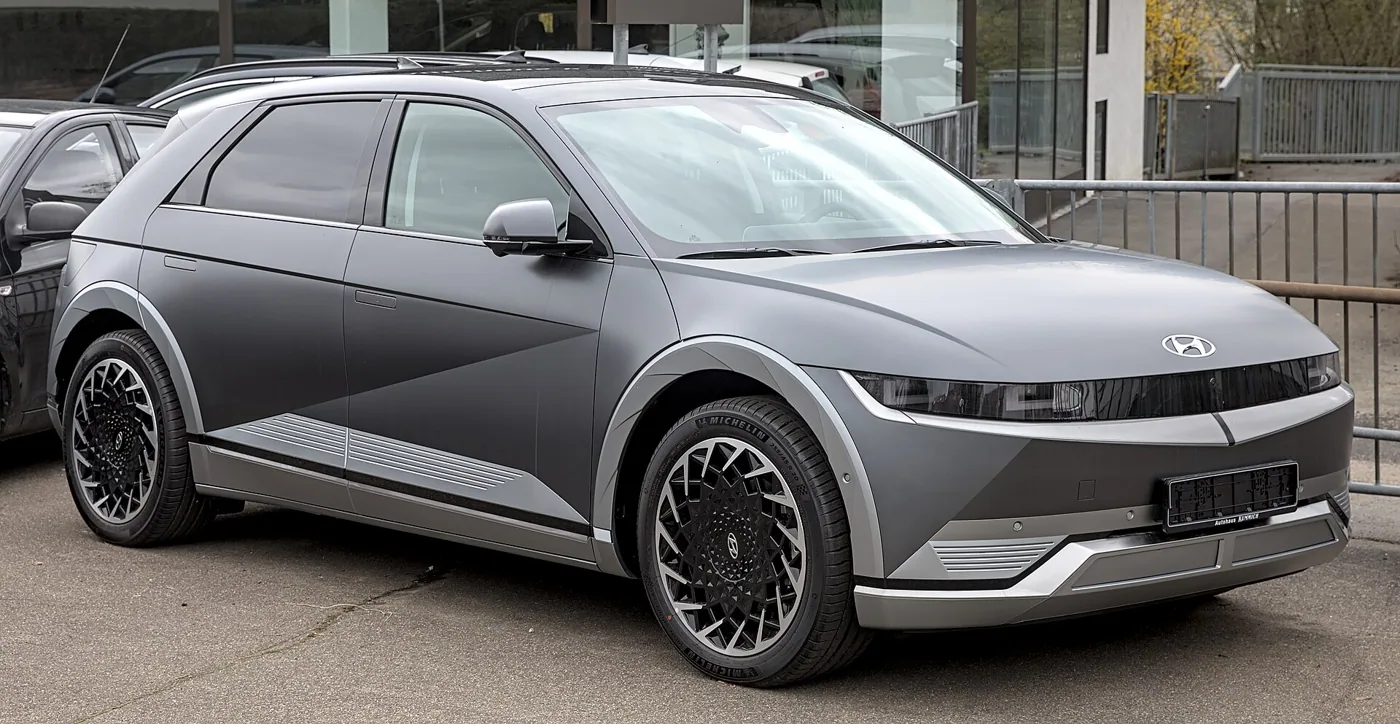
A plug-in hybrid can cover repeated local journeys on electricity while retaining an engine for longer travel. Its value depends heavily on whether charging becomes a normal part of ownership.
 ↗
Electric/3 min read
A route planner can calculate energy, but passengers still need food, toilets and a comfortable break. Coordinating those needs often matters more than shaving a minute from charging time.
 ↗
Electric/3 min read
The fastest home charger is not automatically the most useful one. Daily energy needs, available electrical capacity and hours parked determine what a household actually needs to replenish.
 ↗
Electric/3 min read
Towing changes energy demand and the way charging stops work. A suitable electric tow vehicle needs enough capability for the load and a route that remains practical with a trailer attached.
 ↗
Electric/3 min read
Rooftop solar and an electric car can complement one another, but generation and parking do not always coincide. The useful calculation follows when electricity is produced, consumed and exported.
 ↗
Electric/3 min read
Bidirectional charging can turn a compatible car into an energy resource. The practical benefits depend on the complete system, the loads being supplied and how much driving reserve remains.
 ↗
Electric/3 min read
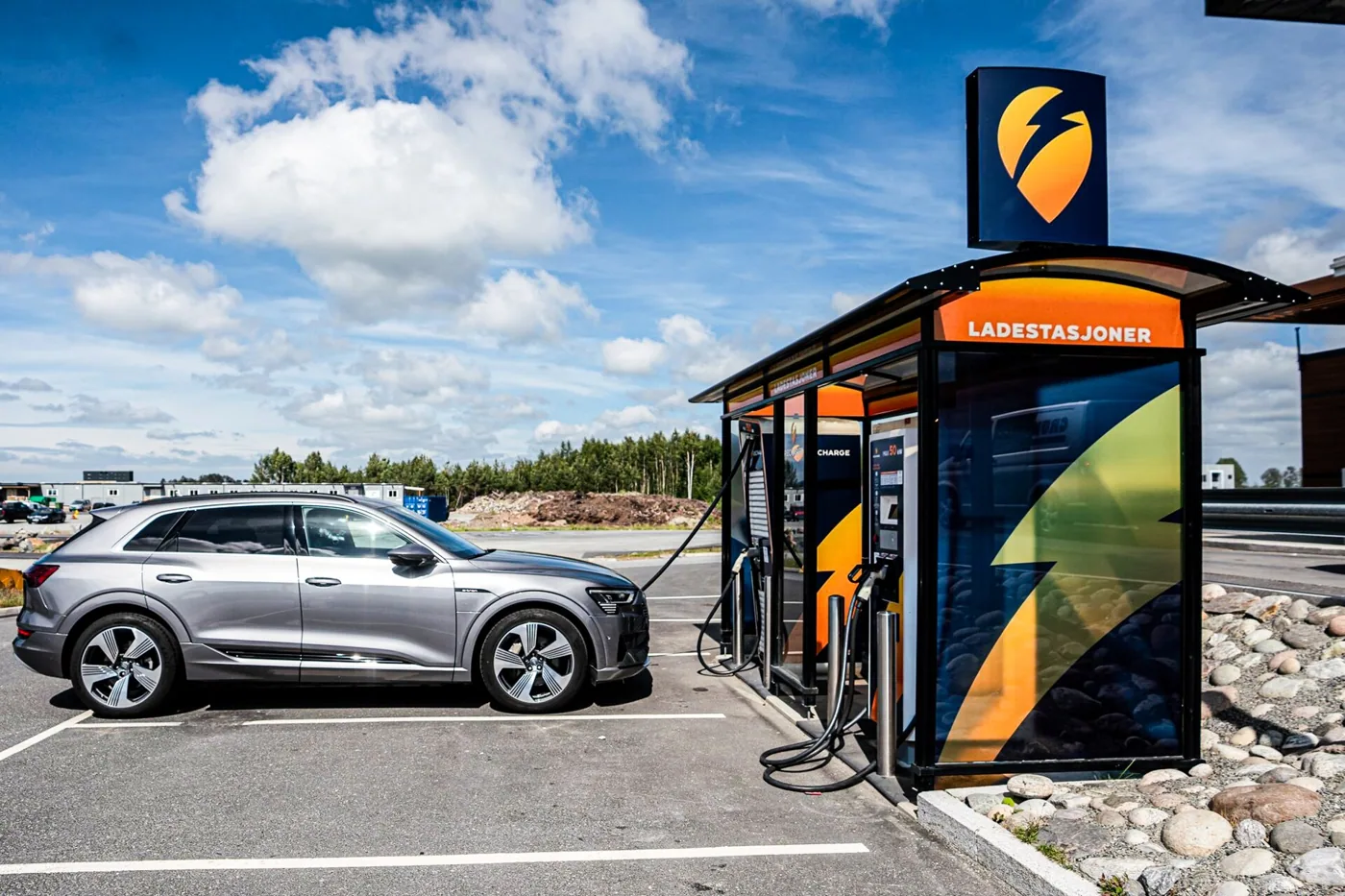
Compact EVs deserve to be assessed on the journeys they make easier. Low energy demand, manageable dimensions and an honest range target can matter more than oversized specifications.
 ↗
Electric/3 min read
A long warranty headline can hide important distinctions between defects, capacity loss and eligibility. The useful protection is defined by the exact terms attached to the vehicle.
 ↗
Electric/3 min read
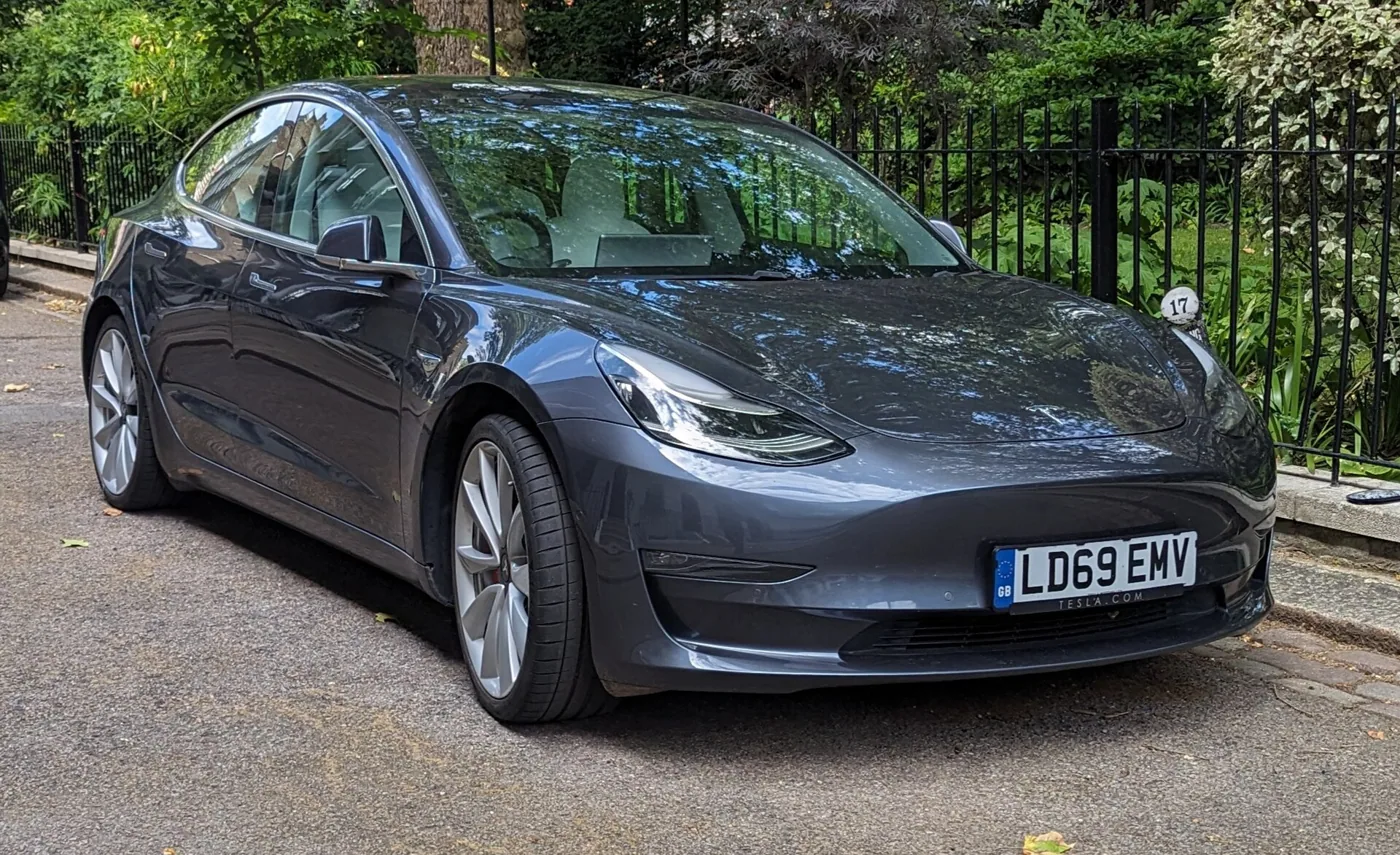
Energy recovery is one of electrification’s useful features, but it cannot undo every unnecessary acceleration. Smooth planning still matters, whether the car offers strong one-pedal driving or a lighter coasting feel.
 ↗
Electric/3 min read
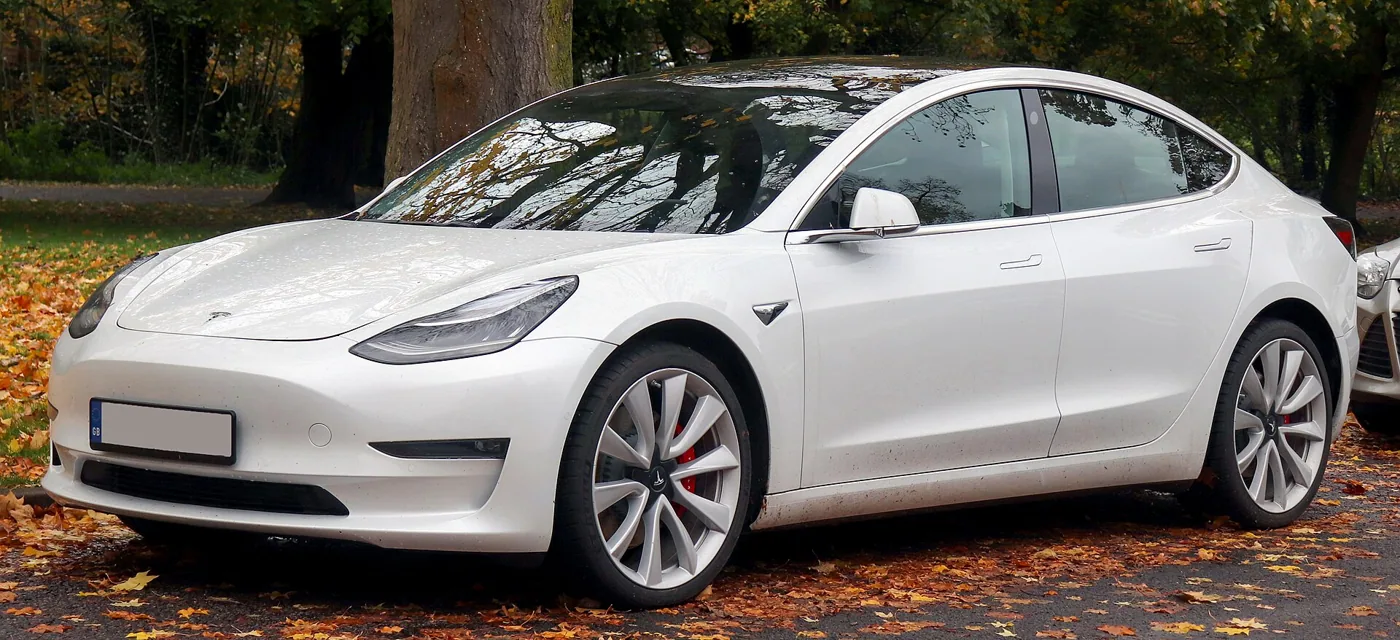
Comparing electric and combustion cars requires more than looking at the exhaust. Manufacturing, energy supply, vehicle size and lifetime use all shape an honest environmental assessment.
 ↗
Electric/3 min read
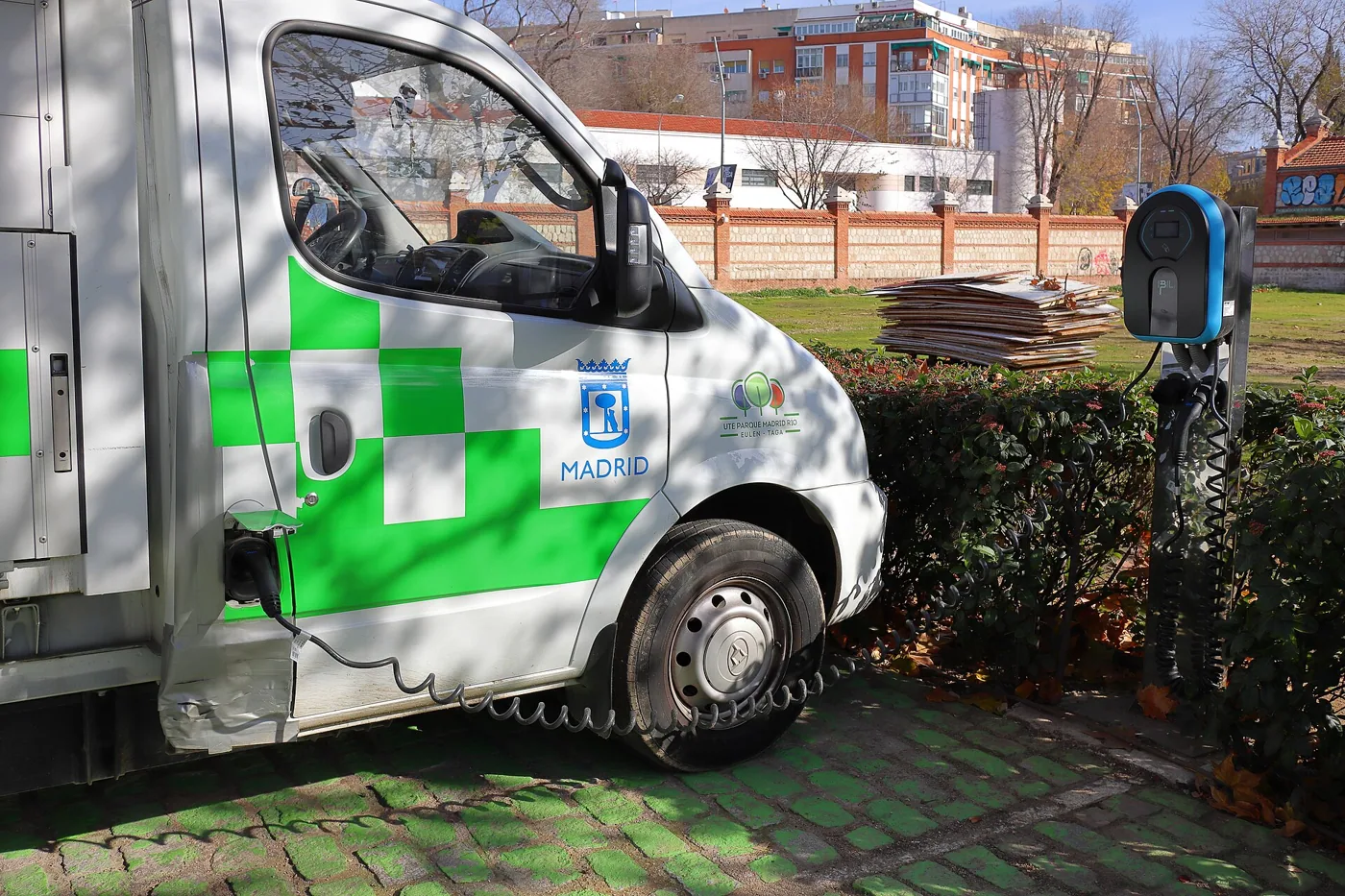
Station totals show expansion, but drivers experience individual successful sessions. Availability, payment, cable reach and useful alternatives determine whether infrastructure growth becomes dependable everyday access.
 ↗
Industry/4 min read
A global EV headline can conceal very different regional markets. A closer reading of 2024 sales shows why affordability, charging access and industrial strategy need to be discussed locally.
 ↗
Industry/3 min read
A fast-changing showroom can coexist with a slowly changing vehicle fleet. Understanding the difference helps explain why infrastructure, repair services and fuel demand evolve on different timelines.
 ↗
Industry/3 min read
Battery costs influence EV pricing, but the showroom figure also reflects engineering, production scale, distribution and commercial choices. The path from a cell-price headline to an affordable vehicle has several steps.
 ↗
Industry/3 min read
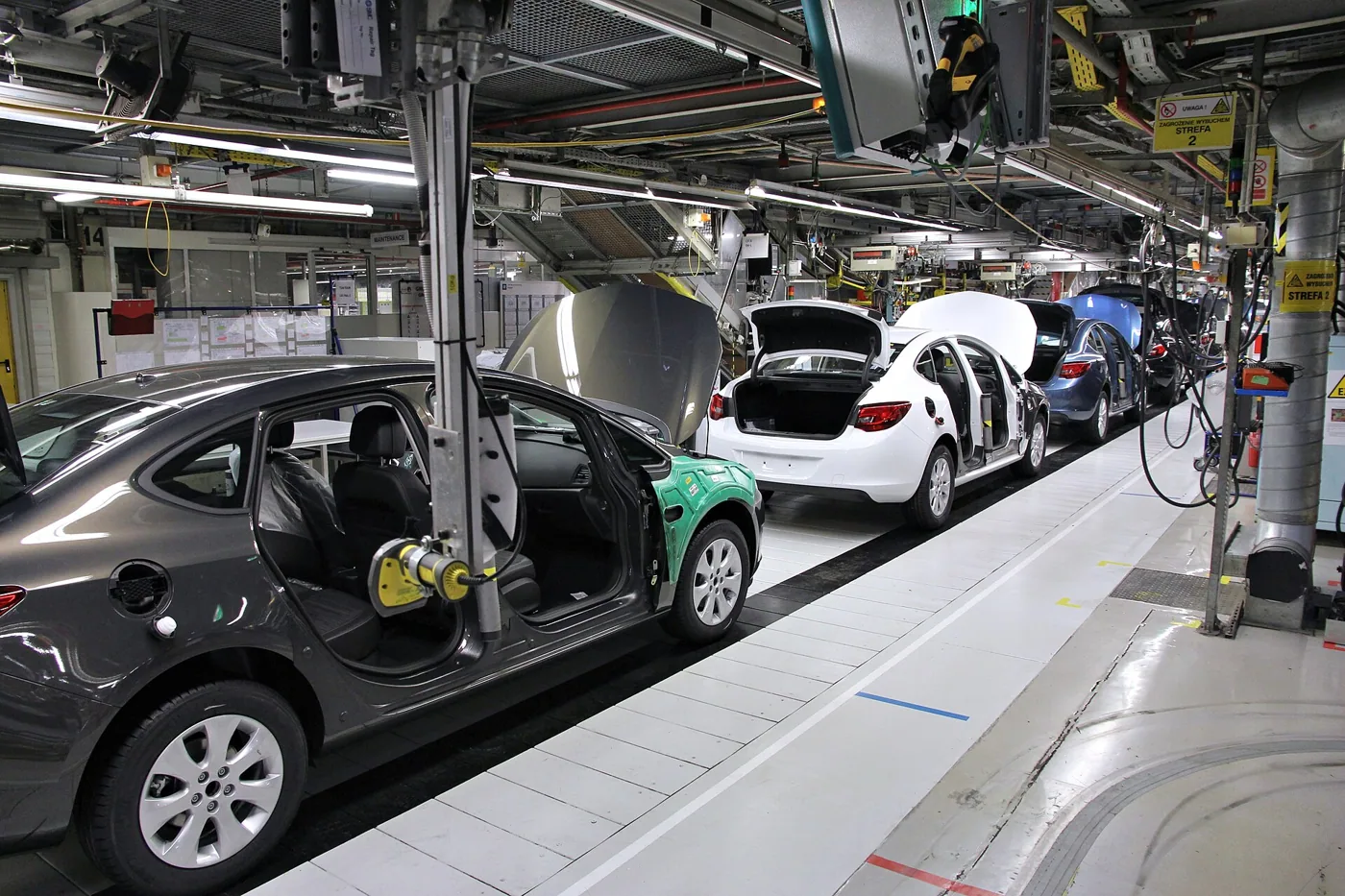
Producing several powertrains or models in one factory can help manage uncertain demand. The benefit depends on how much flexibility is useful and how much complexity the operation can absorb.
 ↗
Industry/3 min read
A low entry price is only the beginning of accessibility. Finance, insurance, servicing and the availability of the advertised version determine whether a new car is affordable in practice.
 ↗
Industry/3 min read
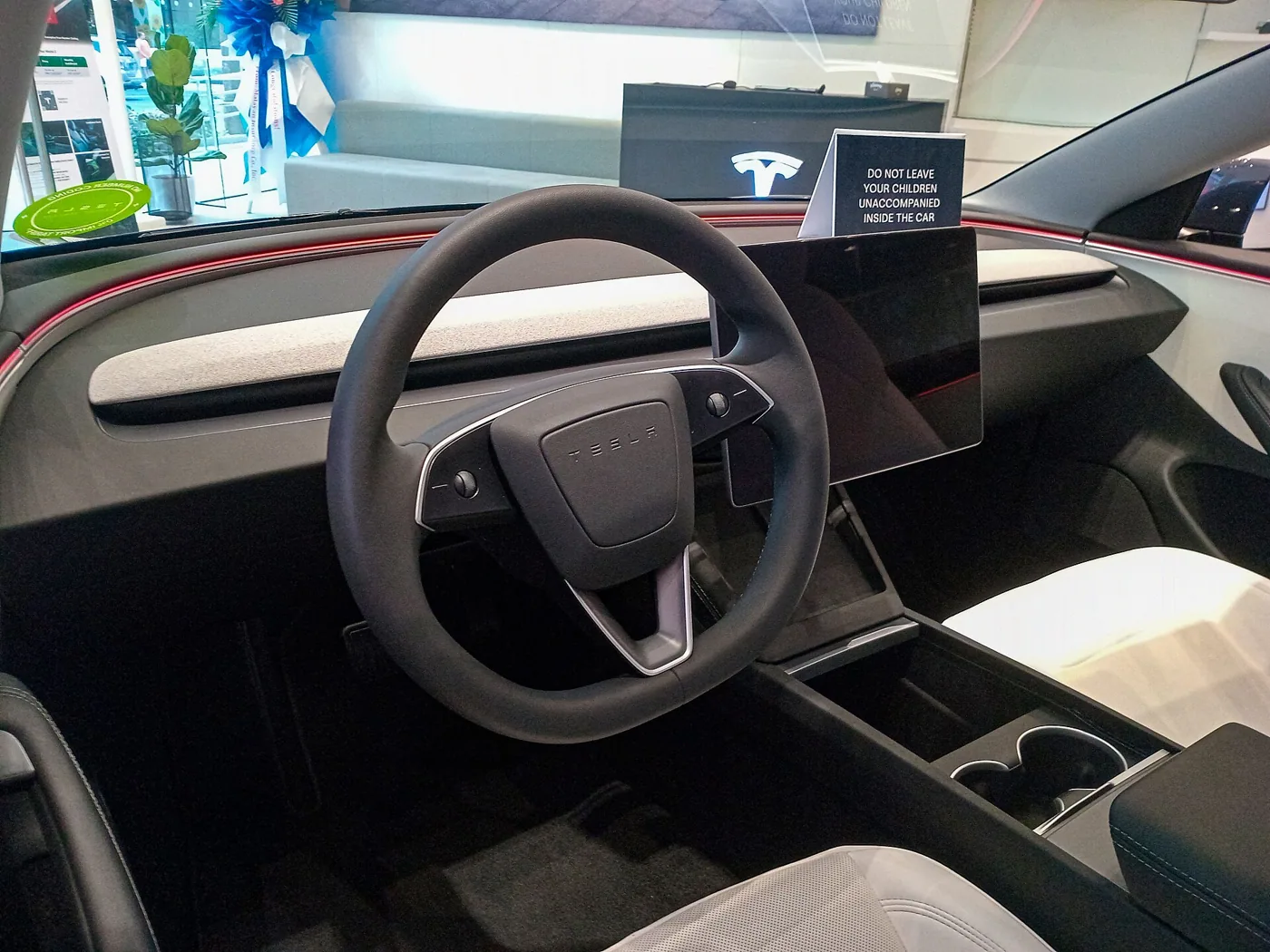
Connected features can improve a vehicle after delivery, but they also create dependencies. Buyers need to know which functions rely on continuing software, services and account support.
 ↗
Industry/3 min read
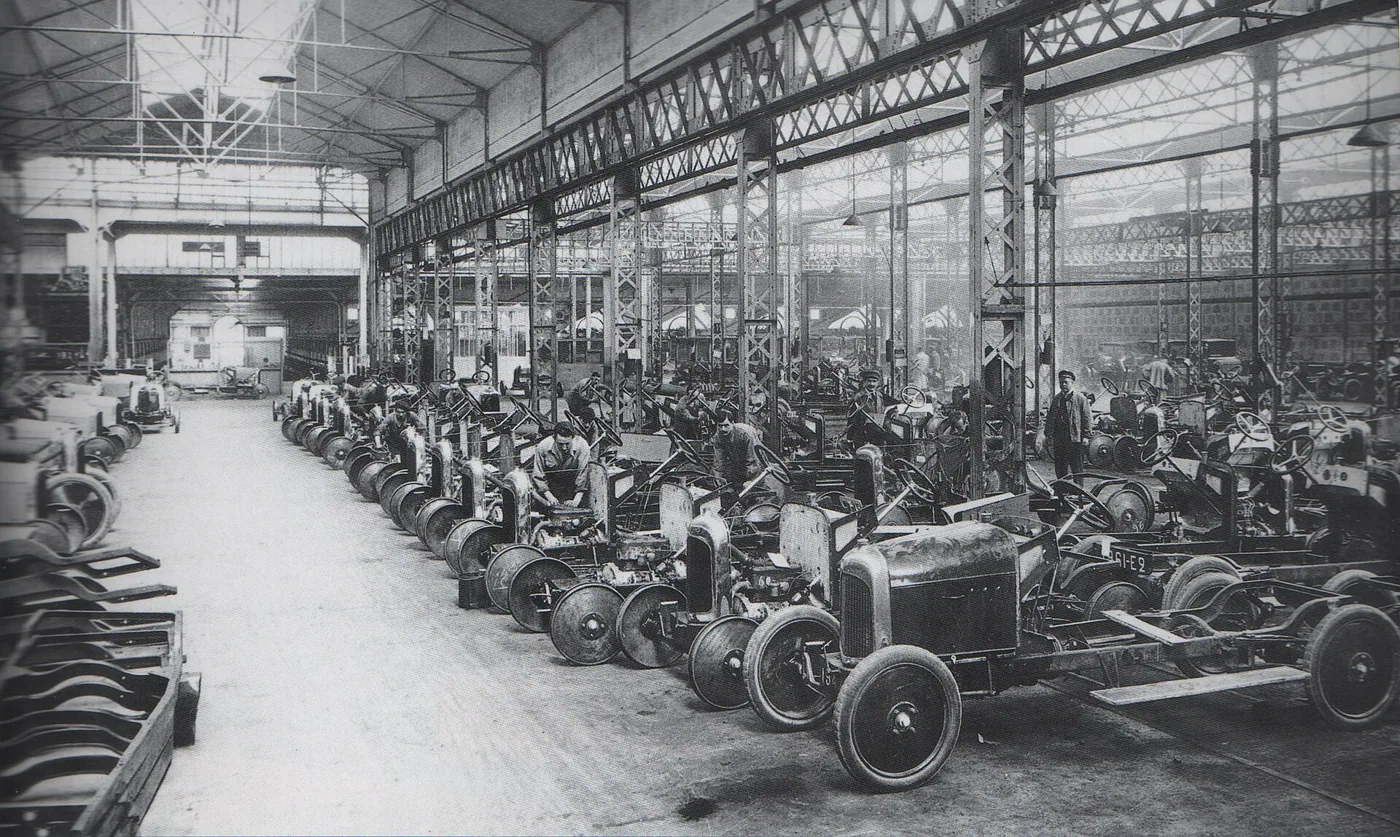
A car’s value depends partly on how readily it can return to service after damage. Parts, diagnostics and repair procedures deserve attention alongside the engineering that makes production efficient.
 ↗
Industry/3 min read
Recovering valuable materials is only part of the challenge. Collection, transport, sorting and a predictable supply of suitable batteries determine whether recycling can scale into a durable industry.
 ↗
Industry/3 min read
A vehicle’s final assembly address reveals only one layer of production. Cells, electronics, materials and engineering services can connect that factory to a much wider industrial network.
 ↗
Industry/3 min read
The right fleet vehicle is defined by its work. Routes, dwell time, payload and operational flexibility should shape an electrification plan before a procurement team compares headline range.
 ↗
Industry/3 min read
Depreciation reflects what a future buyer expects to receive and support. For newer technologies, clear condition records, predictable service and sensible new-car pricing can be as important as headline specifications.
 ↗
Industry/3 min read
Installing powerful hardware does not guarantee a successful charging location. Utilization, access, maintenance and the surrounding customer experience determine whether the site becomes useful and financially durable.
 ↗
Industry/3 min read
Buying an electric car introduces questions about homes, tariffs and travel routines. Retail expertise creates value when it turns technical specifications into a clear ownership plan the customer can verify.
 ↗
Industry/3 min read
A common connector is an important step toward easier charging. The complete experience also depends on electrical compatibility, communication, payment and support across vehicles and networks.
 ↗
Industry/3 min read
Larger vehicles can provide useful capability, but their dimensions influence energy demand, materials and the spaces they occupy. The industry’s product mix deserves analysis beyond a simple popularity ranking.
 ↗
Industry/3 min read
Vehicles can collect information about journeys, accounts and behavior. Clear settings, purposeful data use and a reliable ownership handover are becoming part of a trustworthy automotive product.
 ↗
Industry/3 min read
Entering a new car market is easier to announce than to support. Long-term success depends on service, documentation and local product fit after the first vehicles leave the port.
 ↗
Industry/3 min read
Launch announcements mix delivered products, technical targets and future ambitions. A disciplined reader separates those categories and asks which claims can already be checked against a purchasable vehicle.
 ↗
Buying/4 min read
A useful buying decision begins with your ordinary Tuesday. Work backward from the journeys, people, parking spaces and costs that a new car will actually encounter.
 ↗
Buying/3 min read
Powertrain debates often begin with range and performance. The more revealing starting point is where the car spends the night, and how reliably it can receive energy there.
 ↗
Buying/3 min read
Battery condition matters, but it is only one part of a used electric vehicle. Charging hardware, software access, tires and ordinary accident repairs deserve equal attention.
 ↗
Buying/3 min read
A payment describes a financing schedule. A useful ownership comparison also accounts for resale value, energy, insurance, servicing and the period you expect to keep the vehicle.
 ↗
Buying/3 min read
A taller body can improve access and packaging, but size labels conceal major differences. Cargo shape, passenger position and the parking footprint deserve a closer comparison.
 ↗
Buying/3 min read
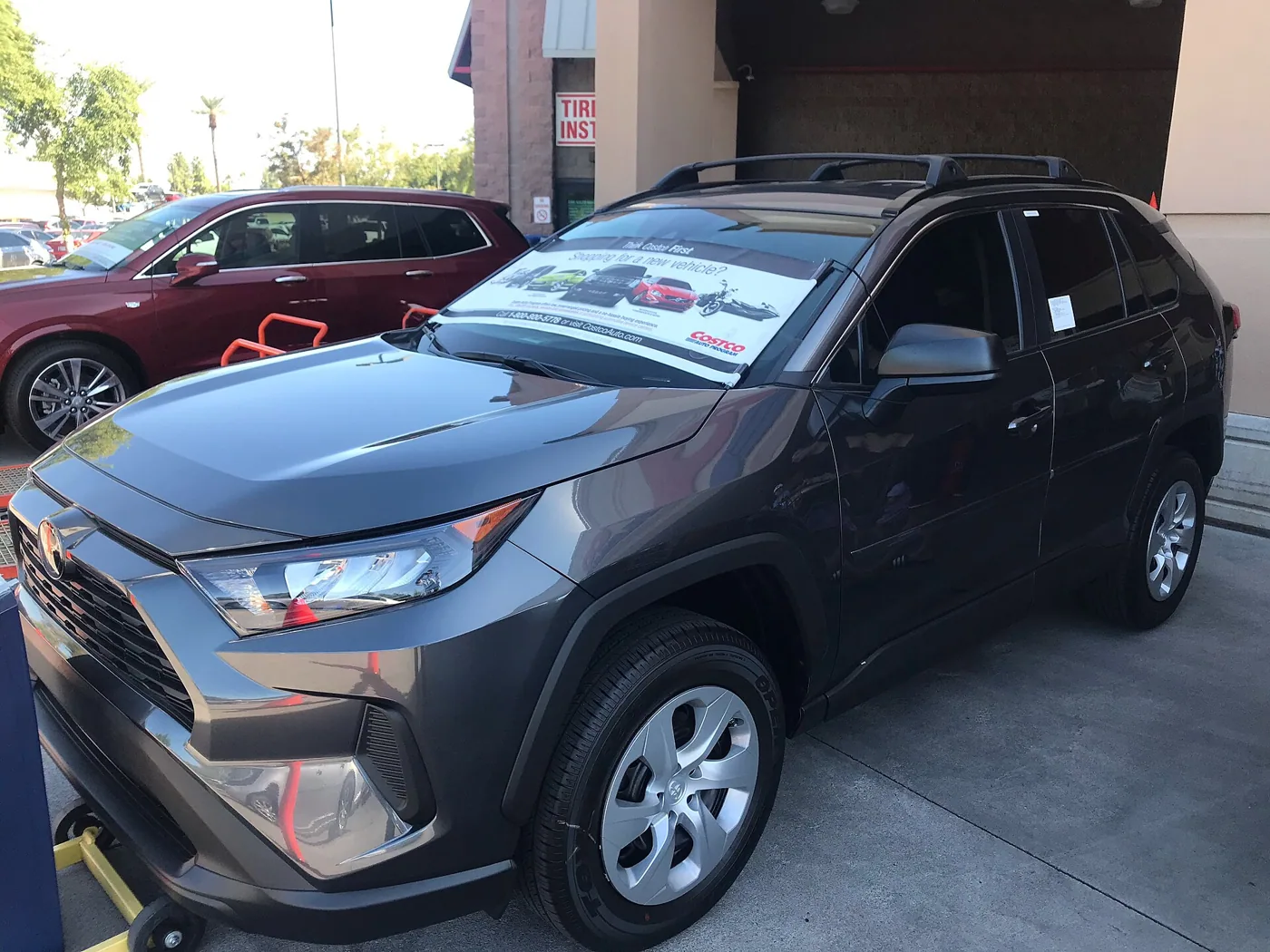
A short demonstration can create a strong impression while revealing little about ownership. A planned route and a few practical checks make the same time much more useful.
 ↗
Buying/3 min read
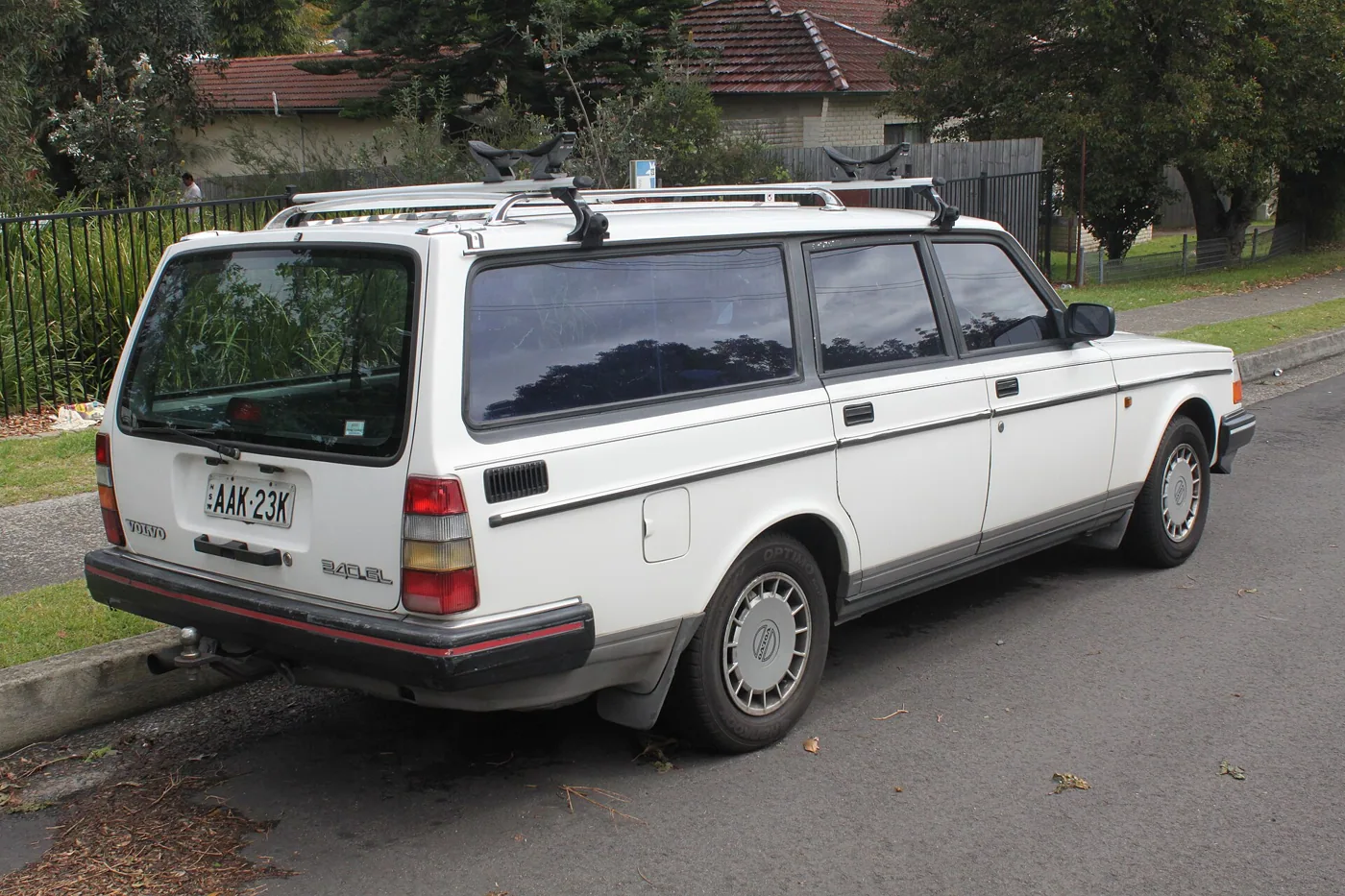
Resale value can dominate ownership costs, yet precise predictions invite false confidence. A useful buying decision separates known purchase costs from several plausible future selling prices.
 ↗
Buying/3 min read
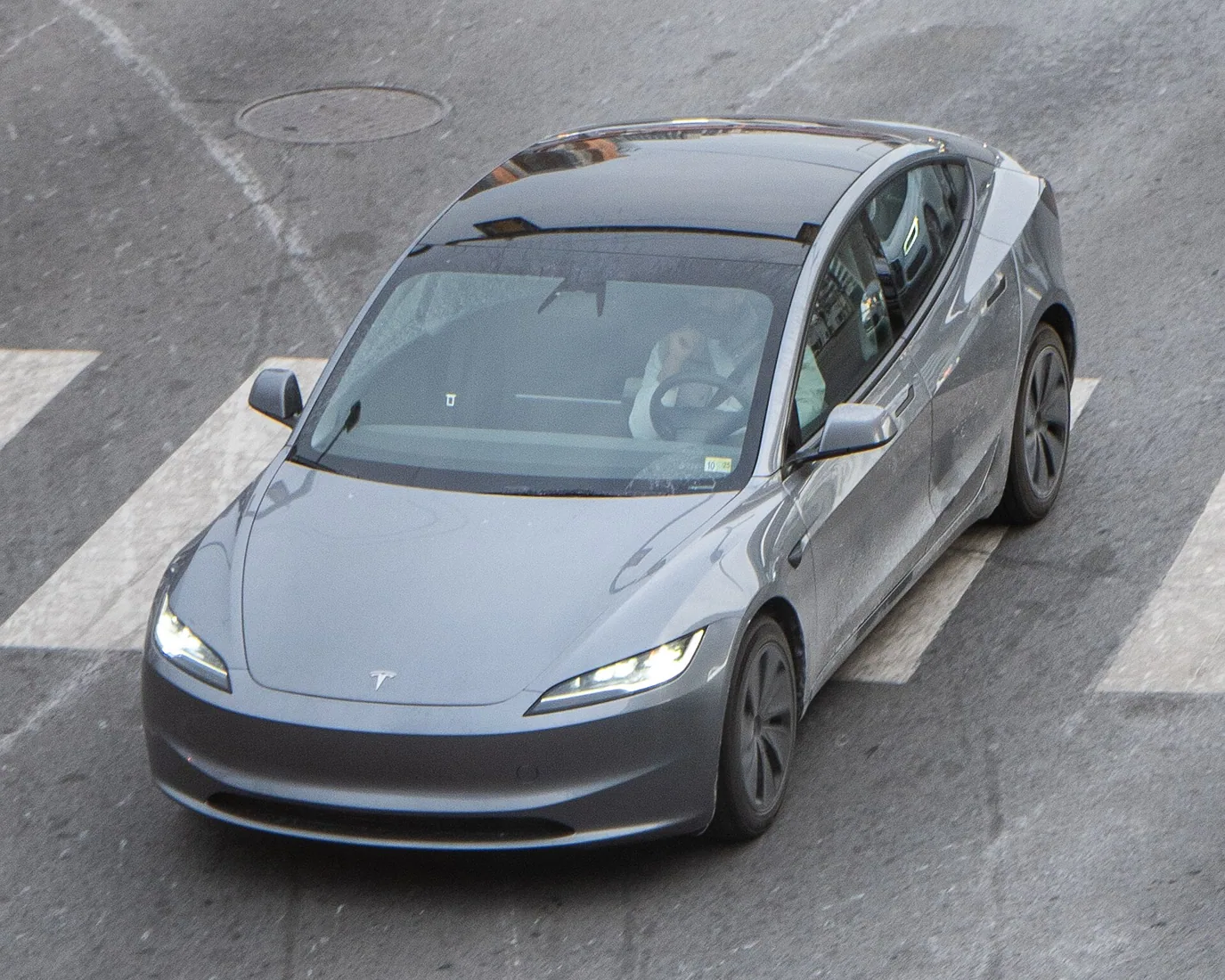
Brand names conceal different combinations of warnings, interventions and driving support. Compare the actual functions, their limits and the clarity of their controls before paying for a package.
 ↗
Buying/3 min read
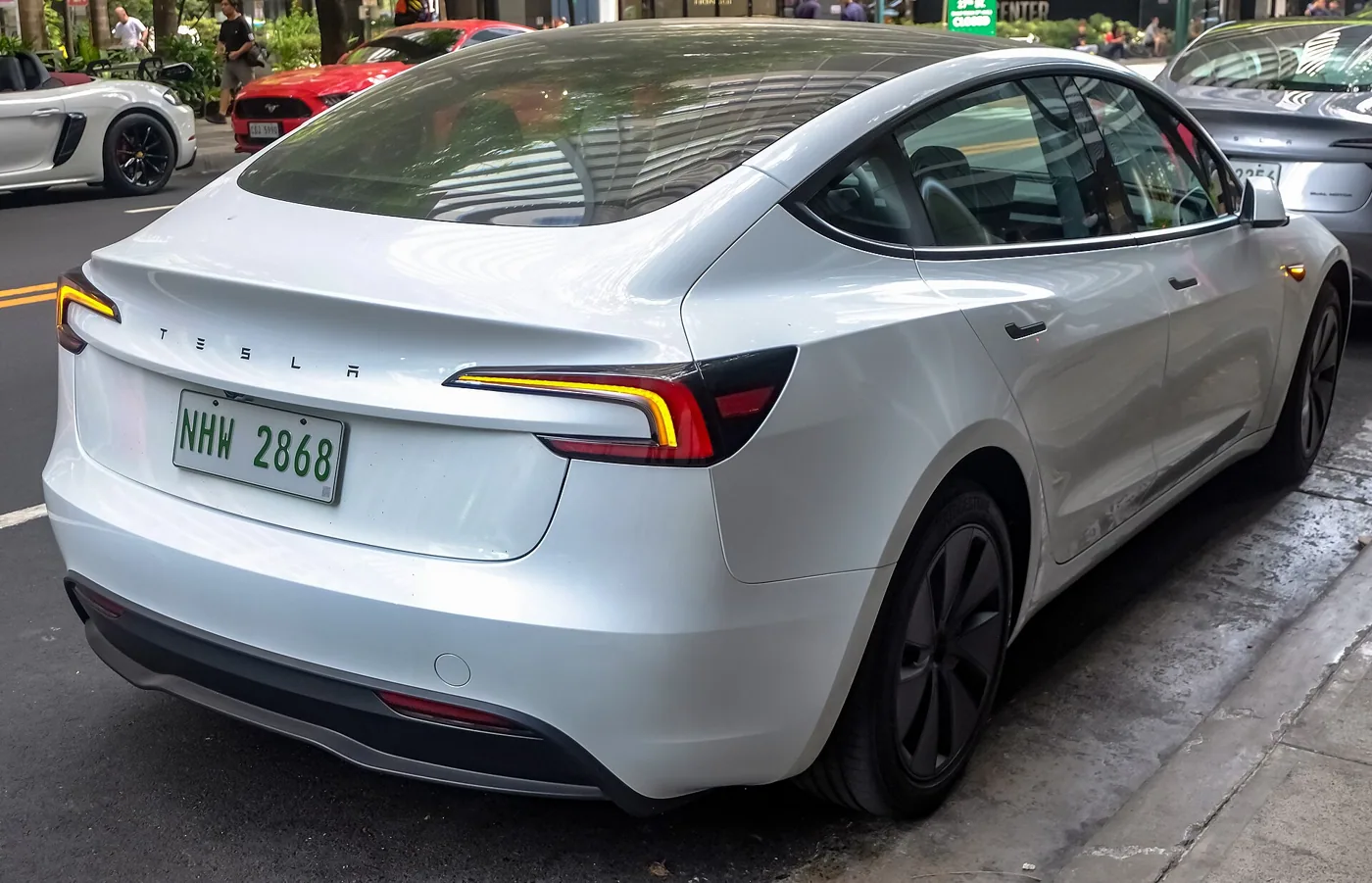
The largest battery is not automatically the most useful purchase. Separate daily distance, recurring long trips and inconvenient conditions before deciding how much reserve you actually need.
 ↗
Buying/3 min read
Large wheels make a strong visual statement, but the decision continues at every pothole and replacement-tire bill. Compare the complete wheel-and-tire package before selecting the upgrade.
 ↗
Buying/3 min read
Rear-seat space is not simply a legroom measurement. Restraint fit, access, front-seat position and the route to the third row can decide whether a family vehicle works.
 ↗
Buying/3 min read
Leasing and purchasing allocate costs and uncertainty differently. A useful comparison aligns the time period, distance and end position before looking at the monthly amount.
 ↗
Buying/3 min read
History reports are useful records of reported events. They do not replace physical inspection, maintenance evidence or a careful match between the vehicle and its documents.
 ↗
Buying/3 min read
Driving more wheels can help distribute propulsion, but winter capability also depends on tires, ground clearance and the route. Define the problem before paying for the drivetrain.
 ↗
Buying/3 min read
A headline trailer rating is only one limit. Passengers, cargo, hitch load and the exact vehicle specification all affect whether a towing combination is suitable.
 ↗
Buying/3 min read
Depreciation can make a premium vehicle affordable to buy without making it inexpensive to maintain. Inspect the systems that created its original price before committing to the bargain.
 ↗
Buying/3 min read
Manufacturers arrange equipment into tempting steps. Build your own list of useful features first, then compare the least expensive configurations that actually deliver them consistently.
 ↗
Buying/3 min read
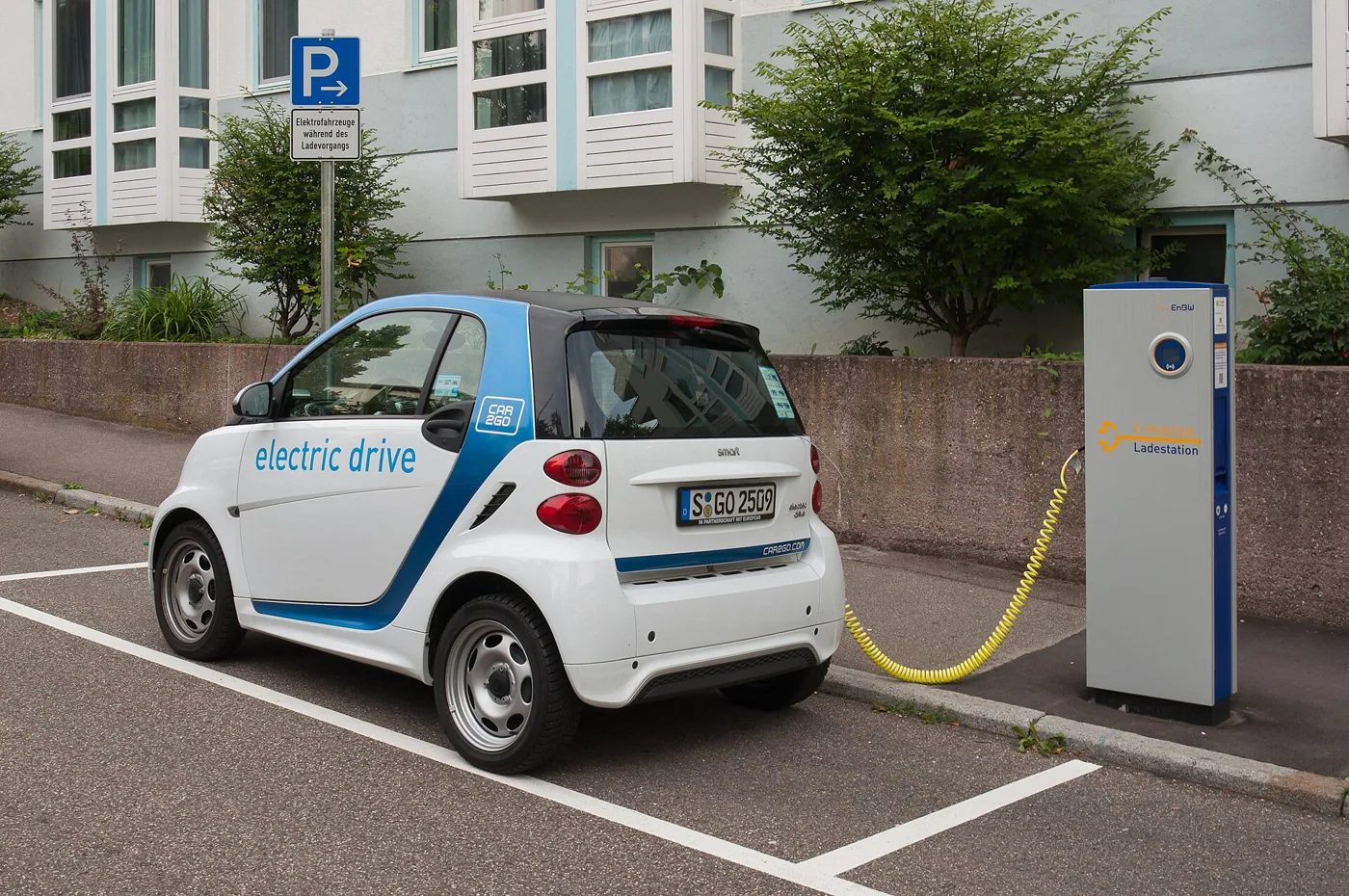
Exterior size tells only part of the motorway story. Seat comfort, stability, noise, useful luggage space and passing response determine whether a compact vehicle suits regular longer trips.
 ↗
Technology/4 min read
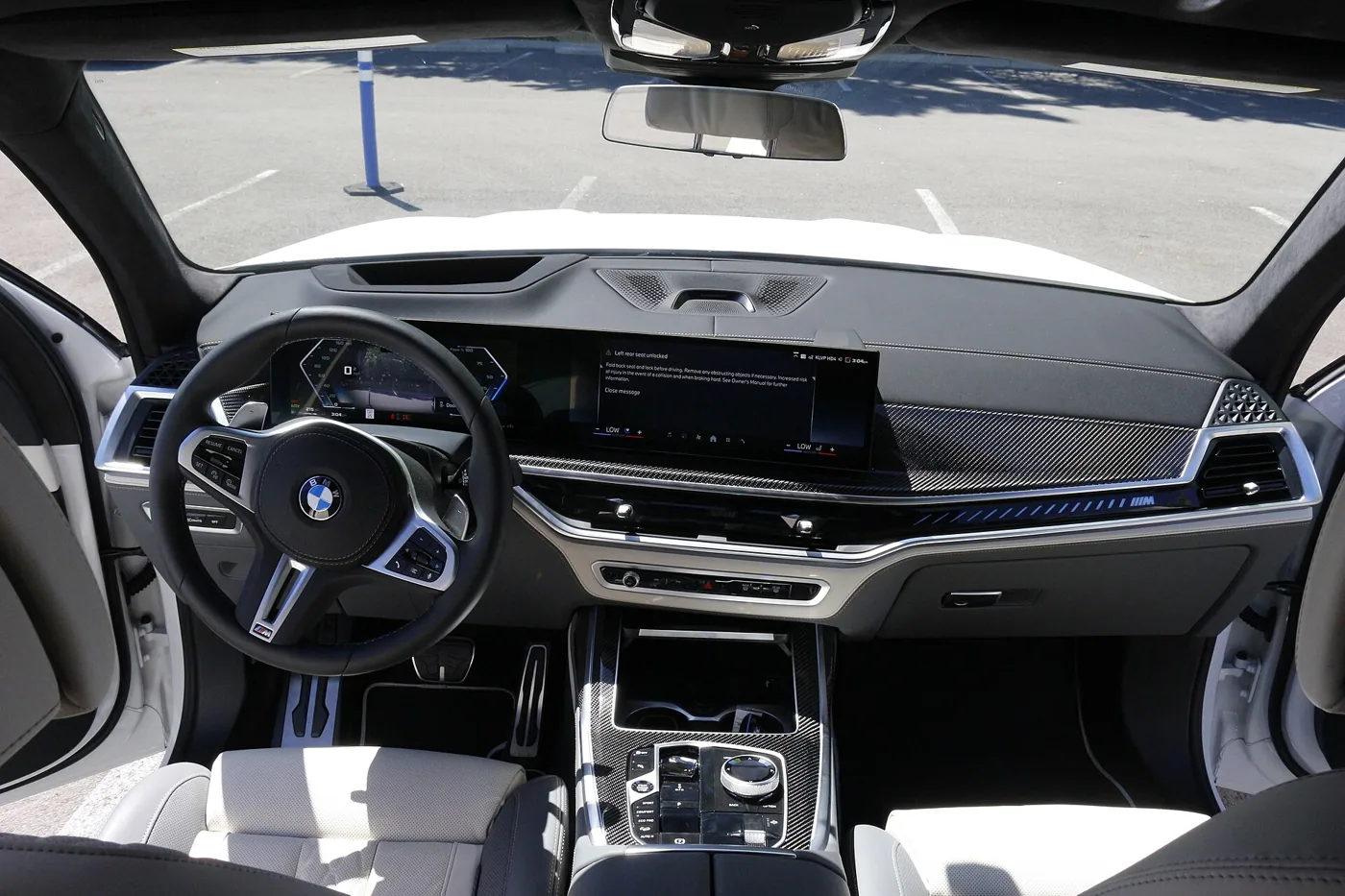
A modern car is a network of interacting systems. Its quality emerges when software, controls, energy management and mechanical hardware work together during ordinary driving.
 ↗
Technology/3 min read
A low drag coefficient describes shape efficiency, but the size of the vehicle also enters the calculation. Understanding both explains why streamlined does not always mean low drag.
 ↗
Technology/3 min read
A heat pump can reduce the energy needed to warm the cabin, but its benefit depends on conditions and system design. The badge alone cannot predict winter range.
 ↗
Technology/3 min read
An electrified car must coordinate motor recovery and friction braking as conditions change. The engineering challenge is preserving a predictable response while the available contributions keep moving.
 ↗
Technology/3 min read
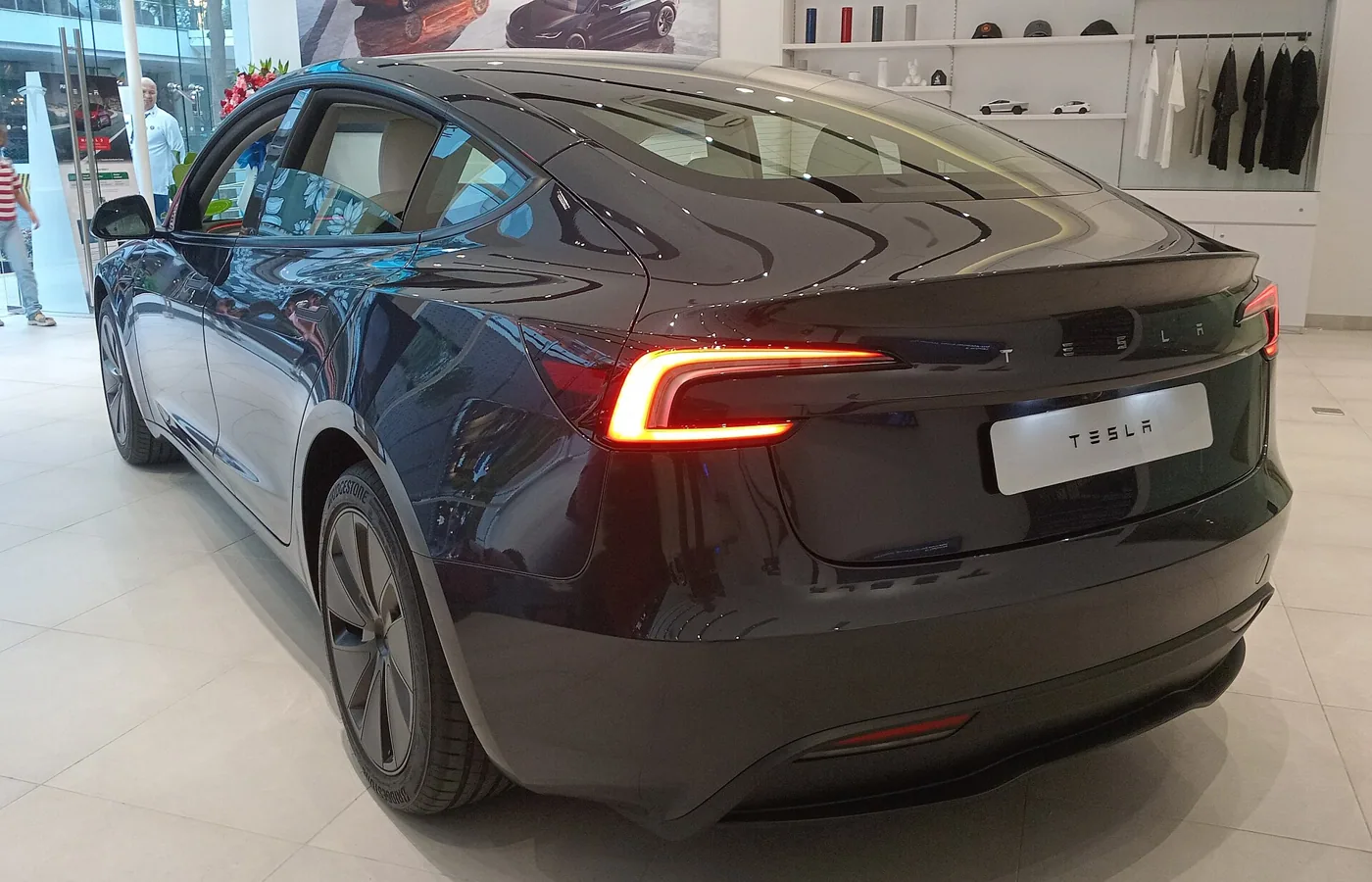
An electric battery may need warming before charging and cooling under load. Coordinating those tasks with cabin comfort and journey timing is a central part of vehicle efficiency.
 ↗
Technology/3 min read
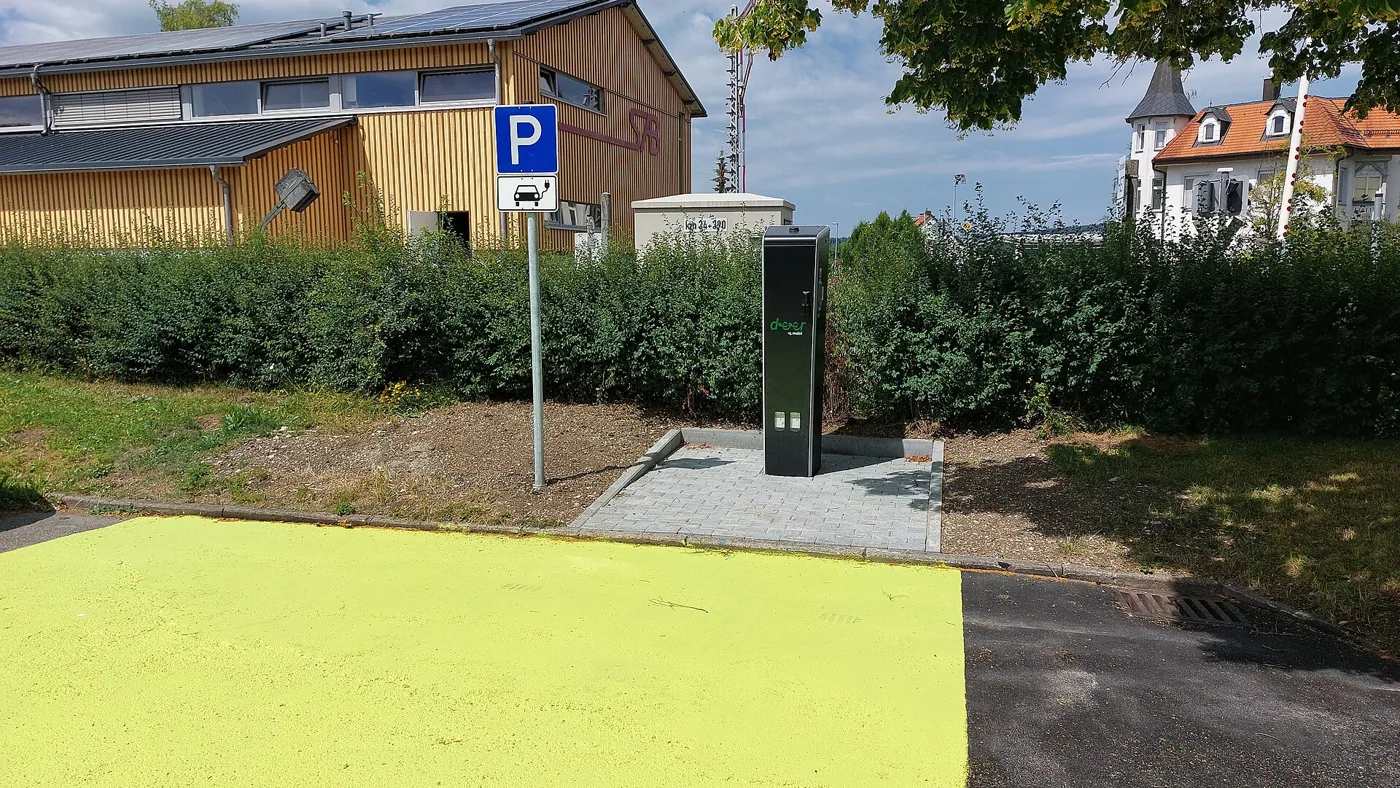
The location of power conversion changes the charging pathway. Understanding the onboard charger helps explain home charging limits, public AC compatibility and the separate role of DC equipment.
 ↗
Technology/3 min read
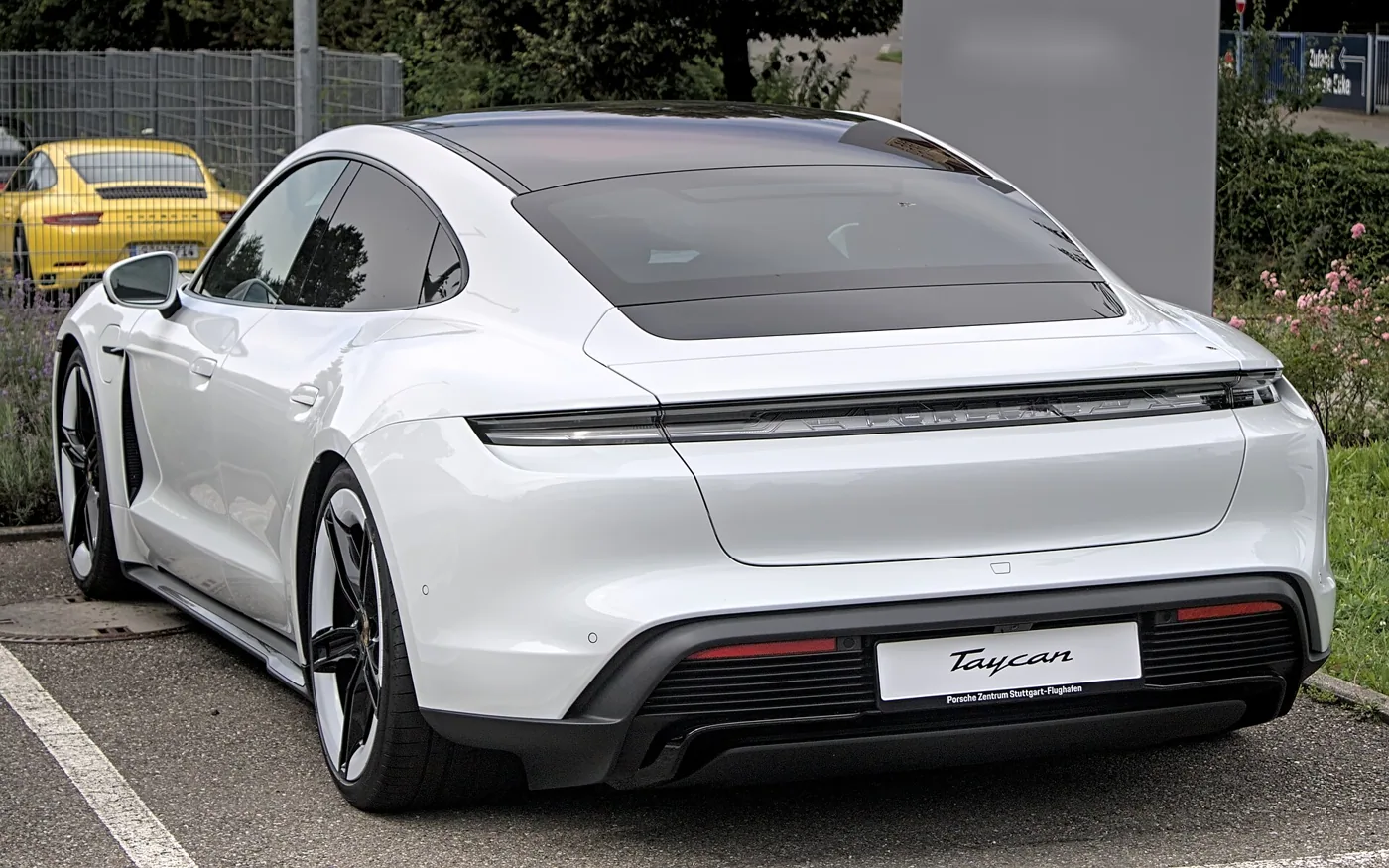
Higher voltage can reduce current for a given power, but fast charging still depends on cells, cooling, electronics and compatible infrastructure. Architecture creates possibilities rather than guarantees.
 ↗
Technology/3 min read
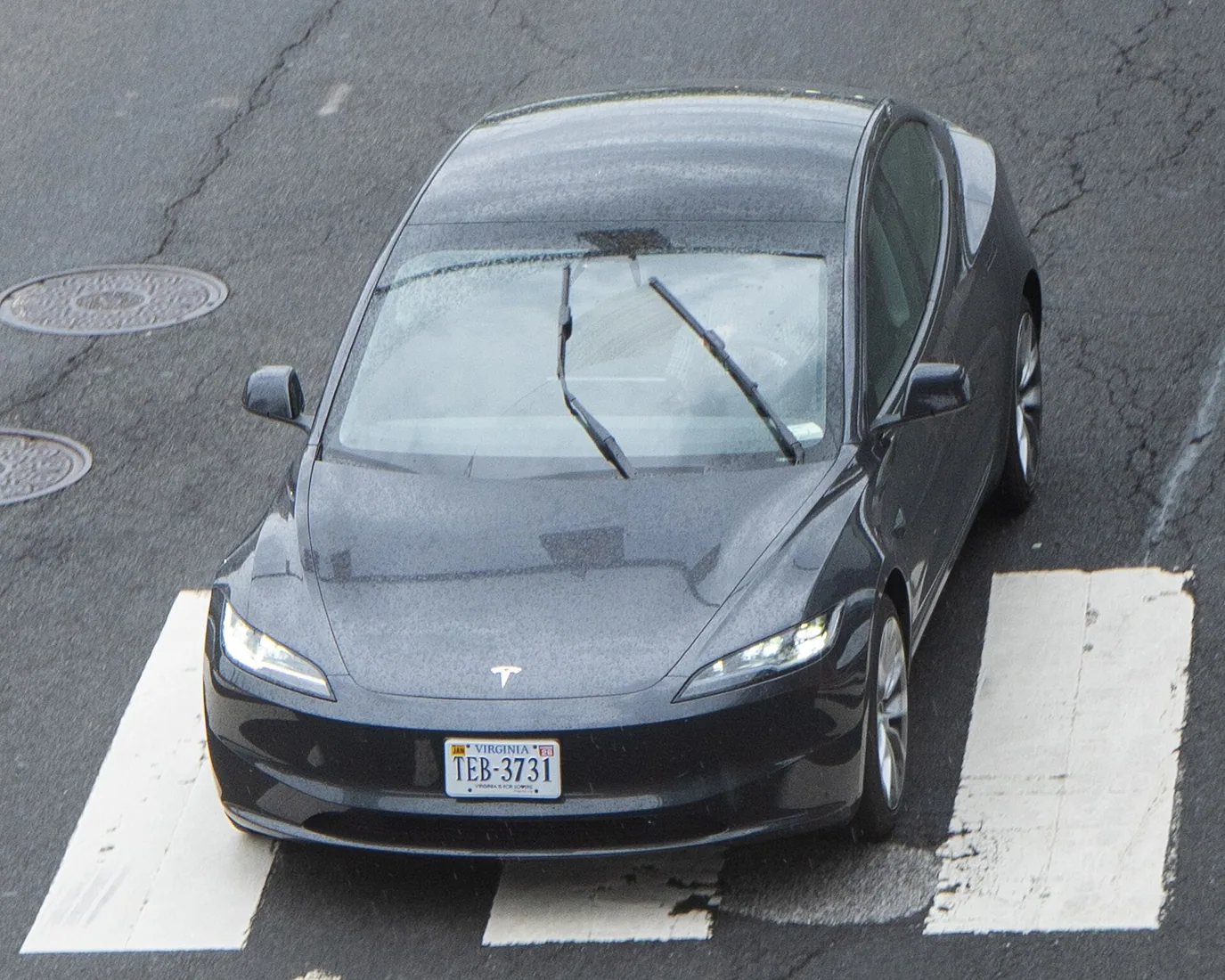
The battery and motor do not simply connect and run. Power electronics convert and control energy, shaping efficiency, response and the limits of the complete electric drive.
 ↗
Technology/3 min read
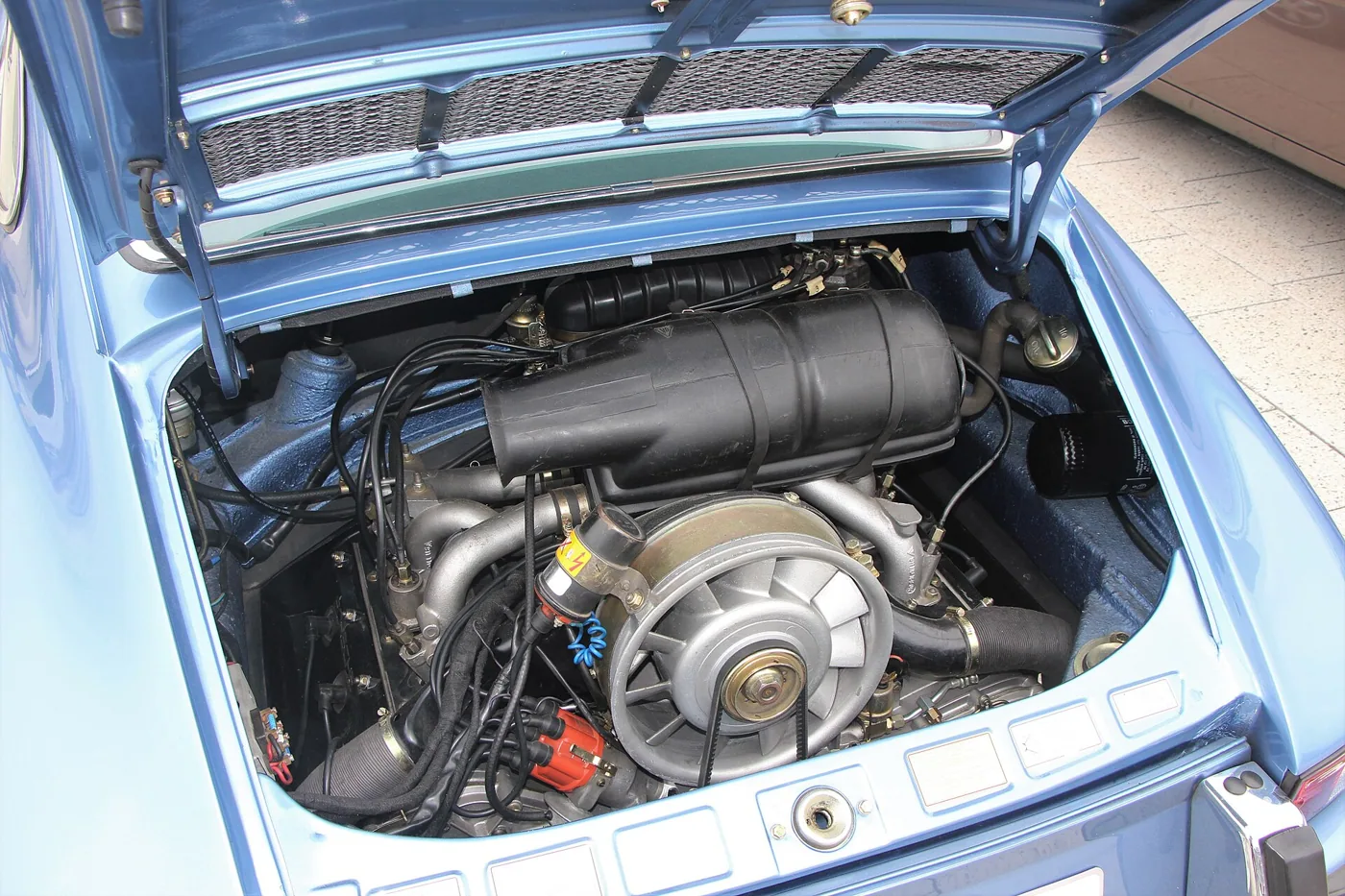
Using exhaust energy to compress intake air can support smaller, capable engines. Real-world efficiency still depends on load, calibration, gearing and how the driver uses the performance.
 ↗
Technology/3 min read
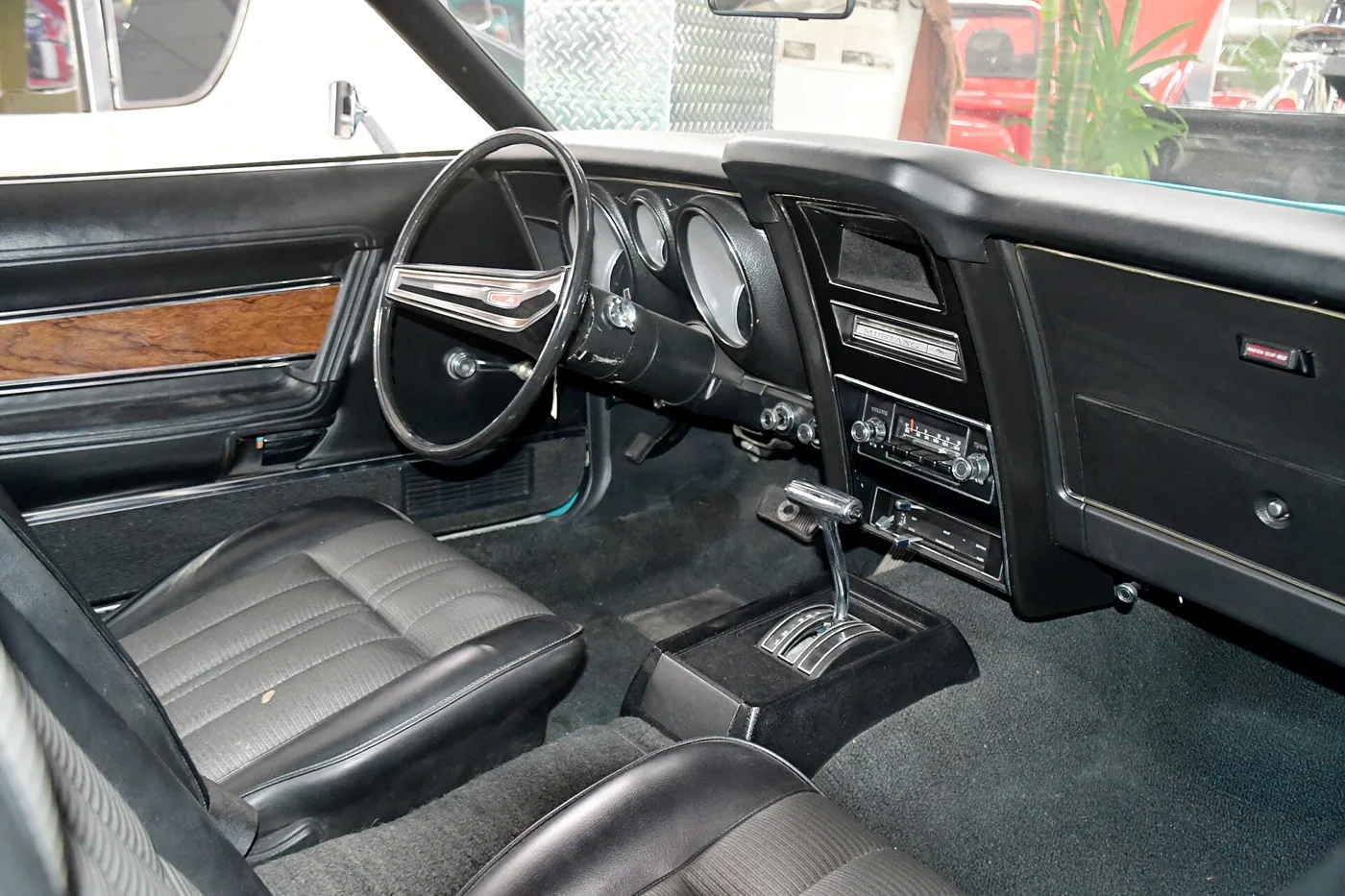
A continuously variable transmission does not need to mimic a stepped gearbox. Its behavior makes more sense when engine speed and road speed are understood as separate control decisions.
 ↗
Technology/3 min read
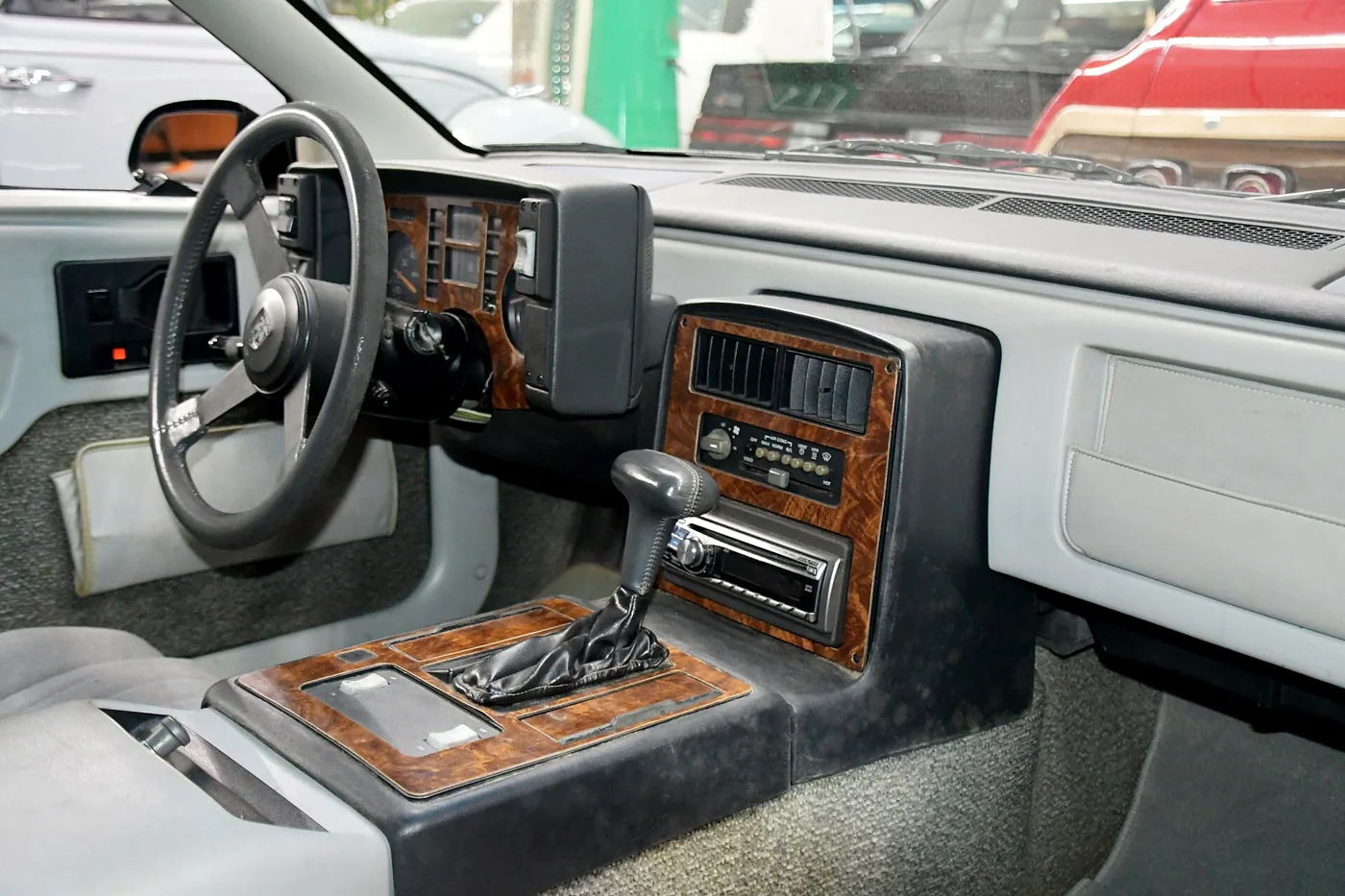
Suspension terminology can blur important distinctions. Changing damping force differs from actively applying force to the body, and neither feature guarantees a comfortable car in every configuration.
 ↗
Technology/3 min read
Turning the rear wheels can alter low-speed maneuverability and higher-speed response. The useful result depends on coordination, clearances and the way the system is calibrated.
 ↗
Technology/3 min read
Electronic brake requests can support flexible packaging and precise coordination. The important questions are predictable pedal response, fault handling and how the complete system is validated.
 ↗
Technology/3 min read
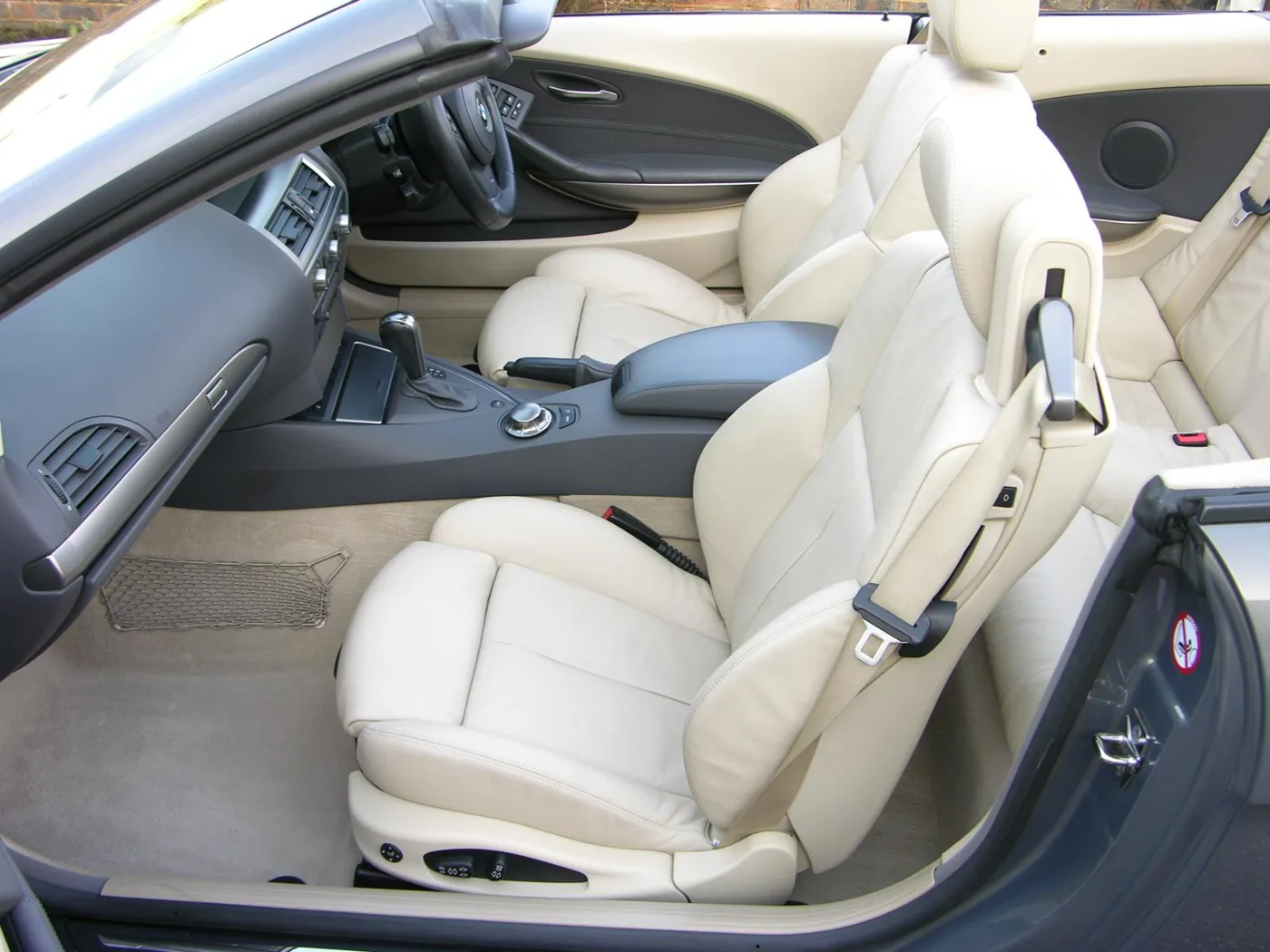
Removing the conventional mechanical link can change packaging and steering ratio. It also places greater importance on useful feedback, dependable architecture and behavior that drivers can predict.
 ↗
Technology/3 min read
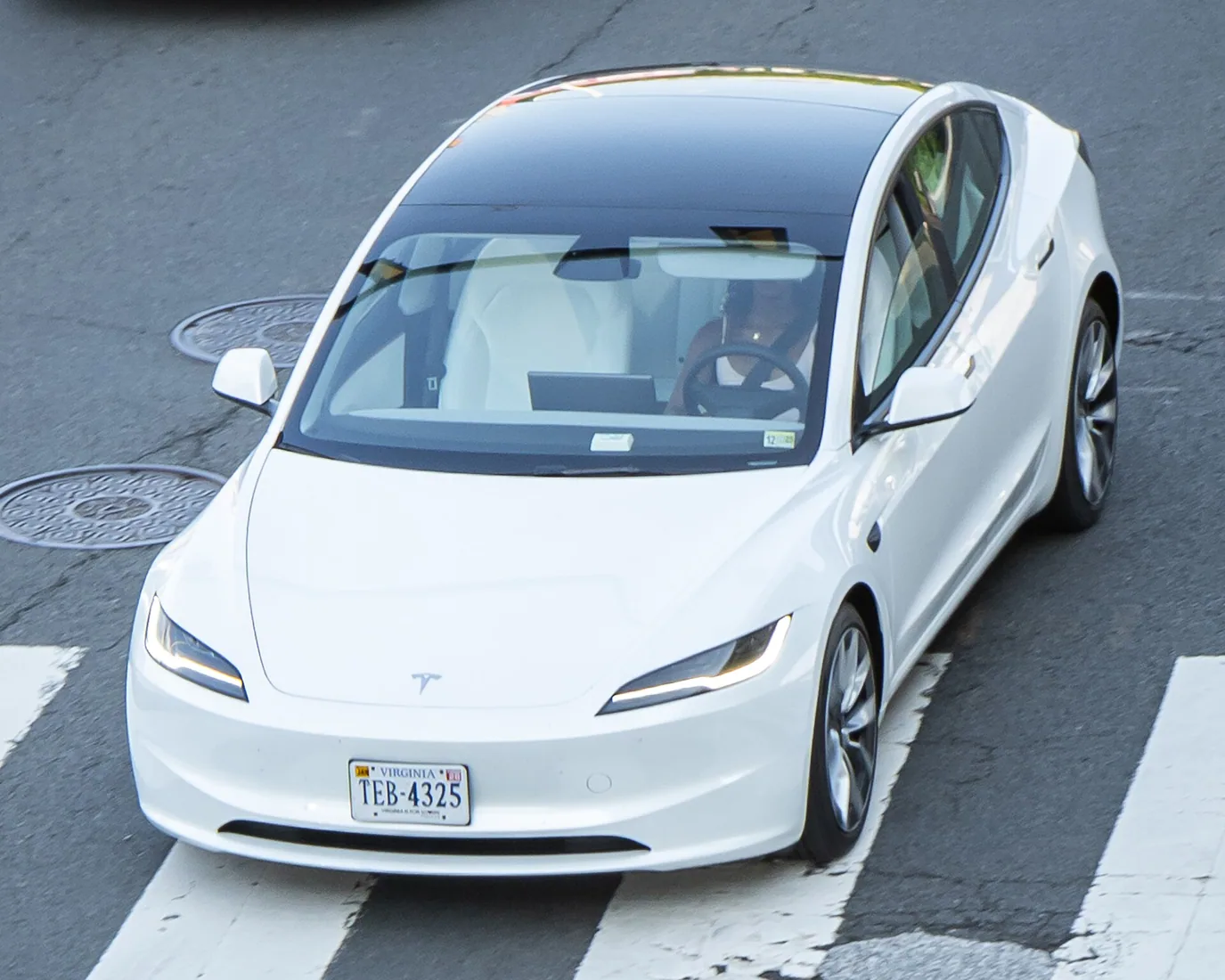
Vehicle sensors collect information with different strengths and limits. The quality of driver assistance depends on interpretation, validation and communication as much as the sensor list.
 ↗
Technology/3 min read
LED, projector and adaptive labels describe technology, but useful illumination depends on beam distribution and control. Evaluate visibility and glare for the exact equipment fitted to the vehicle.
 ↗
Technology/3 min read
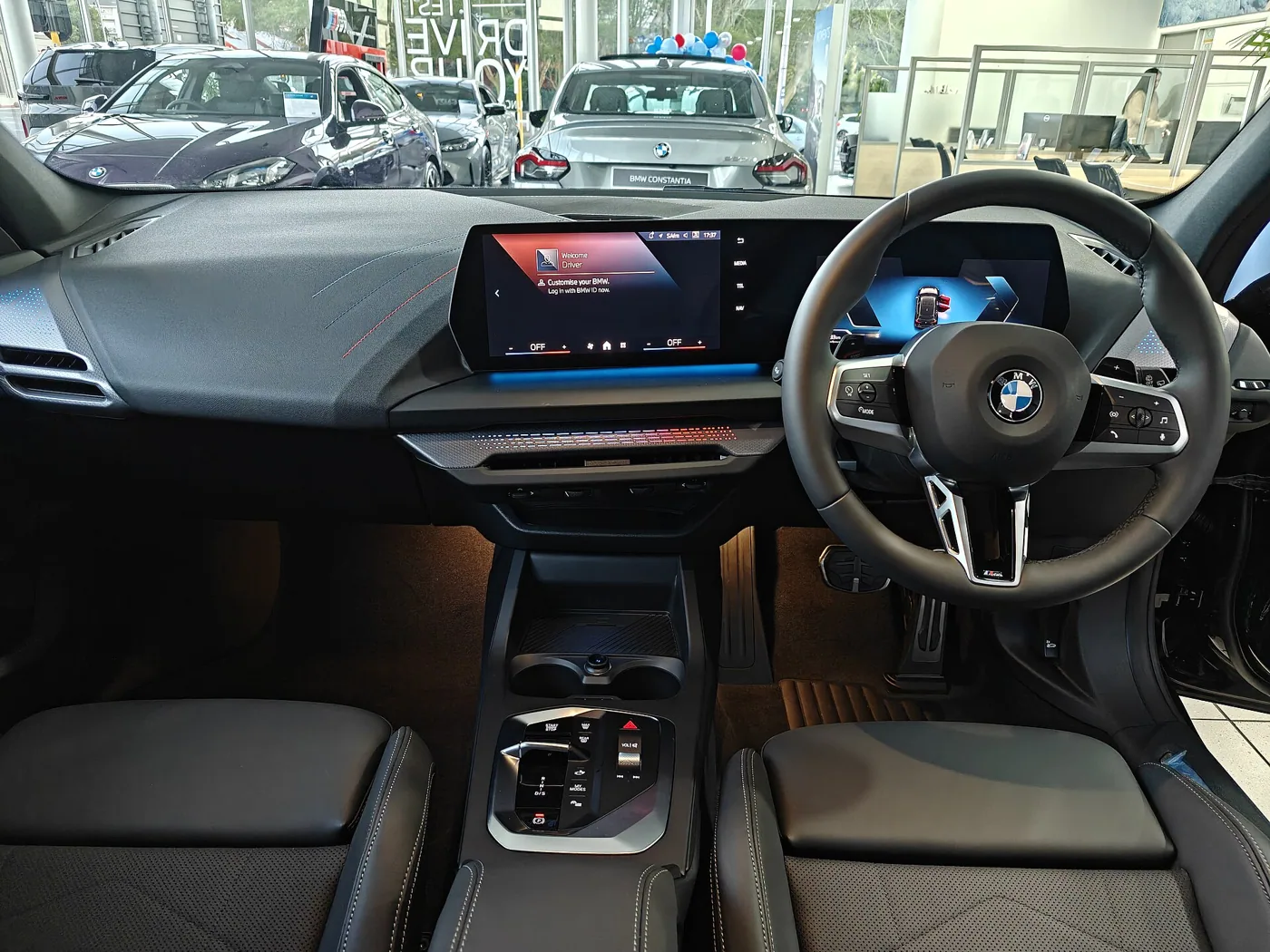
Wireless updates can fix faults and change functions after purchase. Their value depends on testing, clear release information, support and the hardware limits of the vehicle.
 ↗
Technology/3 min read
Rolling resistance, wet grip, wear and noise all matter to a road tire. The best choice comes from balanced evidence for the intended conditions, not a single efficiency claim.
 ↗
Ownership/4 min read
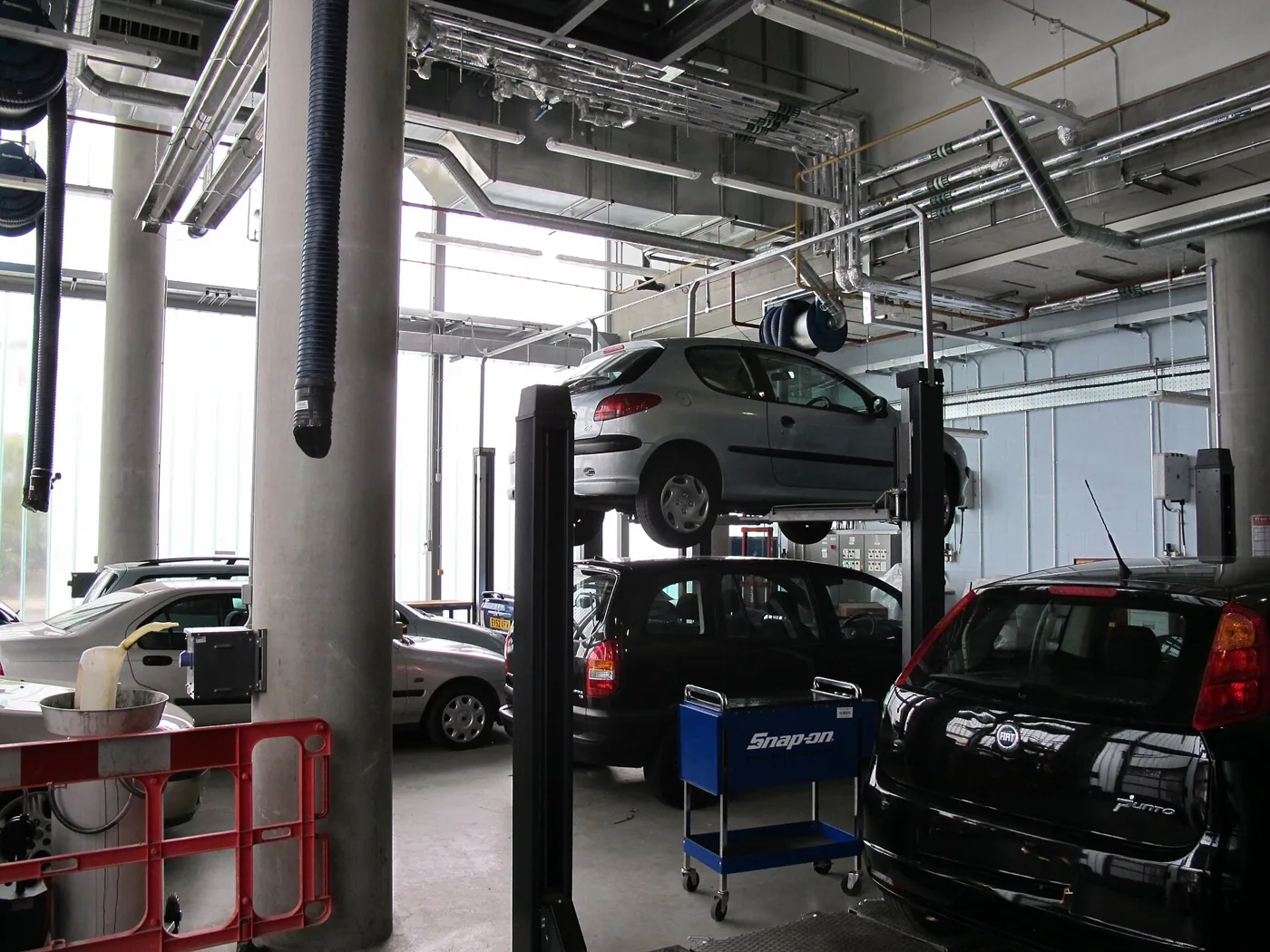
A useful service plan starts with the car you own, the journeys you make, and a record you can actually follow. Here is how to build one that lasts.
 ↗
Ownership/3 min read
The right tire decision is a match between fitment, weather, everyday use, and replacement costs. A performance label alone cannot describe how a tire will fit your life.
 ↗
Ownership/3 min read
An emergency kit is useful, but a winter plan also needs a capable car, realistic journeys, and clear decisions about when staying home is the better option.
 ↗
Ownership/3 min read
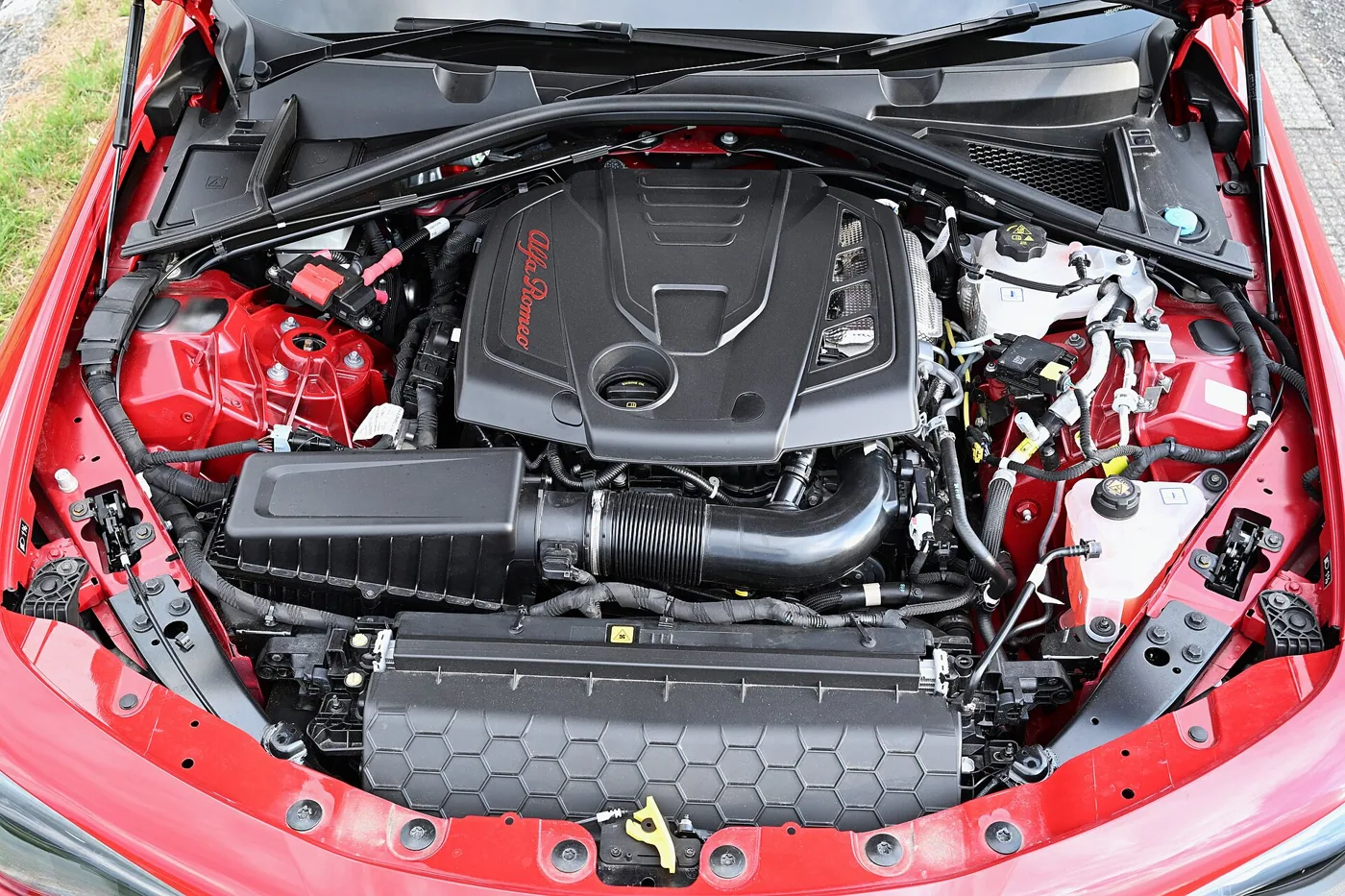
Heat changes the demands on the car and its occupants. A sensible summer routine focuses on preparation, comfort, and noticing changes before a holiday turns into a workshop visit.
 ↗
Ownership/3 min read
A folder full of receipts becomes valuable when it explains what happened, when it happened, and what remains unresolved. Organize the history for the next decision, not merely for resale.
 ↗
Ownership/3 min read
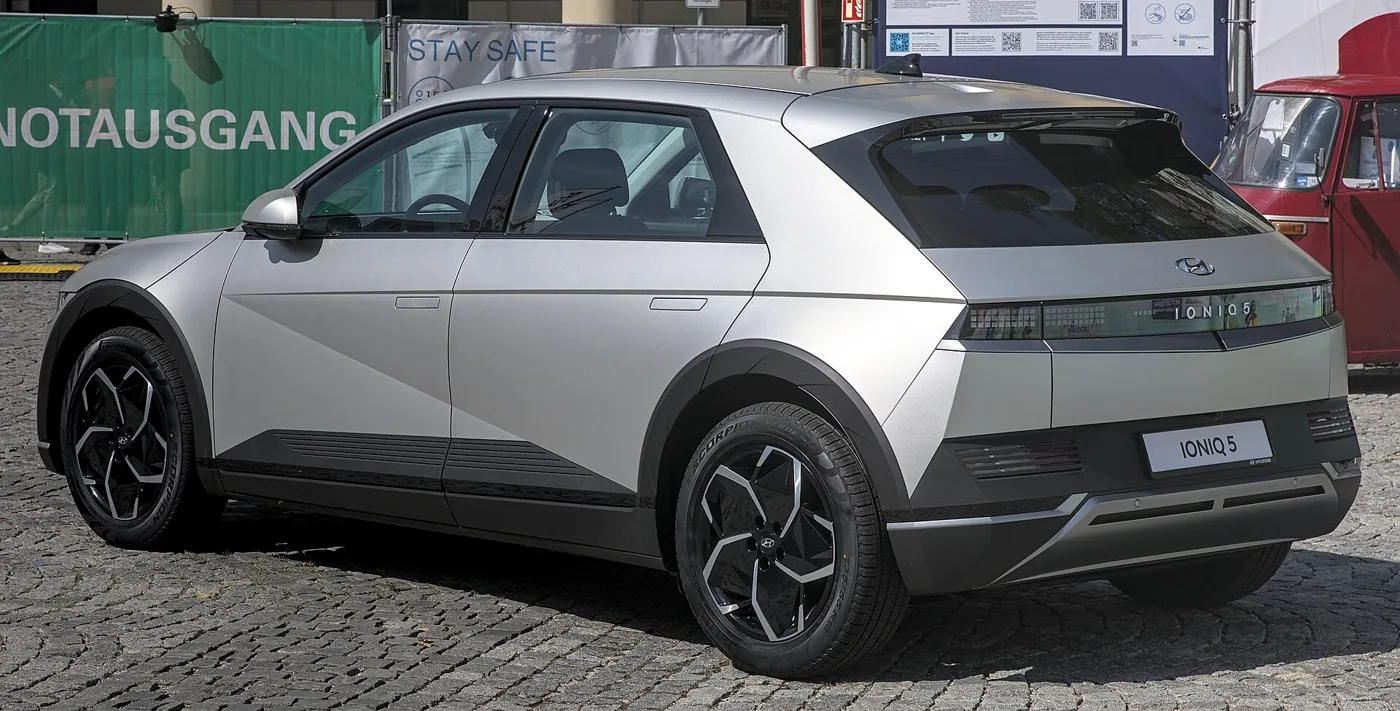
Fewer engine-related service tasks can simplify electric-car ownership. Tires, brakes, fluids, software, and model-specific inspections still deserve a deliberate plan based on the manufacturer's instructions and actual use.
 ↗
Ownership/3 min read
Electric range becomes easier to understand when you compare similar journeys and leave room for uncertainty. Build a personal reference without turning every drive into a battery experiment.
 ↗
Ownership/3 min read
A lower insurance price can describe a different product. Use a consistent comparison sheet to understand coverage, excesses or deductibles, exclusions, and the details that matter when making a claim.
 ↗
Ownership/3 min read
Choosing a repair shop is easier when the car still runs normally. Look for relevant experience, clear communication, and a process that explains what happens before work begins.
 ↗
Ownership/3 min read
The handover is only the start. Use the first week to establish a reliable baseline, organize documents, learn the controls, and turn a promising purchase into a car you understand.
 ↗
Ownership/3 min read
Checking a recall is an ongoing ownership task. Confirm the vehicle identity, read the specific instructions, arrange the remedy, and retain evidence that the relevant work was completed.
 ↗
Ownership/3 min read
Routine cleaning can reveal damage, improve visibility, and make the cabin more pleasant. Build a modest process around the vehicle's materials and instructions instead of an endless collection of products.
 ↗
Ownership/3 min read
An extended break changes the needs of a vehicle. Prepare the storage location, follow model-specific guidance, and make the return to driving part of the plan from the beginning.
 ↗
Ownership/3 min read
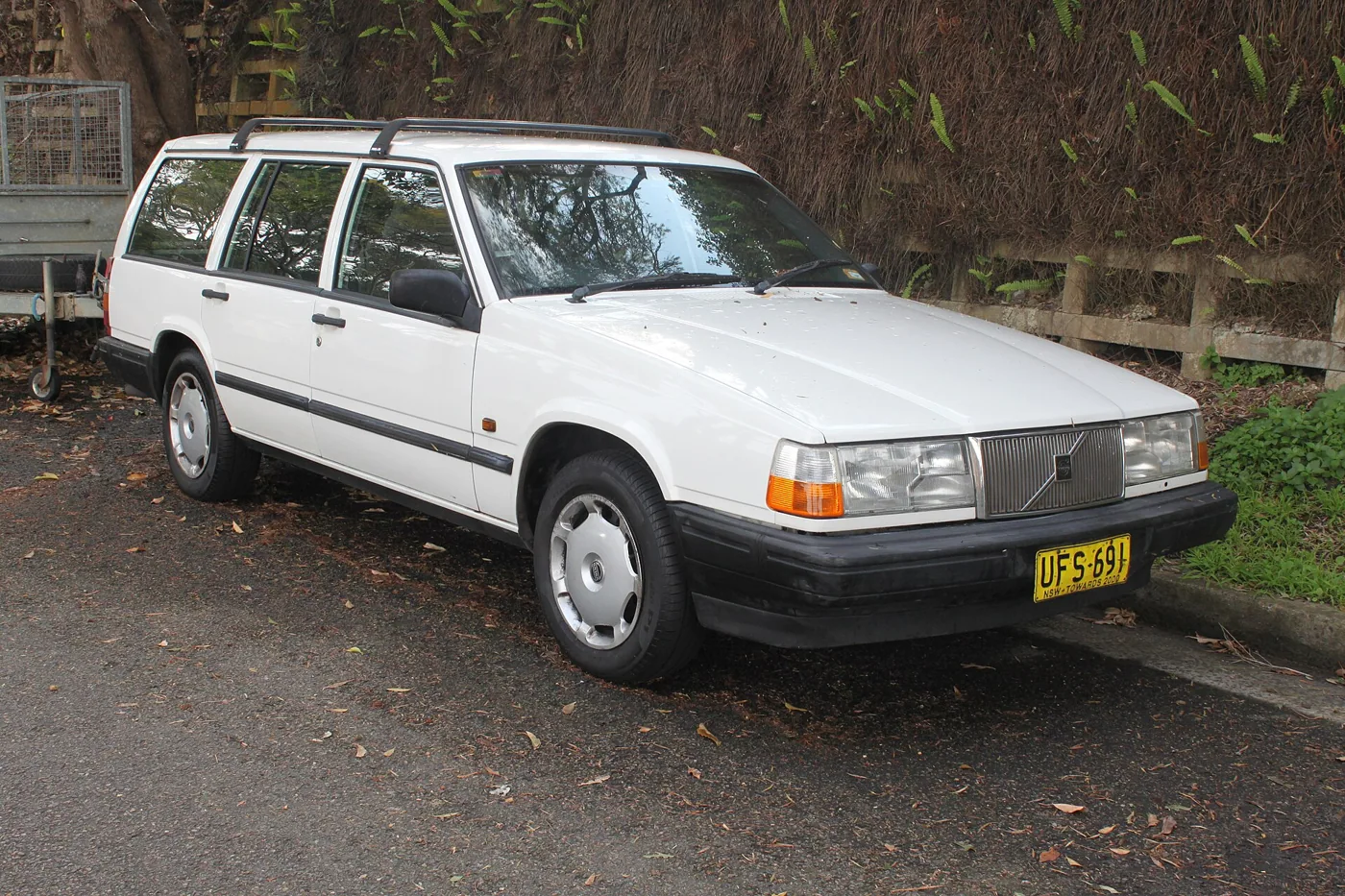
Good packing balances capacity, access, security, and passenger comfort. Start with the journey's sequence rather than trying to fill every available gap in the luggage compartment.
 ↗
Ownership/3 min read
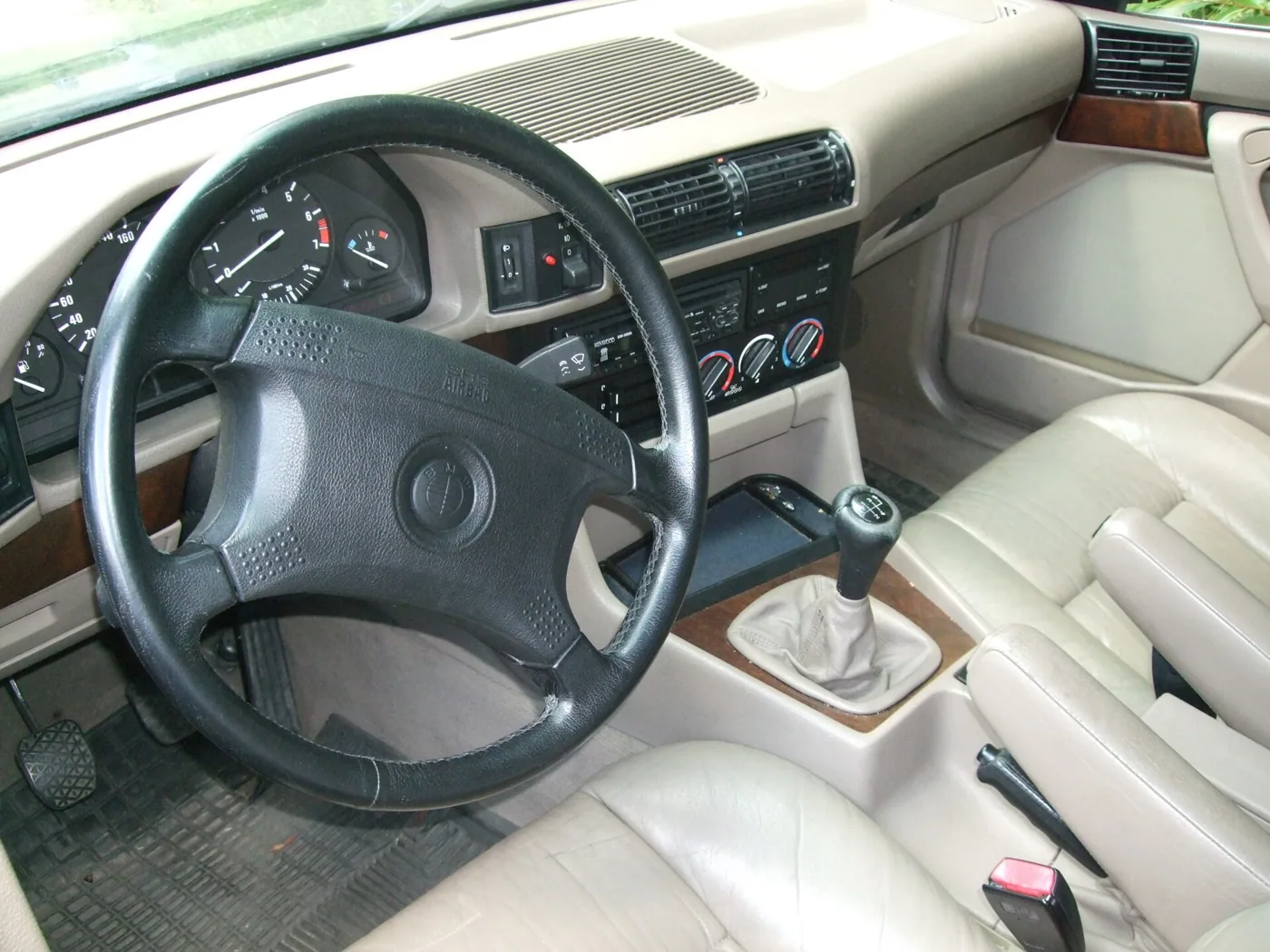
Before leaving a rental lot or borrowing a friend's car, learn the controls that matter. A short pause can prevent an unfamiliar dashboard from competing with an unfamiliar road.
 ↗
Ownership/3 min read
Dashboard alerts need a response grounded in the manual and the situation. Record what happened, follow the stated instructions, and give the workshop observations rather than an internet diagnosis.
 ↗
Ownership/3 min read
Security products can support a sensible routine, but ordinary habits still matter. Think about keys, parking, personal information, and what happens if the vehicle or its contents go missing.
 ↗
Ownership/3 min read
Energy spending is visible, but it is only one part of living with a car. Build a personal cost record that includes recurring bills, irregular maintenance, and the time ownership consumes.
 ↗
Culture/4 min read
The best road trip is not always the fastest route between two places. It is a deliberate choice about attention, companionship, and leaving enough time for a landscape to become a place.
 ↗
Culture/3 min read
A long roof can carry luggage, family memories, and a surprisingly strong design identity. The wagon's appeal begins where practical space and a considered silhouette meet.
 ↗
Culture/3 min read
The grand-tourer idea is larger than a badge or a powerful engine. It asks whether a car can make a long journey feel composed, comfortable, and worth extending.
 ↗
Culture/3 min read
A low mass figure is only one measurement, but the pursuit of lightness raises useful questions about efficiency, complexity, and how much car is needed for an enjoyable journey.
 ↗
Culture/3 min read
The argument over buttons and touchscreens becomes more useful when it focuses on tasks. Good cabin design makes essential actions clear, predictable, and easy to learn before the car moves.
 ↗
Culture/3 min read
Preservation, restoration, and regular use can serve different purposes. The most satisfying approach begins by deciding what story the car should retain and what responsibilities ownership will bring.
 ↗
Culture/3 min read
A museum visit becomes richer when you look beyond famous badges. Follow a question through the collection and notice the ordinary details that connect cars with the people who made and used them.
 ↗
Culture/3 min read
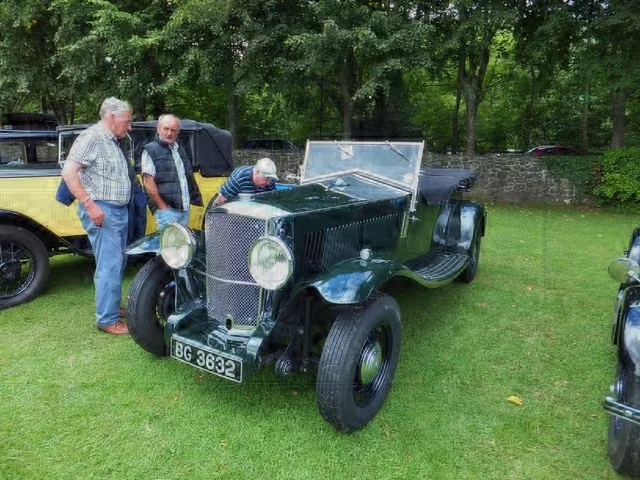
The cars bring people together, but the atmosphere determines whether they return. Welcoming conversation, considerate behavior, and thoughtful organization make an event more valuable than its most expensive vehicle.
 ↗
Culture/3 min read
Filling stations, motels, diners, and bridges tell a story about how people moved. Learning to notice roadside architecture adds another layer to the pleasures of a carefully planned journey.
 ↗
Culture/3 min read
Paint changes how a shape meets light, how details stand out, and how a car feels in its surroundings. Choosing a color is a small but meaningful act of design judgment.
 ↗
Culture/3 min read
Wheels occupy a small part of a car's surface but a large part of its visual identity. Understand their design role while keeping fitment, tire choice, and everyday use in view.
 ↗
Culture/3 min read
An open roof changes the relationship between car and surroundings. Its appeal depends less on an idealized sunny photograph than on the places, seasons, and journeys that shape actual ownership.
 ↗
Culture/3 min read
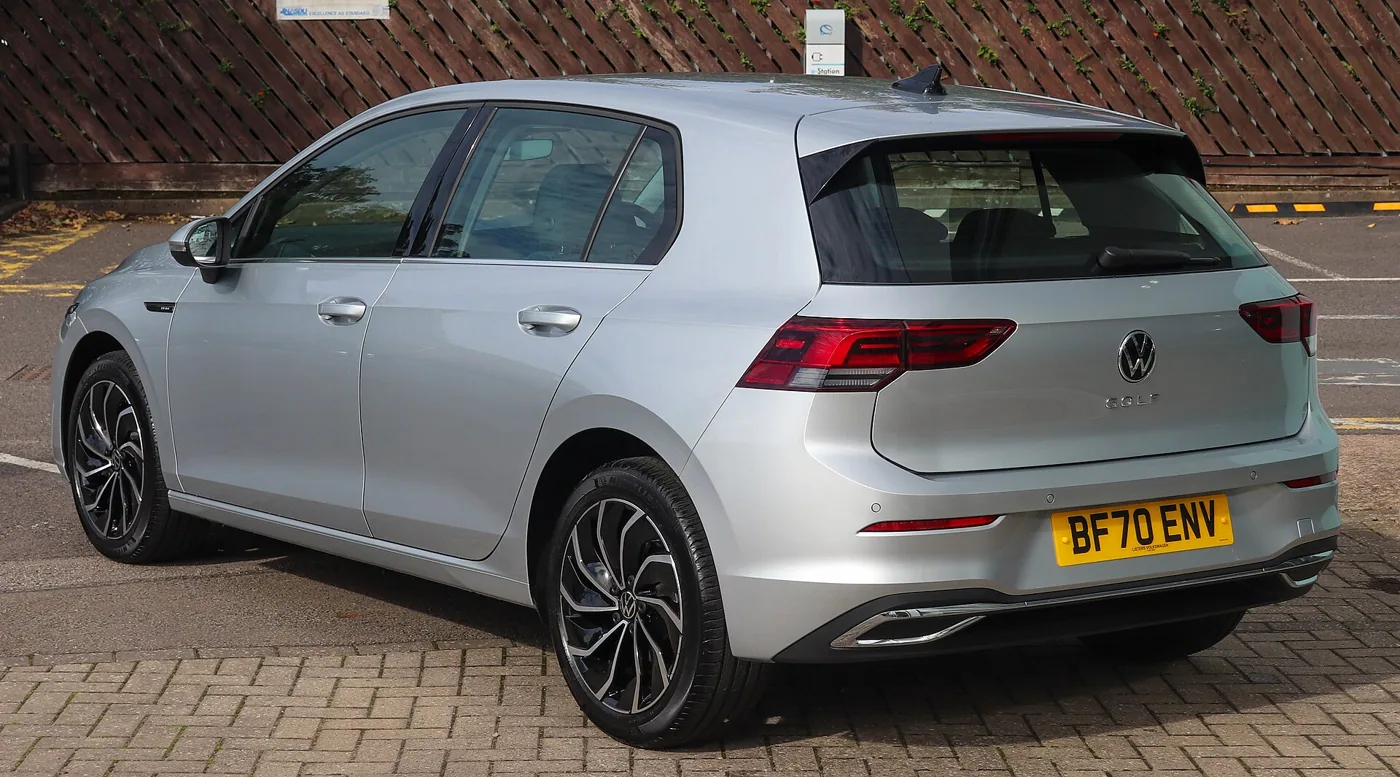
The performance hatchback's enduring idea is integration: everyday usefulness and driver interest in the same familiar shape. Its success depends on how well the whole package fits ordinary life.
 ↗
Culture/3 min read
Automotive sound can communicate character, effort, and mechanical rhythm. Enjoying it thoughtfully also means considering passengers, neighbors, and the difference between a private preference and a shared environment.
 ↗
Culture/3 min read
Driver enthusiasm is only one ingredient in a successful journey. Plan around the people sharing the cabin, and the road trip becomes a shared experience rather than an endurance exercise.
 ↗
Culture/3 min read
The vehicles that carried people through everyday life can reveal as much about an era as its celebrated icons. Looking closely at the familiar broadens what automotive culture chooses to remember.
 ↗
Culture/3 min read
Knowledge, friendship, and shared projects can make a car club valuable. Clear information and a generous welcome determine whether those benefits remain available to newcomers as well as familiar members.
 ↗
Culture/3 min read
A physical model makes proportions, surfaces, and light visible at human scale. Looking at automotive design through the making process reveals why a beautiful rendering is only one stage of an idea.
Your bookmarks stay on this device. No account is needed.