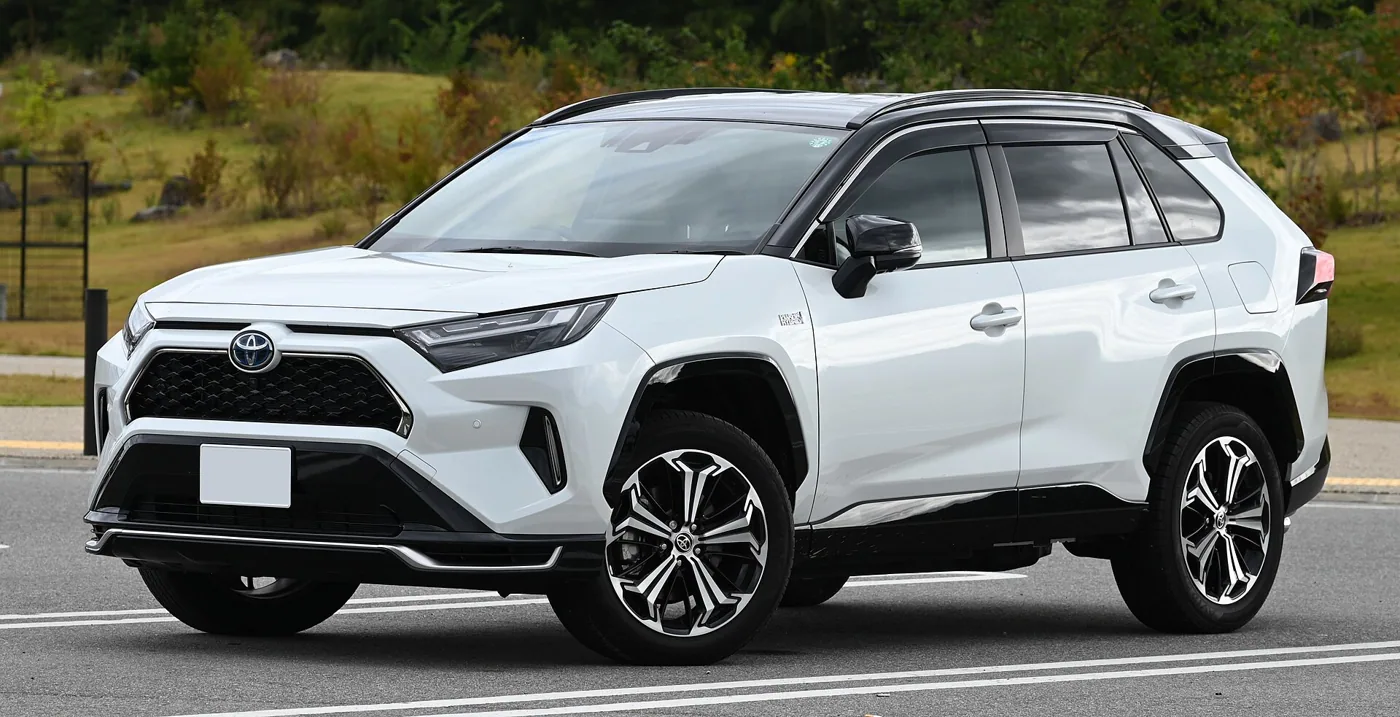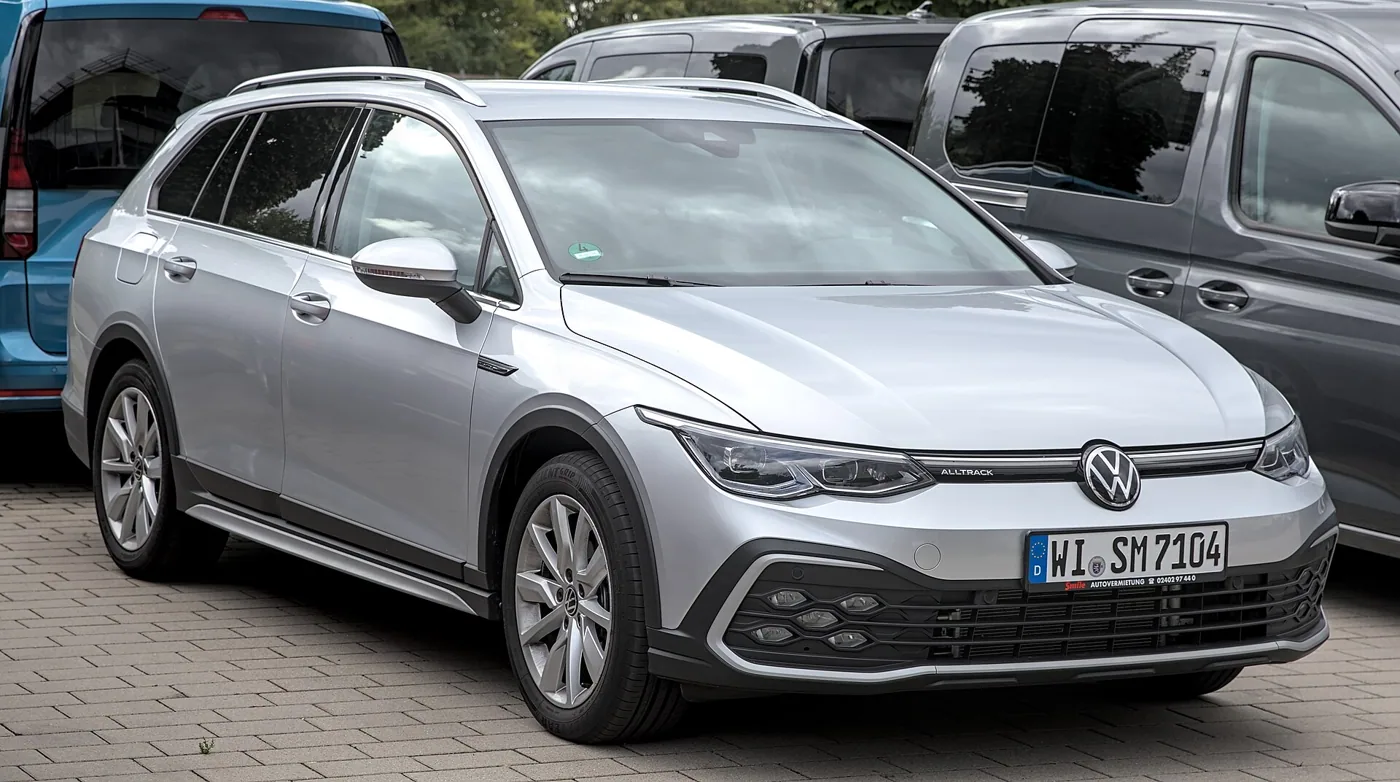
All-wheel drive is easy to picture as an extra layer of reassurance. The more useful question is what difficulty it is meant to solve. Pulling away on a slippery incline, crossing a muddy access road and stopping on an icy street are different tasks. The drivetrain contributes to some of them, while tires and driving conditions remain fundamental.
- Identify the specific traction problem you need to solve.
- Choose appropriate tires and maintain them regardless of drivetrain.
- Compare exact system limits, tire guidance and bundled equipment costs.
Separate going from stopping
An all-wheel-drive system can send propulsion through more than one axle, subject to its design and available grip. That can be useful when a driven axle alone struggles to transmit power. It does not give the vehicle a separate set of physical rules when braking or turning. Every maneuver still depends on the tire-road contact.
Choose suitable tires for the conditions and follow local seasonal requirements. Inspect tread, condition and pressure. NHTSA's tire information provides a useful foundation for maintenance, while a qualified local tire specialist can explain suitable approved options for your climate. A drivetrain badge should not distract from the four contact patches doing the work.
Describe the difficult route
If the challenge is a steep driveway that remains snowy, document that specific situation. If it is a rural road with deep ruts, ground clearance and underbody vulnerability may matter as much as traction. A car that can move forward may still be poorly suited to the obstacles or depth it encounters.
Frequency matters too. Paying for permanent capability can be reasonable when it solves a regular problem. If the difficult journey occurs once a year and can easily be postponed or handled another way, the calculation changes. Consider the cost of the option alongside the inconvenience it genuinely removes.
Compare systems rather than labels
All-wheel-drive layouts differ in how they distribute torque and manage wheel slip. Some are closely integrated with electric motors; others use mechanical couplings and different control strategies. Read the owner's information about operating limits and approved use. A broad category label does not establish off-road capability or suitability for sustained heavy work.
Check the maintenance requirements and tire replacement guidance for the exact system. Some vehicles place particular importance on closely matched tire dimensions and wear. Ask what happens if one tire is damaged and how the manufacturer recommends handling it. This is an ownership detail worth understanding before it becomes an urgent repair decision.
Budget for the whole configuration
Compare purchase price, consumption, insurance and replacement tires for the actual variants. An all-wheel-drive option may be bundled with more power, larger wheels or other equipment, making the total difference larger than the drivetrain alone. Separate the benefits you need from the package that happens to contain them.
If the route evidence supports the choice, all-wheel drive can be valuable. Pair it with appropriate tires, realistic clearance and driving that suits conditions. The strongest winter plan is a coherent combination of equipment and judgment, with each component selected for a clearly understood task.
Sources & further reading
These references provide background for this analysis. Product details, regional rules and market conditions can change; check the original source for its scope and date.
Something needs a closer look? Send a correction.