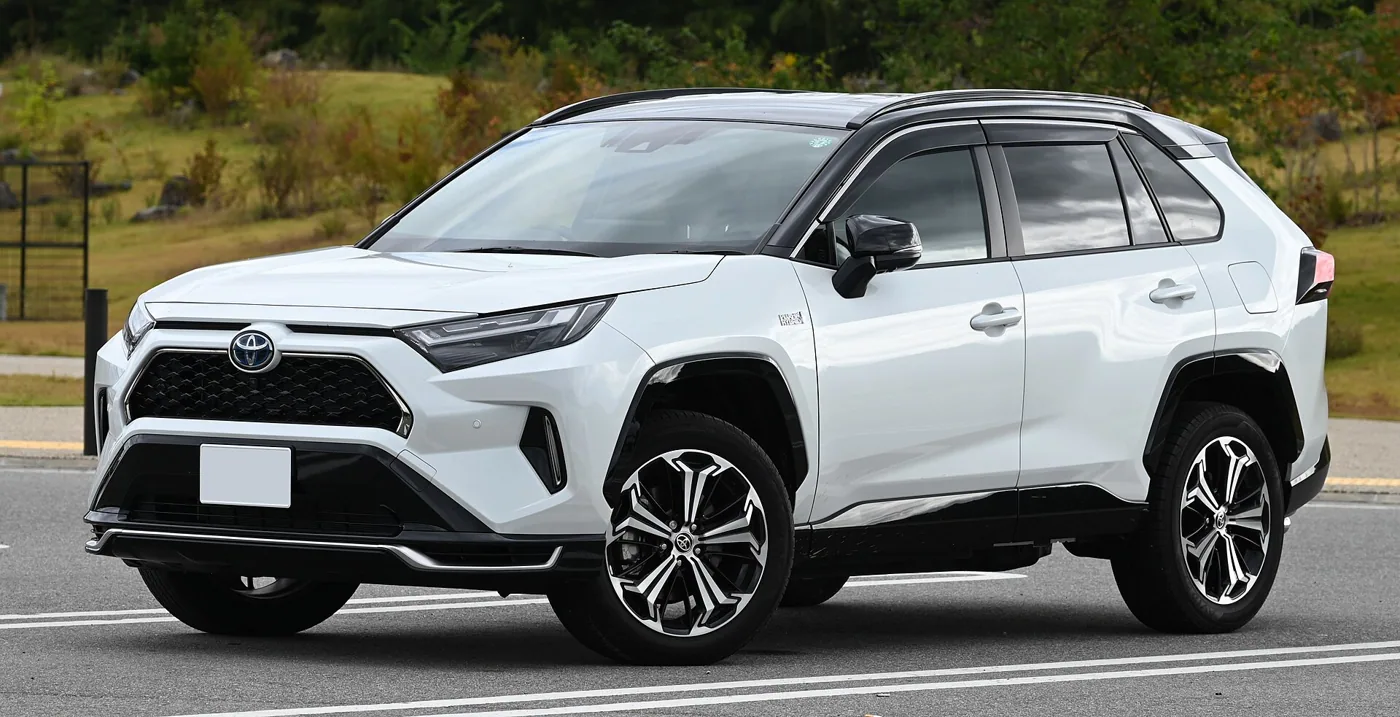
The automotive market sells possibilities: mountain weekends, effortless motorway journeys, silent city mornings and room for a growing family. All are appealing. Yet a car earns its place through repeated, ordinary tasks. Choosing well means describing those tasks precisely before comparing badges. A vehicle that excels at an imaginary lifestyle can be an expensive inconvenience in the real one. The most useful buying document is therefore a record of how you travel, rather than a list of cars you admire.
- Record two weeks of real journeys before building a shortlist.
- Bring regular passengers and awkward cargo to the showroom.
- Compare complete ownership costs using conservative resale assumptions.
Start with a two-week travel diary
Write down where the car goes, who travels in it and what comes along. Record the narrow parking entrance, the shopping bags, the child seat and the occasional bicycle. Separate trips that happen every day from events that happen twice a year. The distinction matters because permanent size, cost and energy consumption are paid on every journey, including the journeys that do not require exceptional capability.
Then identify hard constraints. A vehicle must fit the parking space with room to open its doors. The regular passengers must sit comfortably at the same time. If charging at home is uncertain, treat it as uncertain until installation, access and permission are resolved. Hard constraints eliminate unsuitable cars quickly. Preferences such as color, interior style and acceleration can then help choose among vehicles that already work.
A useful diary also records journeys that you choose not to make by car. Walking, public transport and occasional delivery services can alter the role the vehicle needs to fill. This is not a requirement to change your habits. It is a way to avoid assigning the car responsibilities that another existing arrangement already handles more comfortably or economically.
Buy for a realistic ownership horizon
A purchase that works for eighteen months can fail over six years. Consider plausible changes such as a longer commute, a child moving into a larger restraint or a move away from private parking. Avoid designing the decision around every possible future. Instead, ask which likely changes would force an early replacement and which could be handled with a small adjustment, occasional rental or different travel arrangement.
The ownership horizon also changes the cost comparison. A low monthly payment reveals little about the total amount committed. Include the purchase price, finance charges where applicable, insurance quotes, energy, servicing and an estimated resale value. Use a range for that final figure. Resale values are uncertain, and a plan that only works with an optimistic estimate deserves closer examination before a contract is signed.
Judge space with objects and people
Cargo volume is a useful starting point, but it cannot tell you whether a stroller fits through the opening or a suitcase sits beneath the cover. Bring the awkward item to the showroom when practical. Check the loading lip, floor height and rear seat folding sequence. A rectangular luggage area can be more usable than a larger space interrupted by sloping glass, wheel housings or a steep step.
Passengers need their own evaluation. Set the front seat for the actual driver before testing the rear bench. Check foot space beneath the seat, access through the door and the view out. Older relatives may prefer a particular seat height, while small children impose entirely different access needs. These are personal measurements. A review can flag a compromise, but it cannot decide whether that compromise fits your household.
Make the test drive answer questions
Plan a route that resembles normal use. Include a broken surface, a safe faster section and a parking maneuver. Try essential controls while parked before leaving. During the drive, pay attention to the effort needed to maintain a comfortable speed, the seat after twenty minutes and the noise that masks conversation. Those observations are often more relevant than a brief burst of acceleration on an unfamiliar road.
Check safety evidence separately from comfort impressions. IIHS and NHTSA offer structured assessments, but ratings should be matched to the model year and equipment actually being purchased. A relaxed test drive cannot reveal crash protection. Equally, a strong crash rating cannot tell you whether a thick pillar blocks your preferred view at a particular junction. Evidence from standardized tests and evidence from personal fit answer different questions.
Choose a compromise you can explain
The final shortlist should contain vehicles with clear strengths and acknowledged drawbacks. Try completing a sentence for each: this car makes our regular journeys easier because of a specific benefit, and we accept a specific limitation in return. If the explanation depends mainly on a rare trip, a promotional deadline or what strangers might think, revisit the travel diary before committing to years of ownership.
Leave space in the budget for the unglamorous parts of motoring. Suitable tires, maintenance and an insurance policy you understand matter after the showroom excitement fades. The best choice is rarely perfect in every category. It is the one whose compromises remain manageable when the weather is poor, the car is full and the journey is routine. That is a demanding standard, and a much more useful one than winning a specification contest.
Sources & further reading
These references provide background for this analysis. Product details, regional rules and market conditions can change; check the original source for its scope and date.
Something needs a closer look? Send a correction.