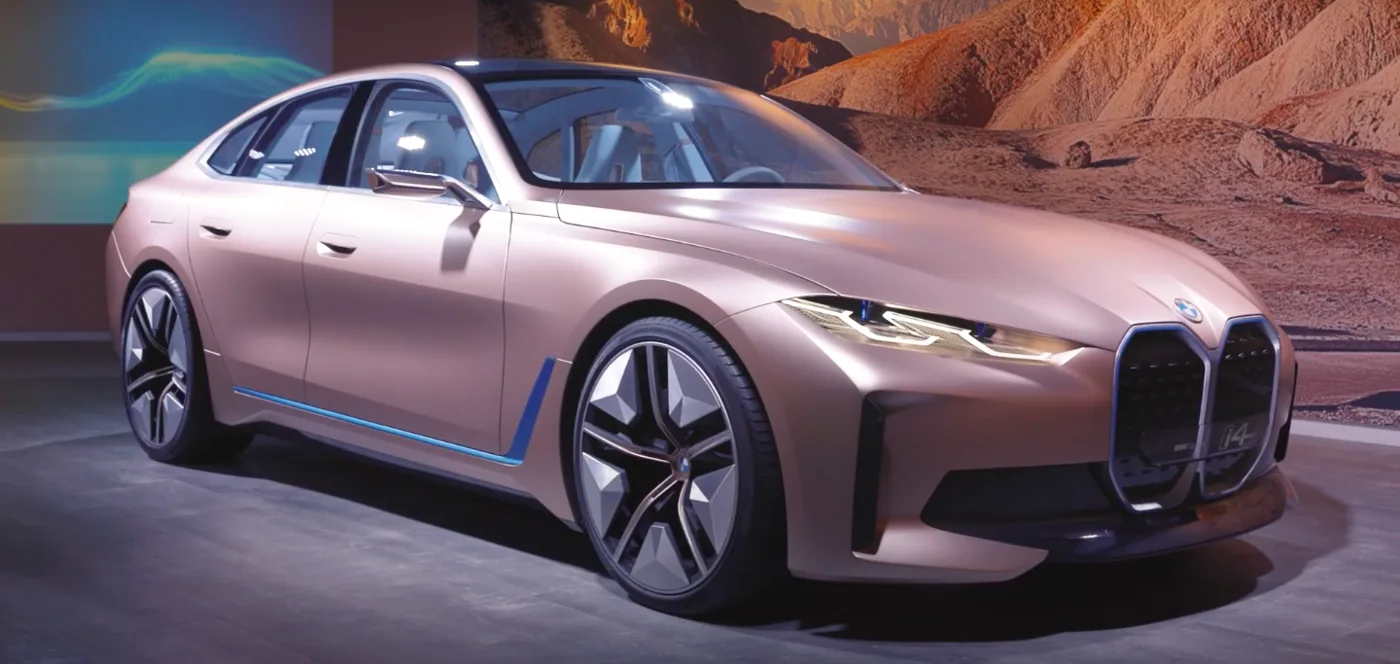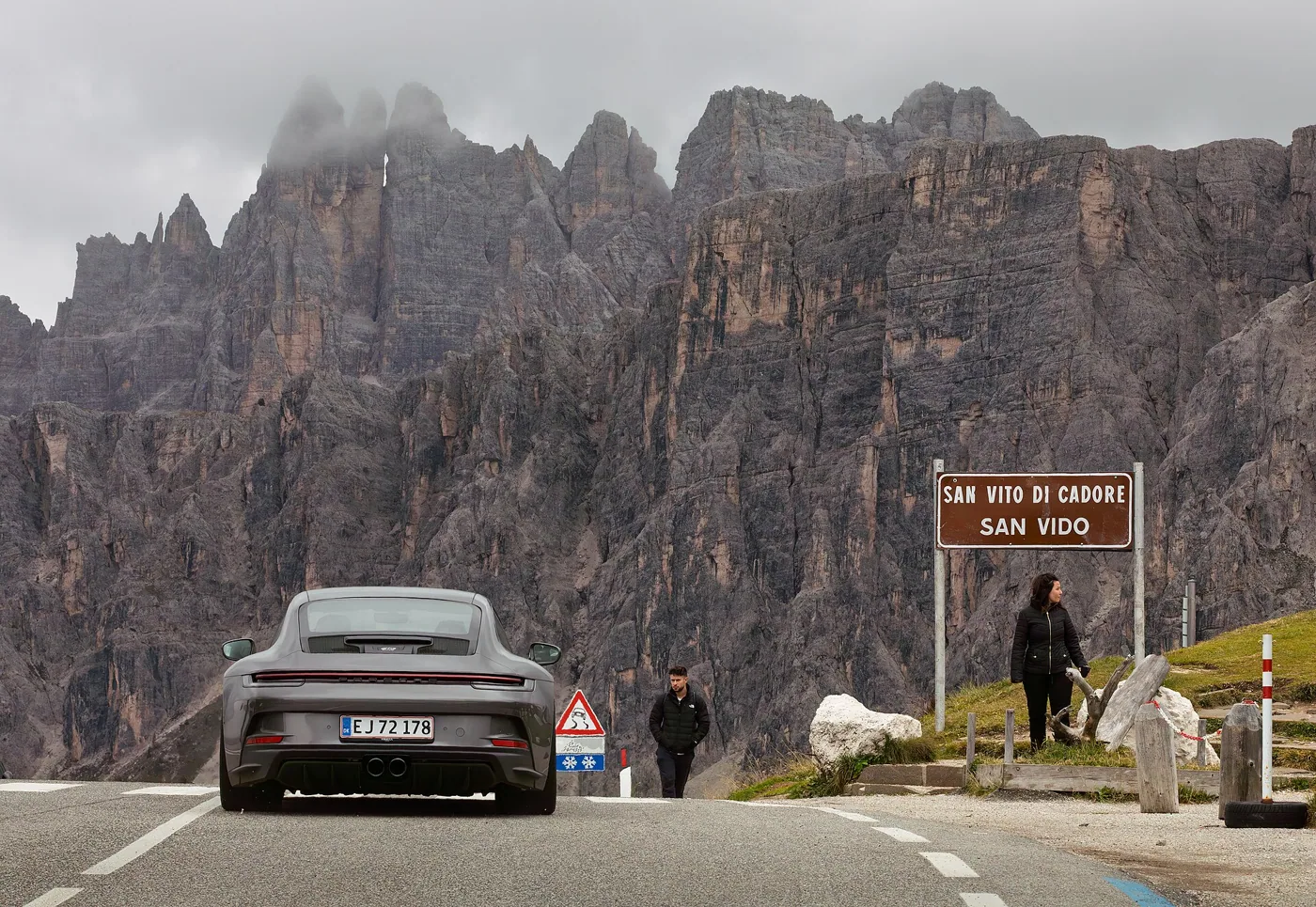
Why the long way round still matters.
The best road trip is not always the fastest route between two places. It is a deliberate choice about attention, companionship, and leaving enough time for a landscape to become a place.
TORQUE JOURNAL
The people, places and design ideas that make motoring more than a way to get somewhere.
18 stories to explore
The best road trip is not always the fastest route between two places. It is a deliberate choice about attention, companionship, and leaving enough time for a landscape to become a place.
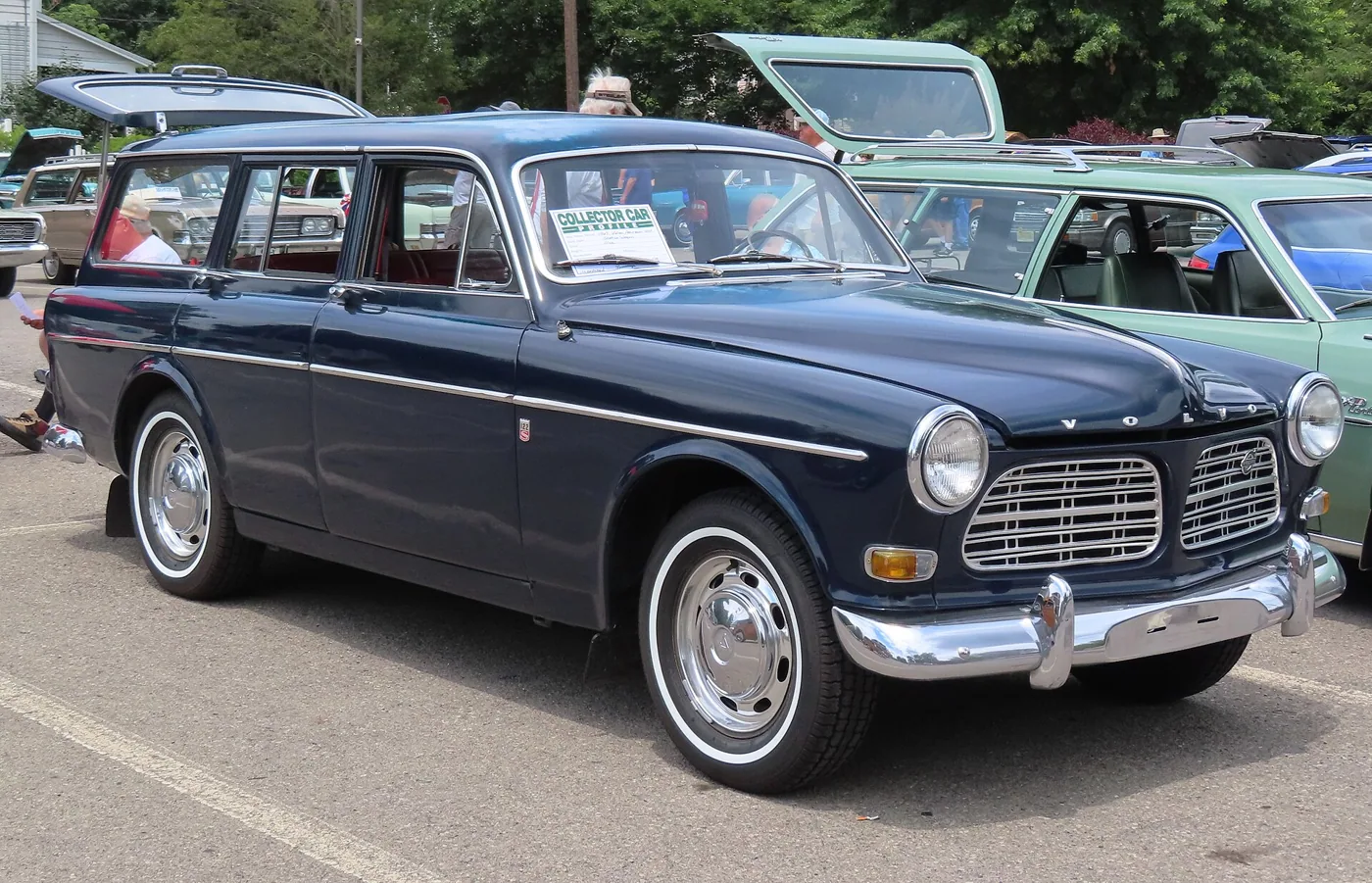
A long roof can carry luggage, family memories, and a surprisingly strong design identity. The wagon's appeal begins where practical space and a considered silhouette meet.
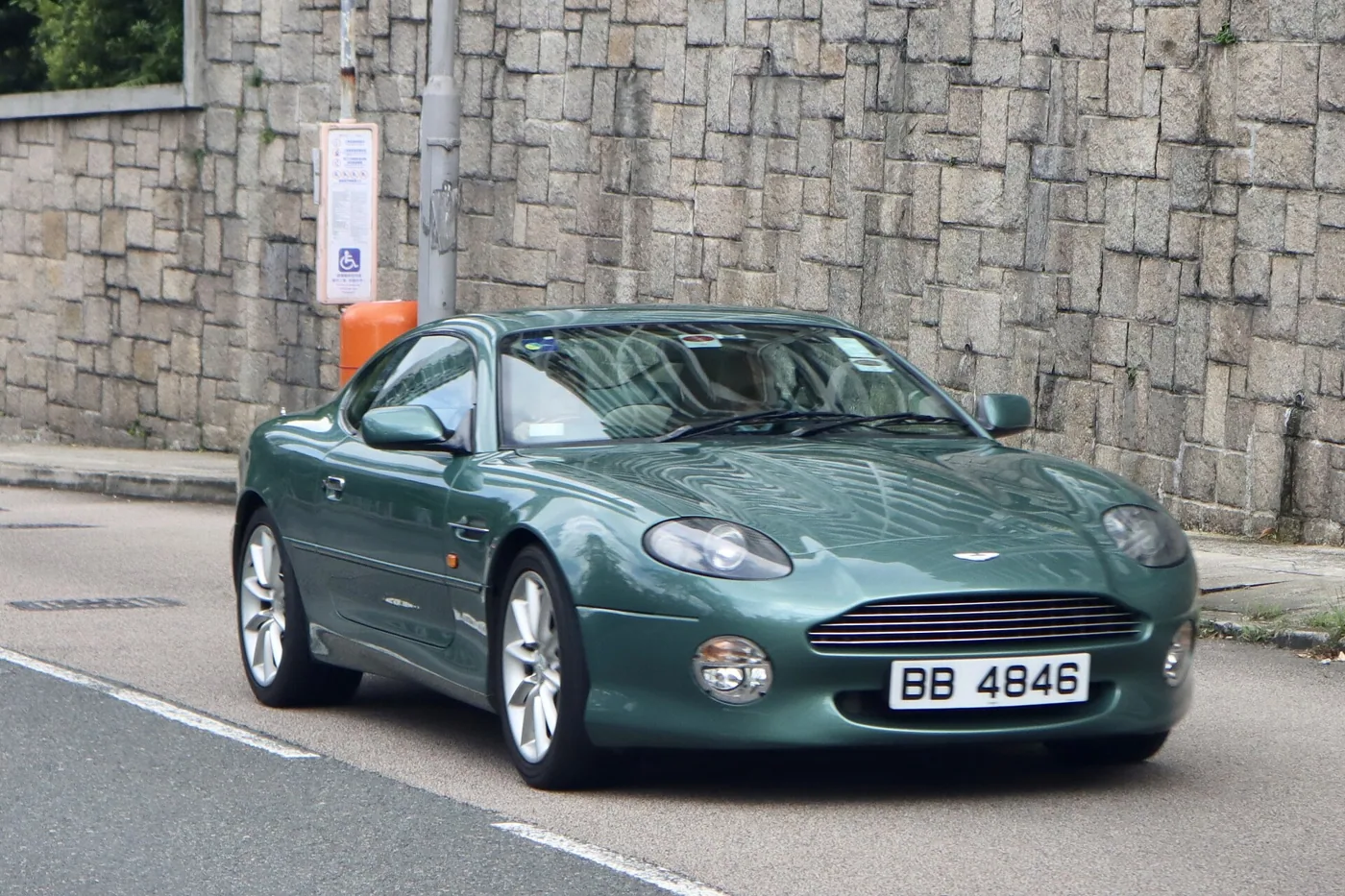
The grand-tourer idea is larger than a badge or a powerful engine. It asks whether a car can make a long journey feel composed, comfortable, and worth extending.
A low mass figure is only one measurement, but the pursuit of lightness raises useful questions about efficiency, complexity, and how much car is needed for an enjoyable journey.
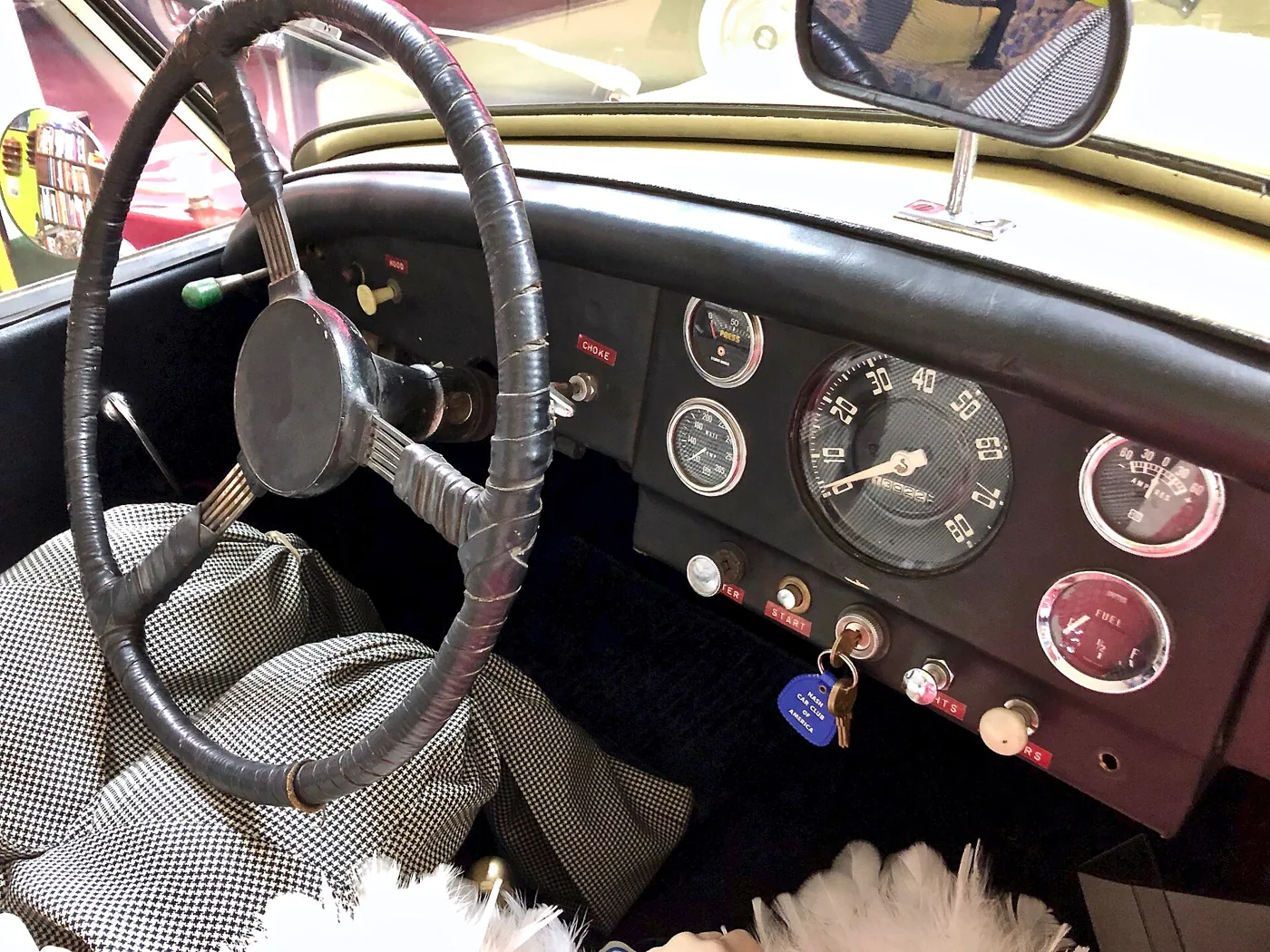
The argument over buttons and touchscreens becomes more useful when it focuses on tasks. Good cabin design makes essential actions clear, predictable, and easy to learn before the car moves.
Preservation, restoration, and regular use can serve different purposes. The most satisfying approach begins by deciding what story the car should retain and what responsibilities ownership will bring.
A museum visit becomes richer when you look beyond famous badges. Follow a question through the collection and notice the ordinary details that connect cars with the people who made and used them.
The cars bring people together, but the atmosphere determines whether they return. Welcoming conversation, considerate behavior, and thoughtful organization make an event more valuable than its most expensive vehicle.
Filling stations, motels, diners, and bridges tell a story about how people moved. Learning to notice roadside architecture adds another layer to the pleasures of a carefully planned journey.
Paint changes how a shape meets light, how details stand out, and how a car feels in its surroundings. Choosing a color is a small but meaningful act of design judgment.
Wheels occupy a small part of a car's surface but a large part of its visual identity. Understand their design role while keeping fitment, tire choice, and everyday use in view.
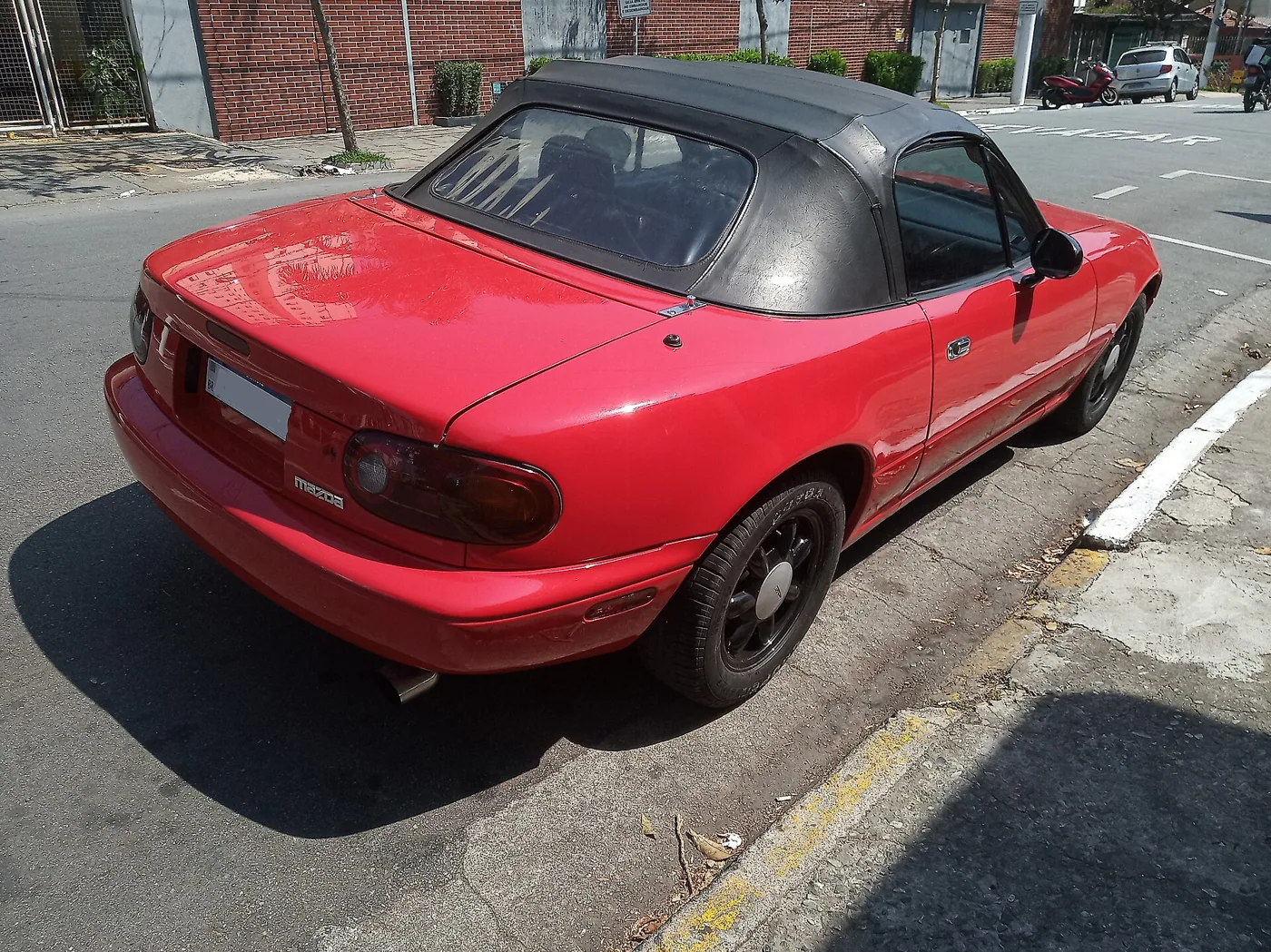
An open roof changes the relationship between car and surroundings. Its appeal depends less on an idealized sunny photograph than on the places, seasons, and journeys that shape actual ownership.
The performance hatchback's enduring idea is integration: everyday usefulness and driver interest in the same familiar shape. Its success depends on how well the whole package fits ordinary life.
Automotive sound can communicate character, effort, and mechanical rhythm. Enjoying it thoughtfully also means considering passengers, neighbors, and the difference between a private preference and a shared environment.
Driver enthusiasm is only one ingredient in a successful journey. Plan around the people sharing the cabin, and the road trip becomes a shared experience rather than an endurance exercise.
The vehicles that carried people through everyday life can reveal as much about an era as its celebrated icons. Looking closely at the familiar broadens what automotive culture chooses to remember.
Knowledge, friendship, and shared projects can make a car club valuable. Clear information and a generous welcome determine whether those benefits remain available to newcomers as well as familiar members.
A physical model makes proportions, surfaces, and light visible at human scale. Looking at automotive design through the making process reveals why a beautiful rendering is only one stage of an idea.
Try a broader subject, a different spelling or clear your filters.
Explore all stories ↗Analysis and explainers, with sources linked in every article.