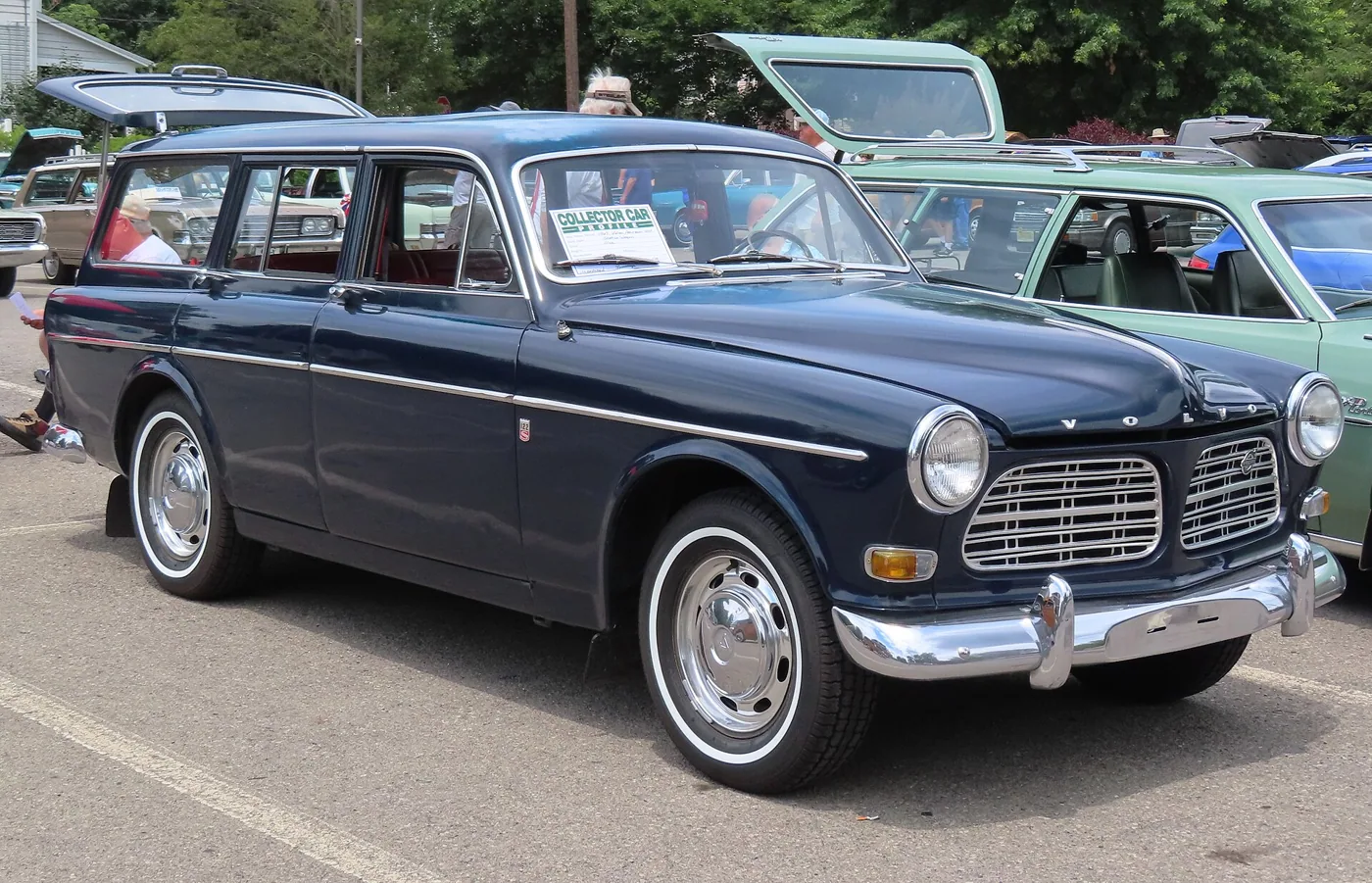
A wagon makes its promise in profile. The roof continues, the cabin stretches, and the luggage area becomes part of the car's overall shape rather than a separate visual compartment. For admirers, that continuity suggests a satisfying combination: a vehicle intended to be used fully, with enough visual discipline to make utility itself feel elegant.
- Inspect openings and floor shape as well as quoted capacity.
- Separate body-style affection from individual vehicle suitability.
- Let real cargo and passenger needs guide the evaluation.
A silhouette with a clear purpose
The attraction is partly legibility. A wagon communicates what it is for without requiring an elaborate explanation. The extended roof and large rear opening suggest people, bags, and ordinary movement. That visible connection between shape and use can feel reassuring in a design culture where body-style labels sometimes become difficult to distinguish.
Volvo's wagon material explicitly connects the format with versatility and design. It is manufacturer positioning, not independent proof that every wagon is the best practical choice. The more interesting editorial point is that the body style allows usefulness to become part of its identity. A large load need not be treated as an interruption to the car's personality.
Practicality lives in details
A long roof alone does not settle whether a car will work for a household. The opening, floor shape, seat-folding process, load height, and passenger space deserve direct inspection. Bring the items that actually matter when evaluating a vehicle. A stroller, instrument case, or mobility aid can reveal more than a generous-looking photograph.
Daily access matters as much as maximum volume. A car that can carry a large object after a complicated rearrangement may be less convenient than one that handles ordinary shopping easily. The wagon invites this kind of practical scrutiny because its appeal rests partly on being ready for life without turning every task into a special operation.
The charm of an unforced image
There is also a cultural pleasure in choosing a car that seems comfortable with ordinary work. A wagon can be associated with family trips, outdoor equipment, or a dog waiting behind the tailgate, yet remain visually composed when empty. Its enthusiasts often appreciate that balance between recognizable purpose and a degree of discretion.
That appeal is subjective. Some drivers prefer a higher seating position, a shorter footprint, or the separate luggage compartment of a sedan. The wagon does not need universal superiority to deserve affection. A mature car culture can value a particular combination of qualities without turning every preference into a contest that other body styles must lose.
Judge the car that exists
When buying, separate affection for the format from the condition and suitability of an individual example. Service access, specifications, tires, insurance, and local availability still matter. A nostalgic mental image cannot compensate for a vehicle that does not fit the parking space or the household's actual use.
The strongest case for a wagon is therefore personal and concrete. It carries what you need, feels comfortable to use, and presents a shape you enjoy seeing each day. Useful elegance is not an abstract design award. It is the small satisfaction of a form that remains appealing while doing the practical work for which you chose it.
Sources & further reading
These references provide background for this analysis. Product details, regional rules and market conditions can change; check the original source for its scope and date.
Something needs a closer look? Send a correction.