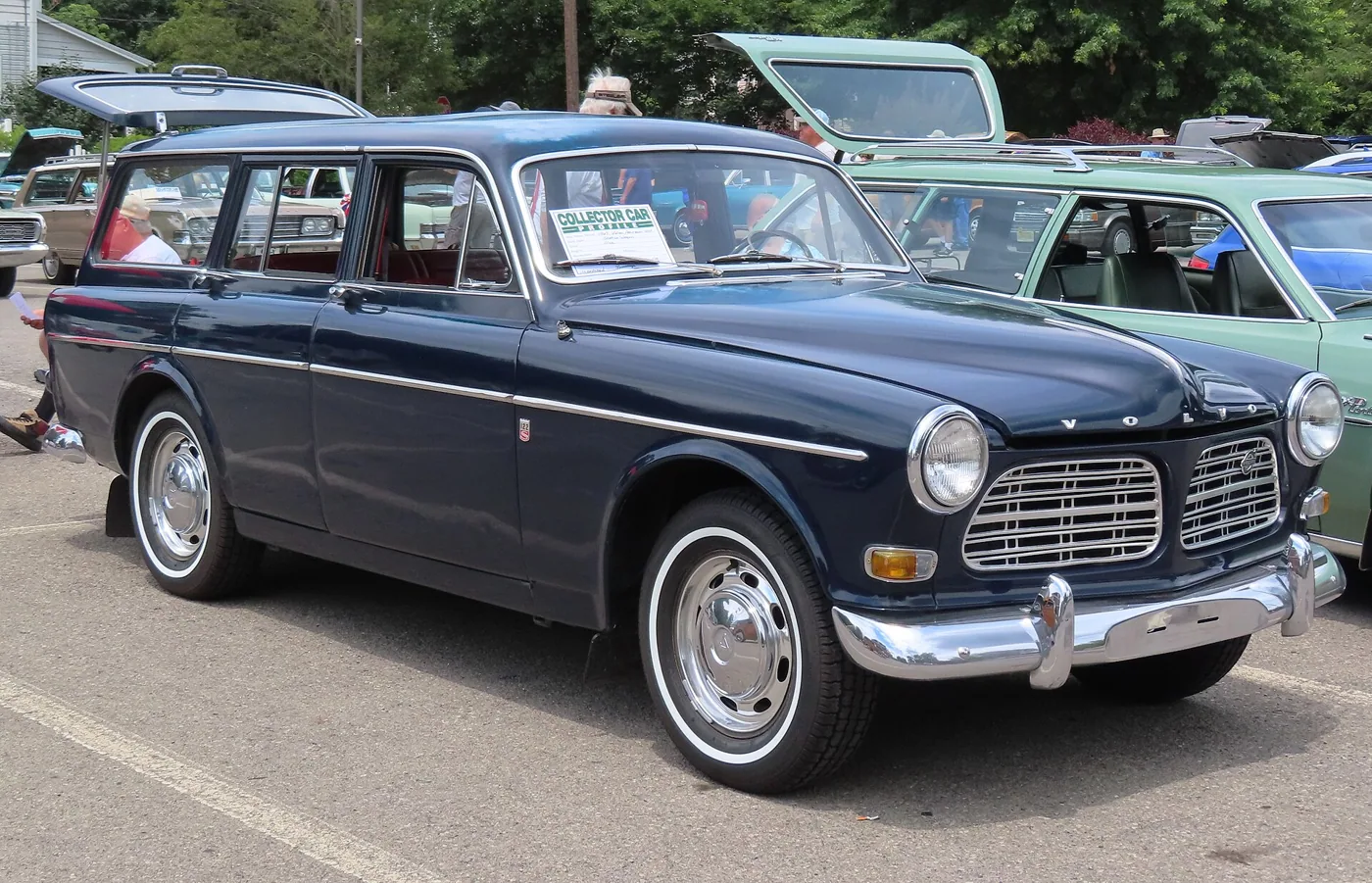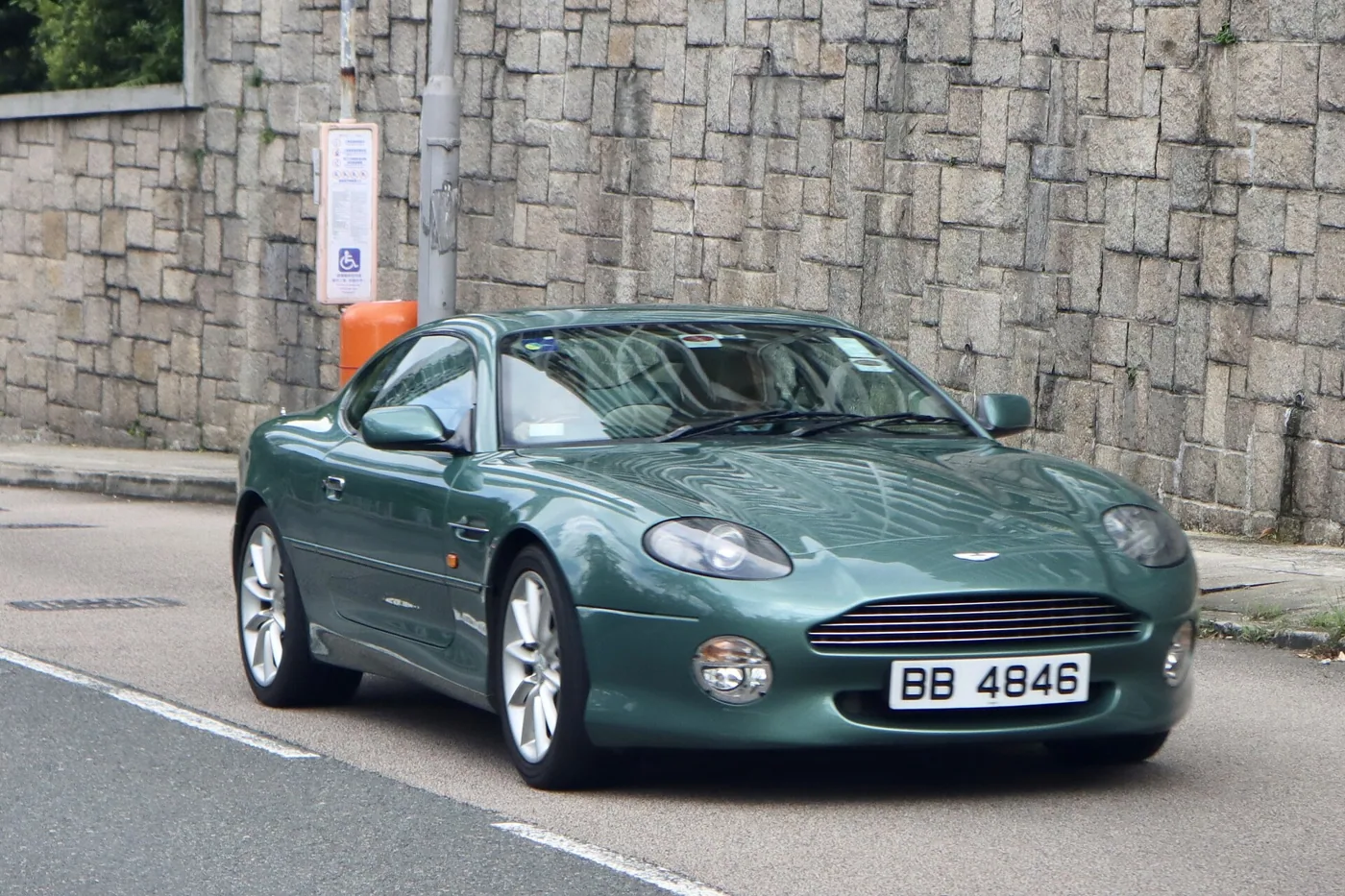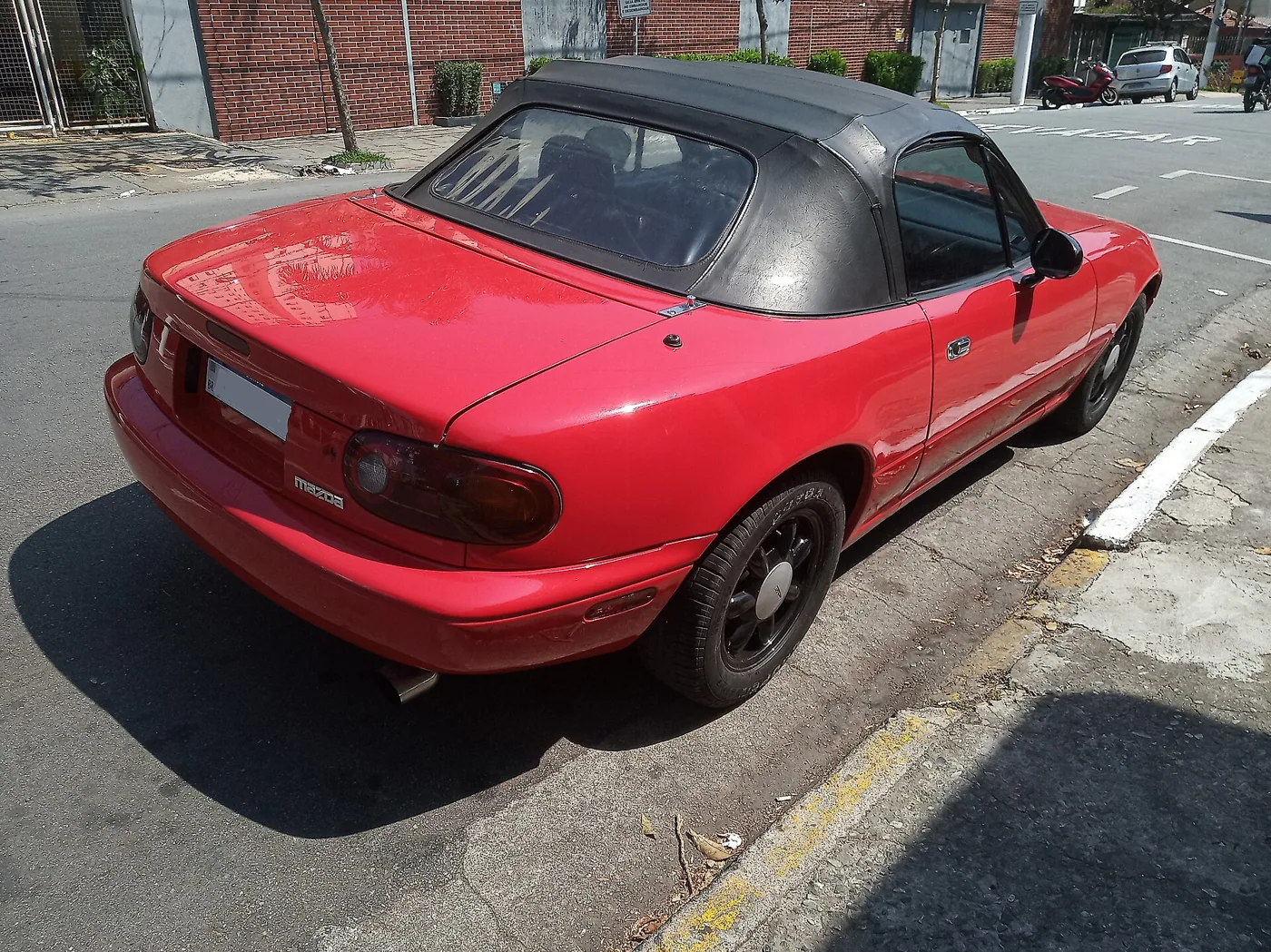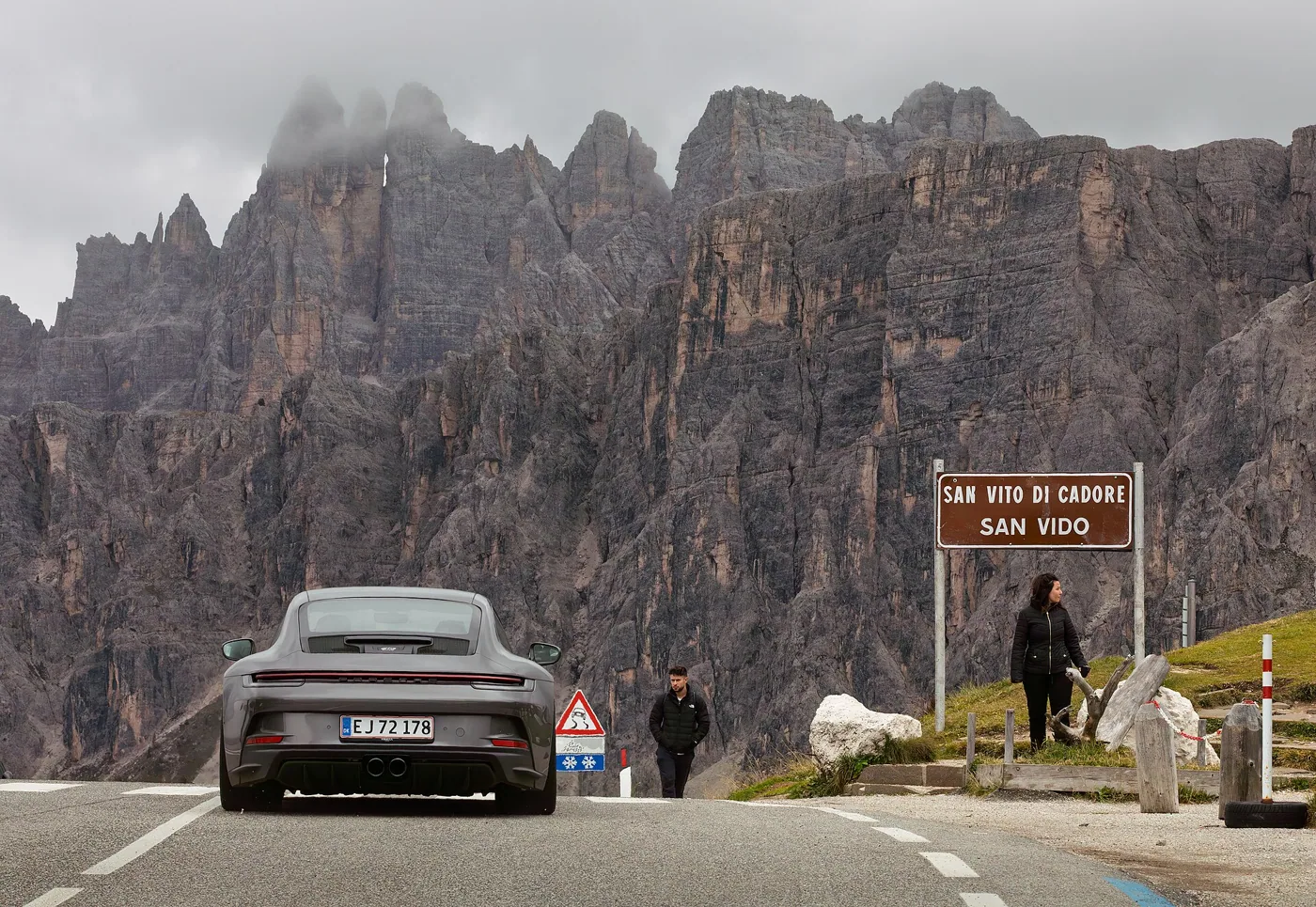
A navigation app is exceptionally good at answering a particular question: how can we get there efficiently? A memorable road trip begins by asking another one. What would make the journey worth remembering? The answer may involve an old bridge, a small museum, an unfamiliar lunch stop, or simply a road that gives the landscape time to change. Choosing the long way round is a decision about attention before it is a decision about distance.
- Plan fewer destinations and leave time between them.
- Choose stops that respect local communities and passengers.
- Keep a direct alternative when fatigue or weather changes.
A route can be more than a line
The fastest route often turns the country into a sequence of exits and remaining minutes. That is useful when arrival is the purpose. When the journey itself has value, a different structure becomes possible: a modest destination, several places worth stopping, and enough flexibility to leave something unexplored. The road becomes a connection between experiences instead of an obstacle to be completed. There is no requirement for a dramatic mountain pass or a famous coastal highway.
The National Park Service's Route 66 material offers one useful example of looking beyond pavement. Its itinerary treats buildings, bridges, and roadside places as parts of a larger cultural story. That approach can be borrowed without copying the itinerary. On almost any route, asking what the road connected, which communities it served, and what travelers once needed can turn an ordinary stop into a more interesting encounter with place.
Slower travel requires better boundaries
Unhurried does not mean unplanned. A route that consumes the entire day on paper leaves little room for curiosity in practice. Set a comfortable distance, identify suitable stopping places, and allow for weather, traffic, and the needs of everyone aboard. Check current local access and road information before departure. The freedom to pause depends on a plan that has not already spent every available minute before the car leaves home.
It also depends on respecting the people who live along the route. A scenic village is a working community, not a backdrop arranged for visiting cars. Park considerately, use designated places for photographs, and keep noise and behavior appropriate. The same restraint makes the trip more enjoyable for passengers. Nobody should have to tolerate discomfort or anxiety so that a driver can preserve an idealized version of the day.
The car should support the conversation
Automotive enthusiasm can make the vehicle the main character, but a good touring car often succeeds by becoming easy company. Seats, visibility, storage, climate controls, and the quality of ordinary communication matter over hours. A modest car that suits its occupants can serve the journey better than a celebrated machine whose demands dominate every stop. This is an editorial judgment about travel, not a ranking of specific models or a claim based on a road test.
Prepare the cabin before moving. Set navigation, choose any audio, secure luggage, and agree on broad expectations. One passenger may want frequent photographs; another may prefer a longer lunch and fewer stops. Discussing those preferences early is more generous than discovering them after fatigue arrives. A shared trip should create room for different interests, with the route serving as a framework for the group rather than a private project imposed by the person holding the wheel.
Leave something unrecorded
Photography can sharpen attention, but it can also turn every arrival into a production task. A useful compromise is to make fewer, more deliberate stops and take photographs only from safe, permitted locations. Let a passenger handle observations while the car is moving, or save them for the next stop. The driver's attention belongs to the road. A missed photograph is a small price for keeping the actual experience intact.
The same principle applies to collecting destinations. A checklist encourages the next stop to become more important than the place you have just reached. Spend enough time to notice ordinary details: the shape of a service station canopy, a local noticeboard, the view from a bench. These do not need to be exceptional to become memorable. Their value often comes from being encountered without the pressure to convert them immediately into evidence of a successful holiday.
Know when the shorter way is better
Romantic ideas about driving should never overrule fatigue or deteriorating conditions. NHTSA's drowsy-driving guidance makes clear that tiredness is a safety issue. Build the route around adequate rest and stop when necessary. If weather changes, a passenger becomes uncomfortable, or the day runs late, taking the direct road home can be the most thoughtful decision. The journey has no moral obligation to remain picturesque from beginning to end.
What remains afterward is rarely a perfect sequence of miles. It may be a conversation that continued through three small towns, a meal chosen without much expectation, or the moment a familiar landscape looked different from another road. The long way round matters because it creates space for those experiences. Its measure is not how far you traveled, how quickly you drove, or how many images you brought back, but whether you were present for the places and people along the way.
Sources & further reading
These references provide background for this analysis. Product details, regional rules and market conditions can change; check the original source for its scope and date.
Something needs a closer look? Send a correction.