EXPLORE THE SUBJECTElectric.
Beyond the range figure. Batteries, charging and the everyday reality of going electric.
 ↗
Electric/4 min read
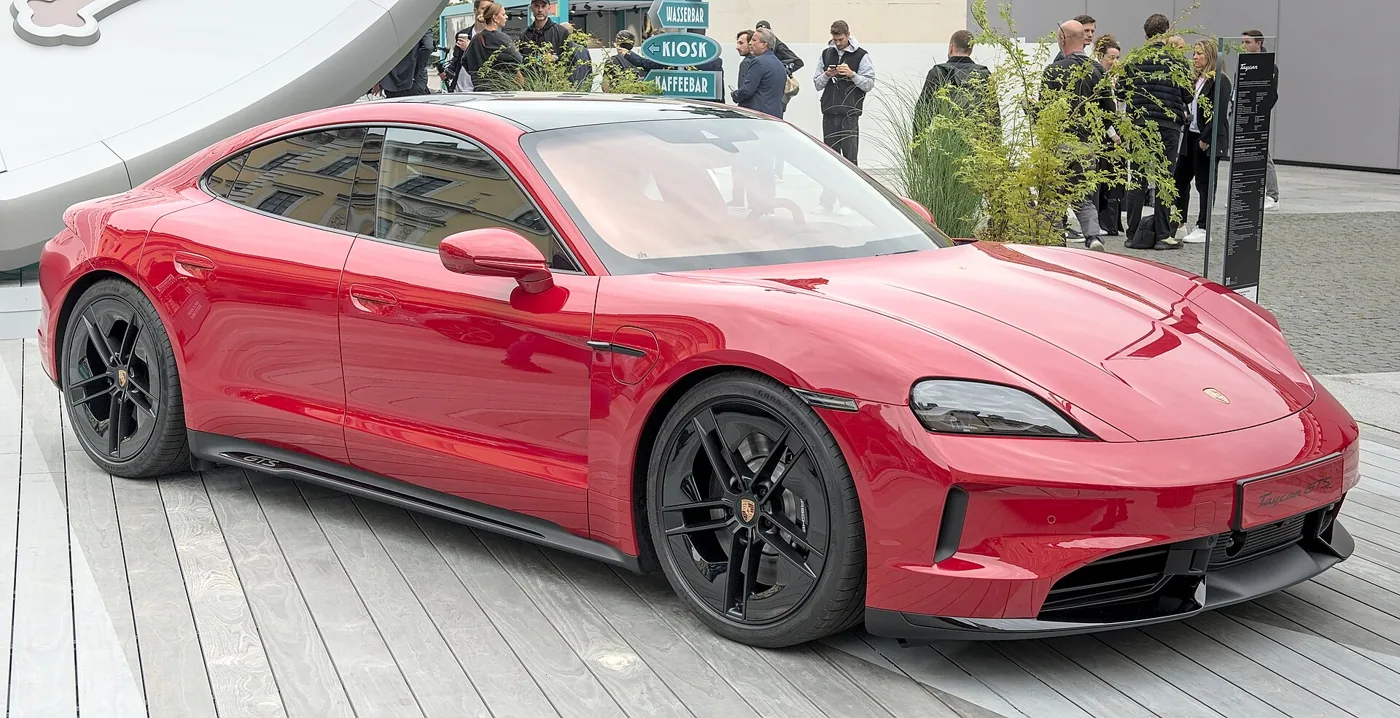
The useful question is how an electric car fits the week you actually drive. Charging access, repeat journeys and the occasional difficult day tell you more than a headline range figure.
 ↗
Electric/3 min read
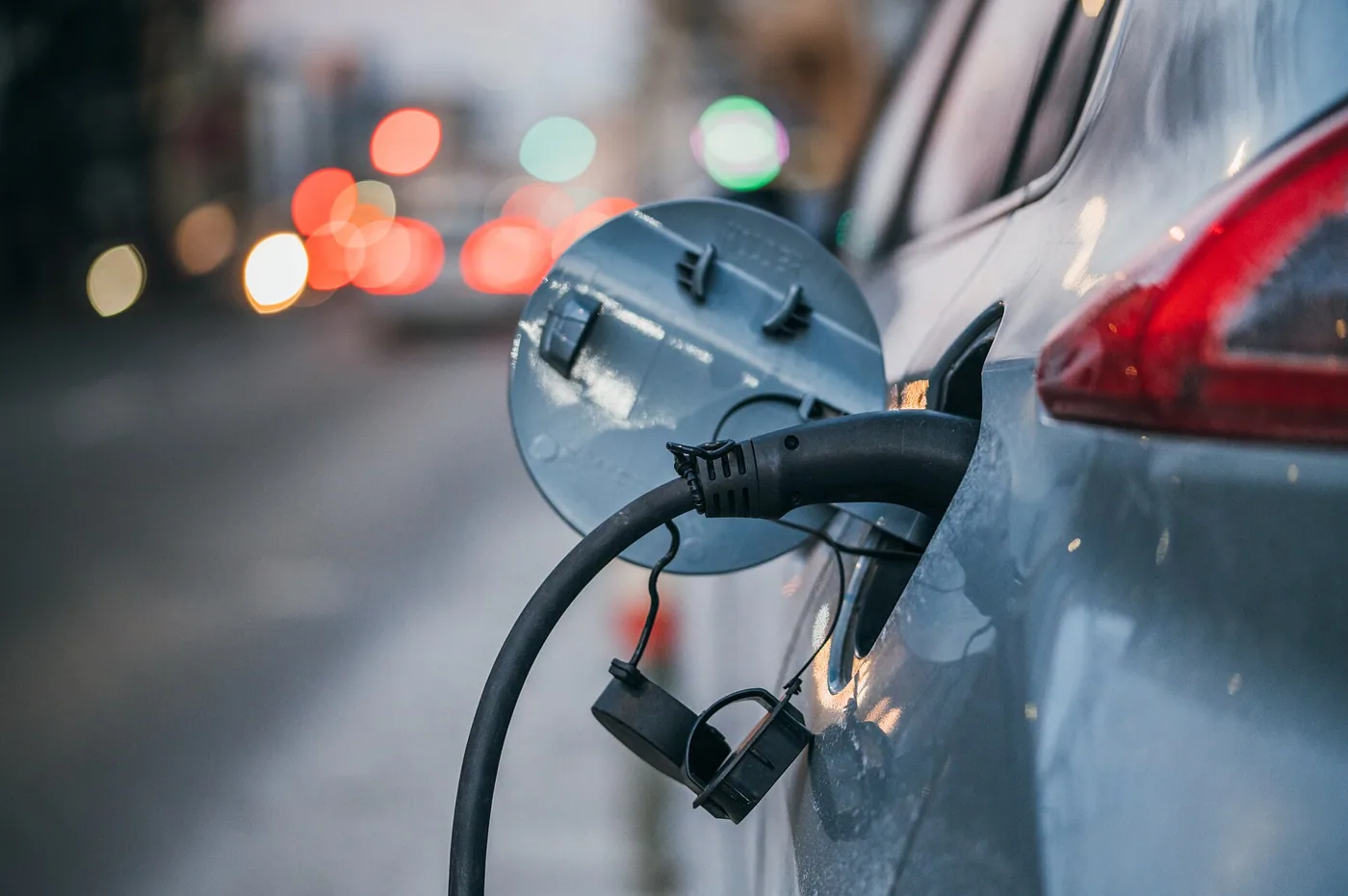
Two cars can advertise the same maximum charging power and deliver very different stops. Understanding the whole charging session makes specifications easier to compare and journeys easier to plan.
 ↗
Electric/3 min read
Battery size attracts attention, but energy consumption shapes the cost and convenience of every journey. A more efficient car can make a modest battery work harder without asking the driver to.
 ↗
Electric/3 min read
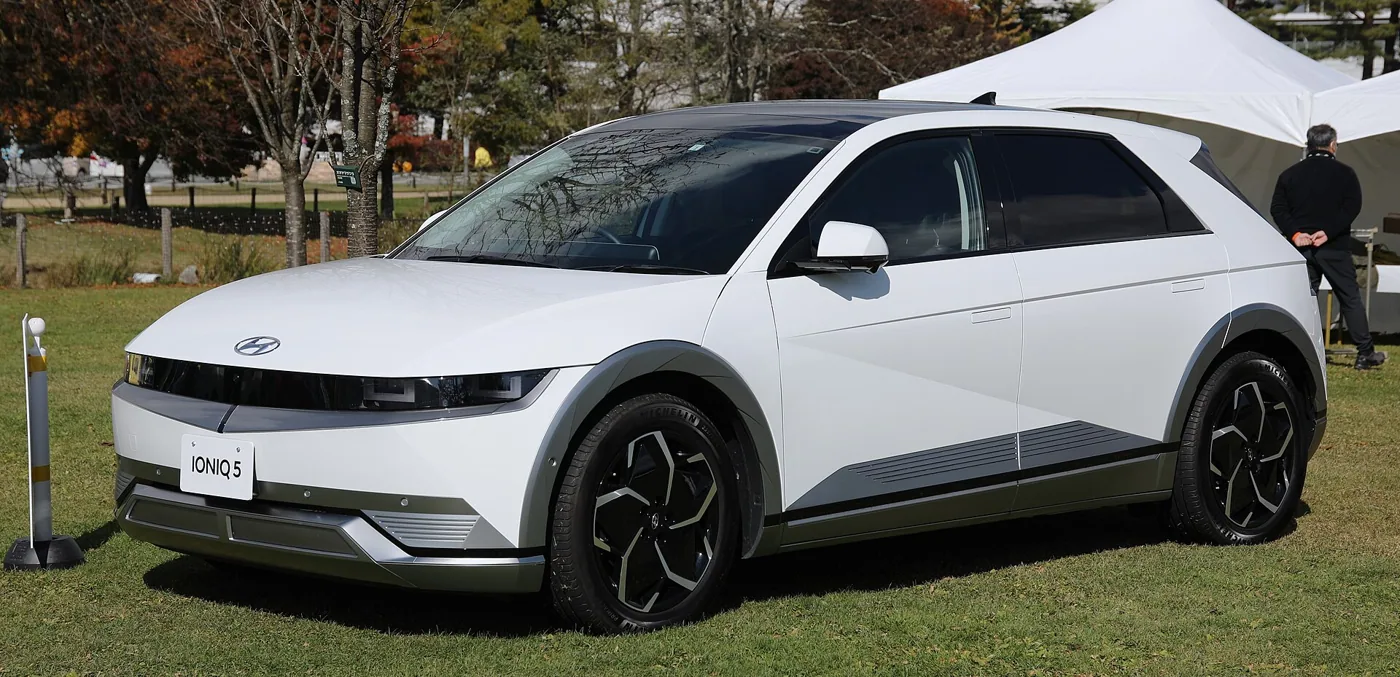
Cold weather affects more than the battery. Cabin heat, roads, tires and charging preparation all influence winter travel, making a single universal range-loss percentage a poor guide for buyers.
 ↗
Electric/3 min read
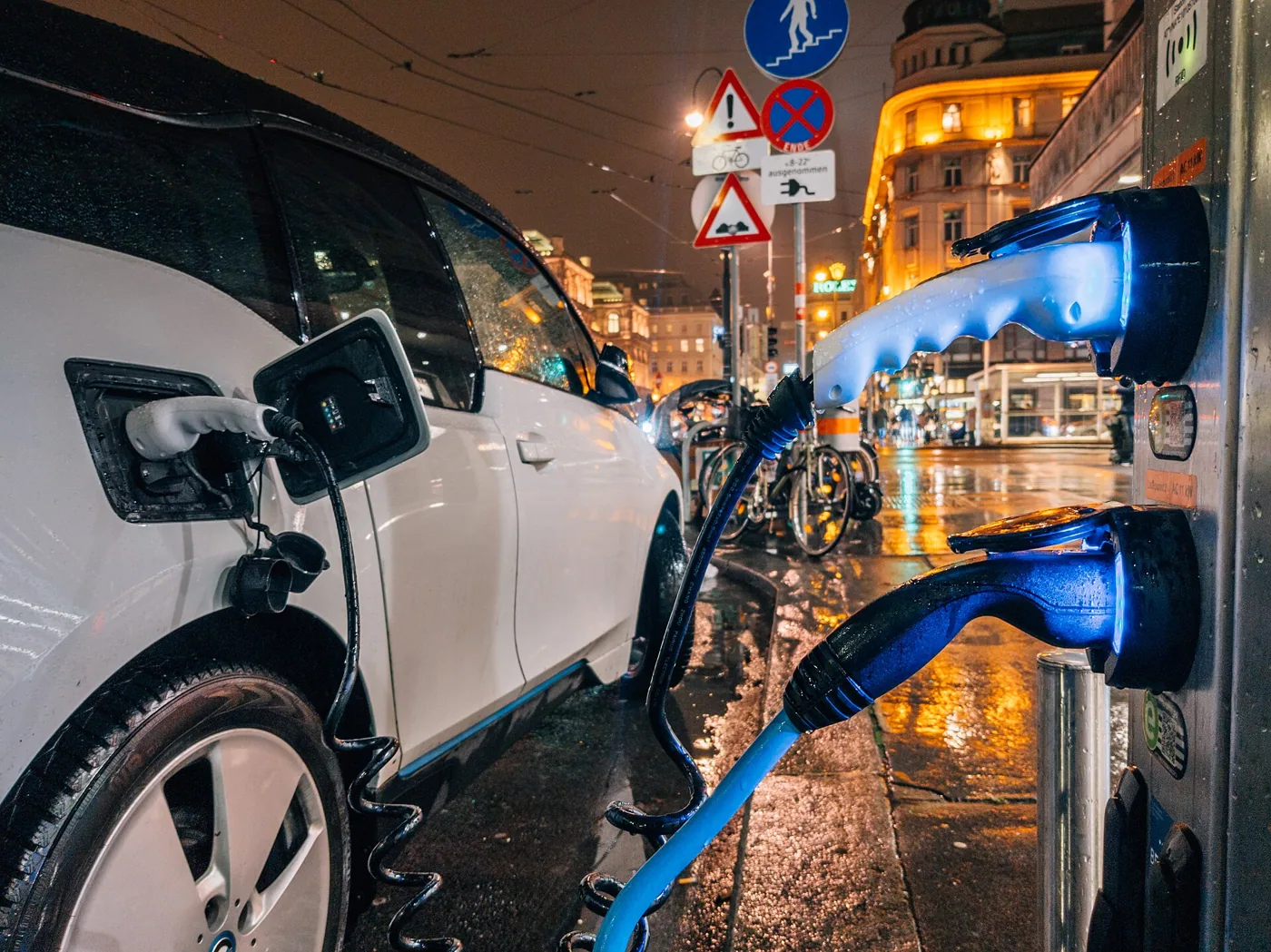
For drivers without a private driveway, dependable access matters more than a charger on a map. Apartment charging succeeds when allocation, billing and maintenance are designed around everyday parking habits.
 ↗
Electric/3 min read
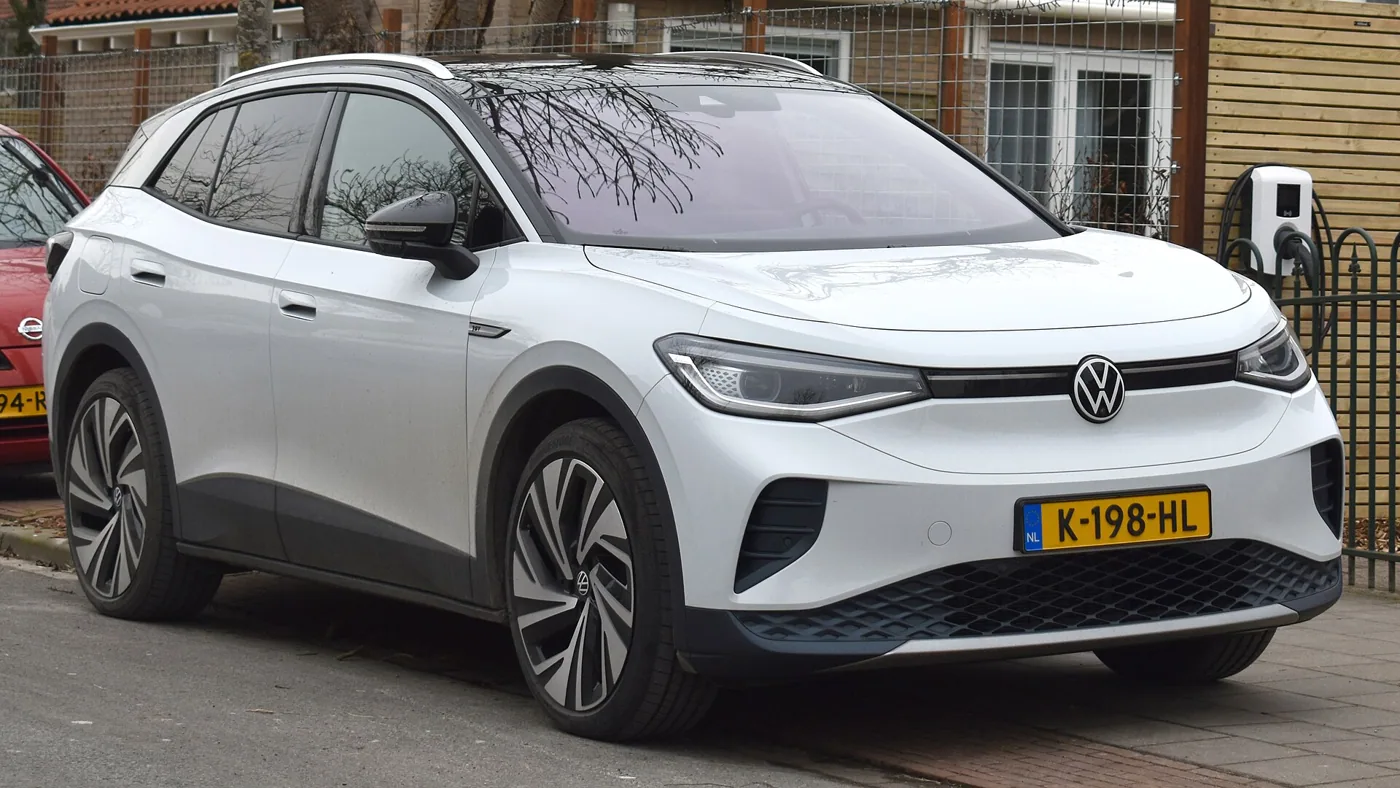
The condition of a used electric car cannot be inferred from mileage alone. Documentation, charging checks and a clear warranty history turn a vague battery discussion into a more useful inspection.
 ↗
Electric/3 min read
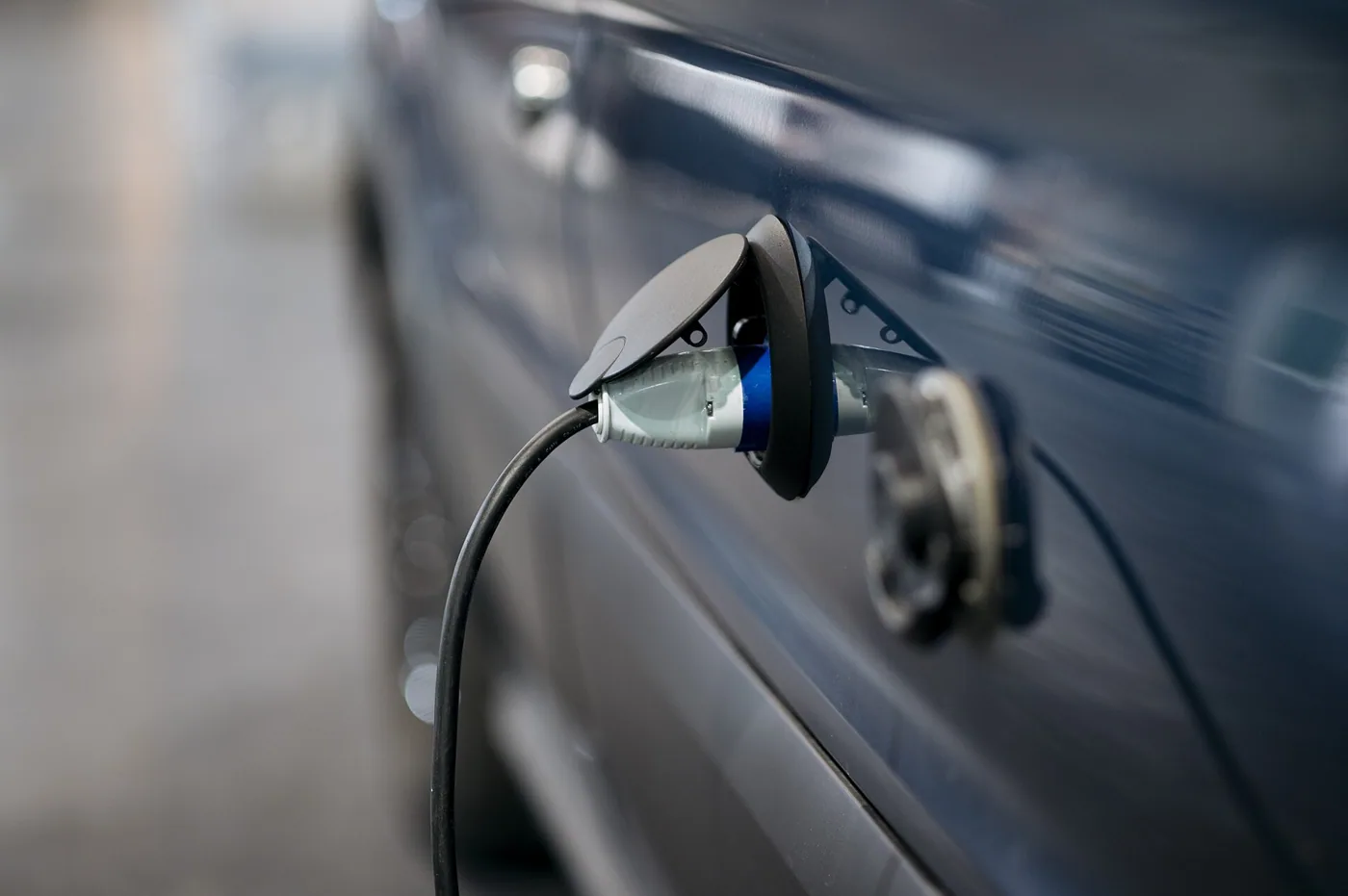
LFP and nickel-rich batteries solve different design problems. Chemistry helps explain a vehicle, but packaging, temperature control and software determine how that chemistry becomes a useful car.
 ↗
Electric/3 min read
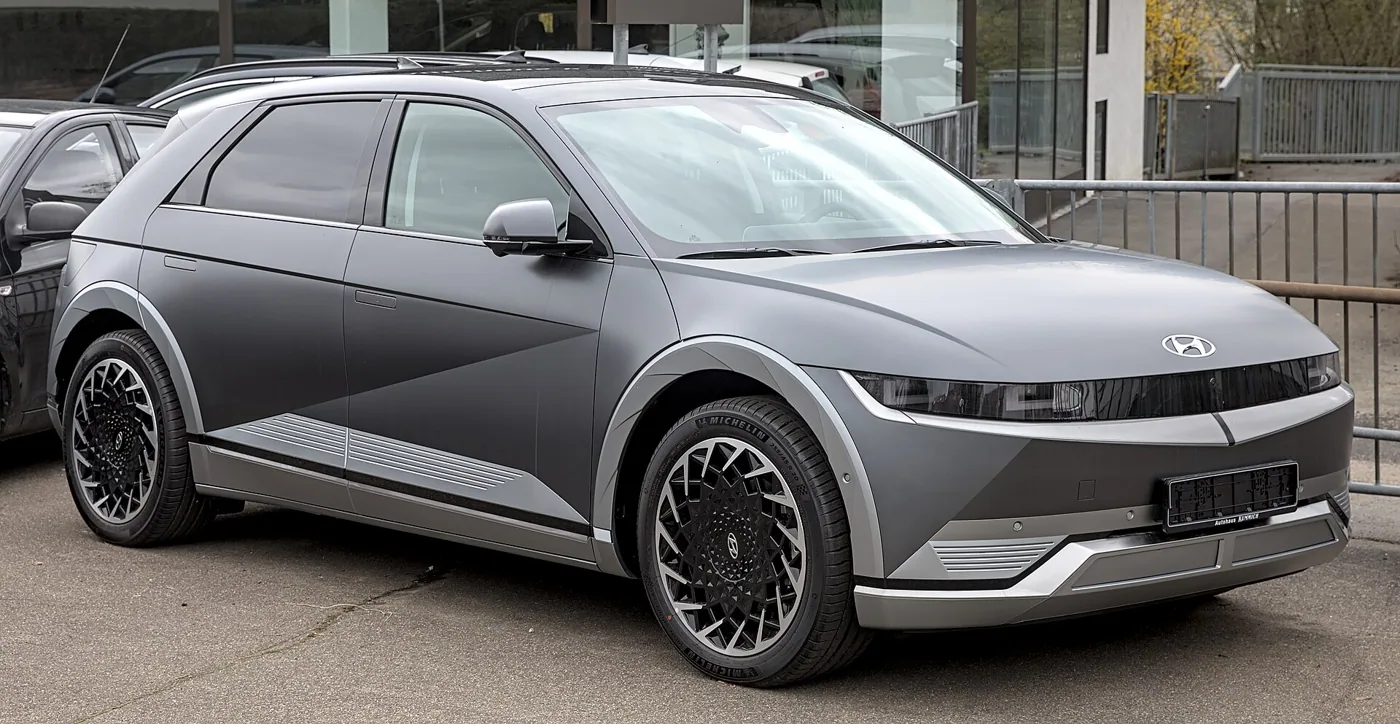
A plug-in hybrid can cover repeated local journeys on electricity while retaining an engine for longer travel. Its value depends heavily on whether charging becomes a normal part of ownership.
 ↗
Electric/3 min read
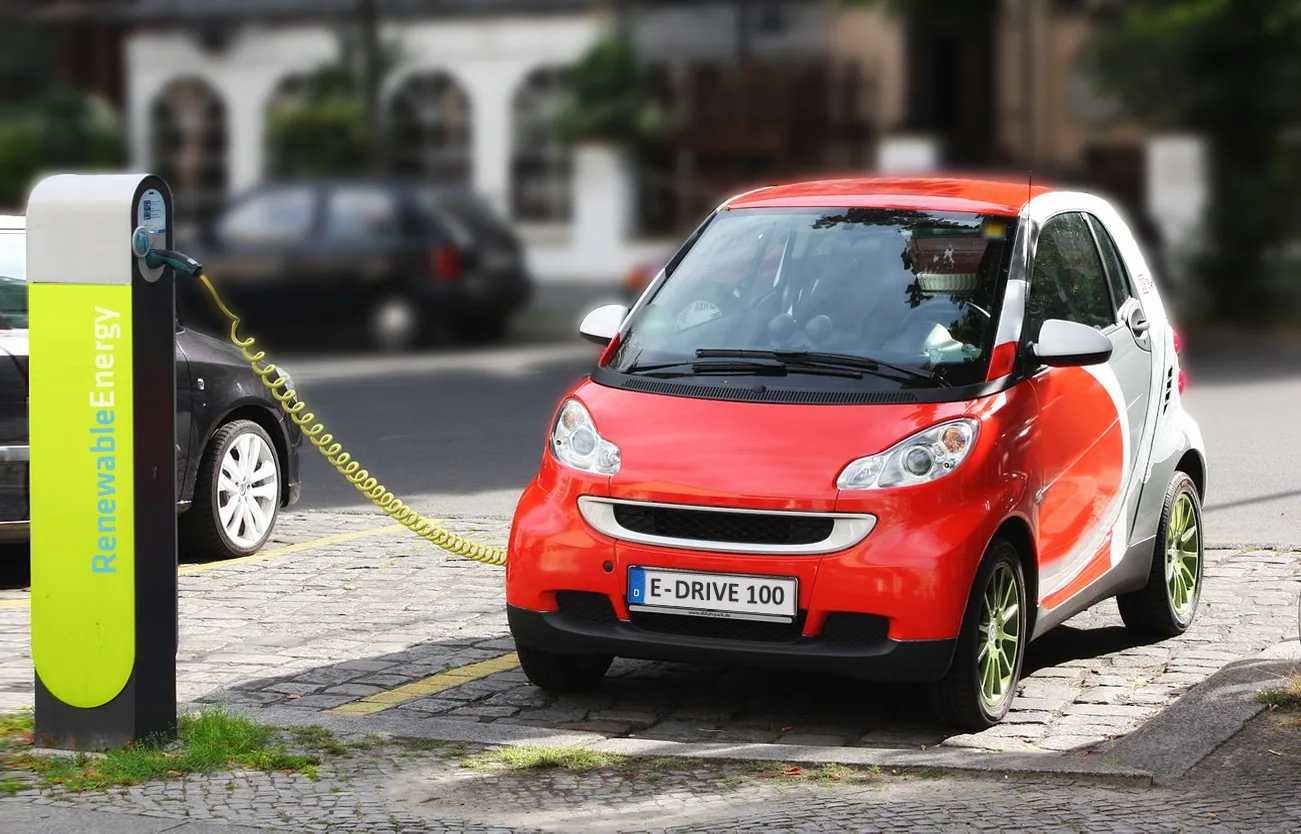
A route planner can calculate energy, but passengers still need food, toilets and a comfortable break. Coordinating those needs often matters more than shaving a minute from charging time.
 ↗
Electric/3 min read
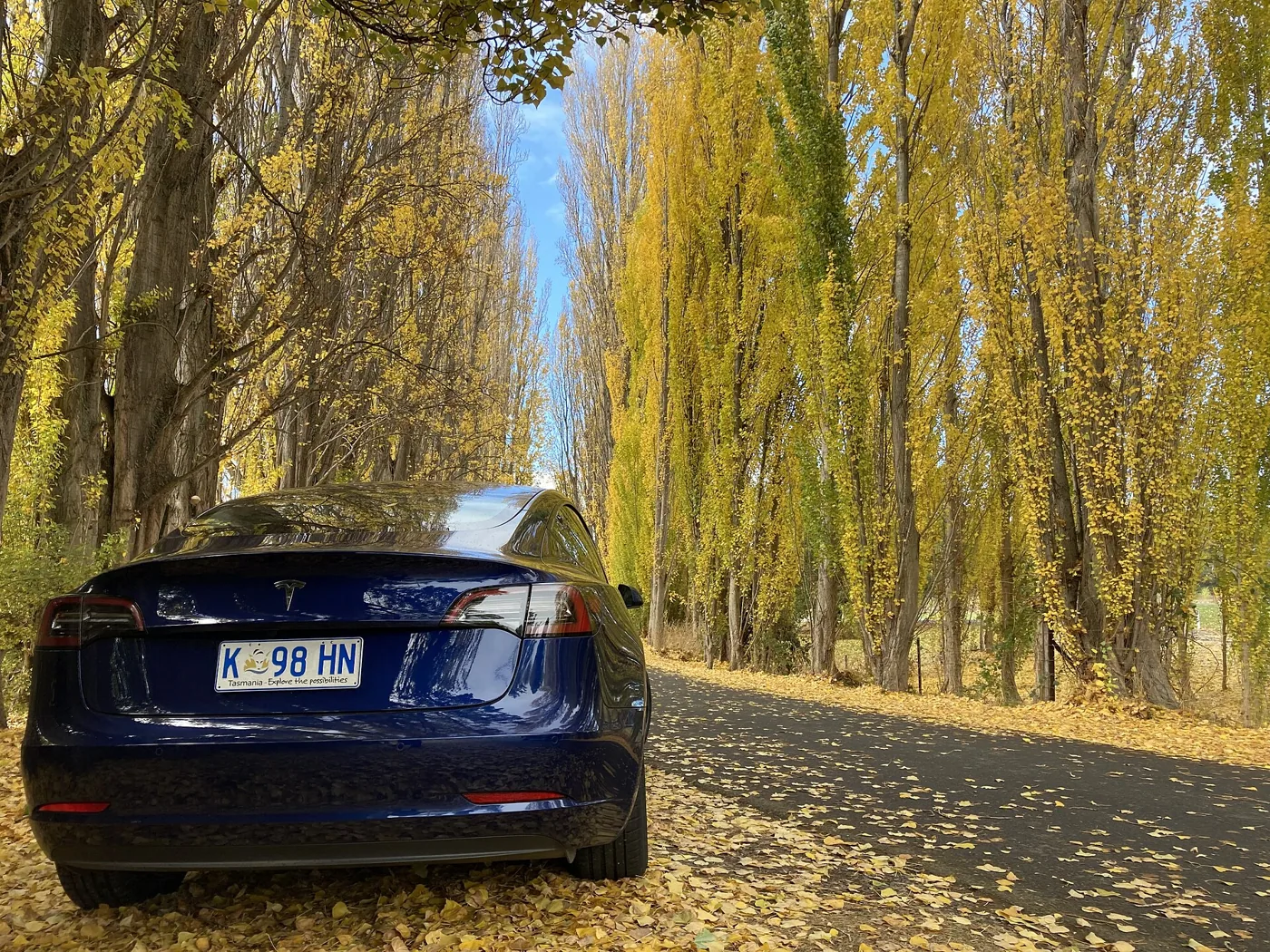
The fastest home charger is not automatically the most useful one. Daily energy needs, available electrical capacity and hours parked determine what a household actually needs to replenish.
 ↗
Electric/3 min read
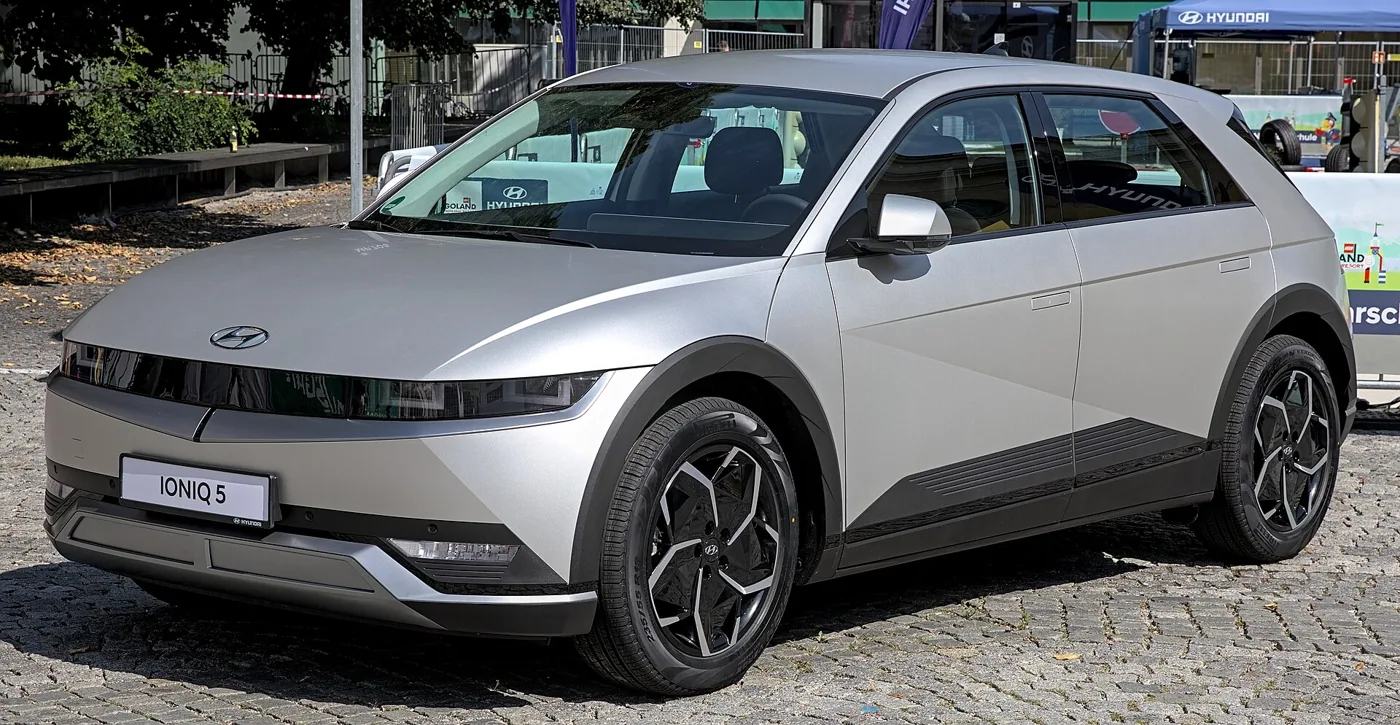
Towing changes energy demand and the way charging stops work. A suitable electric tow vehicle needs enough capability for the load and a route that remains practical with a trailer attached.
 ↗
Electric/3 min read
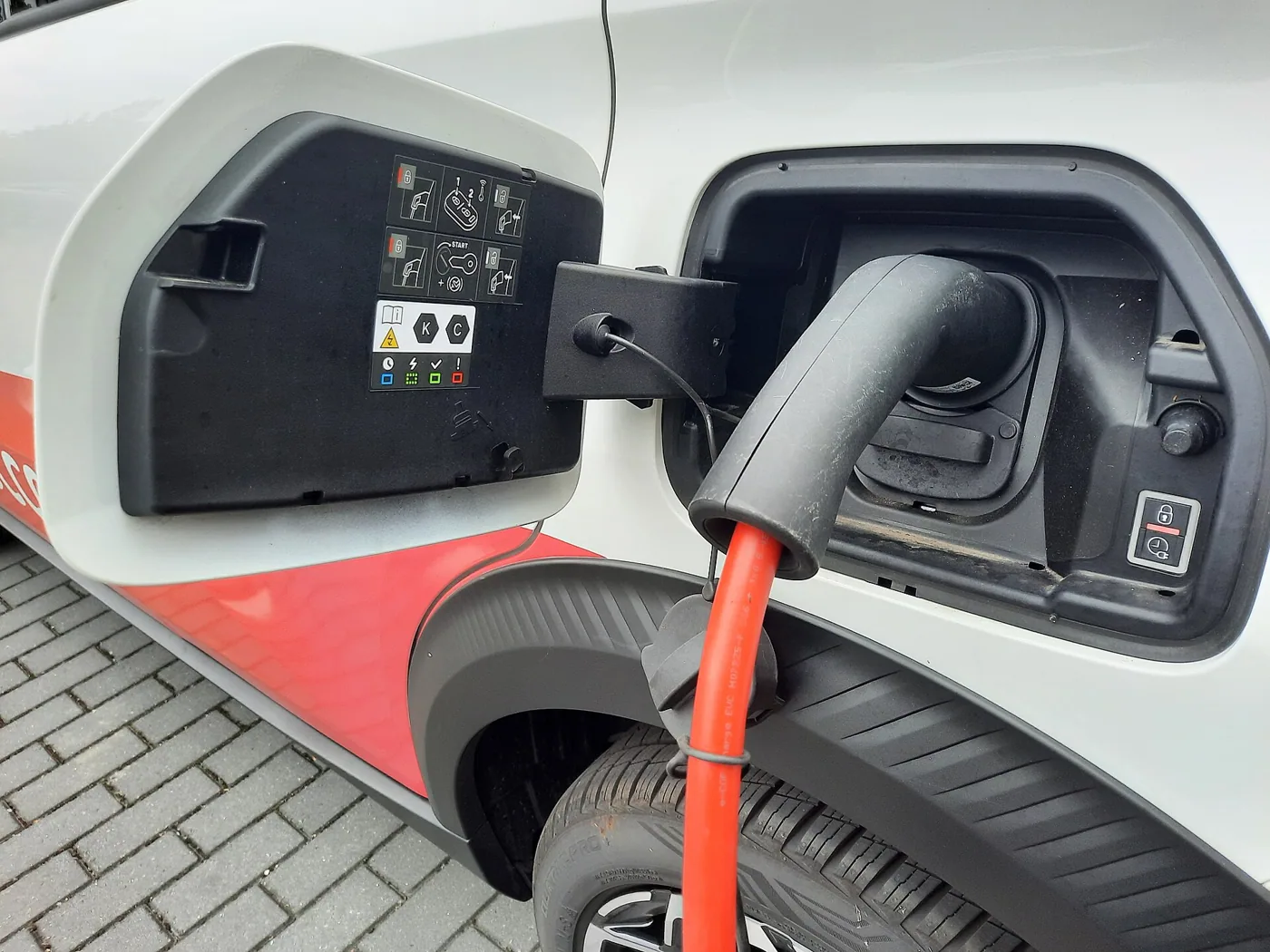
Rooftop solar and an electric car can complement one another, but generation and parking do not always coincide. The useful calculation follows when electricity is produced, consumed and exported.
 ↗
Electric/3 min read
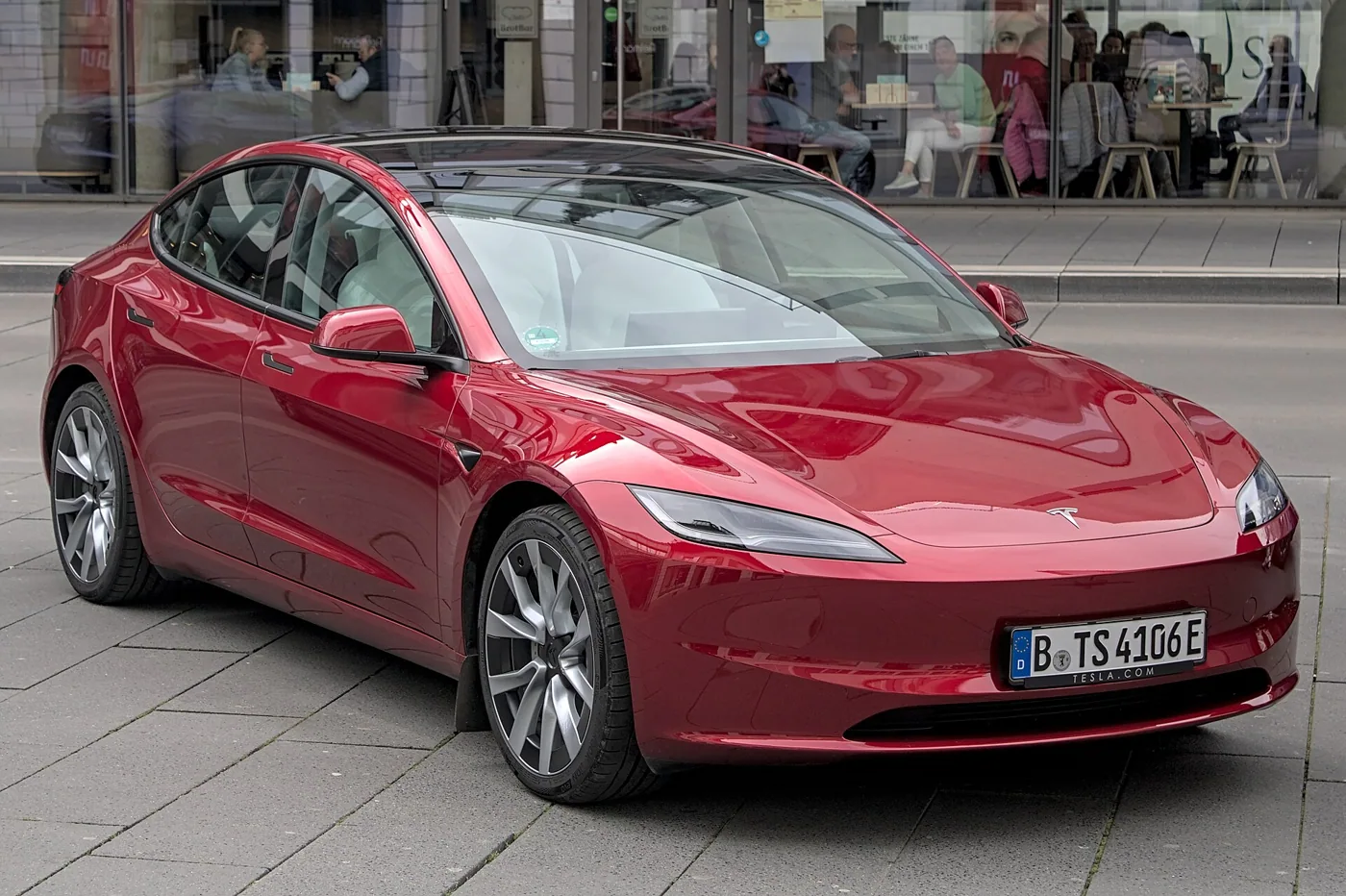
Bidirectional charging can turn a compatible car into an energy resource. The practical benefits depend on the complete system, the loads being supplied and how much driving reserve remains.
 ↗
Electric/3 min read
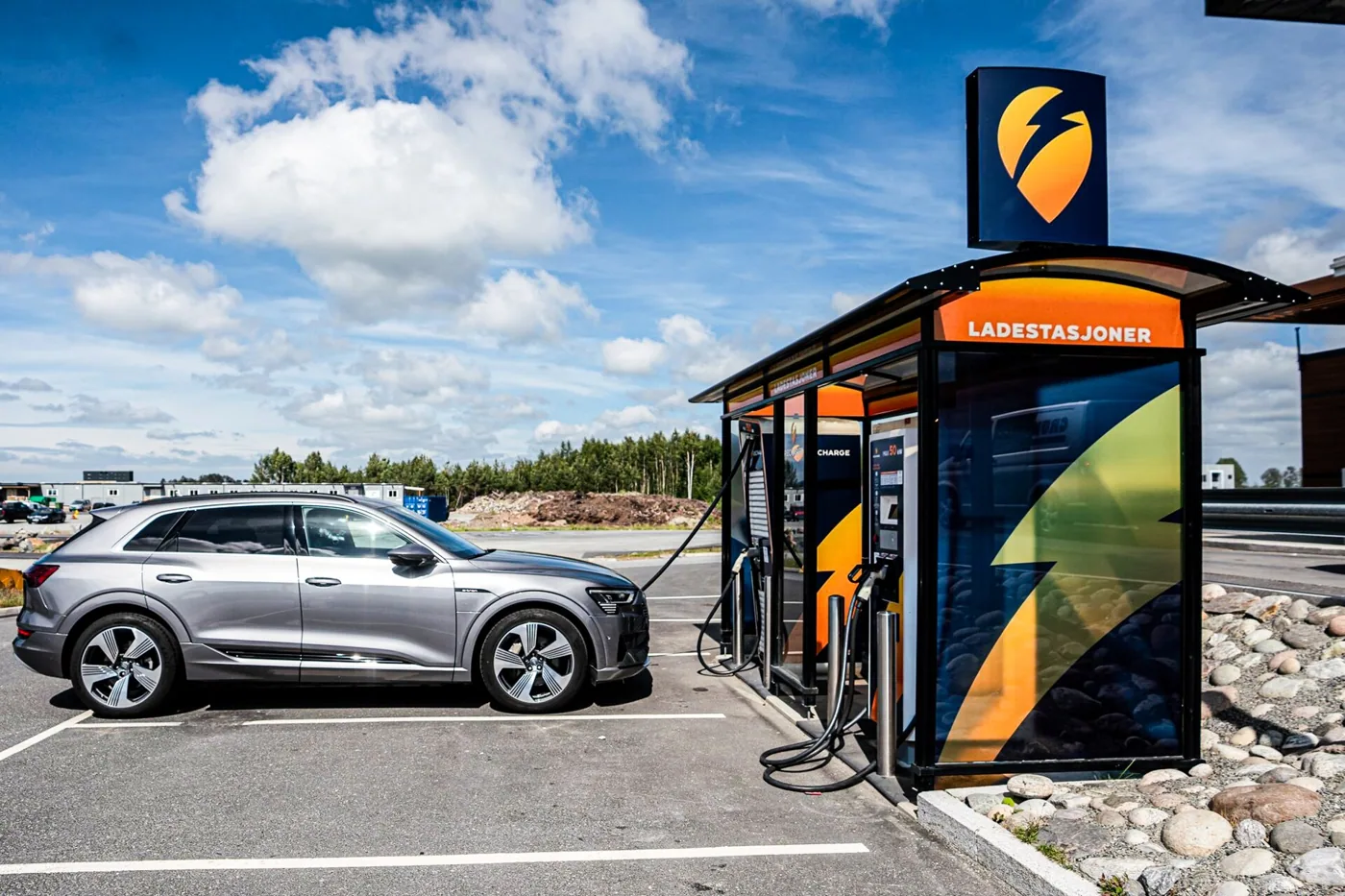
Compact EVs deserve to be assessed on the journeys they make easier. Low energy demand, manageable dimensions and an honest range target can matter more than oversized specifications.
 ↗
Electric/3 min read
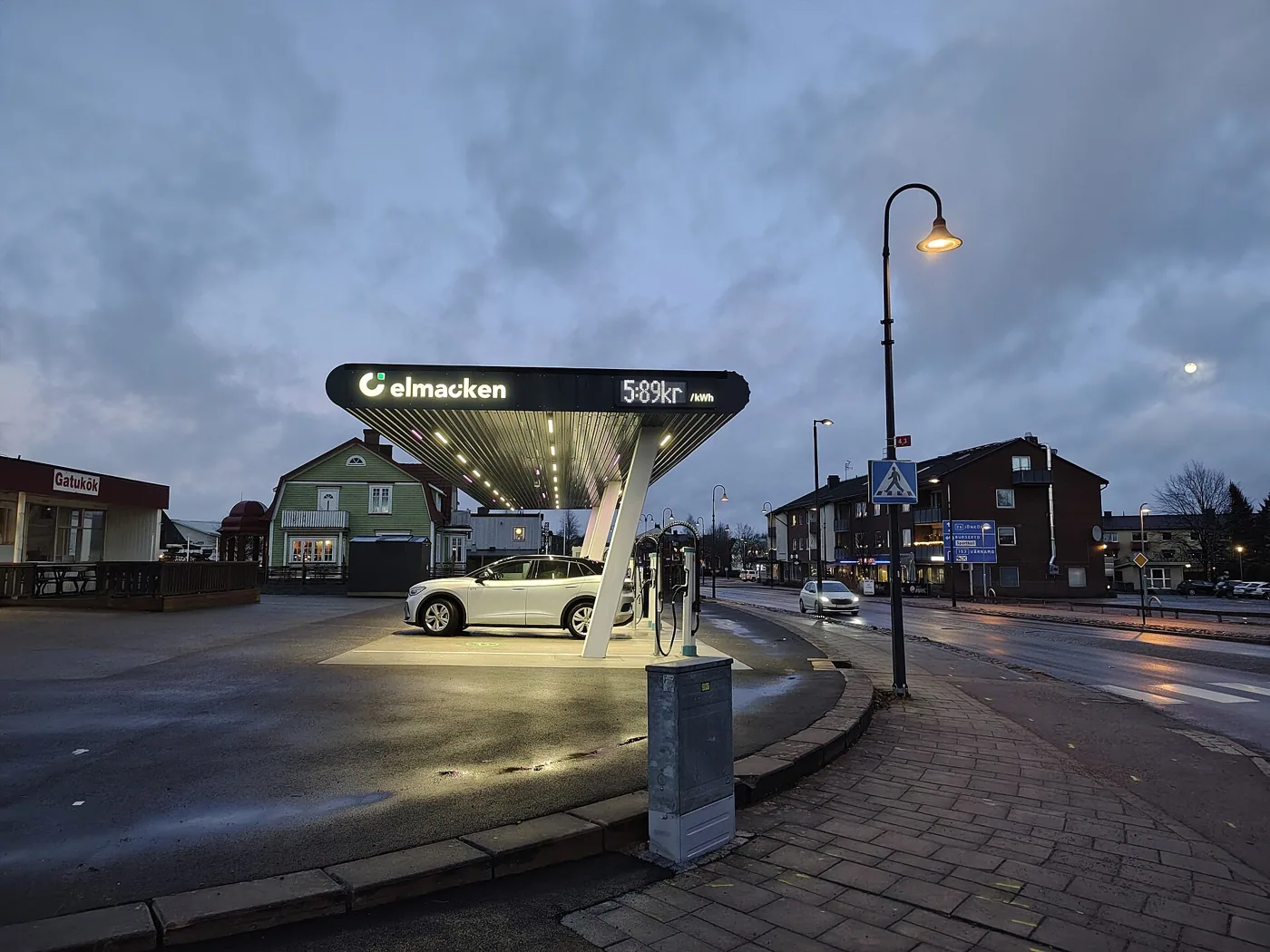
A long warranty headline can hide important distinctions between defects, capacity loss and eligibility. The useful protection is defined by the exact terms attached to the vehicle.
 ↗
Electric/3 min read
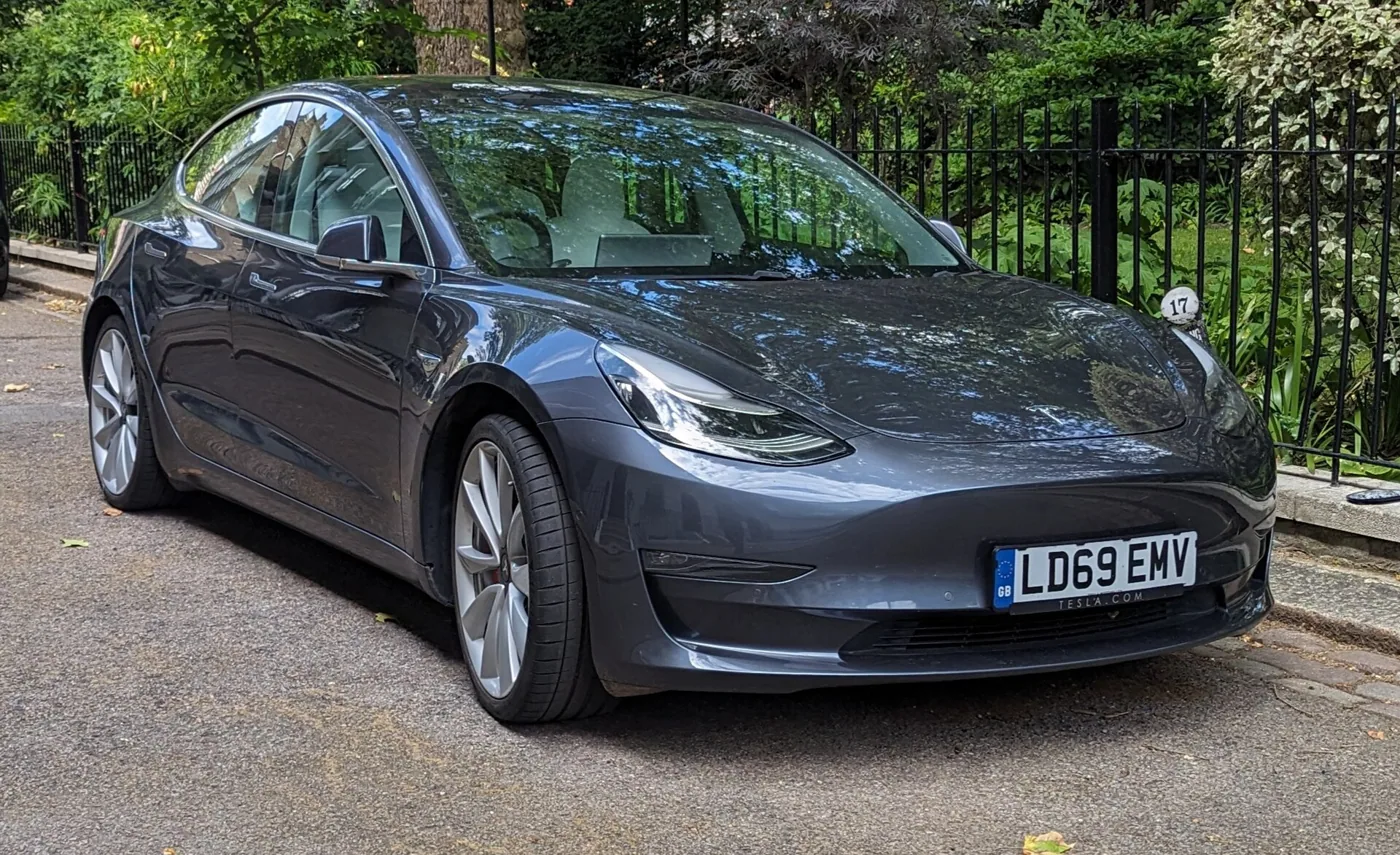
Energy recovery is one of electrification’s useful features, but it cannot undo every unnecessary acceleration. Smooth planning still matters, whether the car offers strong one-pedal driving or a lighter coasting feel.
 ↗
Electric/3 min read
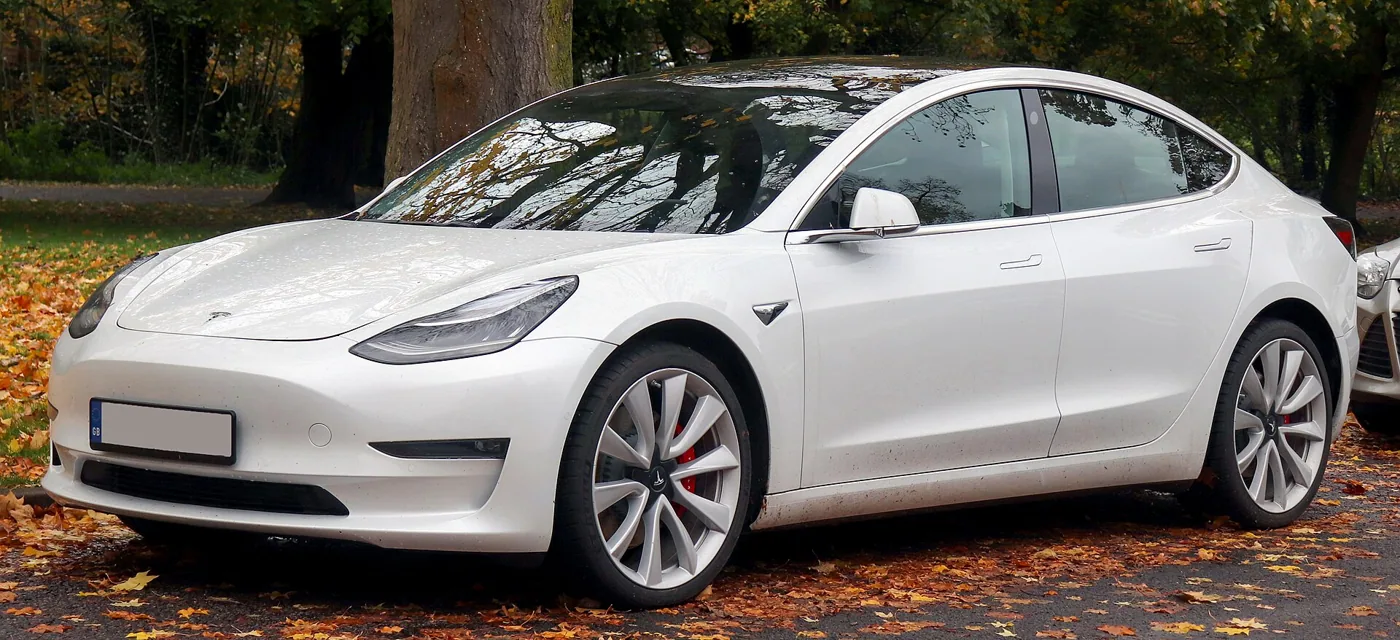
Comparing electric and combustion cars requires more than looking at the exhaust. Manufacturing, energy supply, vehicle size and lifetime use all shape an honest environmental assessment.
 ↗
Electric/3 min read
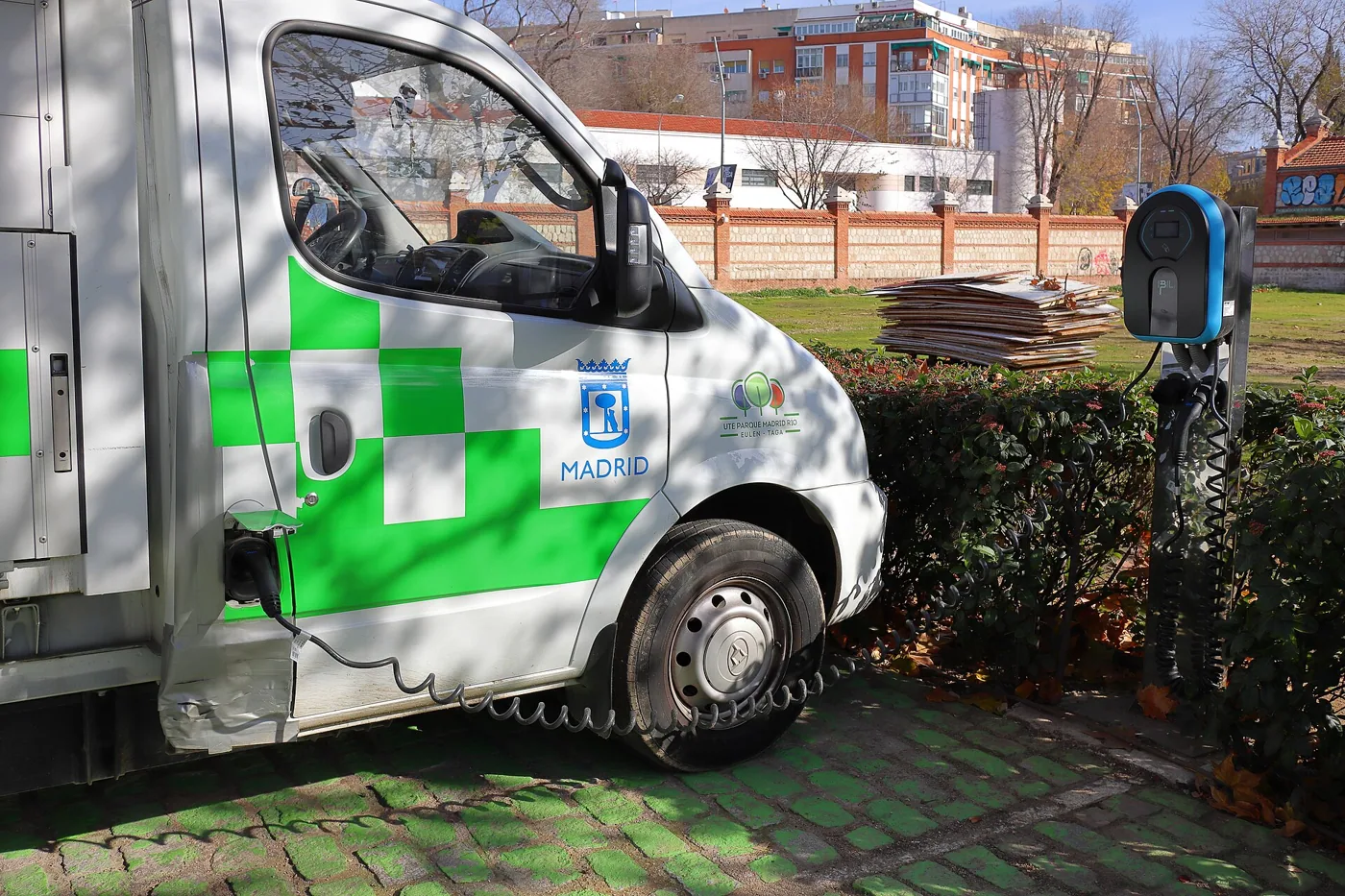
Station totals show expansion, but drivers experience individual successful sessions. Availability, payment, cable reach and useful alternatives determine whether infrastructure growth becomes dependable everyday access.
Analysis and explainers, with sources linked in every article.