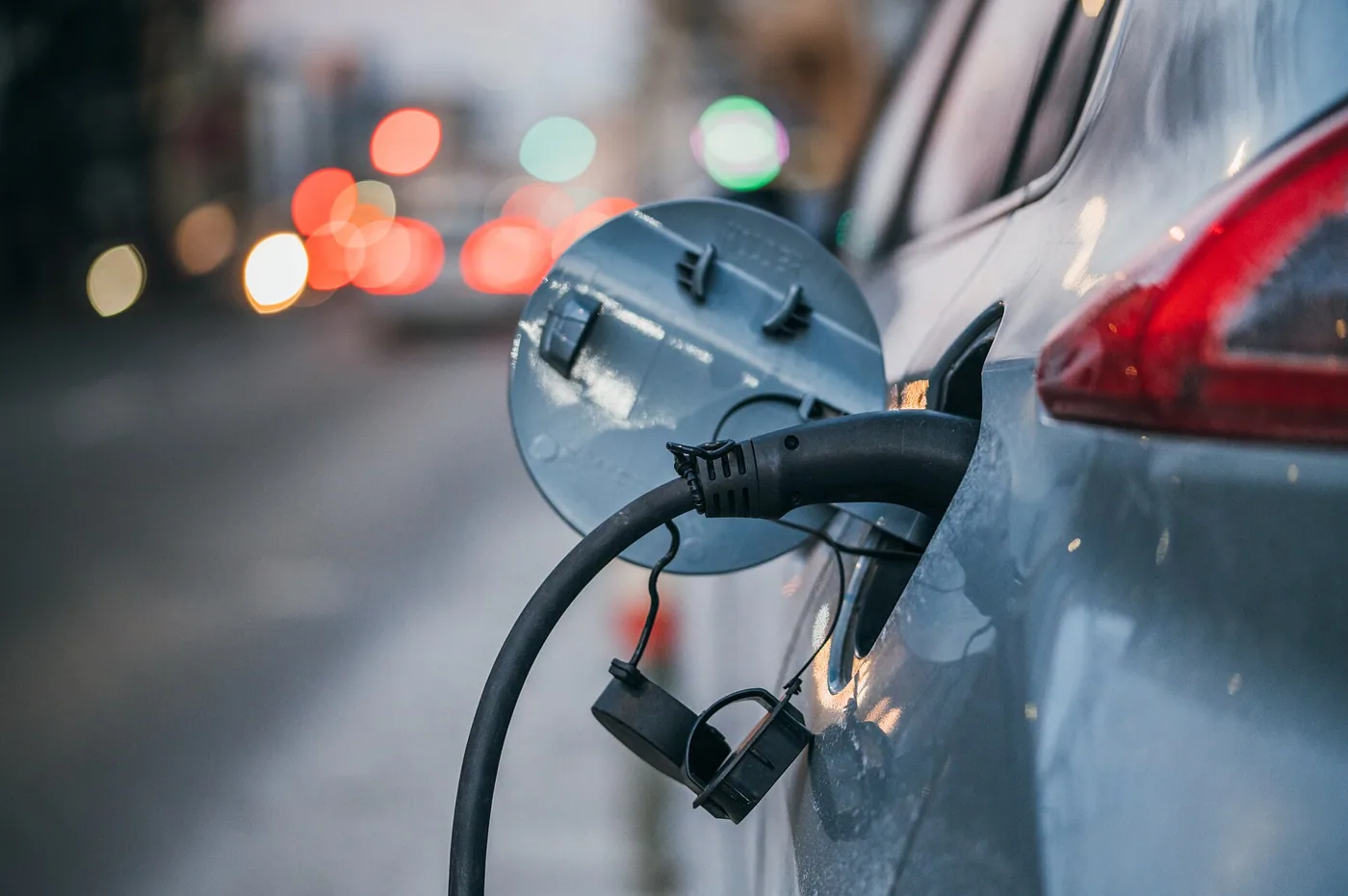
An electric car contains a substantial energy store, but a large battery does not automatically make it a household backup system. Supplying appliances, supporting a building and exporting to the electricity grid are different capabilities. They require compatible equipment and appropriate installation. The useful question is what a specific vehicle-and-home combination can actually do, rather than whether the car is advertised as bidirectional.
- Separate appliance power, home backup and grid export capabilities.
- Check the complete vehicle, charger and installation combination.
- Reserve enough battery energy for the next required journey.
Distinguish the three jobs
Vehicle-to-load equipment can power compatible external devices within its stated limits. Vehicle-to-home or vehicle-to-building arrangements integrate with a property's electrical system. Vehicle-to-grid operation adds another relationship with the electricity network and service provider. A product supporting one application does not necessarily support the others.
The Department of Energy describes bidirectional capability as a pairing of suitable vehicle and charging equipment. Buyers should therefore ask for a complete compatibility statement, including model year, software, charger and required home hardware. A future capability promised in a launch presentation is different from an available supported installation.
Power and energy answer different questions
Energy capacity influences how long supported loads can operate. Power capacity determines which loads can operate at the same time. A system may store enough energy for many hours of modest use yet be unable to start or run a large appliance. Both limits matter when assessing backup performance.
Build an essential-load list with a qualified installer. Consider lighting, refrigeration, communications and any other specific needs, then establish what the supported system can supply. Runtime estimates should include the battery's starting charge, conversion losses and the reserve needed for driving, rather than assuming every advertised kilowatt-hour is available to the house.
The car still needs to leave
A mobile battery is sometimes away from the property precisely when electricity is needed. Household routines therefore shape the resilience benefit. If the only car spends weekdays elsewhere, its backup value differs from that of a vehicle usually parked at home. Stationary storage and a car solve overlapping but different problems.
Set a minimum driving reserve and understand the controls for changing it. A system that maximizes energy export without respecting the next journey creates a new inconvenience. Departure requirements should be clear to every household driver, especially when several people share the vehicle.
Evaluate the service agreement
Ask how installation, utility approval where applicable, maintenance and software support are handled. Confirm warranty treatment and any limits on energy export or supported operating modes. Potential payments from a grid program should be assessed using the actual local agreement, not a generic revenue estimate from another market.
For many buyers, backup power may be a valuable additional capability rather than the primary reason to choose a car. Compare the total installed cost with other ways to meet the household's stated needs. The strongest proposal explains its limits plainly and preserves the vehicle's everyday transport role.
Sources & further reading
These references provide background for this analysis. Product details, regional rules and market conditions can change; check the original source for its scope and date.
Something needs a closer look? Send a correction.