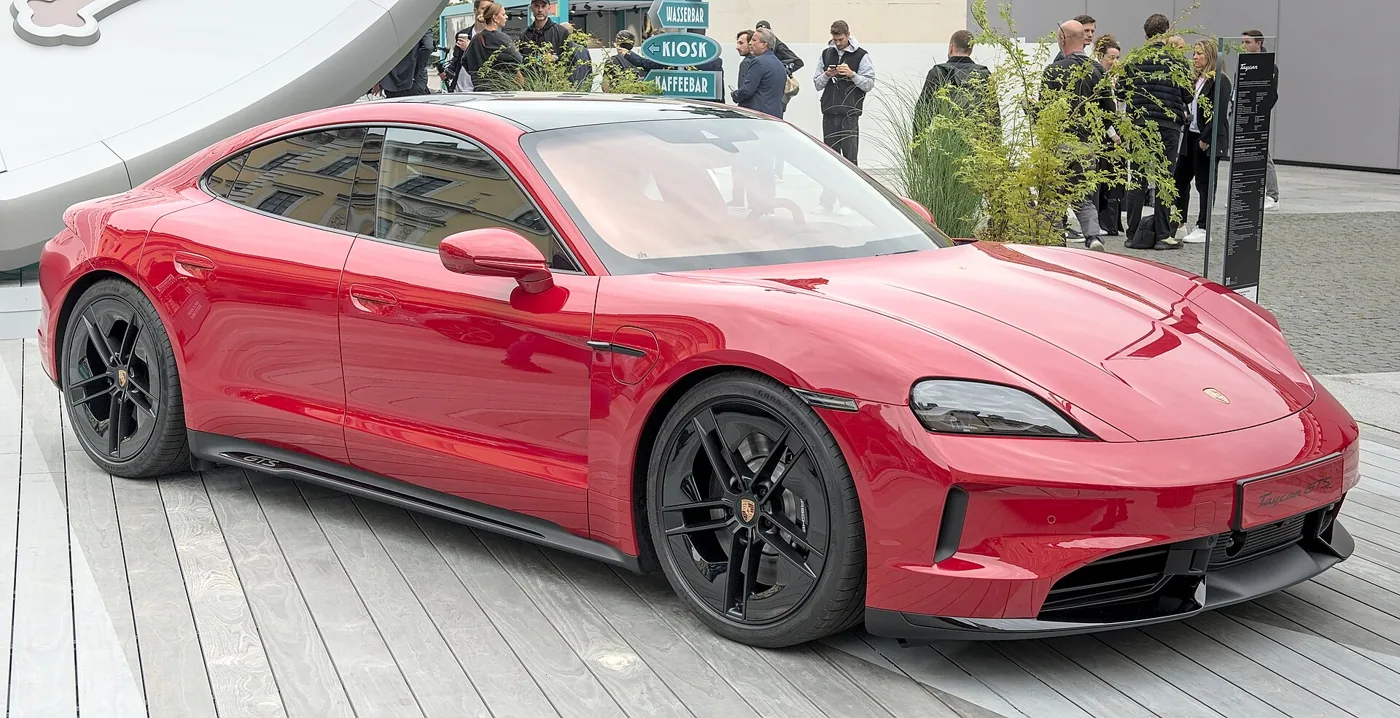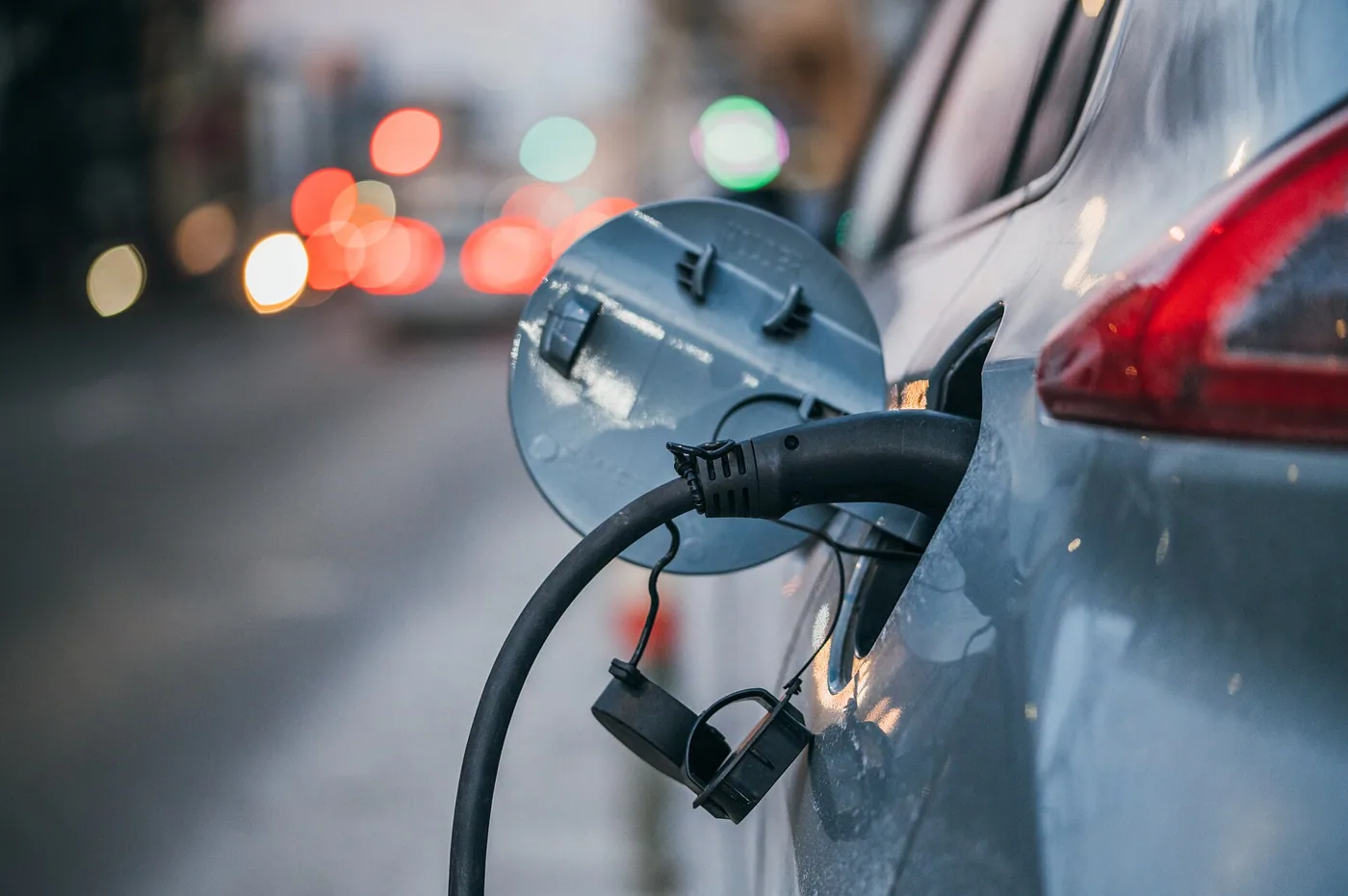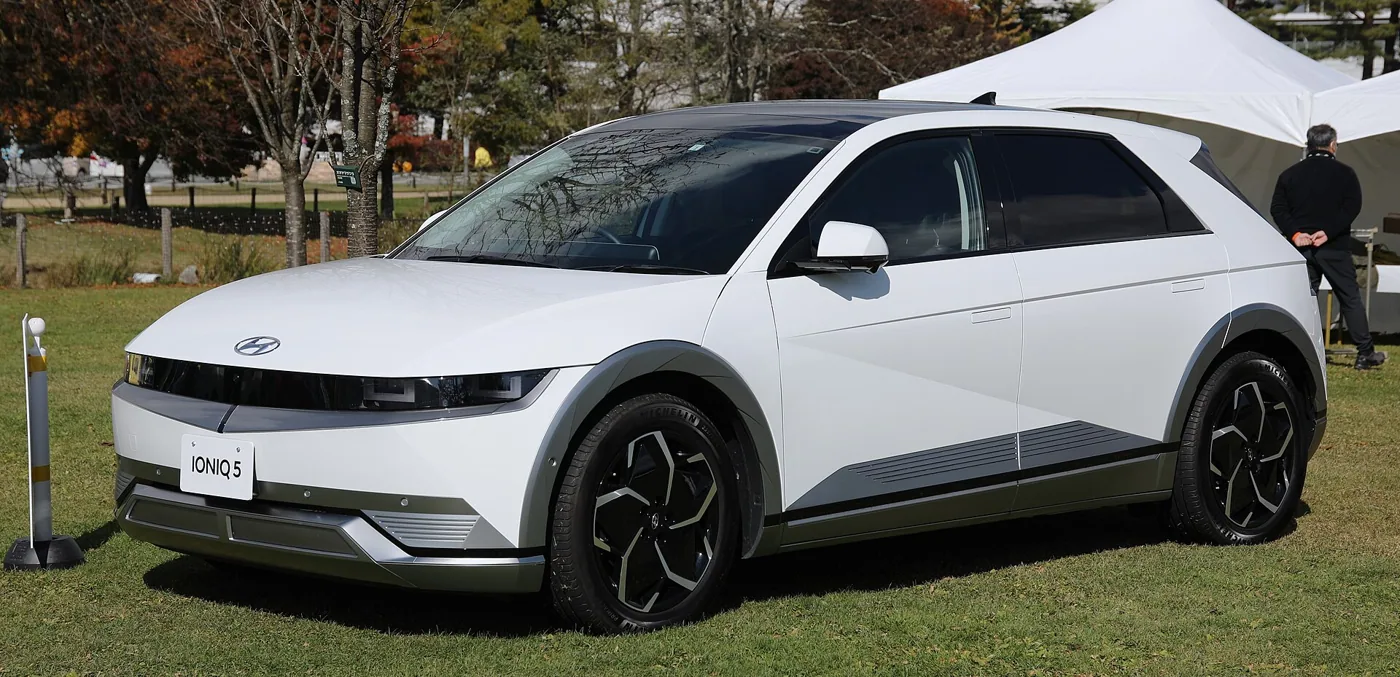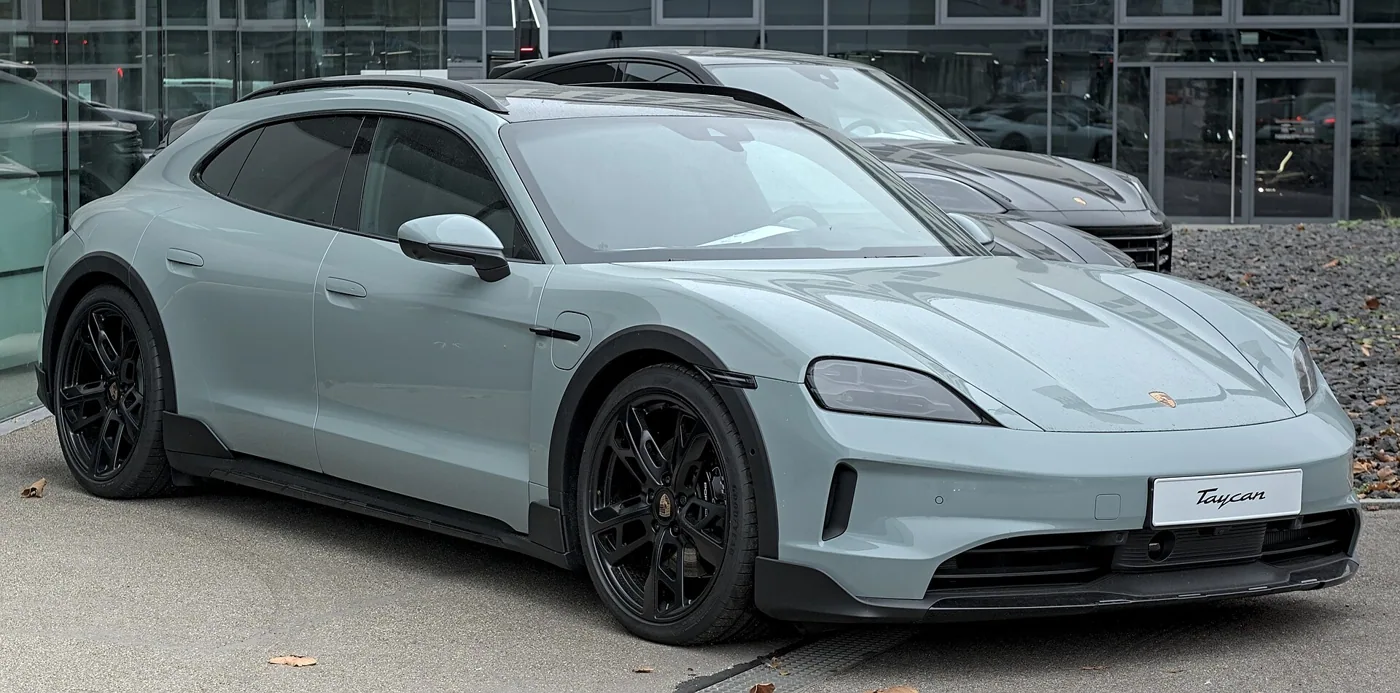
Range can be increased by storing more energy or by using less of it. Those routes may produce similar headline distances but different ownership experiences. A larger battery adds capacity, while efficiency reduces the electricity required for every kilometre. For buyers comparing vehicles that already meet their distance needs, consumption deserves a place beside range, space and charging performance.
- Normalize consumption units before comparing vehicles.
- Use motorway evidence if motorway driving dominates your mileage.
- Evaluate range added per charging stop alongside maximum charging power.
Put the units on the same page
Energy consumption may be shown as kWh per 100 kilometres, kWh per 100 miles or miles per kWh. In the first two formats a lower number is better; in the last a higher number is better. Convert figures before comparing them and use the same test system wherever possible.
An illustrative 15,000-kilometre year at 16 kWh per 100 kilometres uses 2,400 kWh at that stated measurement boundary. At 20 kWh per 100 kilometres it uses 3,000 kWh. The 600-kWh difference becomes a cost only after applying a tariff, and electricity drawn at the wall may differ from the vehicle's dashboard reading because charging has losses.
The motorway changes the ranking
Air resistance becomes increasingly important as speed rises. Frontal area, body shape, wheels and external accessories all contribute. A vehicle that looks efficient in a mixed driving cycle may use much more energy on a fast motorway. The relevant comparison is the driving pattern you repeat, not whichever result makes one model look strongest.
Mass matters particularly when accelerating and climbing, although regenerative braking can recover part of the energy during slowing. Recovery is incomplete. A larger vehicle may also require larger tires and more cabin conditioning. No single design feature explains every result, which is why measured consumption remains more helpful than visual assumptions.
Efficiency also buys charging convenience
For an equal amount of electricity added, the more efficient vehicle travels farther. That means charging power alone cannot determine how quickly a car is ready for the next leg. A lower-powered charging session can still add competitive driving distance if the car needs less energy per kilometre.
At home, reduced demand can make an existing, professionally assessed charging arrangement more practical. On a shared workplace system, it can reduce the time needed to replenish a commute. These benefits are less dramatic than a very large range figure, but they recur whenever the vehicle is used.
Avoid buying a number in isolation
Efficiency has to coexist with useful space, comfort and safety. A small car that cannot accommodate the household's essential tasks is not an efficient purchase merely because it consumes less electricity. Compare vehicles that can perform the same job, then ask how much energy each requires.
Check the exact wheel and drivetrain specification associated with a published figure. Options can alter consumption and rated range. A sensible shortlist records official efficiency, credible comparable driving evidence and the charging conditions you expect. That combination gives a clearer picture than battery size alone and helps explain why apparently similar EVs can feel different to live with.
Sources & further reading
These references provide background for this analysis. Product details, regional rules and market conditions can change; check the original source for its scope and date.
Something needs a closer look? Send a correction.