An electric car's winter performance is often reduced to one percentage: how much range disappears when the temperature falls. That shorthand hides the conditions that produced the result. A short journey beginning with a cold cabin is different from a long motorway run, and a preconditioned battery behaves differently from one left outside overnight. Useful winter planning begins by separating those situations.
- Distinguish short cold starts from continuous long-distance driving.
- Learn cabin and battery preconditioning separately.
- Build a winter route around dependable charging and a comfortable reserve.
Heat has to come from somewhere
Cabin heating and battery temperature management use energy. Their influence is especially visible on short journeys because the initial warm-up is spread over relatively few kilometres. Repeated short trips can therefore produce an alarming consumption display without describing what the same car would use over a continuous longer drive.
FuelEconomy.gov documents substantial cold-weather effects in a specific test context, but those results should not be treated as a prediction for every modern model. Heating system design, ambient temperature, journey length and driving conditions vary. Ask for comparable evidence from the exact vehicle configuration and a climate close to your own.
The road adds its own demands
Winter tires, lower tire pressures, dense cold air and snow-covered surfaces can affect consumption. A headwind or sustained climb may combine with those factors. The important planning question is whether your route has enough charging options when several unfavorable conditions occur together, rather than whether one laboratory number looks acceptable.
Maintain the tire pressures specified for the vehicle and load, checking them as conditions change. Keep visibility and safe cabin conditions as priorities. Range planning should provide enough margin to use necessary heating and demisting comfortably; a plan that depends on avoiding essential equipment is too tight.
Prepare while the car is connected
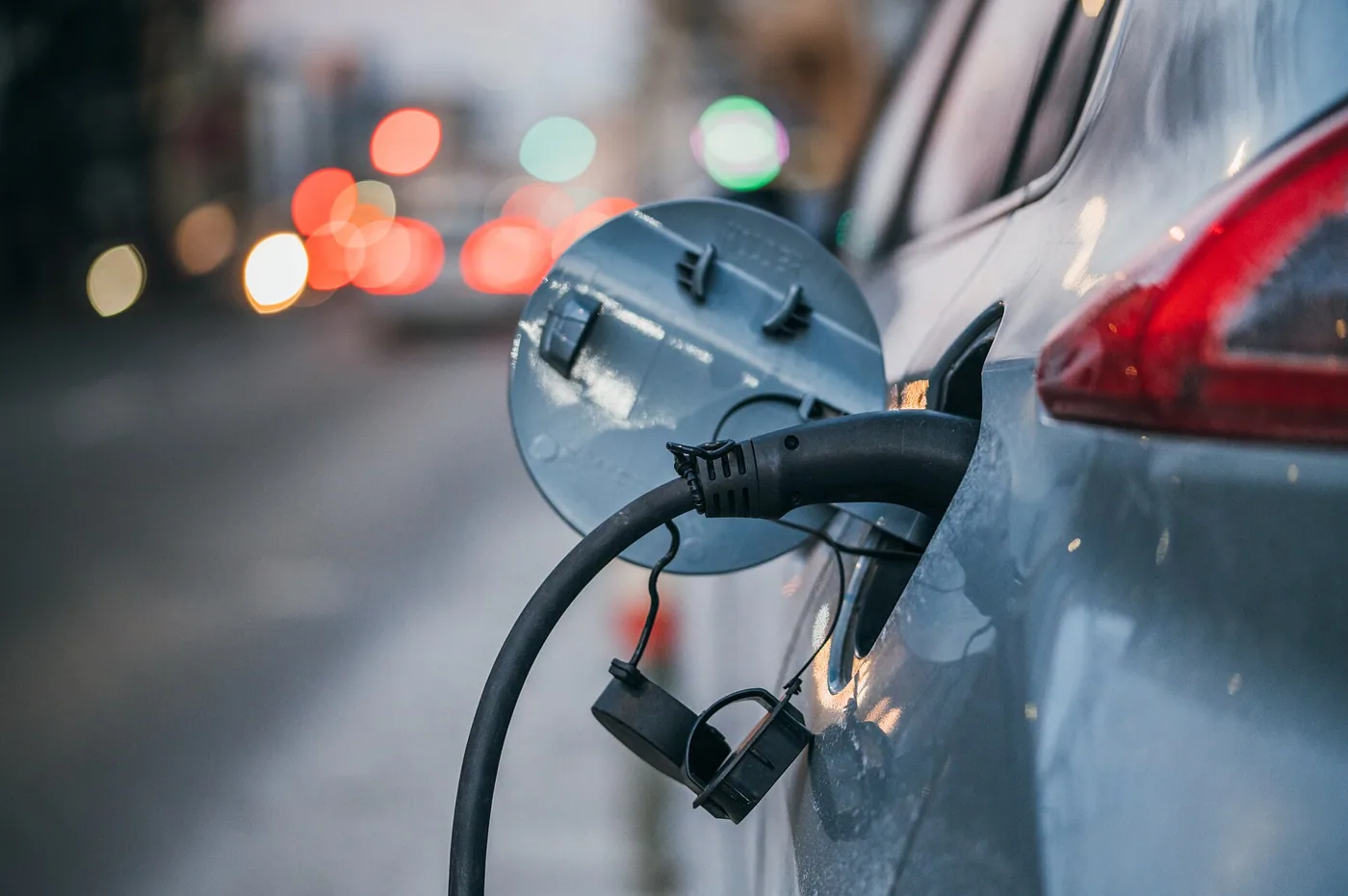
Where supported, scheduling cabin preparation while plugged in can reduce the energy drawn from the battery after departure. Battery preparation for fast charging is a separate function on some vehicles. Learn which settings control each task and whether the navigation system needs a charging destination to initiate them.
A cold battery may accept power slowly until it reaches a suitable operating temperature. Arriving with time pressure and little reserve magnifies the inconvenience. On an unfamiliar winter route, select a dependable stop earlier than the absolute limit and identify another option before you need it.
Test your own repeat journey
After purchase, record consumption over a familiar route at different temperatures, along with departure charge and arrival reserve. Several observations are more useful than one unusual day. They create a personal reference for the commute, weekend visit or airport journey that actually needs to work.
Before buying, evaluate the difficult recurring trip using a conservative scenario, while remembering that winter conditions also affect combustion vehicles. The aim is not to eliminate variability. It is to choose a car and charging routine with sufficient flexibility that normal cold weather changes the plan slightly rather than turning each journey into an experiment.
Sources & further reading
These references provide background for this analysis. Product details, regional rules and market conditions can change; check the original source for its scope and date.
Something needs a closer look? Send a correction.