A peak charging figure describes a moment, while a driver experiences a stop. The difference explains why two electric cars with equally impressive power claims can add useful range at different speeds. Battery temperature, starting charge and the way power tapers all affect the result. A meaningful comparison asks how much usable driving distance is added during the part of the session that matters to your journey.
- Compare energy added and average power over the same charging window.
- Check battery preparation and charger compatibility for the exact model.
- Charge enough for the next dependable stop plus a sensible reserve.
The area under the curve
Charging power is a rate, measured in kilowatts. Energy delivered over time is measured in kilowatt-hours. A hypothetical car averaging 100 kW for 20 minutes receives about 33 kWh before allowing for the exact measurement boundary and losses. A brief rise to 200 kW does not tell you whether that average is achievable.
The charging curve shows how power changes as the battery fills. Manufacturers manage that curve to stay within the battery's operating limits. Power commonly falls at higher states of charge, so the final portion can take disproportionately long. This is why a full-battery charging time and a typical motorway top-up answer different questions.
Compare the same starting conditions
A published 10-to-80-percent result can be useful when the test conditions are clear. Temperature, battery preparation, charger capability and software version matter. Comparing a warm battery on a suitable charger with a cold battery on weaker equipment can reveal environmental differences rather than a fair ranking of the vehicles.
Ask whether the quoted result was measured or calculated. Look for energy added and the average power across the session, alongside elapsed time. A percentage window is also relative to battery size: seventy percent of a larger battery represents more energy. Distance added requires one more input, the car's consumption under the conditions you expect.
Preparation changes the stop
Some cars can warm or cool their battery before reaching a fast charger. The procedure varies, and may depend on selecting a compatible station in the built-in route planner. Confirm the model's instructions instead of assuming that driving for a few minutes or using a phone map triggers the same preparation.
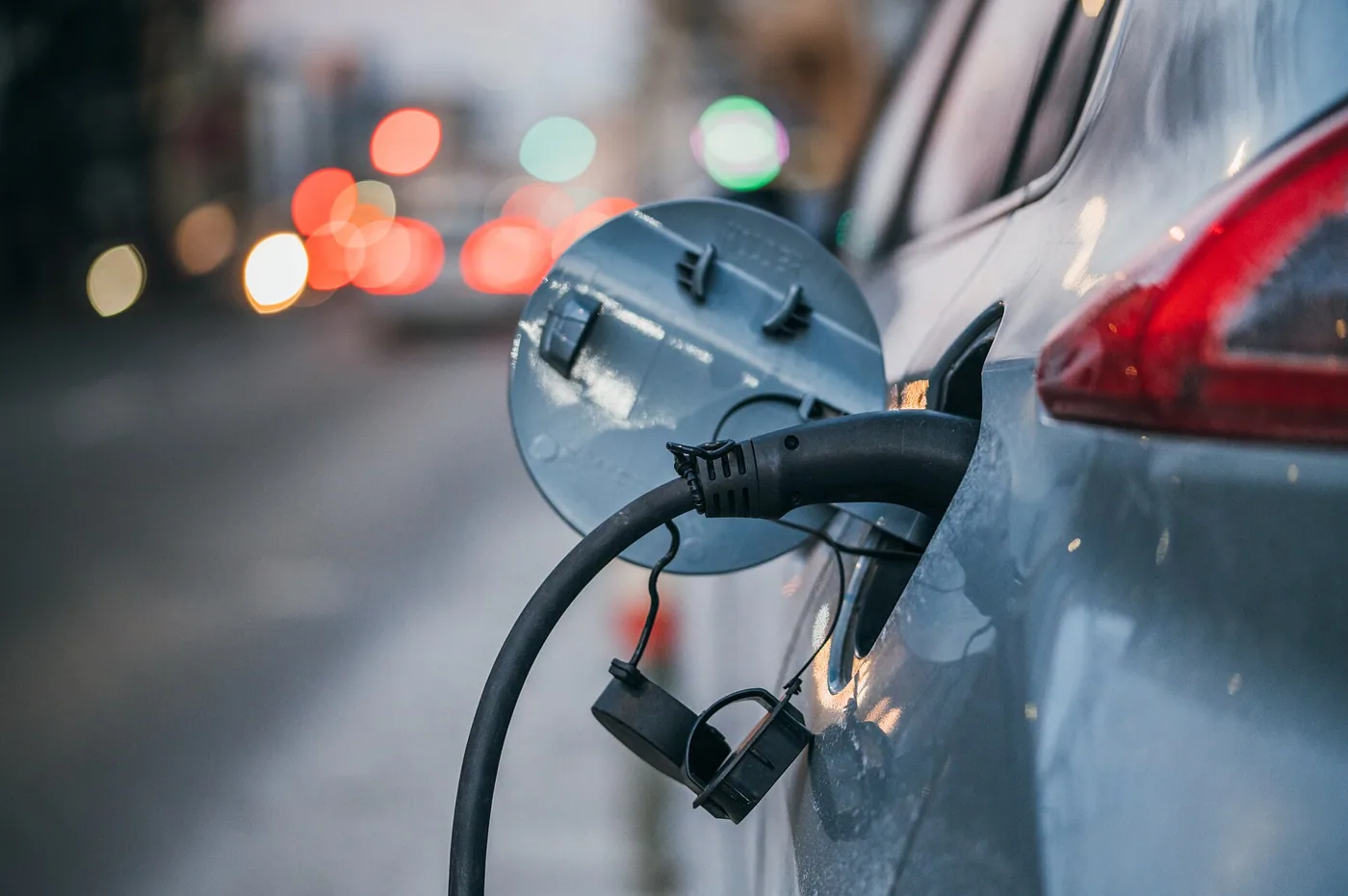
The station can be the constraint too. Available power may depend on voltage, shared equipment or other vehicles. A car cannot accept the charger's maximum just because the connector fits. Good route planning therefore considers the pairing of vehicle and charger, together with the reliability of the location.
Plan around the next useful leg
On a well-served route, leaving before the slowest part of charging can shorten the total journey. That does not mean every stop should end at a fixed percentage. The next station, weather, diversions and a comfortable arrival reserve should determine how much energy you buy.
A longer lunch stop changes the calculation. If you are already staying, extra charging time may carry little inconvenience. The best strategy optimizes the whole day rather than pursuing a perfect charging statistic. Treat the peak figure as an equipment capability; treat the charging curve as the beginning of a travel plan.
Sources & further reading
These references provide background for this analysis. Product details, regional rules and market conditions can change; check the original source for its scope and date.
Something needs a closer look? Send a correction.