The debate around electric cars often begins with an extreme: the longest possible road trip, the fastest charging demonstration or a battery claim that promises to change everything. A purchase is more ordinary. It has to accommodate a school run, an apartment parking space, a wet motorway, a household budget and the possibility that plans change. The strongest argument for an EV, and the strongest objection to one, can therefore be the same thing: where this particular driver can reliably charge.
- Map a normal week and a recurring long journey before choosing battery capacity.
- Evaluate reliable charging access and a practical backup.
- Compare ownership costs with realistic tariffs and several resale assumptions.
Start with the week, then examine the exceptions
Write down the journeys you repeat before comparing vehicles. Include distance, how long the car remains parked and whether those parking periods coincide with a usable electricity connection. A person driving modest distances with an overnight space faces a different decision from a person covering the same mileage while relying on short public stops. Daily distance alone does not describe the task. Access to time and parking is part of the vehicle specification.
Then examine the longest trip that genuinely recurs. A monthly cross-country visit deserves more weight than a hypothetical expedition that has never happened. Map that actual route with the car's compatible charging networks, accounting for weather, passengers and luggage. A vehicle that handles ordinary life beautifully but makes an essential recurring journey exhausting is a poor fit. Equally, buying much more battery for a rare exception can impose a purchase cost every day to solve a problem that might have another practical answer.
Separate range from usable freedom
An official range rating provides a standardized comparison, not a guarantee for every road. Speed, temperature, load and driving conditions change consumption. The reserve a driver chooses to keep also changes the distance available between planned stops. Someone uncomfortable arriving with a small remaining charge will experience less practical freedom than a headline figure implies. That preference is legitimate and should be included in the decision rather than dismissed as a misunderstanding.
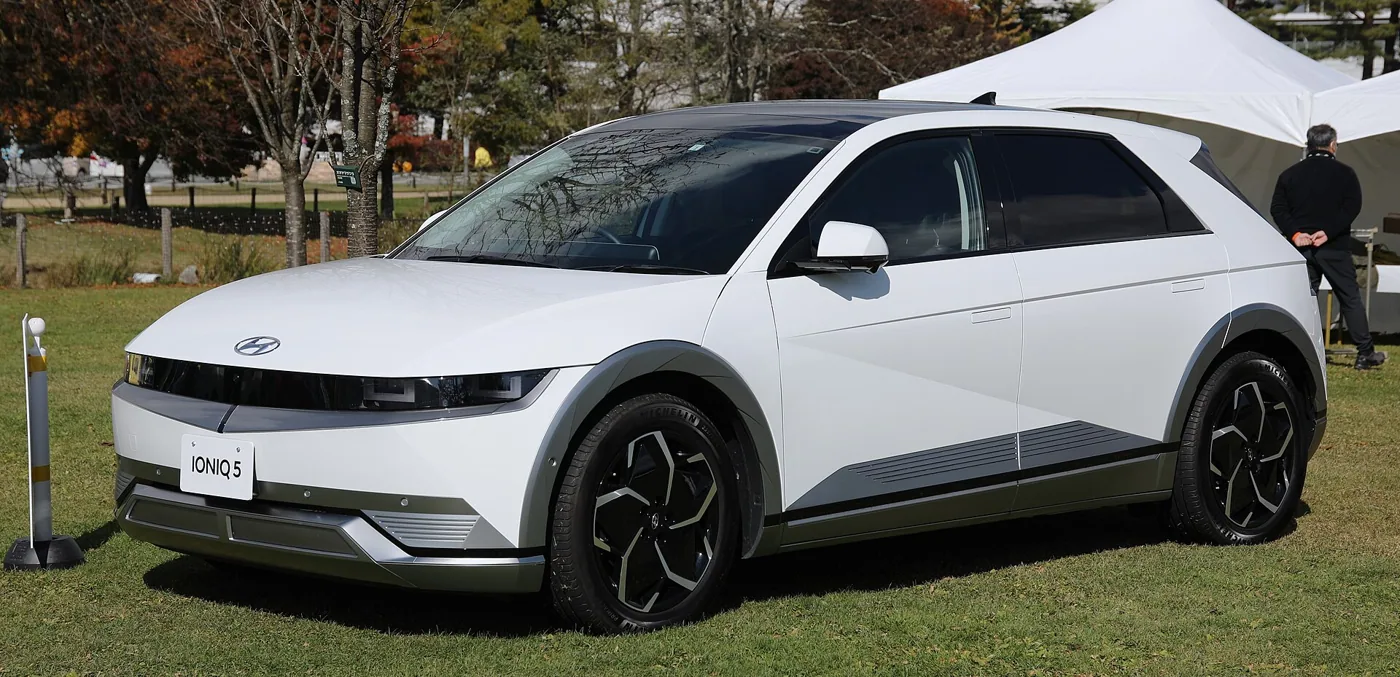
Consider two illustrative cars with different combinations of efficiency and battery size. If both cover your daily journeys comfortably, the one that uses less electricity may need fewer purchased kilowatt-hours and less charging time over the year. The larger battery can still be valuable on sparsely served routes. There is no universal winner because the limiting factor changes. Near home it may be purchase price; on holiday it may be the distance between dependable stations; in winter it may be the margin around an unavoidable diversion.
Charging is a relationship with a place
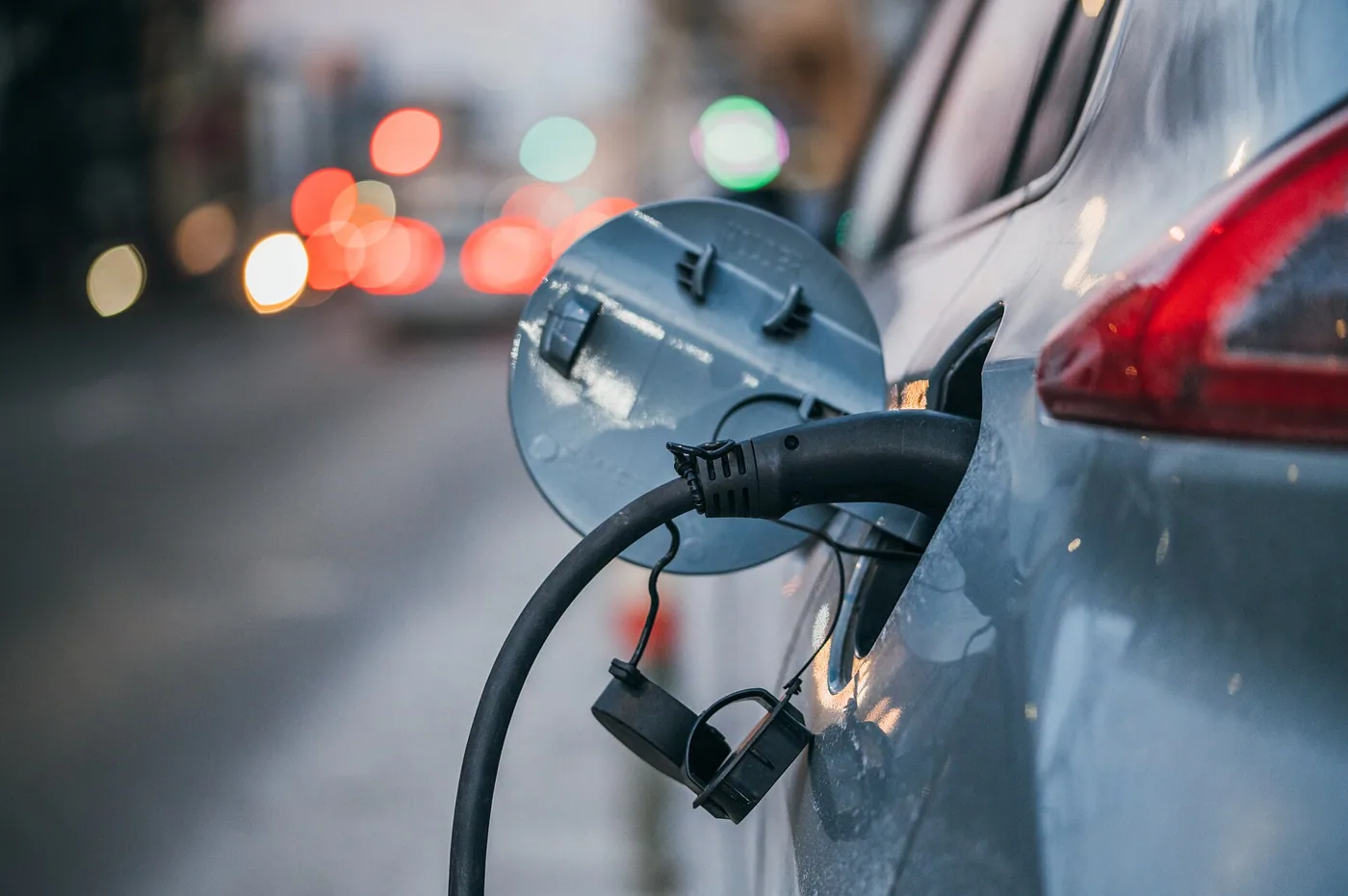
Home charging works well when it turns parked time into useful time. The purchase decision should include a qualified assessment of the electrical installation, a clear equipment quote and an understanding of the tariff. Advertised charger power is only one input. Cable reach, parking arrangements, billing and the vehicle's onboard AC limit can matter more than choosing the most powerful wall unit available.
For drivers using public infrastructure, visit the places you expect to use. Check access hours, lighting, payment arrangements and nearby alternatives. A charger beside a weekly supermarket visit can be more useful than a faster station that requires a special journey. Workplace charging may help considerably, but employment arrangements can change. The important question is what happens when the convenient option is unavailable for a few days. A credible backup turns a fragile plan into an ownership routine.
Compare the complete bill without promising savings
Electricity consumption is only one cost. Purchase price, depreciation, insurance, financing, tire replacement, servicing and installation belong in the same worksheet. Use your actual mileage and locally available tariffs. Keep public fast charging separate from home charging because their prices can differ materially. A saving calculated entirely from an inexpensive overnight rate is misleading if much of the car's energy will be bought on the motorway.
Give uncertain inputs a range. Estimate ownership with a favorable resale outcome and a less favorable one; repeat the calculation with higher electricity costs or fewer annual kilometres. If the decision only works under the most optimistic combination, it deserves closer attention. This is not a demand for perfect forecasting. It is a way to identify which assumptions are doing the work. Many households will value quiet operation and convenient charging even when the financial result is close, but those preferences should be stated openly.
A better demonstration is a rehearsal
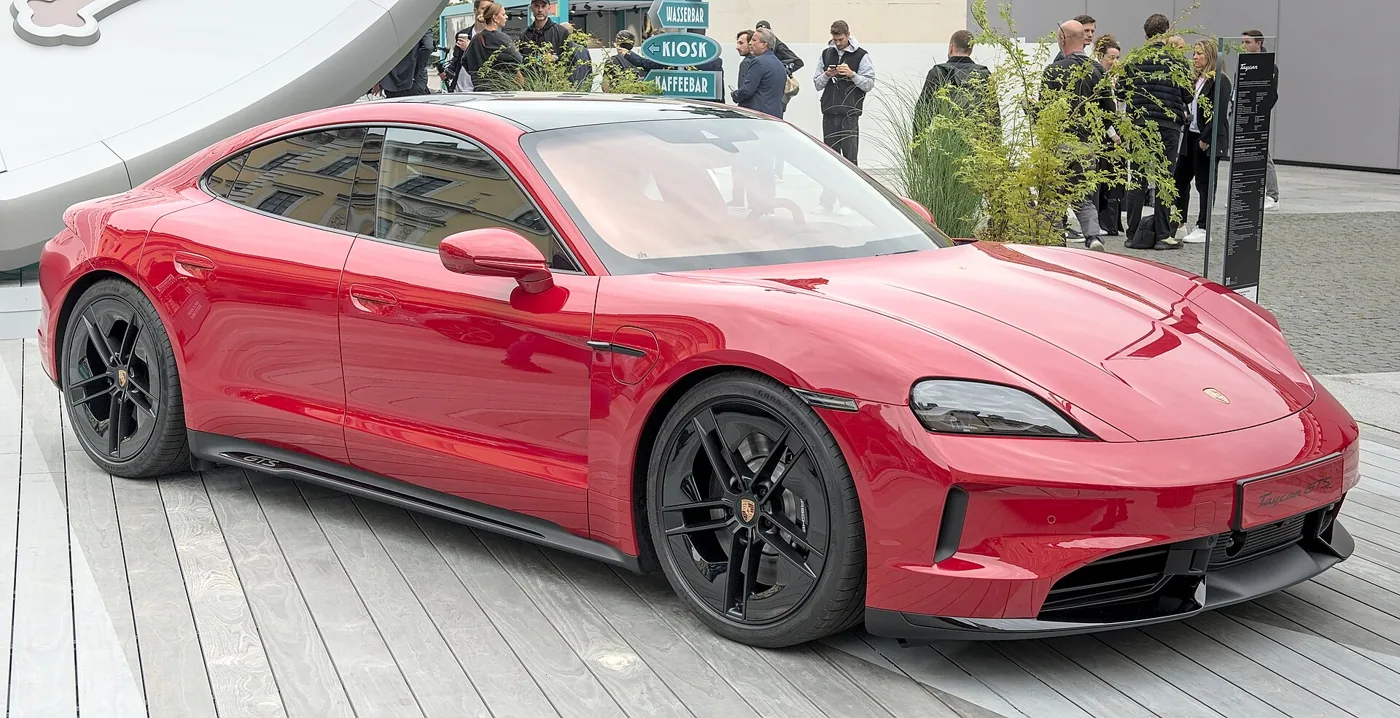
A useful evaluation includes the tasks an owner will perform: finding a charging stop in the navigation system, understanding the remaining-range display, setting a departure time and fitting the normal luggage. Ask the seller to explain charging compatibility and the battery warranty in writing. Request evidence for claims about performance in your climate. A polished acceleration demonstration tells you comparatively little about the parts of ownership that require adjustment.
The mature EV conversation is about a workable arrangement between a car, its driver and its surroundings. That arrangement can be excellent, acceptable with compromises or unsuitable for now. None of those answers needs a universal verdict on the technology. Buyers gain more from identifying their own constraints than from choosing a side in an argument. The car should make repeated journeys easier, and the charging plan should remain understandable when the day does not go exactly as expected.
Sources & further reading
These references provide background for this analysis. Product details, regional rules and market conditions can change; check the original source for its scope and date.
Something needs a closer look? Send a correction.