The quiet value of a maintenance plan
A useful service plan starts with the car you own, the journeys you make, and a record you can actually follow. Here is how to build one that lasts.
TORQUE JOURNAL
Thoughtful advice for the miles after the purchase. Care, preparation and the cost of keeping a car.
18 stories to explore
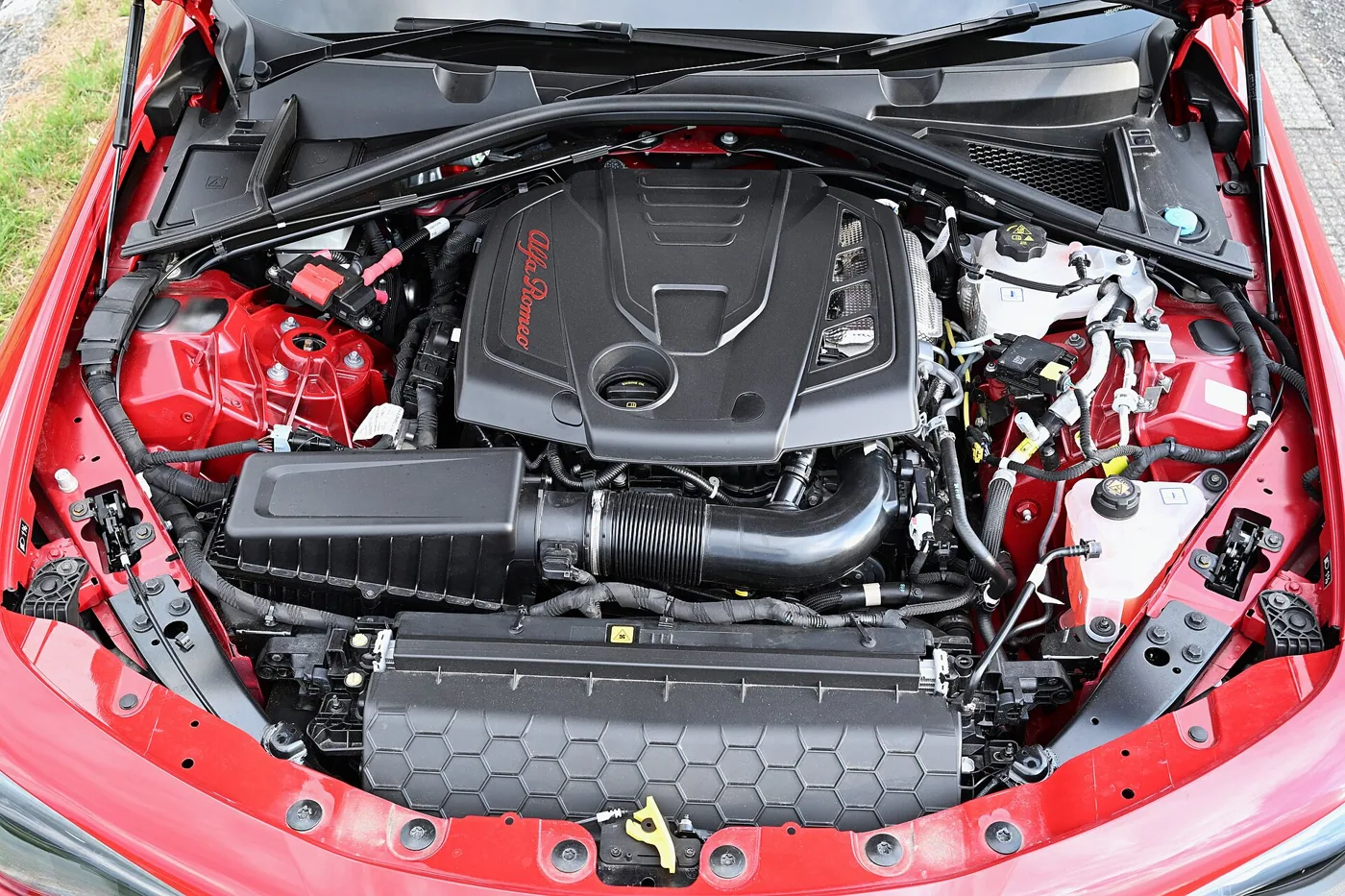
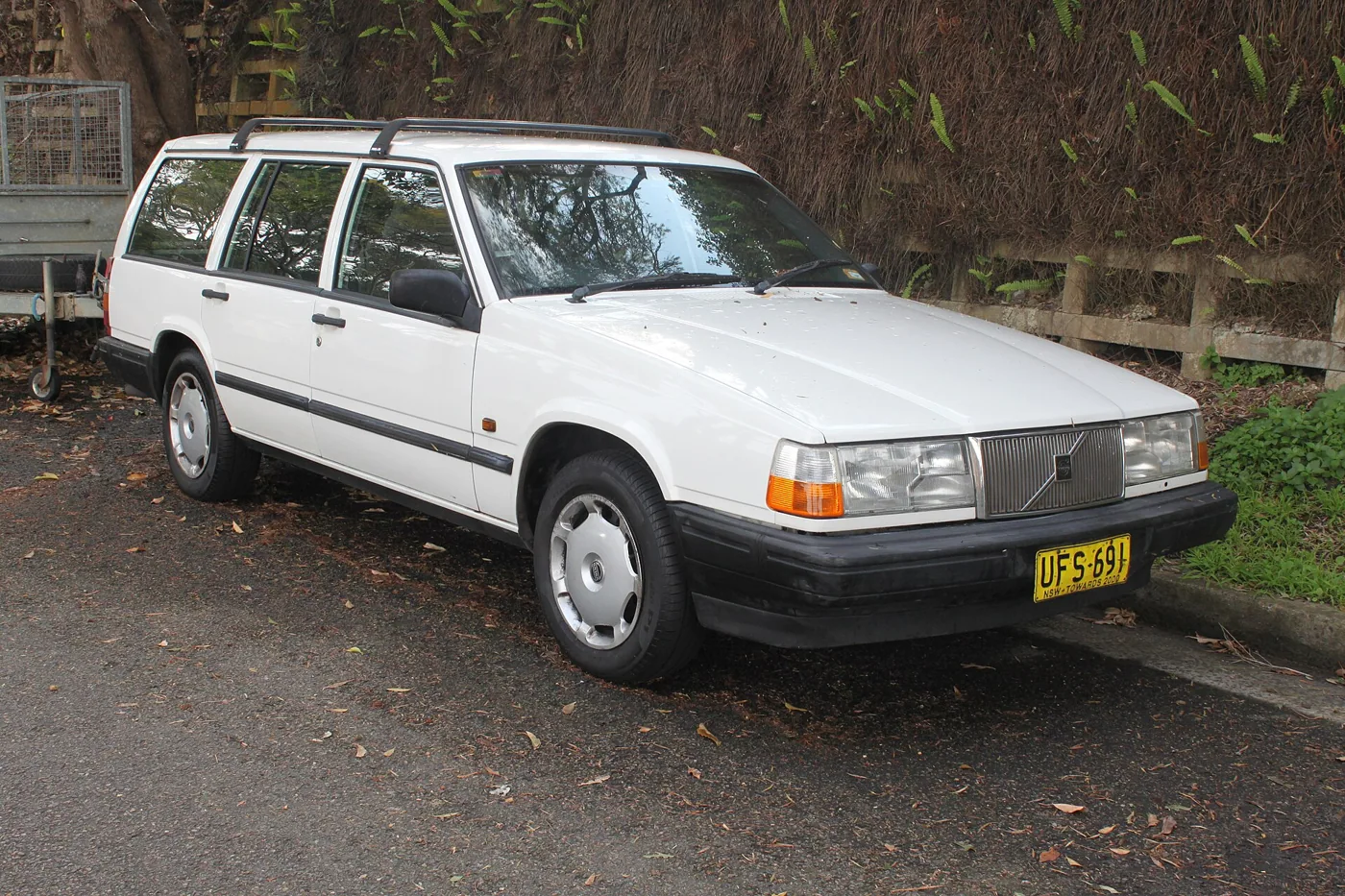
A useful service plan starts with the car you own, the journeys you make, and a record you can actually follow. Here is how to build one that lasts.
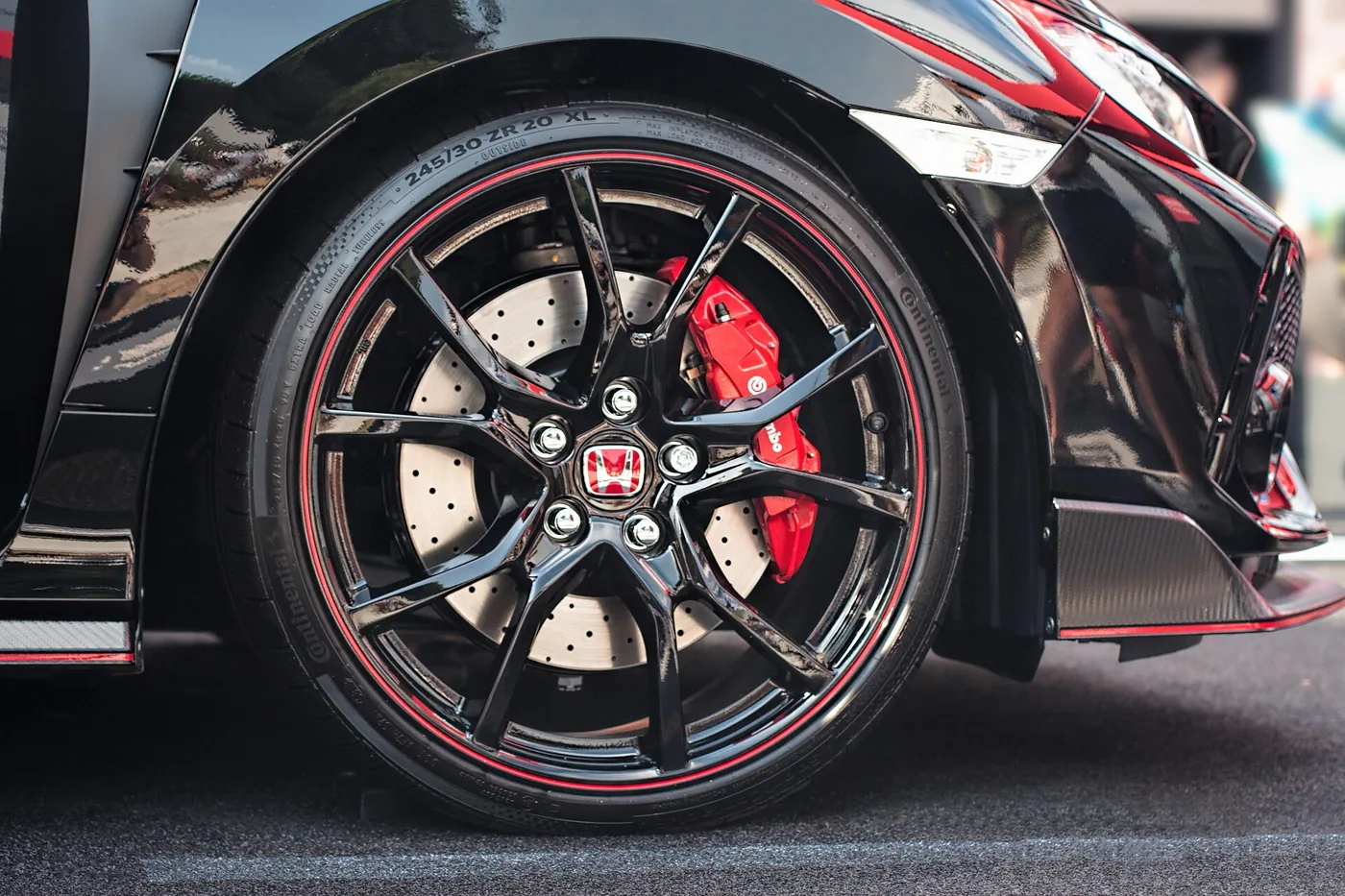
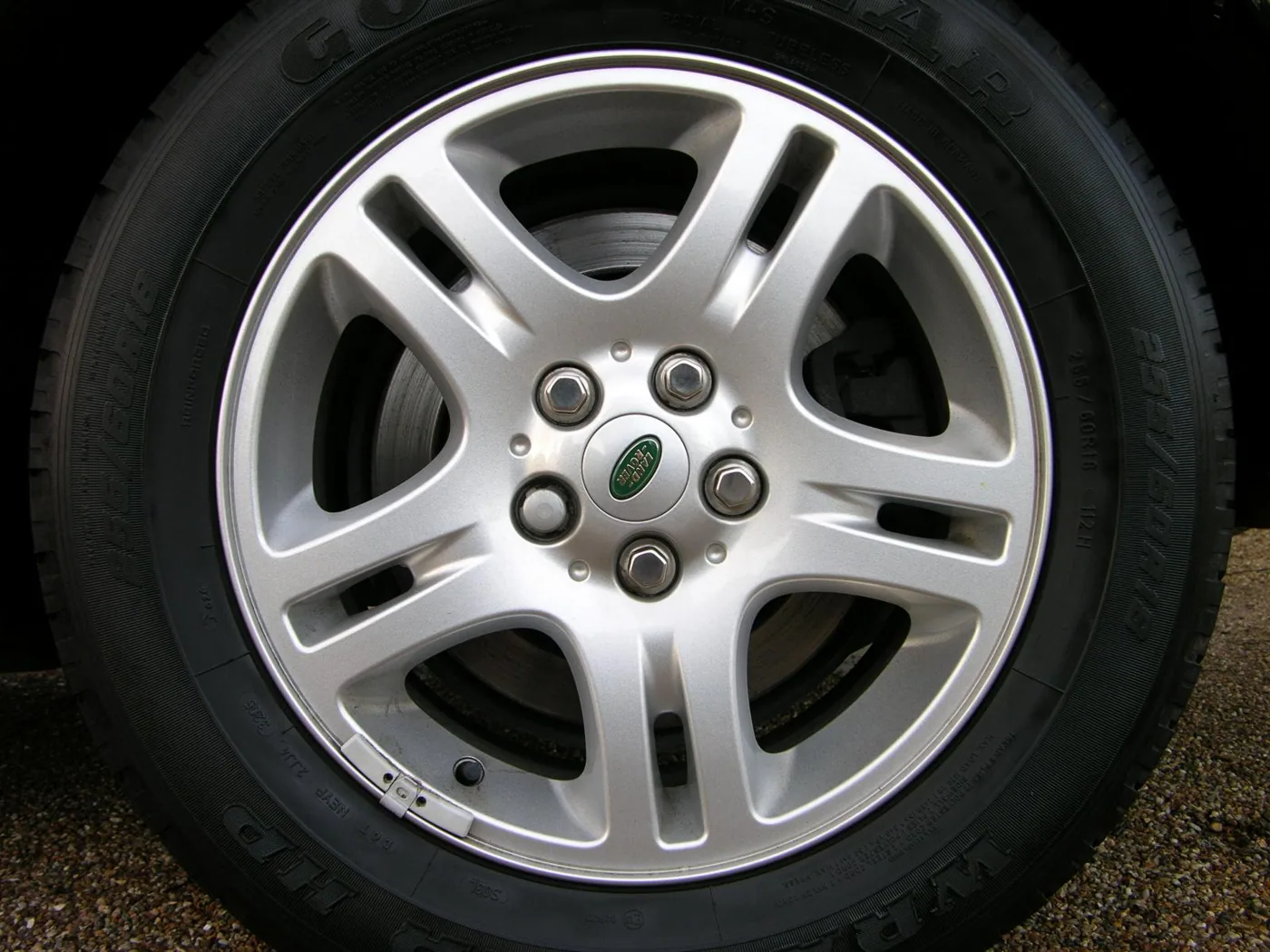
The right tire decision is a match between fitment, weather, everyday use, and replacement costs. A performance label alone cannot describe how a tire will fit your life.
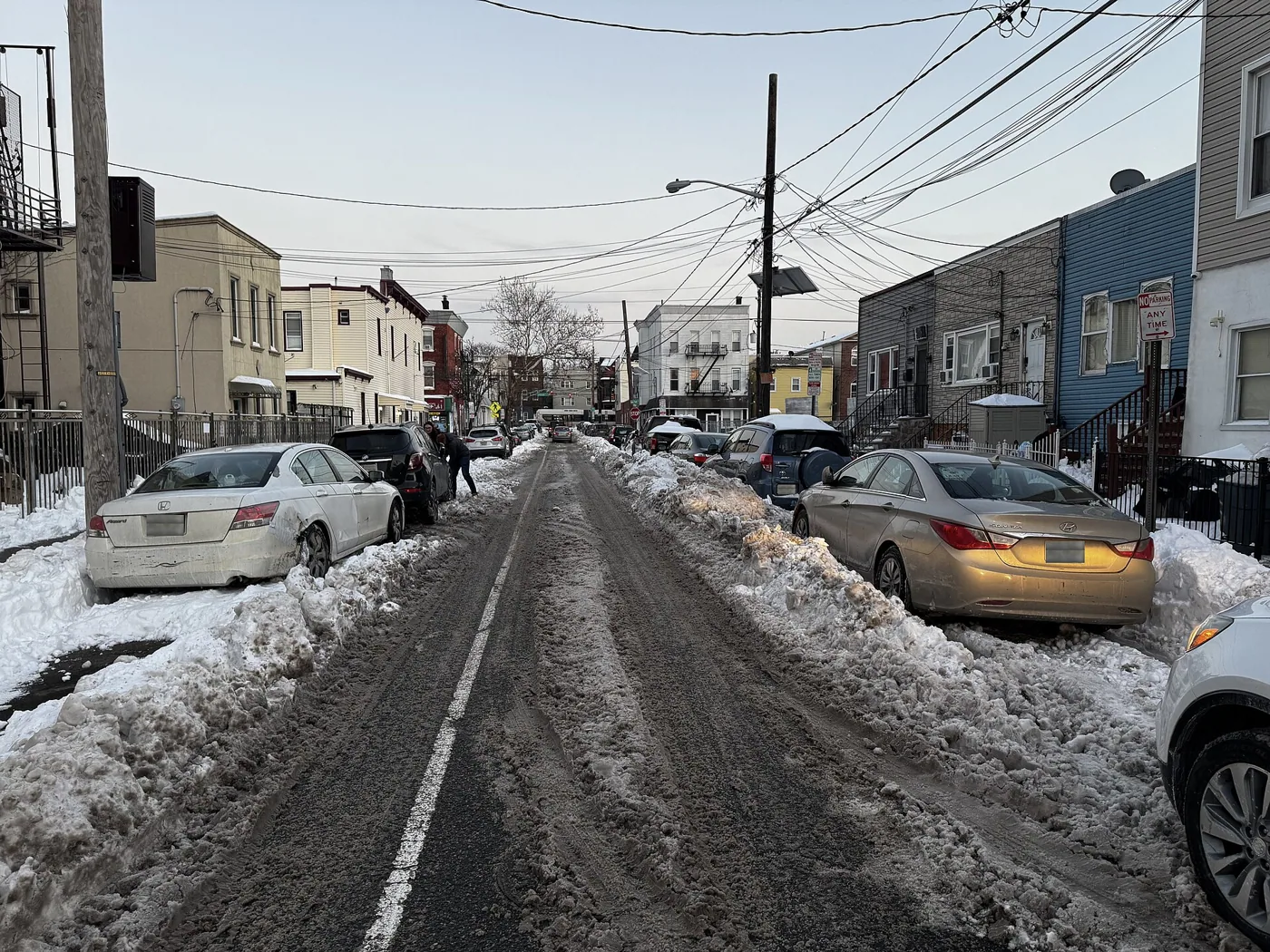
An emergency kit is useful, but a winter plan also needs a capable car, realistic journeys, and clear decisions about when staying home is the better option.
Heat changes the demands on the car and its occupants. A sensible summer routine focuses on preparation, comfort, and noticing changes before a holiday turns into a workshop visit.
A folder full of receipts becomes valuable when it explains what happened, when it happened, and what remains unresolved. Organize the history for the next decision, not merely for resale.
Fewer engine-related service tasks can simplify electric-car ownership. Tires, brakes, fluids, software, and model-specific inspections still deserve a deliberate plan based on the manufacturer's instructions and actual use.
Electric range becomes easier to understand when you compare similar journeys and leave room for uncertainty. Build a personal reference without turning every drive into a battery experiment.
A lower insurance price can describe a different product. Use a consistent comparison sheet to understand coverage, excesses or deductibles, exclusions, and the details that matter when making a claim.
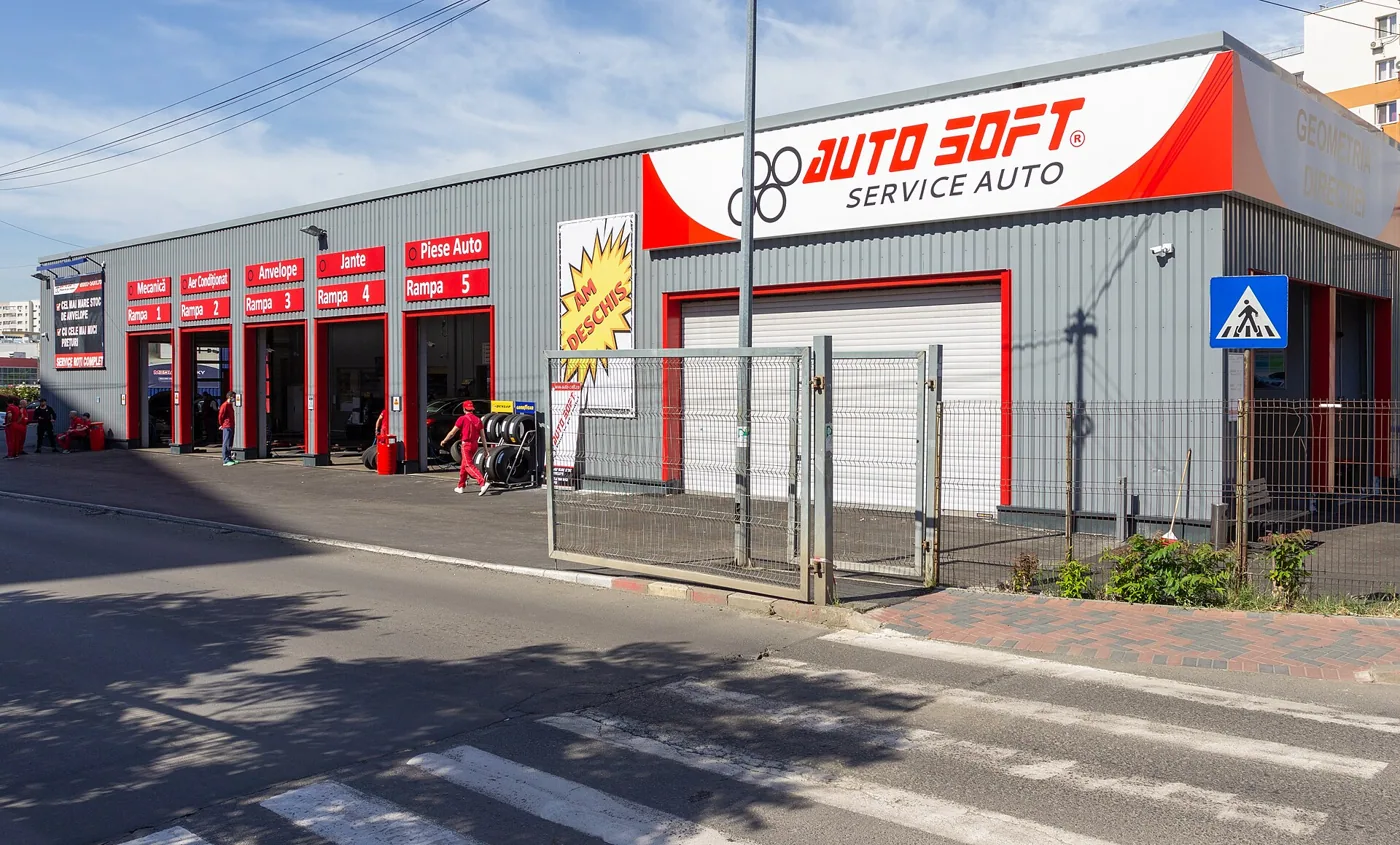
Choosing a repair shop is easier when the car still runs normally. Look for relevant experience, clear communication, and a process that explains what happens before work begins.
The handover is only the start. Use the first week to establish a reliable baseline, organize documents, learn the controls, and turn a promising purchase into a car you understand.
Checking a recall is an ongoing ownership task. Confirm the vehicle identity, read the specific instructions, arrange the remedy, and retain evidence that the relevant work was completed.
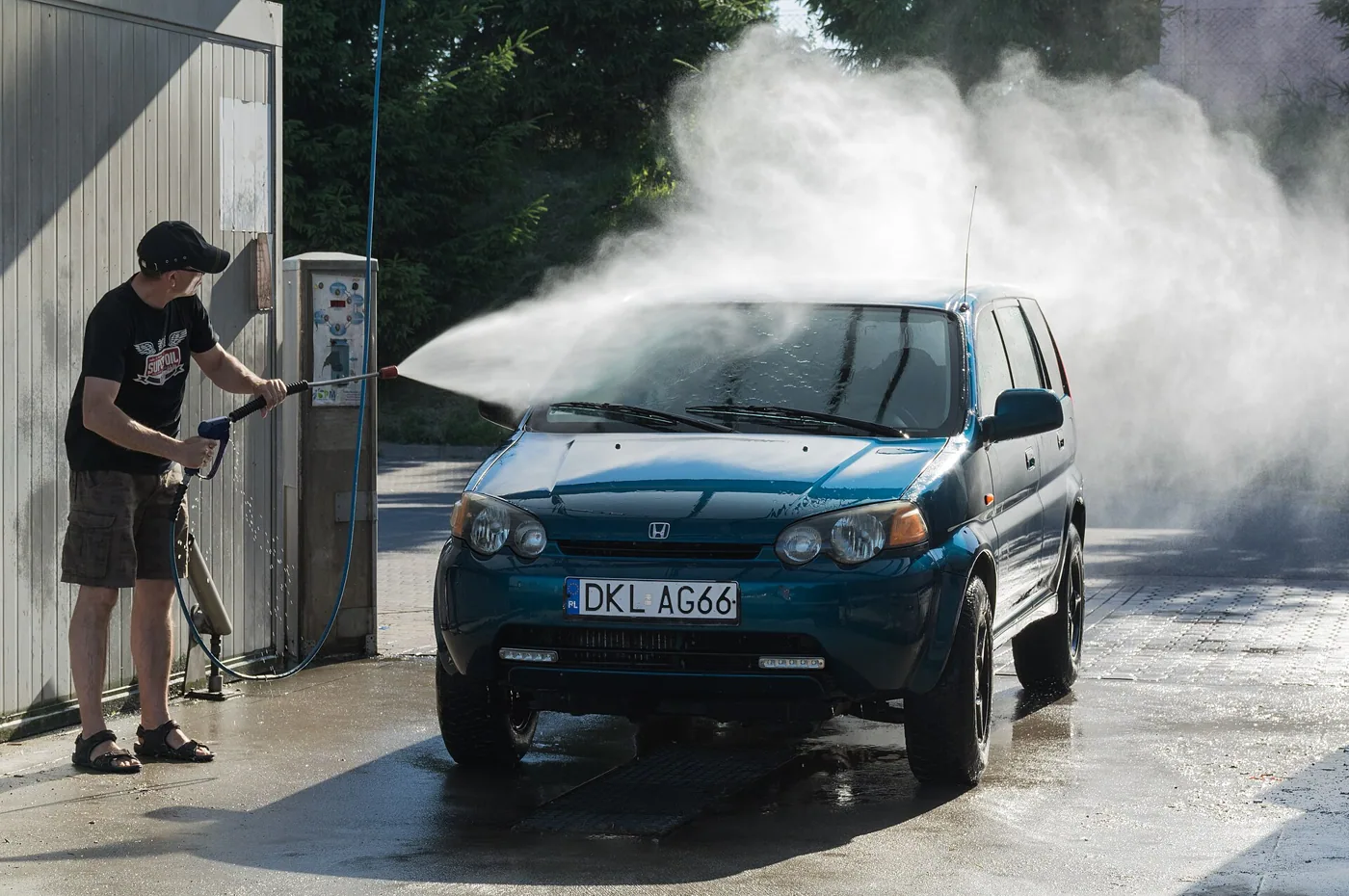
Routine cleaning can reveal damage, improve visibility, and make the cabin more pleasant. Build a modest process around the vehicle's materials and instructions instead of an endless collection of products.
An extended break changes the needs of a vehicle. Prepare the storage location, follow model-specific guidance, and make the return to driving part of the plan from the beginning.
Good packing balances capacity, access, security, and passenger comfort. Start with the journey's sequence rather than trying to fill every available gap in the luggage compartment.
Before leaving a rental lot or borrowing a friend's car, learn the controls that matter. A short pause can prevent an unfamiliar dashboard from competing with an unfamiliar road.
Dashboard alerts need a response grounded in the manual and the situation. Record what happened, follow the stated instructions, and give the workshop observations rather than an internet diagnosis.
Security products can support a sensible routine, but ordinary habits still matter. Think about keys, parking, personal information, and what happens if the vehicle or its contents go missing.
Energy spending is visible, but it is only one part of living with a car. Build a personal cost record that includes recurring bills, irregular maintenance, and the time ownership consumes.
Try a broader subject, a different spelling or clear your filters.
Explore all stories ↗Analysis and explainers, with sources linked in every article.