A summer trip often asks more of a car than an ordinary week: more passengers, more luggage, unfamiliar roads, and longer stretches in warm weather. The preparation should reflect that changed workload. It is less about buying a special collection of seasonal products and more about making sure familiar systems are ready for a less familiar day.
- Allow time for inspection and follow-up before departure.
- Use climate controls for comfort and clear visibility.
- Review loading, access height, and luggage security.
Inspect before the itinerary fills up
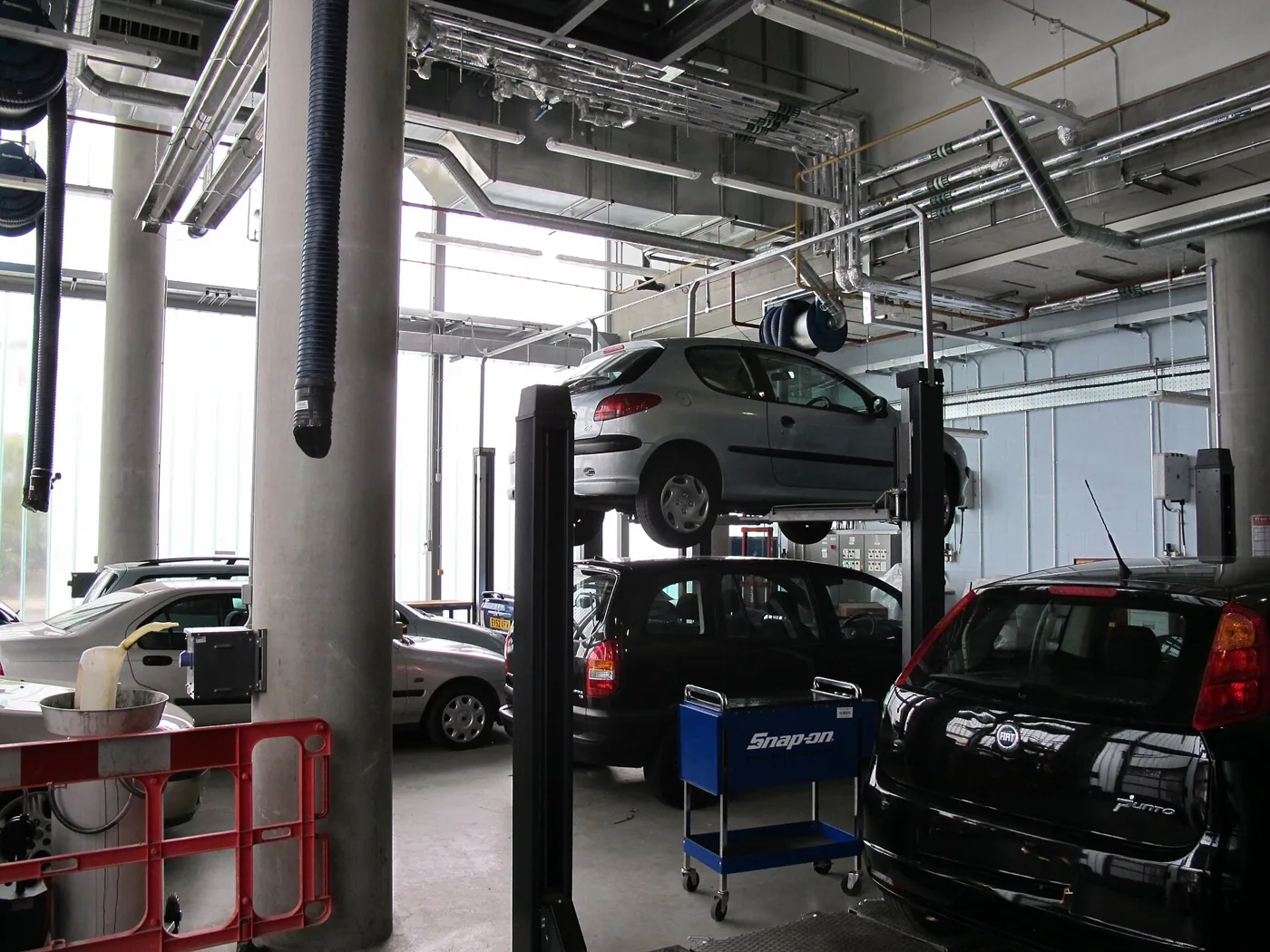
Book needed maintenance far enough ahead of departure to leave room for follow-up. Mention any changes in temperature readings, air-conditioning performance, starting behavior, or fluid loss to a qualified workshop. Do not attempt to interpret a persistent warning through the weather alone. A hot day may reveal a problem without being its complete explanation.
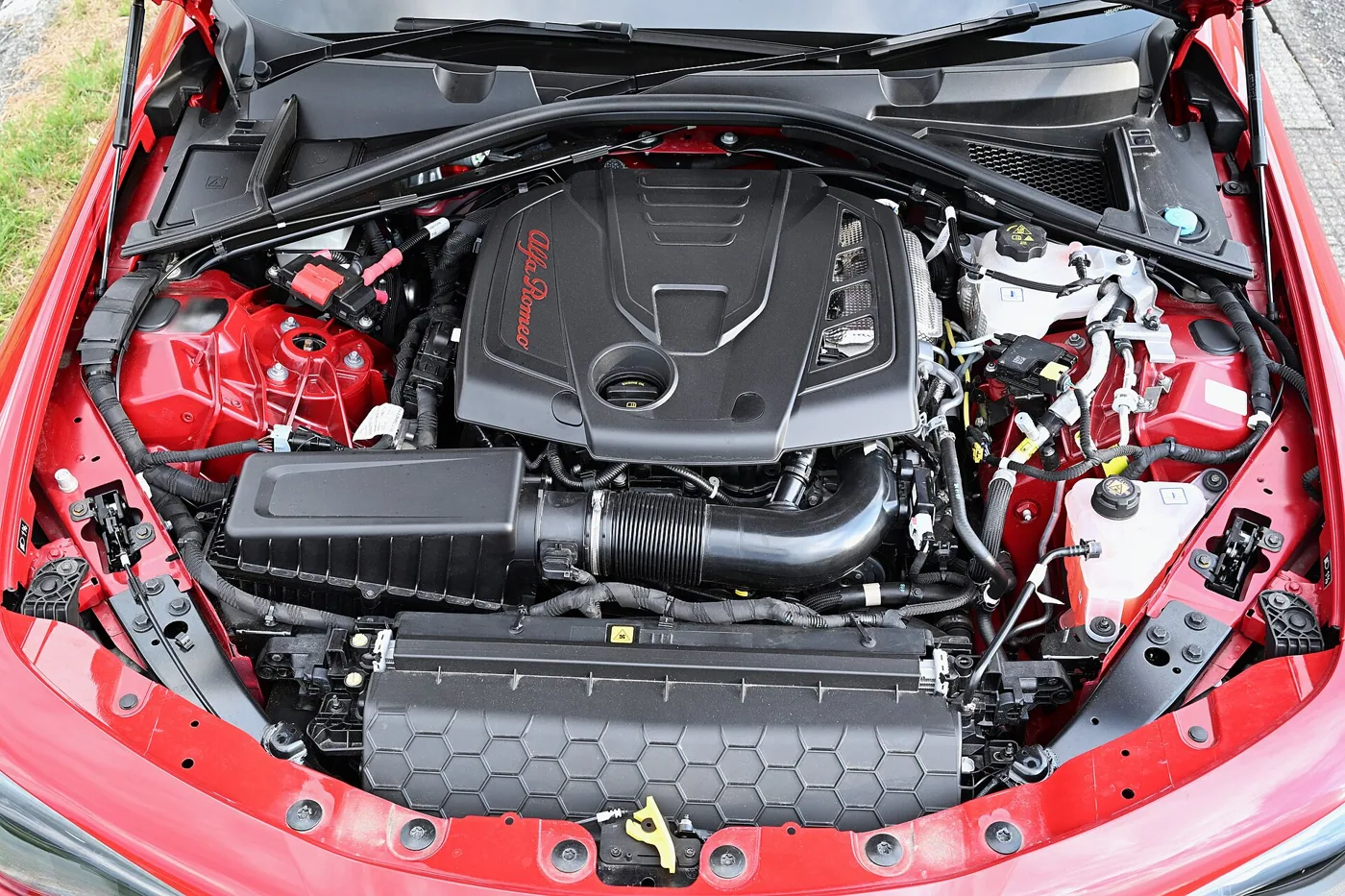
Consult the manual for the correct inspection and fluid requirements. Engine cooling systems and high-voltage components deserve professional attention when a fault is suspected. A holiday deadline is a poor reason to improvise an unfamiliar repair. Build the plan around identifying a concern and arranging competent help, rather than carrying parts you do not know how to use.
Reduce the cabin's workload
FuelEconomy.gov explains that air-conditioning use can increase energy demand and that reducing cabin heat before departure can help. Shade, an appropriate sunshade, and permitted preconditioning are therefore practical tools. Their usefulness varies with the vehicle and parking situation. Comfort and clear visibility should remain the priorities when deciding how to use climate controls.
Prepare before passengers climb in. Locate water, set the route, and establish a comfortable temperature without turning the driver's seat into a last-minute control center. Never leave children or vulnerable occupants in a parked vehicle. For an enjoyable journey, the question is not how little cooling you can tolerate, but how to make the cabin comfortable with minimal distraction.
Think about the loaded car
Holiday luggage changes daily habits. Check the vehicle's loading guidance and keep heavy items properly secured. Avoid assuming that an empty roof box is consequence-free simply because it is convenient to leave fitted. Know any height changes and access restrictions before entering garages or accommodation parking. A note near the driver's view can serve as a useful reminder.
Consider arrival as carefully as departure. If the boot is packed in layers, keep essential items accessible at the first stop. Place valuables out of sight and remove them when leaving the car where possible. Thoughtful packing reduces the urge to rearrange belongings in exposed or awkward places when everyone is already tired.
Watch for changes during the trip
A brief walk around the car at a safe stop can reveal a damaged tire, an unsecured load, or a forgotten item. Treat an unfamiliar smell, warning, or change in behavior as information that needs attention. Follow the manual's response instructions and seek assistance when required; do not continue solely because the destination appears close.
After returning, restore the car to its ordinary role. Remove unnecessary holiday equipment, replenish useful supplies, and record any concern that emerged. A summer journey can be a helpful ownership audit because it exercises parts of the vehicle rarely used on the commute. The reward for noticing those details is a calmer next trip, whatever the season.
Sources & further reading
These references provide background for this analysis. Product details, regional rules and market conditions can change; check the original source for its scope and date.
Something needs a closer look? Send a correction.