EXPLORE THE SUBJECTIndustry.
The forces reshaping the car business, from factory floors to a changing global market.
 ↗
Industry/4 min read
A global EV headline can conceal very different regional markets. A closer reading of 2024 sales shows why affordability, charging access and industrial strategy need to be discussed locally.
 ↗
Industry/3 min read
A fast-changing showroom can coexist with a slowly changing vehicle fleet. Understanding the difference helps explain why infrastructure, repair services and fuel demand evolve on different timelines.
 ↗
Industry/3 min read
Battery costs influence EV pricing, but the showroom figure also reflects engineering, production scale, distribution and commercial choices. The path from a cell-price headline to an affordable vehicle has several steps.
 ↗
Industry/3 min read
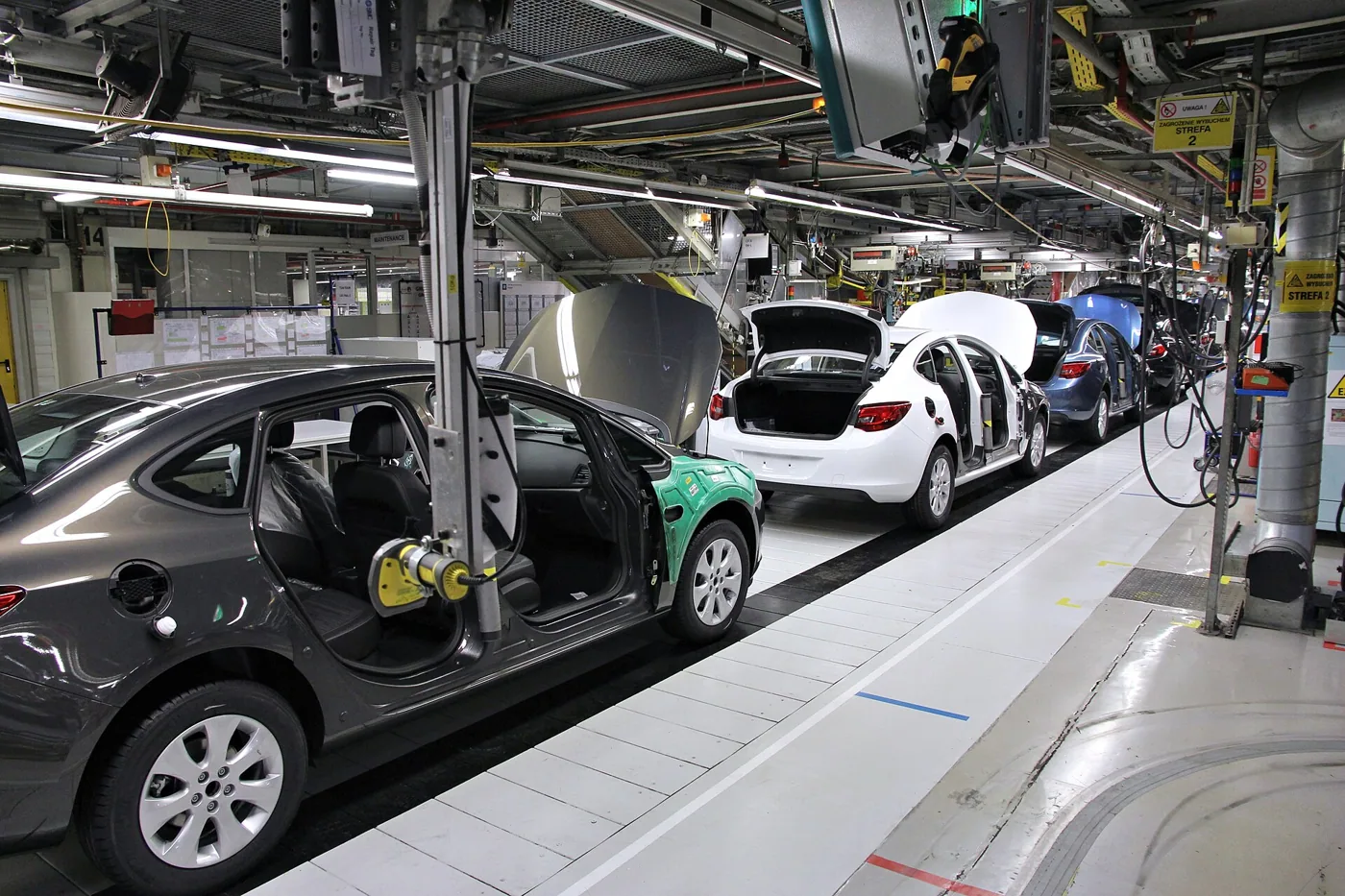
Producing several powertrains or models in one factory can help manage uncertain demand. The benefit depends on how much flexibility is useful and how much complexity the operation can absorb.
 ↗
Industry/3 min read
A low entry price is only the beginning of accessibility. Finance, insurance, servicing and the availability of the advertised version determine whether a new car is affordable in practice.
 ↗
Industry/3 min read
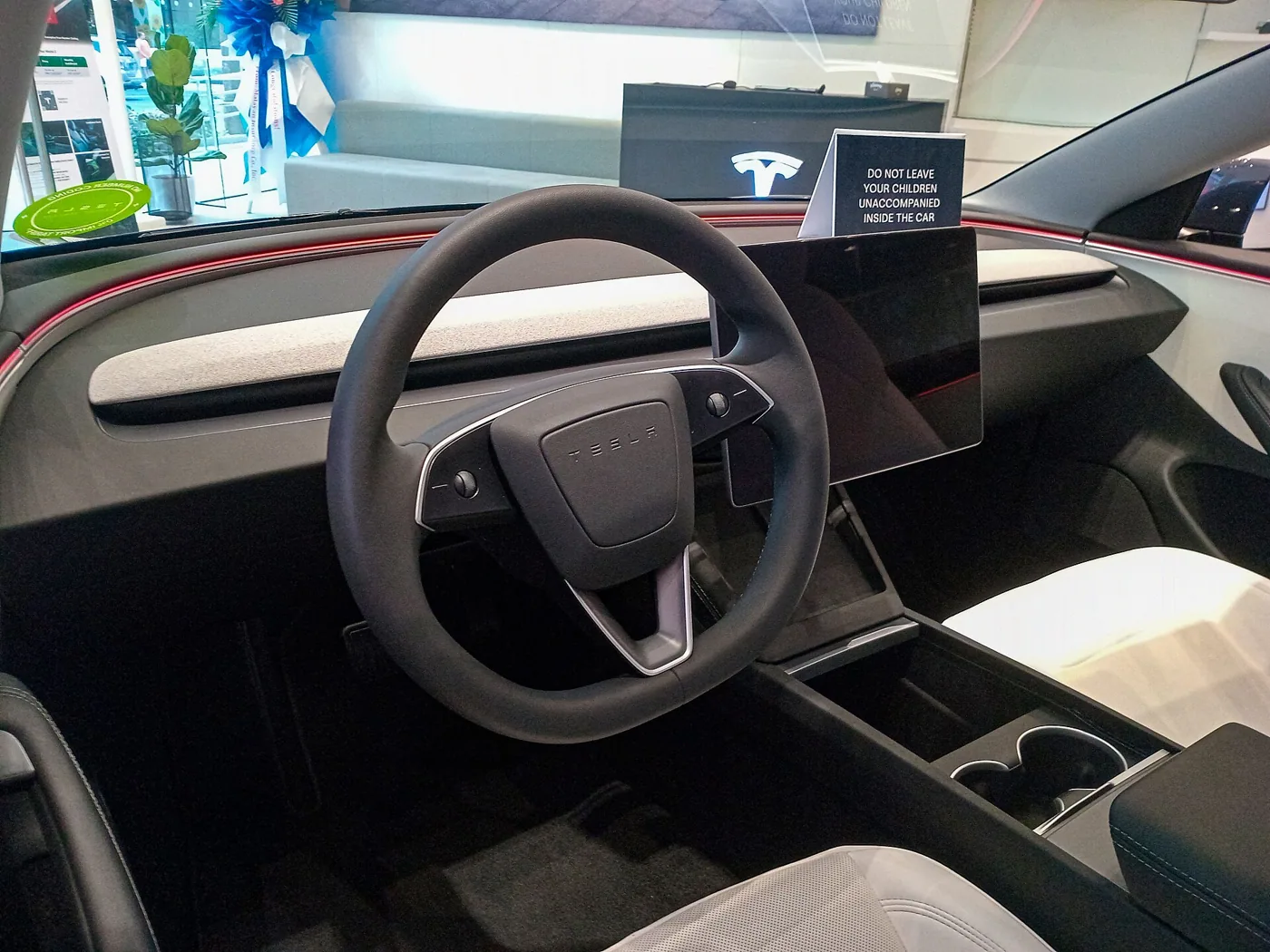
Connected features can improve a vehicle after delivery, but they also create dependencies. Buyers need to know which functions rely on continuing software, services and account support.
 ↗
Industry/3 min read
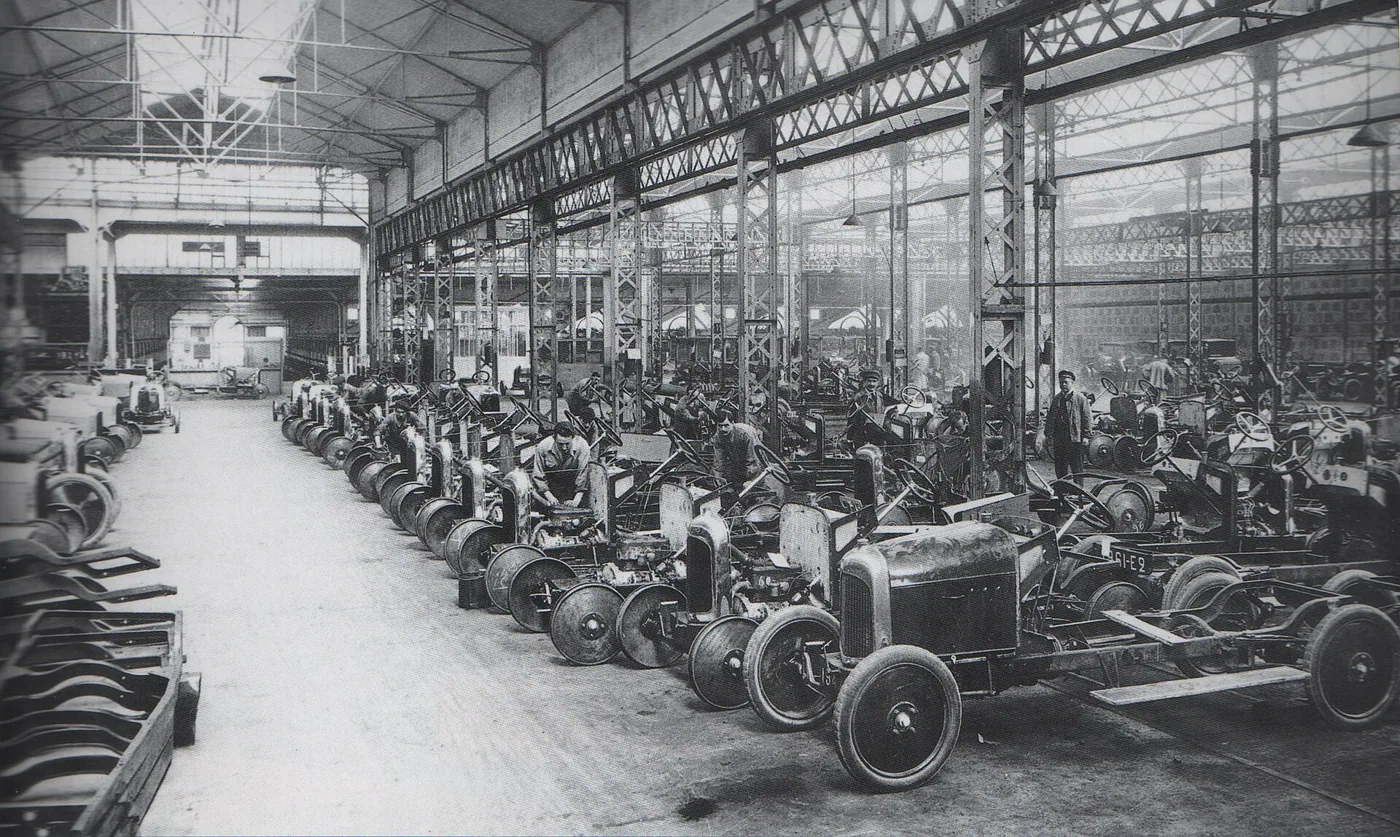
A car’s value depends partly on how readily it can return to service after damage. Parts, diagnostics and repair procedures deserve attention alongside the engineering that makes production efficient.
 ↗
Industry/3 min read
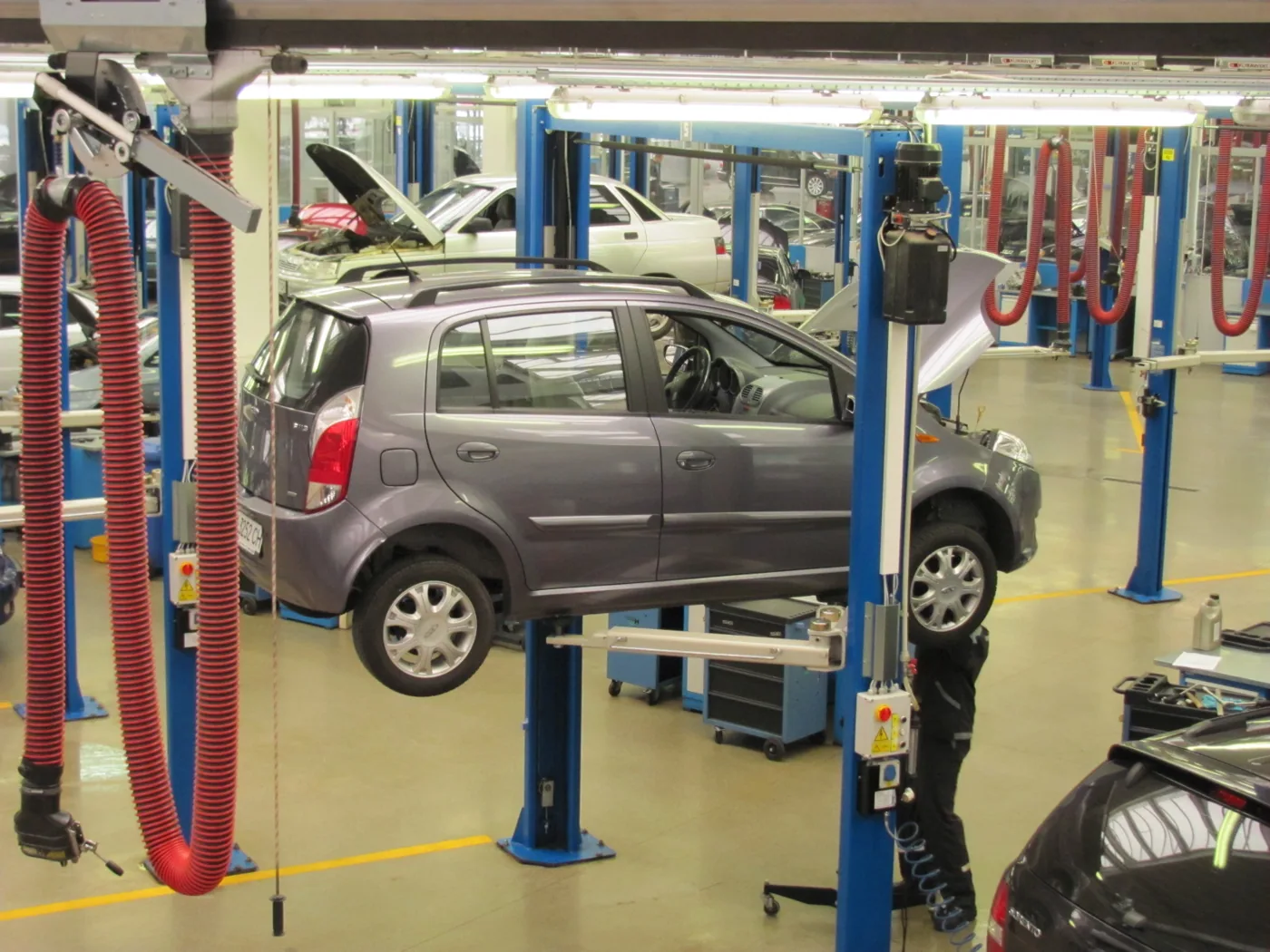
Recovering valuable materials is only part of the challenge. Collection, transport, sorting and a predictable supply of suitable batteries determine whether recycling can scale into a durable industry.
 ↗
Industry/3 min read
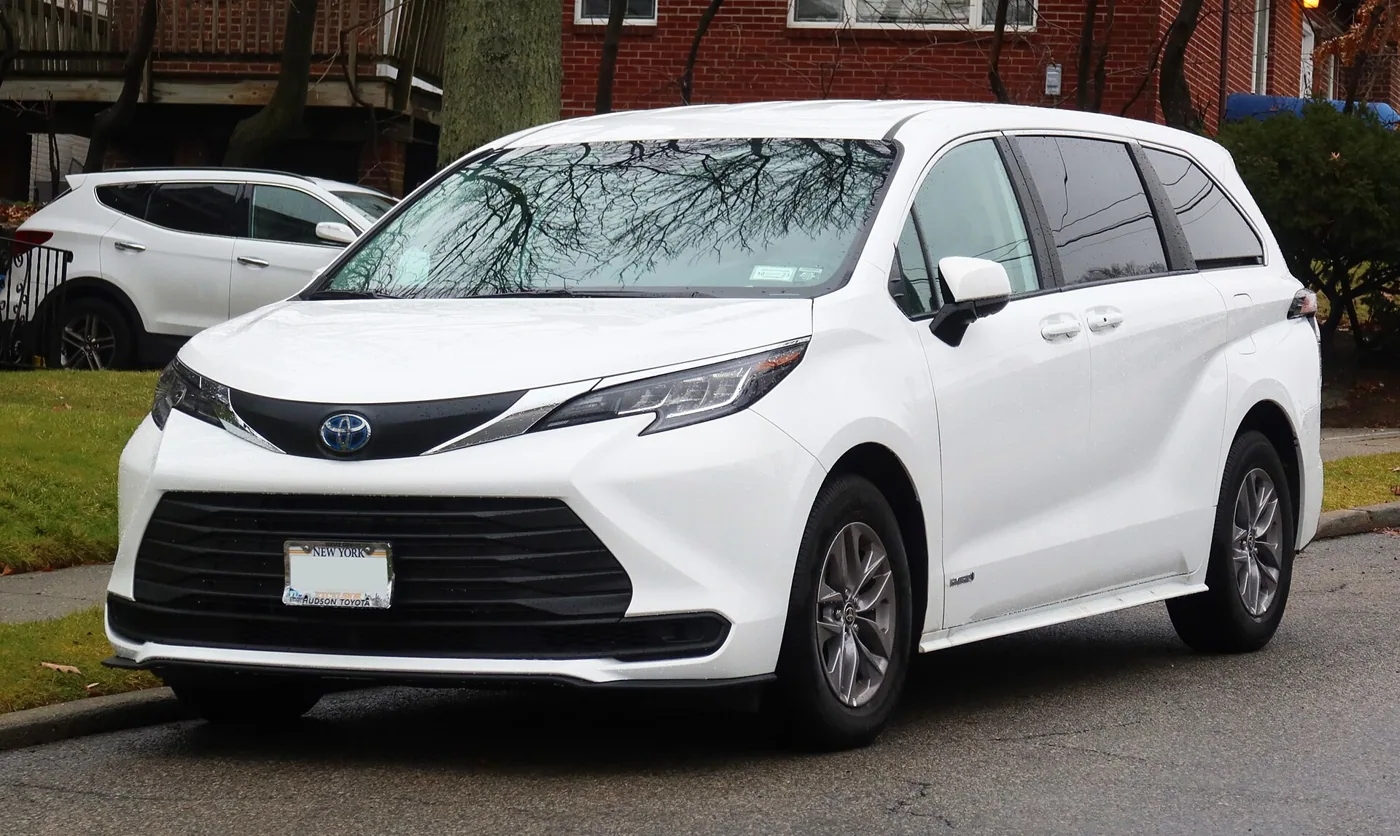
A vehicle’s final assembly address reveals only one layer of production. Cells, electronics, materials and engineering services can connect that factory to a much wider industrial network.
 ↗
Industry/3 min read
The right fleet vehicle is defined by its work. Routes, dwell time, payload and operational flexibility should shape an electrification plan before a procurement team compares headline range.
 ↗
Industry/3 min read
Depreciation reflects what a future buyer expects to receive and support. For newer technologies, clear condition records, predictable service and sensible new-car pricing can be as important as headline specifications.
 ↗
Industry/3 min read
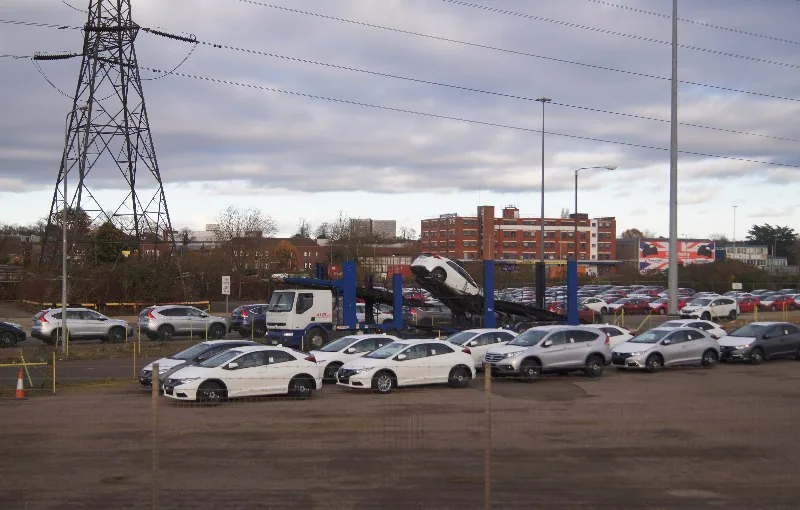
Installing powerful hardware does not guarantee a successful charging location. Utilization, access, maintenance and the surrounding customer experience determine whether the site becomes useful and financially durable.
 ↗
Industry/3 min read
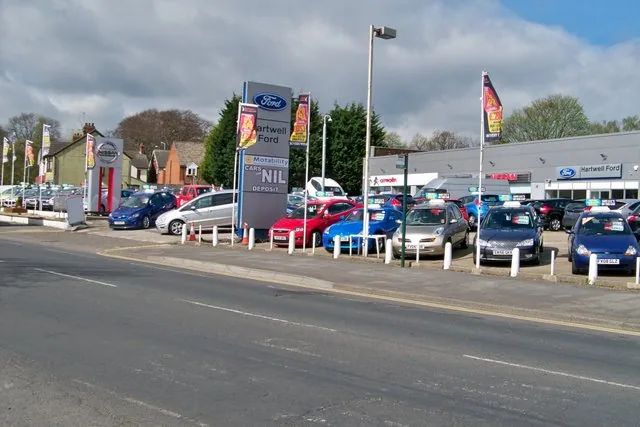
Buying an electric car introduces questions about homes, tariffs and travel routines. Retail expertise creates value when it turns technical specifications into a clear ownership plan the customer can verify.
 ↗
Industry/3 min read
A common connector is an important step toward easier charging. The complete experience also depends on electrical compatibility, communication, payment and support across vehicles and networks.
 ↗
Industry/3 min read
Larger vehicles can provide useful capability, but their dimensions influence energy demand, materials and the spaces they occupy. The industry’s product mix deserves analysis beyond a simple popularity ranking.
 ↗
Industry/3 min read
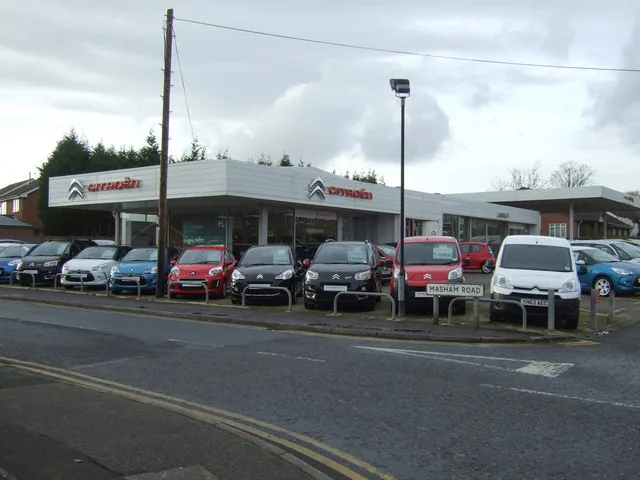
Vehicles can collect information about journeys, accounts and behavior. Clear settings, purposeful data use and a reliable ownership handover are becoming part of a trustworthy automotive product.
 ↗
Industry/3 min read
Entering a new car market is easier to announce than to support. Long-term success depends on service, documentation and local product fit after the first vehicles leave the port.
 ↗
Industry/3 min read
Launch announcements mix delivered products, technical targets and future ambitions. A disciplined reader separates those categories and asks which claims can already be checked against a purchasable vehicle.
Analysis and explainers, with sources linked in every article.