A fall in battery costs is good news for the possibility of more affordable electric vehicles. It is not a promise that every car's retail price will fall by the same percentage. Cells are one part of a pack, a pack is one part of a vehicle, and the vehicle passes through a commercial system before reaching a buyer. Understanding those layers makes pricing headlines easier to interpret.
- Separate cell, pack and complete-vehicle costs.
- Check whether lower cost is being used for range, features or price.
- Evaluate final purchase terms rather than assuming cost savings pass through automatically.
Identify which battery price is being quoted
A report may discuss cell prices, pack prices or a blended industry average. Those are not interchangeable. Chemistry, order size, region and contract timing can influence the figure. An average drawn from a large production market may not represent the price paid by a smaller manufacturer elsewhere.
The IEA's 2025 battery chapter describes falling battery prices and regional differences during the preceding period. That provides historical context, but an individual automaker's procurement arrangements remain separate. Companies may buy under contracts or carry inventory purchased at earlier costs, so changes can reach production economics gradually.
The pack has more than cells
A complete battery needs structure, cooling, monitoring, connections and assembly. Those elements also have costs. Improvements in cell pricing can be partly offset if a new vehicle includes a larger battery or more elaborate thermal hardware. The direction of cost per kilowatt-hour does not by itself establish the direction of total pack cost.
For buyers, this is one reason efficiency matters. A vehicle that achieves a useful range with less capacity may require less battery expenditure overall. Engineering can convert a technology improvement into longer range, lower cost, improved performance or some combination. The product brief determines which benefit reaches the customer.
Factories need volume and consistency
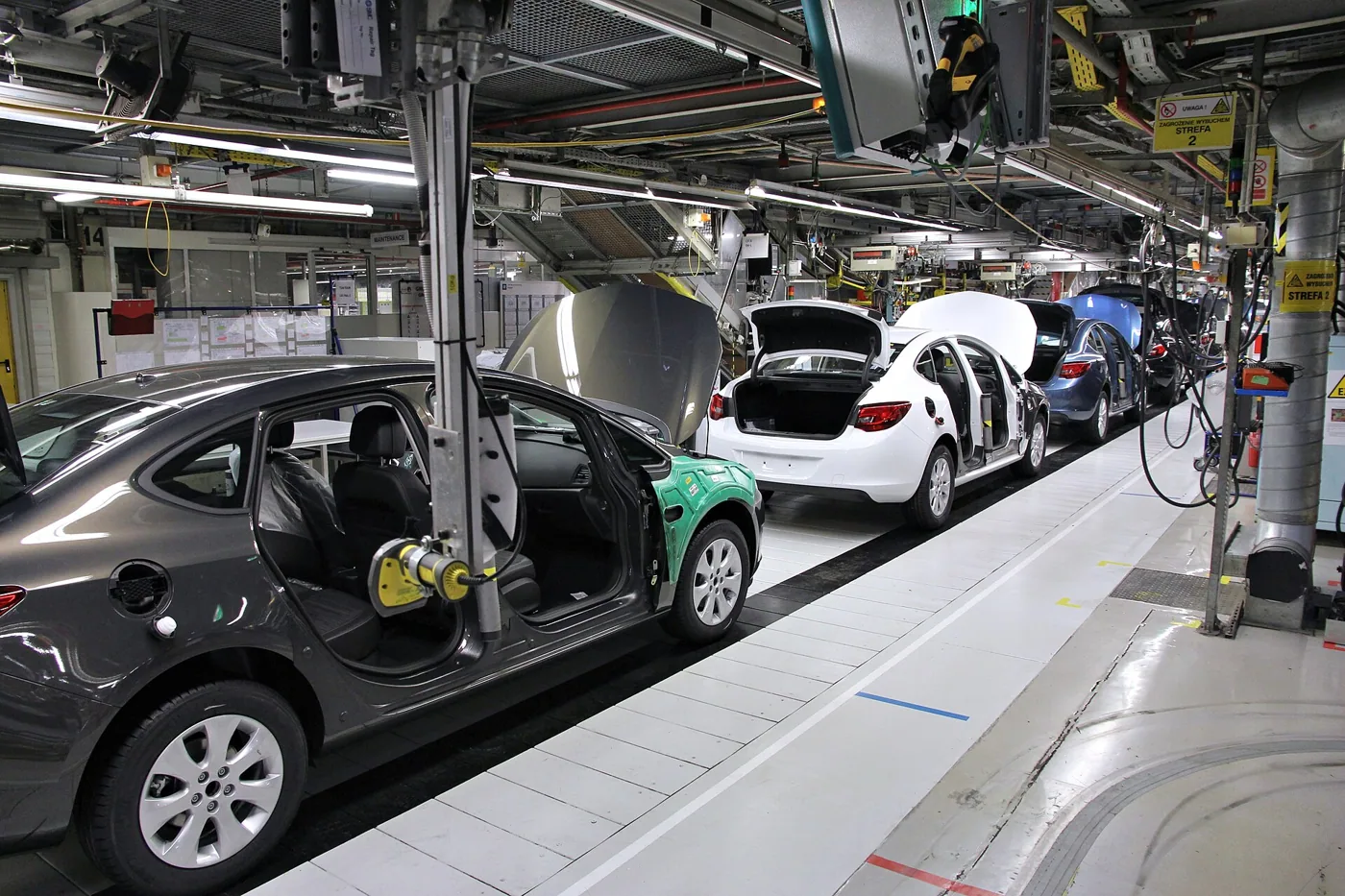
Engineering, tooling and plant overhead must be supported by vehicles sold. A low component cost cannot fully compensate for an underused factory or a complex product range. Quality problems and expensive rework can also absorb savings that appear attractive in a simple bill-of-materials comparison.
Manufacturers therefore care about stable production, supplier quality and a sensible mix of versions. A new model may initially cost more to build than it will after the process matures. Retail pricing can reflect that transition as well as competitive pressure and the company's broader financial position.
Price is also a commercial decision
An automaker can use lower costs to reduce prices, improve margins, fund features or support incentives. Distribution, taxes, currency movements and financing offers further shape what a customer pays. A lower list price can even be less meaningful than a change in the total financed cost.
When reading a battery-cost announcement, ask which layer it describes and how it might influence an actual product. Avoid assuming a fixed pass-through to the showroom. The strongest affordability story combines lower battery costs with efficient vehicles, productive factories and a competitive retail proposition that buyers can verify.
Sources & further reading
These references provide background for this analysis. Product details, regional rules and market conditions can change; check the original source for its scope and date.
Something needs a closer look? Send a correction.