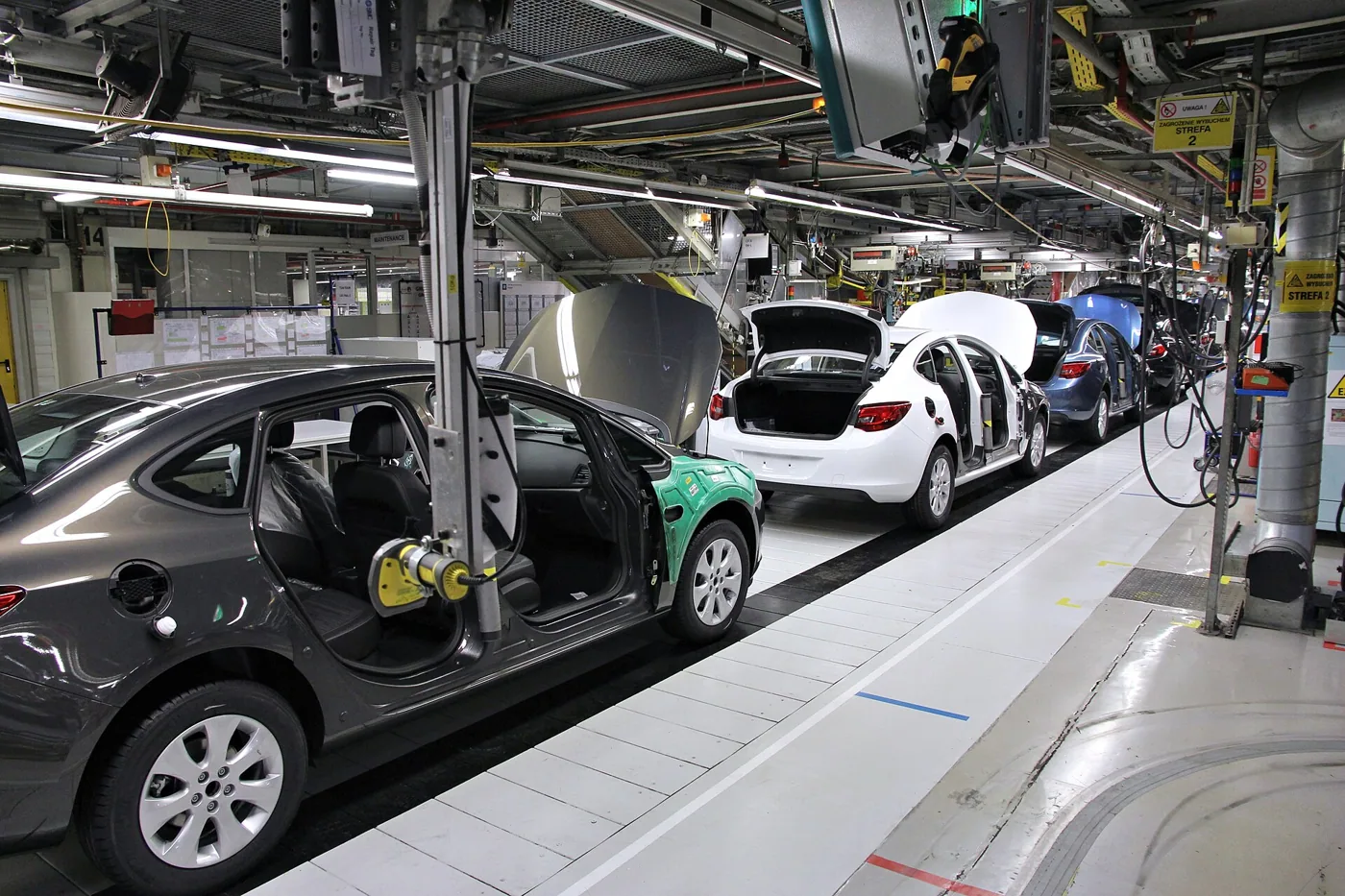
Car factories are long-lived assets serving markets that can change much faster than the equipment inside them. A flexible plant promises the ability to adjust production as demand moves between models or powertrains. That promise is valuable, but flexibility is not free. Shared operations can require compromises in layout, tooling, logistics and training that should be weighed against the uncertainty they help manage.
- Clarify whether flexibility concerns models, powertrains or production volume.
- Check supplier readiness alongside assembly-line capability.
- Judge announced capacity against realistic utilization and product demand.
Ask what can actually change
The word flexible can describe several different capabilities. A plant might build multiple body styles, vary the mix of drivetrains or expand output through additional shifts. Those abilities are not equivalent. A useful announcement should explain which changes can be made, how quickly and with what additional investment.
Model flexibility also depends on suppliers. If a common assembly line can switch versions but a critical component has a long lead time, the practical response may still be slow. The whole production chain determines adaptability, not just the final assembly hall shown in a promotional video.
Shared equipment has limits
Different vehicles can require different joining methods, battery handling, testing or inspection processes. Designing one line around several requirements can increase complexity. Dedicated equipment may achieve a simpler or faster process for a stable high-volume product, while shared equipment can protect against an uncertain sales mix.
The choice depends on expected volume and variability. A factory intended to produce one successful model at scale faces a different problem from a regional plant supporting several smaller products. Neither configuration is inherently modern or obsolete; each should be judged against its operating task.
Utilization is part of the argument
A plant with unused capacity still carries costs. Flexibility can help keep equipment and workers productive when one model weakens and another gains demand. But the models need to share enough processes for that adjustment to work, and demand must exist for something the plant can actually build.
Announced capacity is therefore a poor substitute for sustainable utilization. Production data, such as OICA's country-level tables, helps establish manufacturing scale but cannot reveal the economics of an individual factory. Analysts need actual output, model mix and evidence of operational performance to evaluate the investment.
Customers feel the consequences indirectly
Factory strategy can influence delivery times, available configurations and the pace of product changes. Excessive complexity may make a long options list expensive to produce, while disciplined commonality can support a broader range at manageable cost. The most visible consumer outcome is often consistency rather than a technical manufacturing feature.
When a company announces a flexible production system, look for the demand assumptions behind it. Ask which uncertainty the flexibility addresses and what compromises it introduces. A credible plan explains both. The useful objective is a factory that can supply competitive vehicles reliably, not flexibility as a slogan detached from the products and customers it serves.
Sources & further reading
These references provide background for this analysis. Product details, regional rules and market conditions can change; check the original source for its scope and date.
Something needs a closer look? Send a correction.