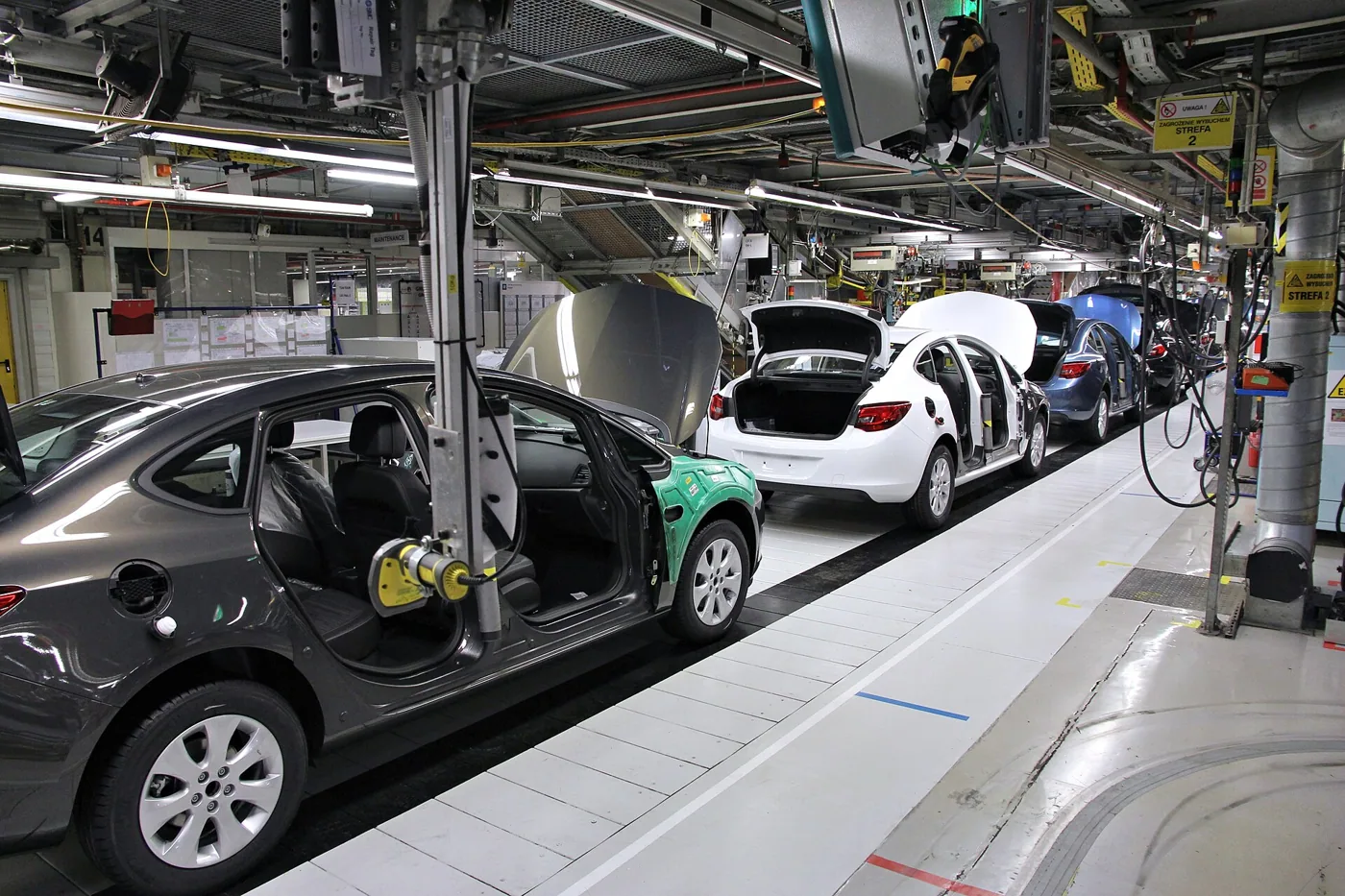
A locally assembled car may contain components and materials from many countries. That is normal in a globally connected industry, but it means the phrase made locally needs careful interpretation. Final assembly, battery production, mineral refining and software development are distinct activities. Understanding which layers are present helps readers assess factory announcements, supply resilience and the depth of an automotive manufacturing cluster.
- Separate assembly, cells, materials and software when reading localization claims.
- Assess supplier qualification and workforce capability alongside factory buildings.
- Check whether alternative suppliers share the same upstream bottleneck.
Map the stages rather than the badge
A useful supply-chain description follows materials into components, components into systems and systems into the finished vehicle. Each stage has its own suppliers and constraints. Moving final assembly closer to buyers can reduce some logistics exposure without changing dependence on imported cells or electronic components.
The IEA's battery research shows that supply concentration differs between stages of production. That distinction is more informative than treating an entire vehicle as belonging to one country. A single local-content percentage can obscure which strategically important components remain dependent on a limited supplier base.
Localization needs an ecosystem
A plant benefits from reliable energy, transport links, skilled workers and nearby suppliers. Establishing those capabilities can take longer than constructing the assembly building. Training, quality systems and supplier qualification are part of the investment, even when they attract less attention than the opening ceremony.
Volume matters too. Suppliers need enough demand to justify dedicated capacity. A region with several compatible customers may support a stronger ecosystem than one isolated project. Conversely, highly specialized low-volume components may remain economical to source internationally even when the final vehicle is assembled nearby.
Resilience involves more than distance
A nearby supplier can still be vulnerable to a single facility, a shared upstream input or an unreliable utility connection. Diversifying geography does not automatically diversify risk if every supplier depends on the same bottleneck. The relevant question is how production responds when a critical input becomes unavailable.
Inventory, alternative qualifications and product design can provide options, though each carries cost. A well-designed strategy identifies which interruptions matter most and builds proportionate protection. Simply replacing one concentrated dependency with another does not establish resilience.
Judge announcements by operating evidence
Look for commissioned equipment, qualified suppliers, actual production and consistent quality rather than relying entirely on planned capacity. Distinguish the initial assembly phase from a later promise to manufacture batteries or components locally. Timelines should make those stages explicit.
For consumers, localization can influence parts access and service responsiveness, but only if the supporting systems are built. For regions, durable benefits come from skills and supplier capabilities that remain useful across product cycles. The factory address is a starting point for analysis; the network behind it explains how deeply the industry is rooted. Follow-up reporting should track those capabilities after the opening ceremony, when promised connections become everyday operating requirements.
Sources & further reading
These references provide background for this analysis. Product details, regional rules and market conditions can change; check the original source for its scope and date.
Something needs a closer look? Send a correction.