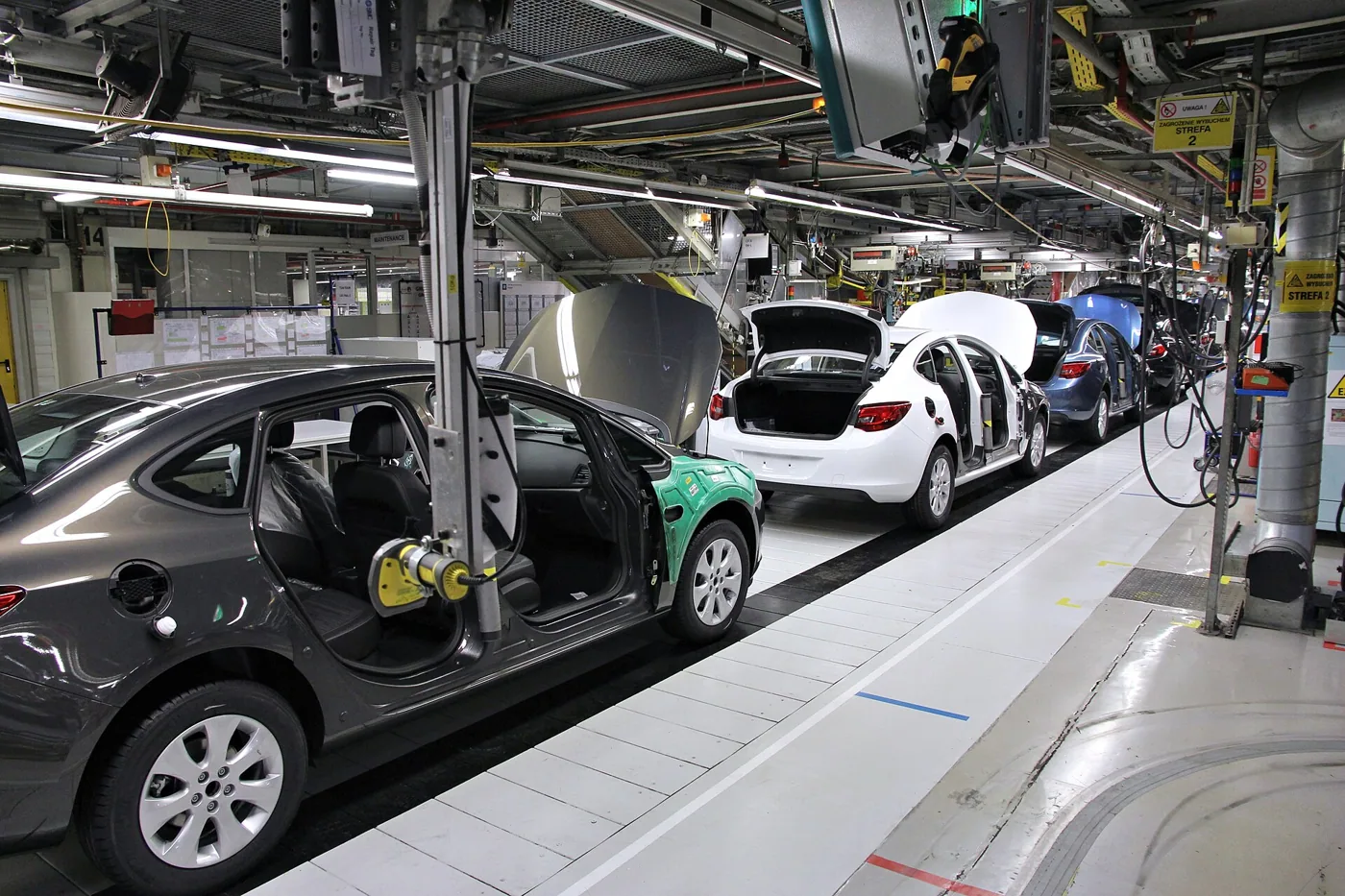
A vehicle can be efficient to assemble yet complicated to repair. Those outcomes are not always in conflict, but they are different engineering and business problems. For an owner, the meaningful result is a car that can be diagnosed accurately, repaired appropriately and returned to use without avoidable delay. Repairability therefore belongs in the conversation about value, especially as vehicles integrate more electronics and specialized structures.
- Ask where specialized diagnosis and repair work is performed.
- Check parts support and insurance quotations before purchase.
- Evaluate authorized repair pathways rather than generalized collision anecdotes.
Follow the repair pathway
Consider a common scenario: damage near a sensor, cooling system or battery enclosure. The cost depends on more than the visible panel. A repairer may need diagnostic information, calibration equipment and manufacturer procedures to establish what else requires attention. The availability of those resources affects the time and certainty of the repair.
This does not justify guessing that every minor collision will require major replacement. It means model-specific evidence matters. Ask insurers and qualified repairers about the vehicle's service arrangements rather than extending an anecdote from one design to every car with similar technology.
Parts availability creates practical value
A reasonably priced component is not much help if it cannot be obtained when needed. Local stock, distribution and clear identification influence how long a vehicle remains off the road. A manufacturer entering a new market needs those systems alongside showrooms and advertising.
Owners should also consider access to qualified technicians. The closest workshop may handle routine service but send specialized work elsewhere. Understand that distinction before purchase, particularly if the vehicle is essential for daily work or family logistics and replacement transport would be difficult.
Modular design has tradeoffs
Designing components for separate replacement can support repairs, but it may add connections, packaging requirements or production cost. Integrating parts can simplify assembly while changing the consequences of damage. Neither approach should be judged by a single slogan; the complete design and repair procedure determine the outcome.
For battery systems, distinguish between what is physically possible, what the manufacturer authorizes and what qualified services actually offer in the relevant market. An online demonstration of a component repair does not establish that the same work is available, appropriate or covered locally.
Information should reach the buyer
Repair considerations can be assessed through insurance quotations, service-network coverage and documented warranty processes. These are concrete signals available before ownership. They do not predict every future event, but they reveal whether support has been treated as part of the product.
The industry has an opportunity to make repairability easier to compare: clear parts support, accessible procedures and dependable turnaround all create customer value. A car's engineering should be evaluated over its useful life, including the imperfect days when something needs fixing. Production efficiency is important, and so is the ability to keep the finished vehicle in service.
Sources & further reading
These references provide background for this analysis. Product details, regional rules and market conditions can change; check the original source for its scope and date.
Something needs a closer look? Send a correction.