A modern car can gain features through software, but it can also lose connected services when support arrangements change. That makes the support policy part of the product's useful life. Acceleration, luggage space and warranty remain important; so do the functions that require an account, a remote server or a continuing subscription. A buyer should understand those dependencies before relying on them.
- Identify which features require subscriptions, connectivity or transferable accounts.
- Check recall completion separately from general software updates.
- Ask for the published support policy and a service path for update failures.
Separate the car from the service
Some functions operate locally in the vehicle, while others depend on connectivity and external systems. Remote access, live navigation information and app features may have different terms from basic driving functions. Marketing often presents them together, so ask which capabilities remain if a subscription expires or the car lacks a data connection.
This distinction also matters for used buyers. A feature demonstrated by the first owner may not transfer automatically, or it may require a new account and agreement. The sales description should identify what is permanently included, temporarily enabled or separately paid for.
Updates need a clear purpose
An update can correct a defect, improve performance, change an interface or add a service. Those are different outcomes. Owners benefit from understandable release notes and a predictable installation process, including whether the vehicle must be parked and how long it will be unavailable.
Safety-related remedies should be understood through the relevant official recall information and manufacturer instructions. A remote delivery method does not make the underlying issue unimportant. Check the vehicle's status and confirm completion rather than assuming an update notification has resolved every outstanding campaign.
Support is an operational commitment
Maintaining software requires testing, security response and compatibility management across years of vehicles. NHTSA's cybersecurity guidance emphasizes the need to address risks throughout connected vehicle systems. For customers, the practical question is how the manufacturer communicates support and handles problems when software affects an essential function.
Ask whether there is a published support period, a service route if an update fails and a way to recover access after an ownership transfer. These questions are particularly useful for a new brand or a model dependent on an unfamiliar digital ecosystem.
Evaluate usability after the demonstration
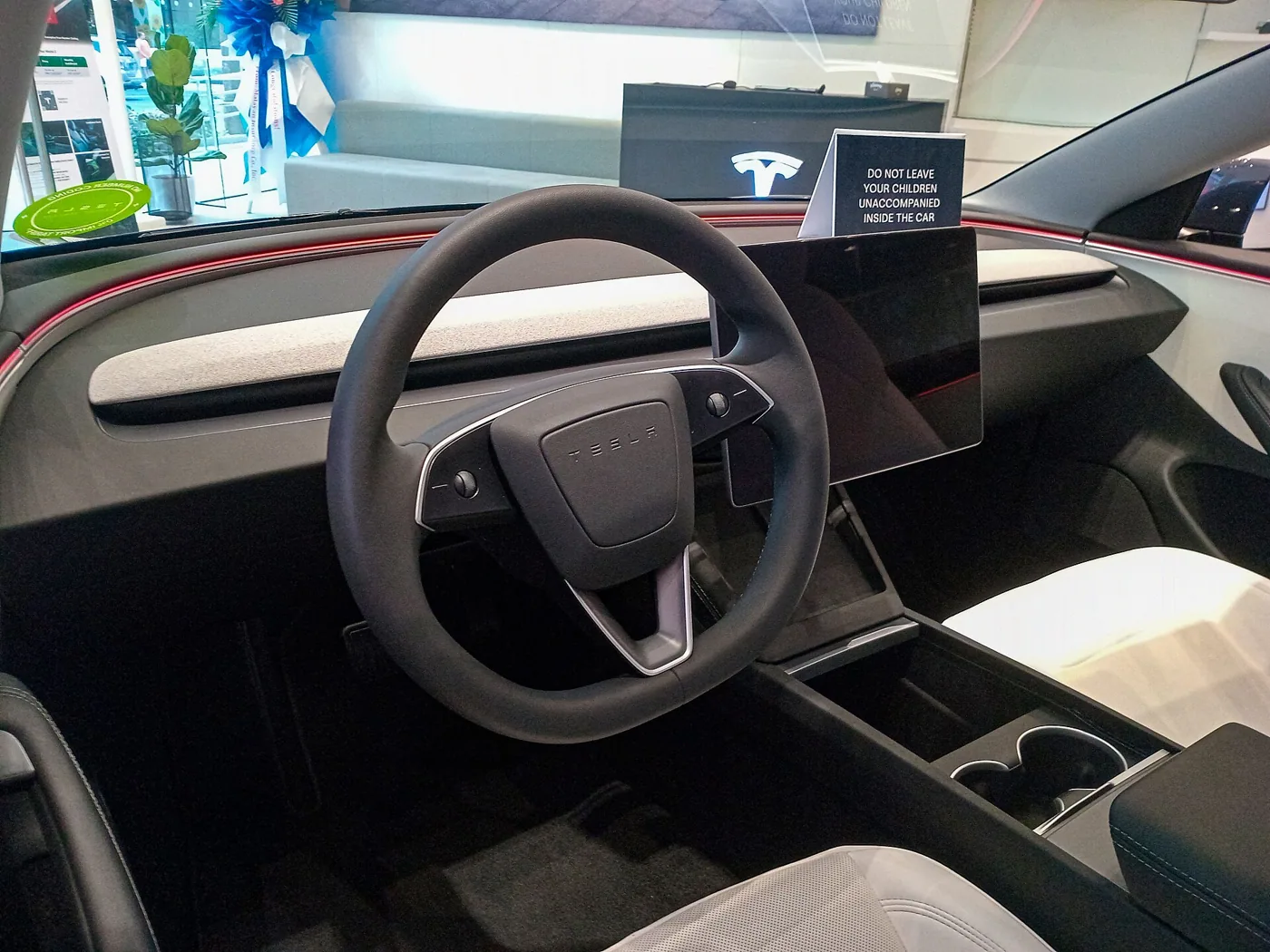
A showroom presentation may focus on animation and screen size. Try ordinary tasks: changing ventilation, setting navigation, finding charging information and restoring a preferred setting. Determine which controls are easy to use while following safe driving practices and which require unnecessary attention.
Software can make a car more useful, but a durable product also needs predictable behavior and clear ownership rights. Treat promised future features as uncertain until delivered. Choose based on the vehicle and services that are supported today, with a credible plan for how they will remain usable over the years you expect to keep it.
Sources & further reading
These references provide background for this analysis. Product details, regional rules and market conditions can change; check the original source for its scope and date.
Something needs a closer look? Send a correction.