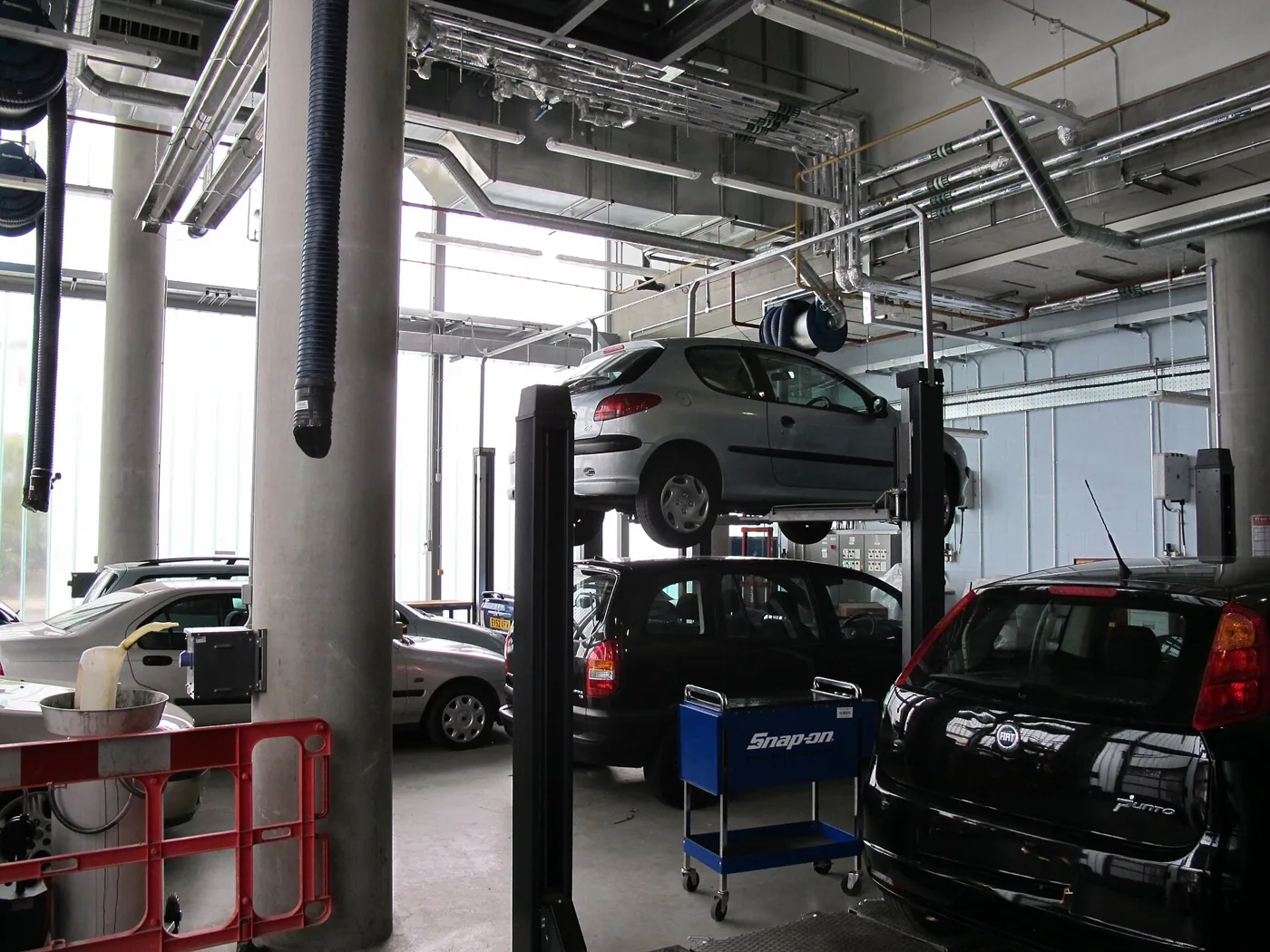
An unfamiliar car often arrives at the least convenient moment: after a flight, in poor weather, or on roads where the traffic rules already demand extra attention. The temptation is to discover everything while moving. A short stationary familiarization creates a better start by separating the task of learning the car from the task of driving it.
- Set up seating, navigation, and luggage before moving.
- Locate visibility and stopping-related controls while parked.
- Clarify assistance features and return requirements.
Set up the human space
Adjust the seat, steering position, and mirrors while parked. Make sure the driving position permits comfortable control and an unobstructed view of necessary information. Check that passengers understand seat belts and any child-restraint arrangements are correct for the vehicle and local requirements. Do not let a departure queue pressure you into accepting an unsuitable setup.
Place bags and loose items securely, connect only the devices you need, and enter the first destination. Find a suitable place for the phone that does not obstruct the view or controls. If the route requires explanation, discuss it now. A passenger can help with navigation, but the driver should still understand the broad direction of the first few minutes.
Locate the essential controls
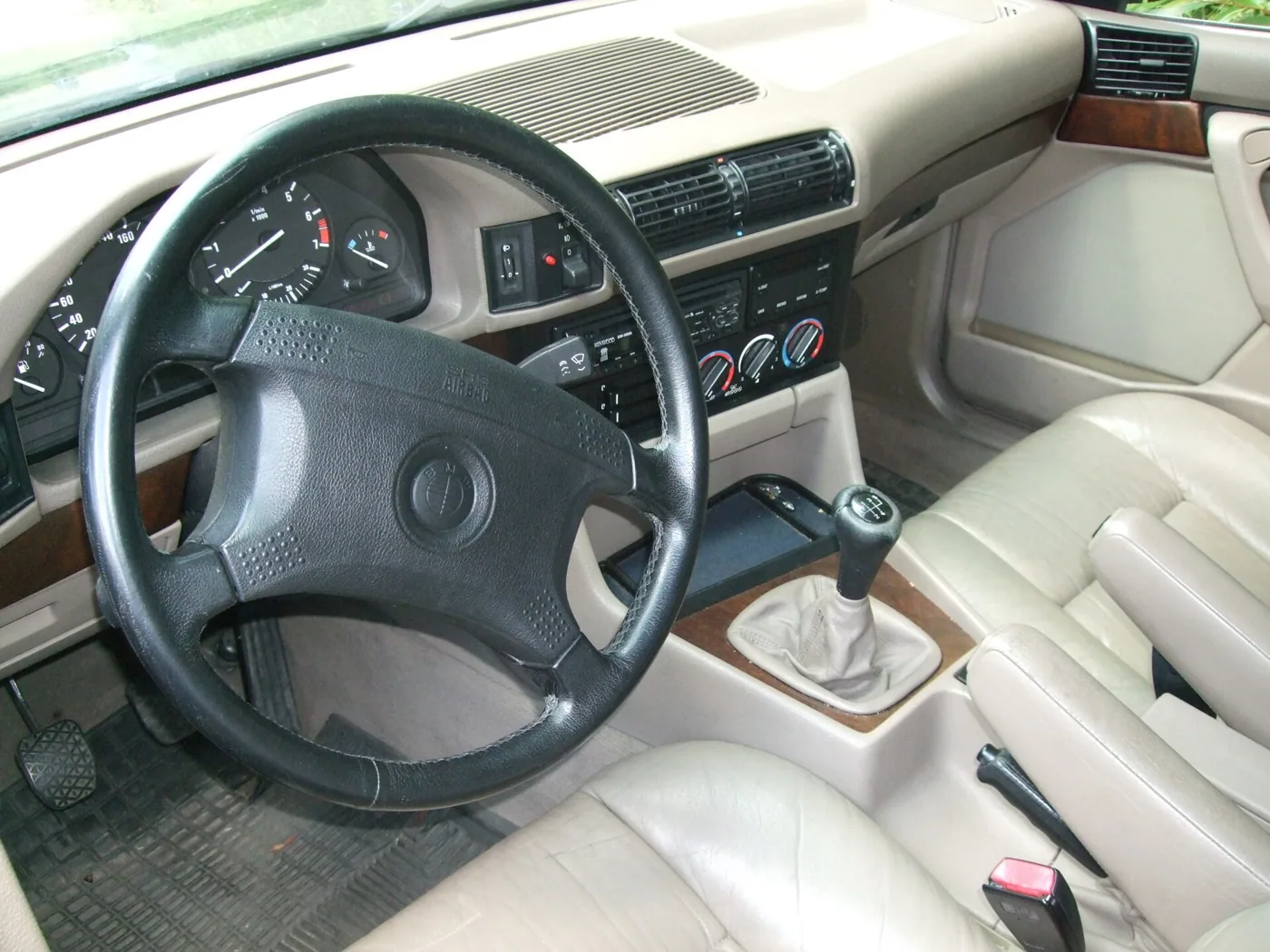
Find lights, indicators, wipers, demisting, hazard lights, parking brake, and the gear-selection process. Similar-looking interfaces can work differently, especially across manufacturers. Use the supplied manual or ask the provider to demonstrate anything unclear. A moment of explanation at the counter is preferable to a surprise when visibility deteriorates.
Check how the car starts, shuts down, locks, and confirms its status. Quiet powertrains and unfamiliar selectors can make assumptions unreliable. Learn how to open the fuel or charging flap and identify the correct energy source. Keep this information with the rental details so that the first refueling or charging stop does not become an avoidable puzzle.
Understand the assistance, not just the icons
NHTSA distinguishes warning, intervention, and driving-control assistance functions. Learn which features are fitted and what they require from the driver. Do not infer capability from an impressive display or a familiar marketing term. Read the relevant instructions and remain responsible for the driving task.
If a setting is distracting or confusing, ask the provider for help and adjust it only when safely parked and as permitted. Avoid disabling unfamiliar safety equipment simply because it behaves differently from your own car. The aim is a predictable configuration you understand, with no need to explore menus during a demanding part of the route.
Preserve the handover details
Document the vehicle's condition through the provider's approved process and keep the agreement, assistance number, and return instructions accessible. Clarify fuel or charge requirements and any restrictions that affect the planned trip. Insurance and liability questions depend on the agreement and jurisdiction; resolve them with the provider or a qualified adviser before departure.
At return, remove paired devices and personal information using the recommended process, then confirm that belongings have been collected. The useful five-minute pause is a habit rather than a literal timer. Spend enough time to make the essential functions clear, especially when the car, country, and road environment are all new at once.
Sources & further reading
These references provide background for this analysis. Product details, regional rules and market conditions can change; check the original source for its scope and date.
Something needs a closer look? Send a correction.