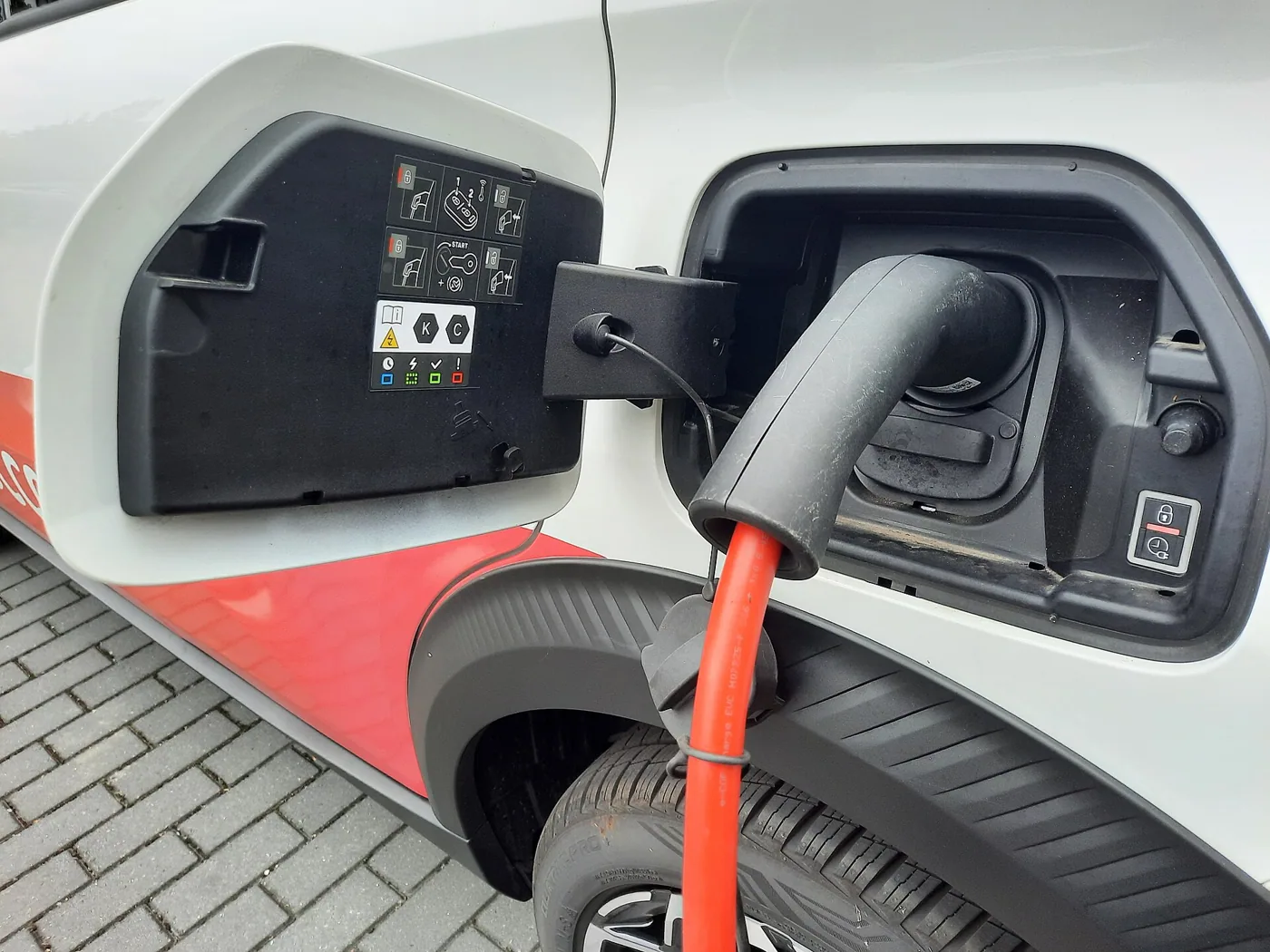
The image is appealing: sunlight falls on a roof and powers the car below. In practice, the car may be away during the hours when the panels generate most electricity. That timing mismatch does not make the combination pointless, but it changes the economics and the equipment choices. A useful assessment follows the flow of energy through a normal day rather than treating annual generation as automatically available for driving.
- Match solar generation hours with the car’s actual parking schedule.
- Include export value when calculating the benefit of self-consumption.
- Keep a reliable departure-charge requirement in any smart control setup.
Compare schedules before buying equipment
Record when the vehicle is usually parked at home and when the household uses electricity. A car at home on several weekdays may absorb midday generation directly. A commuter returning after sunset relies on the grid, stored energy or a different charging location, even if annual solar output exceeds annual driving consumption.
Weekend charging can still contribute, especially when the car's battery has room to accept energy. The relevant question is how much generation coincides with actual charging opportunities. A simple monthly estimate based on seasons and working patterns is more informative than dividing total panel output by vehicle consumption.
Exported electricity has an opportunity cost
Solar energy used in the car may replace electricity that could otherwise be exported or used elsewhere in the home. Compare the applicable import and export arrangements. The value of self-consumption depends on the difference between those rates and any conditions attached to them, which vary by location and contract.
Do not automatically describe solar charging as free. Panels, installation and maintenance have costs, and electricity can have alternative uses. Equally, those costs may already be part of a household investment serving many purposes. Keep the vehicle's incremental effect separate from the entire solar project's cost.
Smart control can help, but needs a fallback
Some charging systems can vary power according to available generation or household demand. That can increase direct use of solar electricity, provided the vehicle and installation support the operating range. Confirm how the controller measures surplus generation and how it behaves during clouds, low output or lost connectivity.
The car still needs enough energy for its next journey. A useful control strategy includes a departure requirement or manual override, so maximizing solar use does not leave the driver unexpectedly short. Convenience and energy optimization should work together rather than compete each morning.
Storage adds another decision
A stationary battery can shift generation into evening hours, but it introduces cost, losses and another asset to maintain. Evaluate its household benefits independently instead of assuming that an EV makes storage necessary. In some situations, ordinary scheduled grid charging may meet transport needs more simply.
Ask installers for scenarios using your actual driving and parking pattern, with conservative assumptions about generation. Compare direct solar charging, scheduled grid charging and any proposed storage on consistent terms. The strongest design is the one that manages real energy flows clearly, not the one with the most equipment attached to the idea of solar-powered motoring.
Sources & further reading
These references provide background for this analysis. Product details, regional rules and market conditions can change; check the original source for its scope and date.
Something needs a closer look? Send a correction.