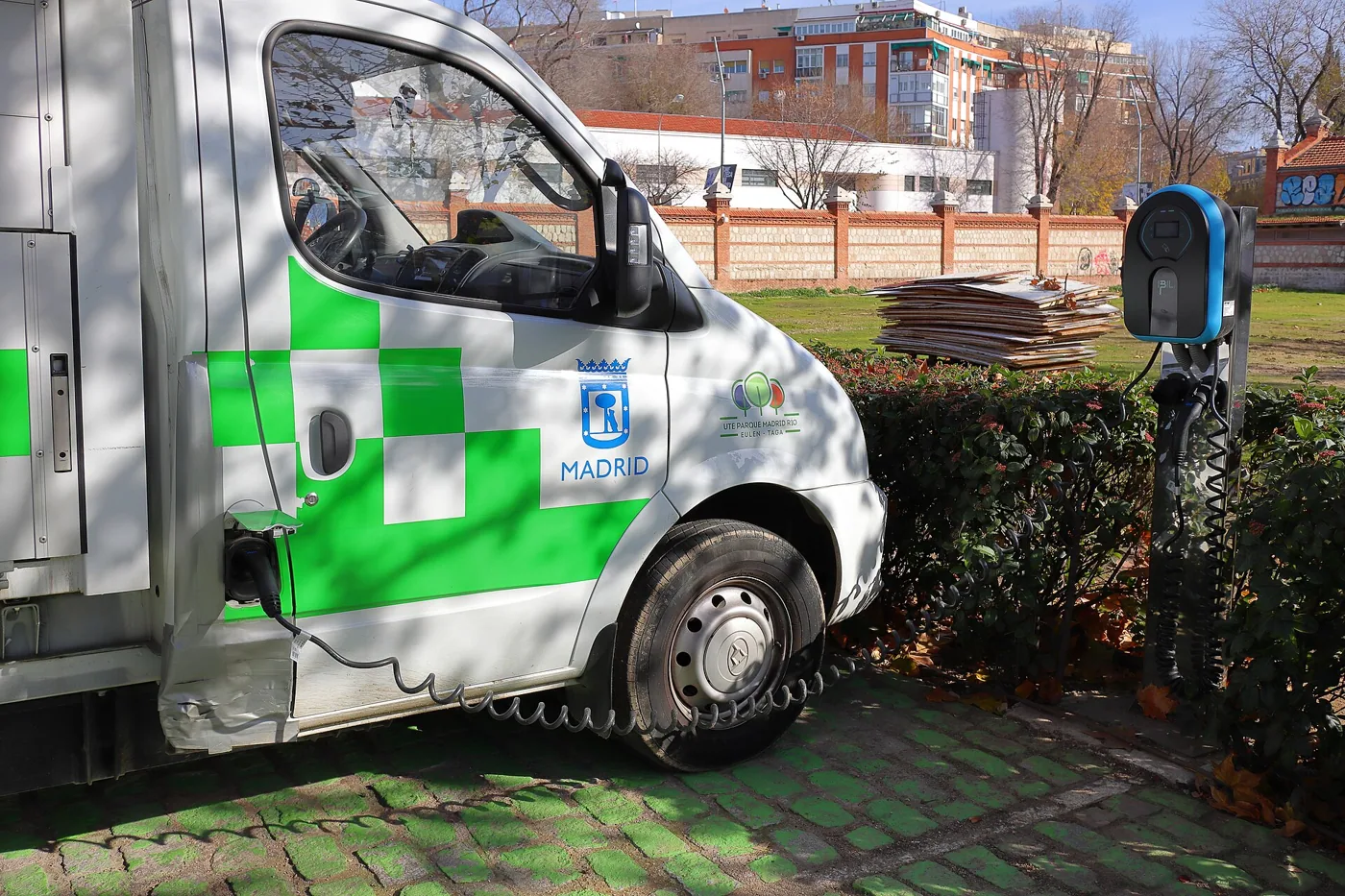
A map filled with charging icons can create an impression of abundance while leaving a driver uncertain about one specific stop. Counts measure equipment, but a journey depends on equipment working at the right place and time. To judge a charging network, move beyond the number of locations and ask how reliably a compatible vehicle can start, complete and pay for a useful session.
- Distinguish sites, ports and connectors when reading network totals.
- Evaluate successful sessions, payment and physical access together.
- Look for multiple compatible ports and reachable backup locations.
A location is not a charging port
One site may contain many charging ports, while another contains only one. Reports can count sites, ports or connectors, and those totals answer different questions. A connector does not always represent an independently usable parking space. Read the definition before comparing infrastructure statistics from different sources.
The DOE's infrastructure reports distinguish charging levels, networks and locations. That structure is a reminder that a national total cannot describe a particular corridor. A region can add many slow destination chargers while still needing fast charging on the route a driver uses for long-distance travel.
Success has several steps
The driver has to reach the bay, connect the cable, authenticate or pay, establish communication with the vehicle and receive power. Failure at any step can make technically operational equipment unusable in practice. Reliability should therefore be measured from the customer's completed task, not solely from whether a cabinet is powered on.
Physical design contributes. Cables must reach different port locations, screens need to be readable and parking layouts should accommodate users with varied mobility needs. Clear instructions and responsive support reduce the time spent diagnosing problems. Those details are infrastructure performance, not cosmetic extras.
Redundancy changes the experience
A site with several functioning compatible ports provides a different level of resilience from a single isolated unit. Nearby alternatives also matter. If one station is unavailable, the driver should be able to reach another without turning the reserve into an uncomfortable gamble.
Queues are a separate issue from faults. A fully operational site can still be inconvenient when arrival demand exceeds capacity. Busy-period observations, utilization data where available and expansion plans help explain whether apparent reliability translates into reasonable waiting times on the days people actually travel.
Count the journey you can complete
When choosing a car or planning a route, inspect the specific locations you expect to use. Verify connector compatibility, access hours, payment methods and alternatives. Recent user reports can provide useful context, but official operator information remains important for capabilities and terms that may change.
For policymakers and operators, the meaningful outcome is dependable service across useful routes and neighborhoods. More equipment is part of that outcome, but maintenance, clear pricing and sensible placement complete it. Drivers do not buy a national infrastructure total; they need the next charging session to work.
Sources & further reading
These references provide background for this analysis. Product details, regional rules and market conditions can change; check the original source for its scope and date.
Something needs a closer look? Send a correction.