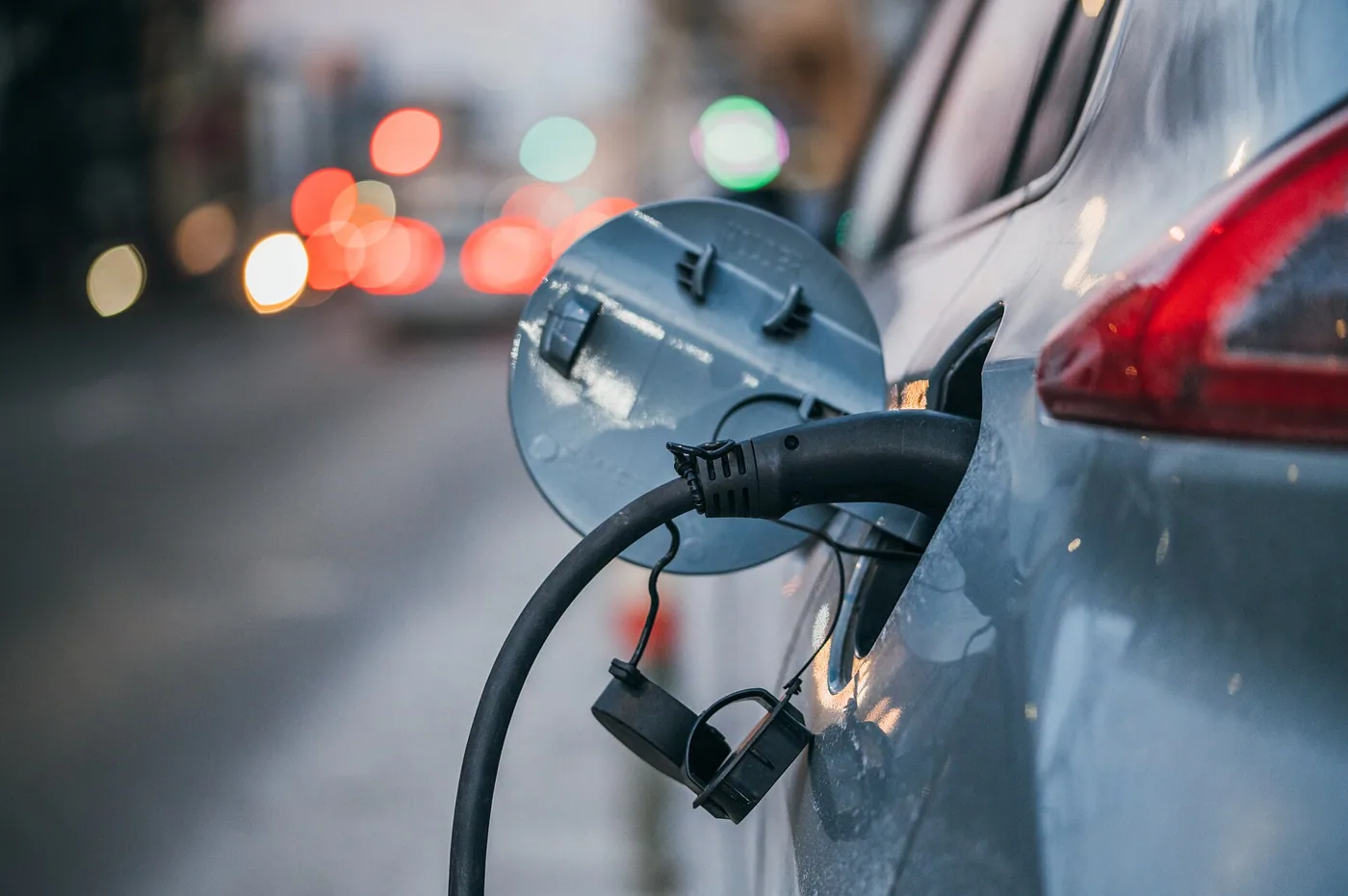
Regenerative braking captures some of the vehicle's motion as electrical energy during slowing. It is valuable, especially in stop-start driving, but it is not a source of free energy. The electricity first had to be used to accelerate the car, and recovery is incomplete. Understanding that sequence explains why anticipation remains useful even in a vehicle with an aggressive energy-recovery setting.
- Use anticipation to avoid unnecessary changes in speed.
- Learn how cold or high charge affects the model’s regenerative behavior.
- Maintain friction brakes according to the vehicle’s service guidance.
Recovery follows an energy conversion
During regeneration, the motor can act as a generator and send energy toward the battery. The amount recovered depends on the vehicle's controls and operating conditions. Friction brakes remain necessary, and the car may blend the two systems according to the braking demand and available regenerative capability.
The driver should learn how the model behaves rather than assume one setting represents all braking. Some vehicles allow strong slowing when the accelerator is released; others reserve more regeneration for brake-pedal input. A familiar pedal feel and predictable response matter more than the label used for the driving mode.
Coasting can avoid a conversion
If traffic allows the car to roll smoothly toward a slower section, preserving momentum can avoid spending energy on acceleration that immediately has to be recovered. Regeneration helps when slowing is necessary. It does not make repeated acceleration and deceleration as efficient as avoiding unnecessary speed changes in the first place.
That distinction should never override safe driving. Maintain appropriate spacing, obey road conditions and use the controls as required. The efficiency benefit comes from seeing developing situations early, not from trying to coast through places where braking is needed or making other road users accommodate an experiment.
Available regeneration can change
A cold or highly charged battery may have less ability to accept recovered energy. Different models communicate that limitation in different ways and may compensate through other braking behavior. Read the handbook and notice the relevant display indicators so that a change in deceleration is understood before it becomes surprising.
Long descents deserve the same attention to manufacturer guidance as they do in other vehicles. Plan the route and driving mode appropriately. Do not assume the battery can absorb unlimited energy simply because a downhill road appears to be an opportunity to recharge.
Maintenance still has a place
Reduced use of friction brakes can lower wear, but it does not eliminate inspection or servicing. Components remain exposed to weather and road contamination. Follow the maintenance schedule rather than interpreting low brake-pedal use as proof that the braking system needs no attention.
For buyers, try the available regenerative settings during a proper demonstration and check whether they persist between journeys. Choose a control setup you can use smoothly. The real achievement is a calm, predictable drive that wastes less energy, not a dashboard score produced by repeatedly slowing a car that was accelerated unnecessarily.
Sources & further reading
These references provide background for this analysis. Product details, regional rules and market conditions can change; check the original source for its scope and date.
Something needs a closer look? Send a correction.