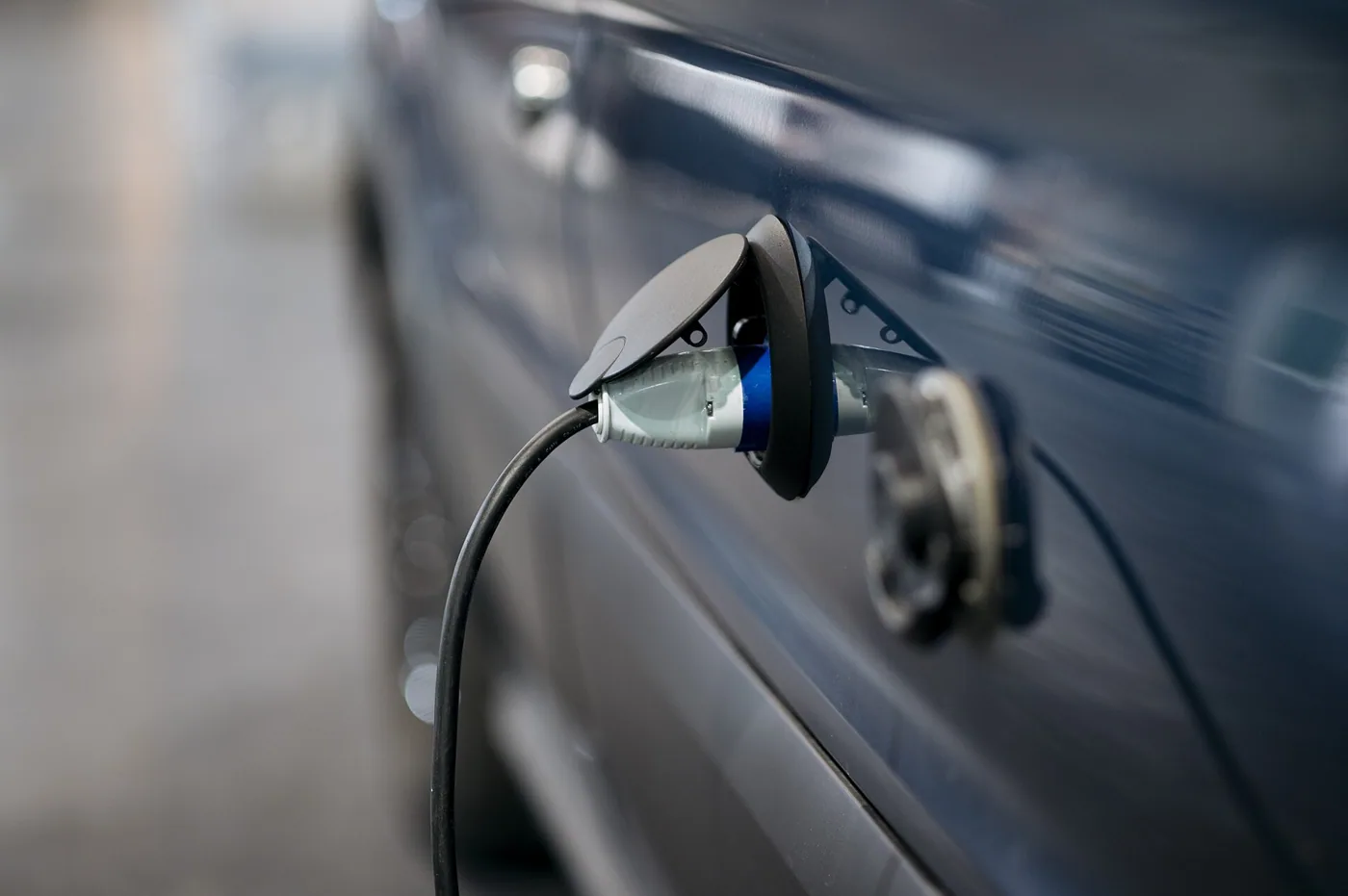
The letters in a battery specification can become a shortcut for judging an entire car. Lithium iron phosphate, commonly called LFP, and nickel-based lithium-ion chemistries have different characteristics, but neither label establishes the quality of the finished vehicle. Buyers need to connect chemistry with range, charging instructions, climate and price. Otherwise a useful technical distinction becomes another badge to argue about.
- Compare complete-vehicle performance before chemistry labels.
- Follow the charging instructions for the exact battery and model.
- Treat laboratory announcements separately from available production vehicles.
Start with the design objective
Battery engineers balance energy density, power capability, cost, durability and operating conditions. A chemistry that stores more energy for a given mass can suit a vehicle where long range or packaging is critical. Another may support a lower-cost model with sufficient range for its intended use. The choice is part of a system design.
The IEA's 2025 battery analysis documents the growing role of LFP in the EV market. That historical trend does not mean every model should adopt it. Manufacturers serve different customers and face different supply arrangements. A premium touring car and a compact urban vehicle can rationally prioritize different combinations of capacity, space and cost.
Pack design changes the outcome
A battery pack includes more than active cell material. It needs electrical connections, structural protection, monitoring and temperature management. Efficient packaging can change how cell-level advantages translate into a vehicle. Comparing chemistry labels without considering usable pack capacity and the complete car's consumption leaves much of the explanation missing.
Thermal control and charging software also influence real performance. Two cars using similar chemistry may behave differently in winter or during repeated fast charging. Look for evidence from the exact model rather than transferring the experience of a different vehicle simply because the cell family sounds similar.
Follow the actual charging guidance
Some manufacturers recommend particular routines to help the battery management system estimate charge accurately. Others emphasize a daily charge limit below full. These instructions depend on the model and may change with software or battery specification. Generic advice that all batteries should follow one fixed percentage is too broad.
Use the handbook and the charging screen for the particular vehicle, then clarify any inconsistency with the manufacturer. A recommendation to charge fully on a schedule should not be expanded into an assumption that leaving the car full indefinitely in every climate has no consequences. Context remains important.
Buy the result, understand the reason
For a shortlist, record usable range, charging behavior, warranty, price and cabin practicality before the chemistry column. Chemistry can then help explain the tradeoffs instead of dictating the choice. Ask whether your routine actually benefits from the extra capability that a more expensive pack provides.
The same discipline applies to future battery announcements. A promising laboratory result does not establish production cost, serviceability or performance in a complete vehicle. Existing cars should be judged on available evidence. Battery science matters, but the purchase is a supported transport product rather than a specimen of a particular cathode material.
Sources & further reading
These references provide background for this analysis. Product details, regional rules and market conditions can change; check the original source for its scope and date.
Something needs a closer look? Send a correction.