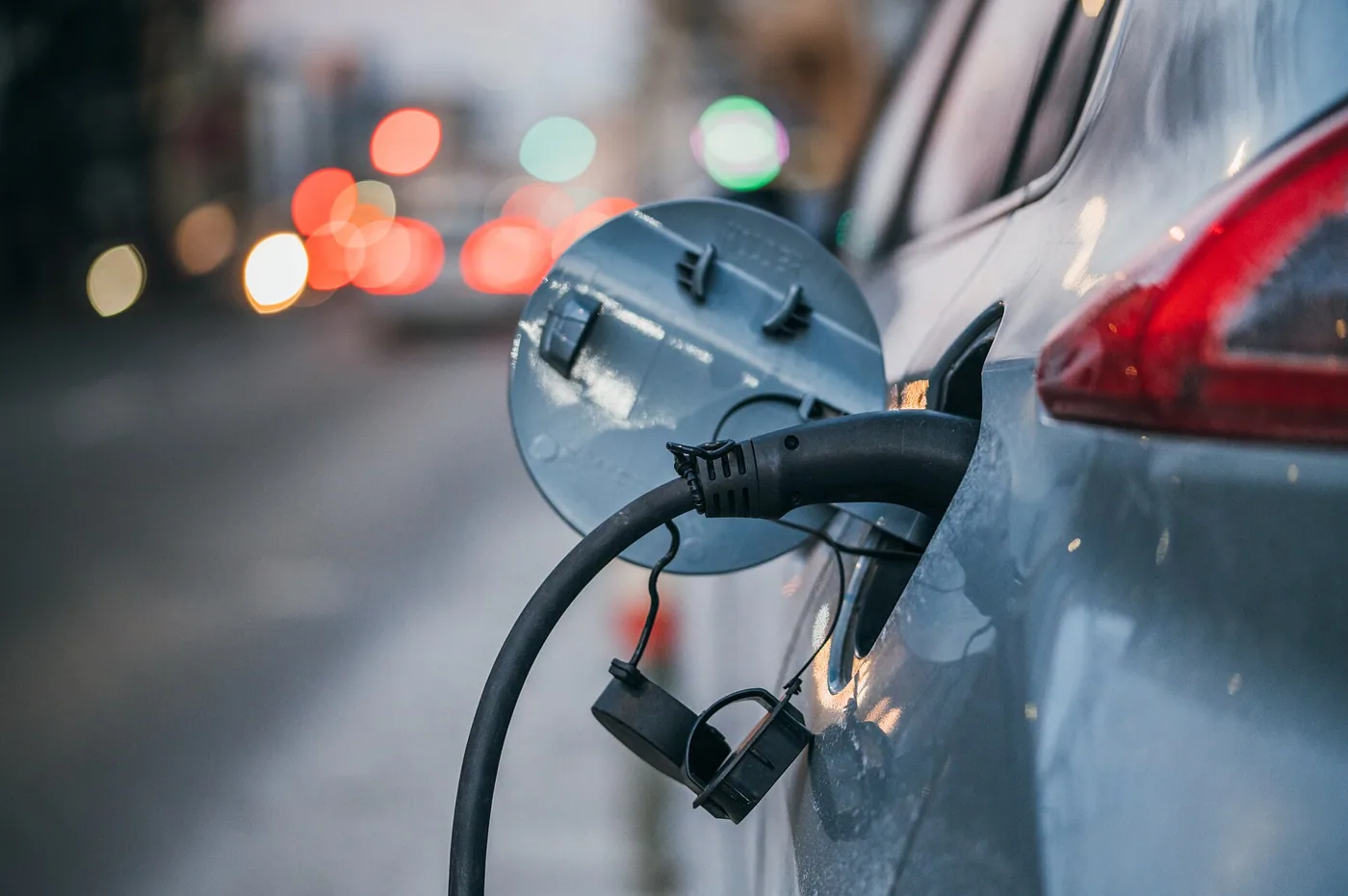
Home charging is often sold through maximum power, but the practical task is replenishment. A vehicle parked overnight may have many hours to replace the energy used during the day. Choosing equipment begins with that energy need and a professional assessment of the property, not with buying the largest number on a product page. The installation should serve the routine safely and leave a sensible path for future use.
- Calculate typical daily energy needs before specifying charging power.
- Check the vehicle AC limit and the property supply together.
- Include tariff windows, load management and future household vehicles.
Estimate the energy to replace
Multiply a representative day's distance by realistic consumption, then allow for charging losses and unusual days. As an illustrative calculation, 60 kilometres at 18 kWh per 100 kilometres represents 10.8 kWh of driving energy. That is a different problem from refilling an almost empty large battery every night.
Now divide the required energy by the hours the car can reliably remain connected. The result provides a starting point for discussing power with an installer. It is not an electrical design calculation, and it should not replace assessment of the circuit, supply or local installation requirements.
The car has its own ceiling
An AC wall unit supplies power that the vehicle's onboard charger converts for the battery. The onboard charger's limit can be lower than the wall unit's advertised capacity. Purchasing a more powerful unit will not make that car charge beyond its supported rate, although future vehicles may change the household requirement.
Electrical supply arrangements also vary between countries and properties. A figure quoted for one market may not apply to another. Confirm the exact vehicle specification and the proposed installation together, including cable length, connector location and whether the parking position can change.
A tariff changes the useful window
If electricity is cheaper during certain hours, the available low-cost charging window may be shorter than the total overnight parking period. A higher rate can then have value if it replenishes normal use within that window. The calculation needs the actual tariff conditions rather than a generic assumption about cheap nighttime electricity.
Scheduling should remain understandable. Check whether the vehicle or charger controls the schedule and avoid conflicting timers. If a smart service loses connectivity, know how to start a necessary session manually. Convenience depends on predictable operation as much as on theoretical maximum output.
Buy an installation, not just a box
A clear quote should cover equipment, wiring, protection, commissioning and any necessary supply work. Ask about load management and the implications of adding another EV later. Physical placement matters too: a cable that reaches easily and stores cleanly is more likely to be used consistently.
Keep records of the installation and understand the support arrangements. Once the system is operating, review how often it actually fails to replenish normal use. Many households will find that well-matched moderate power is entirely sufficient; others will have a defensible need for more. The right answer follows the parking routine and the electrical assessment.
Sources & further reading
These references provide background for this analysis. Product details, regional rules and market conditions can change; check the original source for its scope and date.
Something needs a closer look? Send a correction.