A plug-in hybrid combines two energy systems and asks the owner to manage both. Its appeal is clear: electric driving for ordinary trips and an engine for journeys beyond battery range. Yet the same vehicle can produce very different fuel use in different households. The decisive variable is often not the advertised specification but the frequency with which the driver connects it to a charger.
- Estimate electricity and fuel use separately for your real travel pattern.
- Verify when the engine can start and which charging methods are supported.
- Keep engine servicing in the ownership budget even with frequent electric driving.
Match the battery to a repeatable journey
Begin with the distance between dependable charging opportunities, not simply total daily mileage. A commute that fits comfortably within electric range may suit a plug-in hybrid well when charging is available each evening. The same commute becomes less electric if parking arrangements make charging an occasional inconvenience.
Official electric range is a comparison under stated conditions. Weather, road speed and heating can change real operation, and some models run the engine under particular loads or temperature conditions. Check the handbook for those behaviors. A buyer expecting the engine never to start during a short journey may otherwise be surprised.
Read both sides of the energy bill
A plug-in hybrid consumes electricity, fuel or a mixture depending on use. A single blended consumption figure can hide that pattern. Estimate electricity for the journeys expected to be electric and fuel for the remaining distance, then consider how the outcome changes if charging becomes less frequent.
For an illustrative monthly schedule, separate weekday commuting from two longer weekend trips. Calculate those groups independently rather than assuming that the same economy applies everywhere. This simple exercise often reveals whether the plug-in system is doing meaningful work or mostly adding equipment that is rarely used.
Convenience must survive normal disruption
The charging process should be easy enough to continue during a busy week. Cable storage, parking access and payment arrangements matter because a small inconvenience repeated every evening can change behavior. Workplace charging is helpful, but the ownership plan should account for holidays, remote work or a change of job.
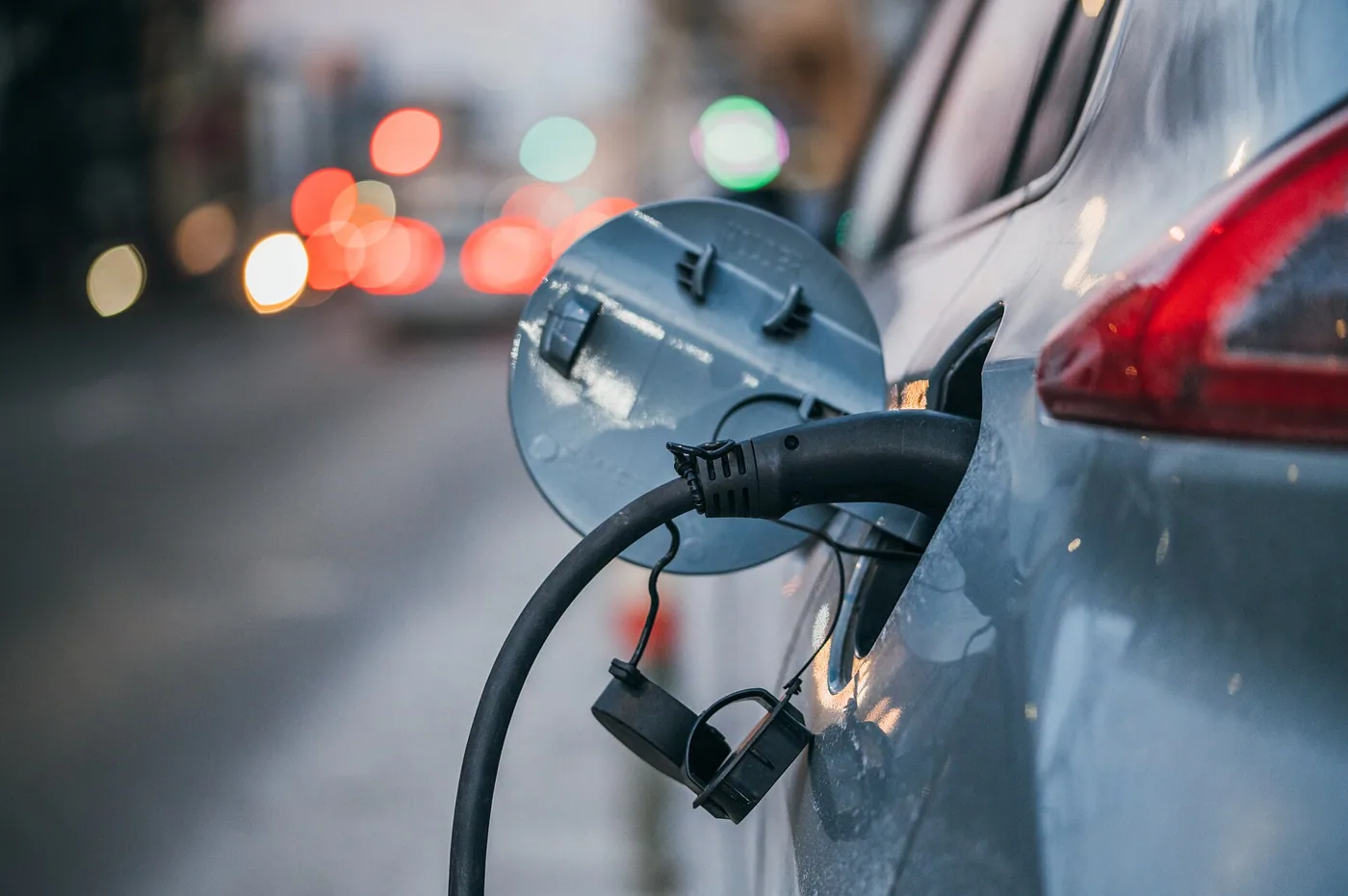
Most plug-in hybrids are designed around relatively modest charging requirements, and not all support DC fast charging. Verify the actual capabilities before imagining motorway stops that the vehicle cannot use. For many owners, the strongest arrangement is uncomplicated charging while parked for several hours.
Remember the full maintenance picture
An engine remains part of the car even when it runs infrequently. Follow the manufacturer's service schedule and fuel guidance rather than assuming electric commuting removes those obligations. Tires, brakes and other vehicle systems also need normal attention. The additional flexibility comes with a more complex powertrain.
A plug-in hybrid is most convincing when its electric capability aligns with a stable routine and its engine solves a genuine recurring constraint. Compare it with a conventional hybrid and a battery-electric vehicle using the same journeys and costs. The right choice emerges from how the systems will be used, not from counting how many propulsion technologies the car contains.
Sources & further reading
These references provide background for this analysis. Product details, regional rules and market conditions can change; check the original source for its scope and date.
Something needs a closer look? Send a correction.