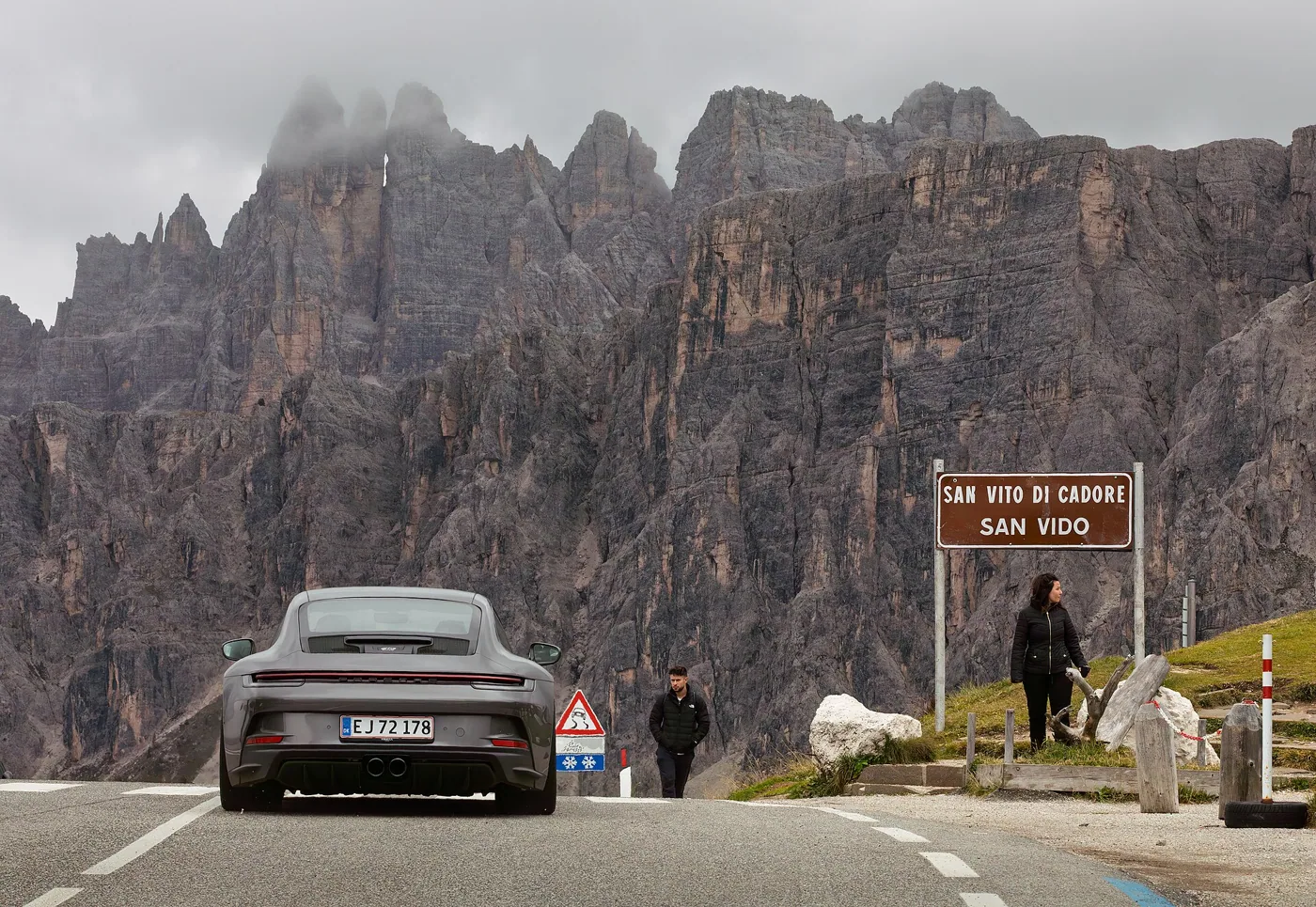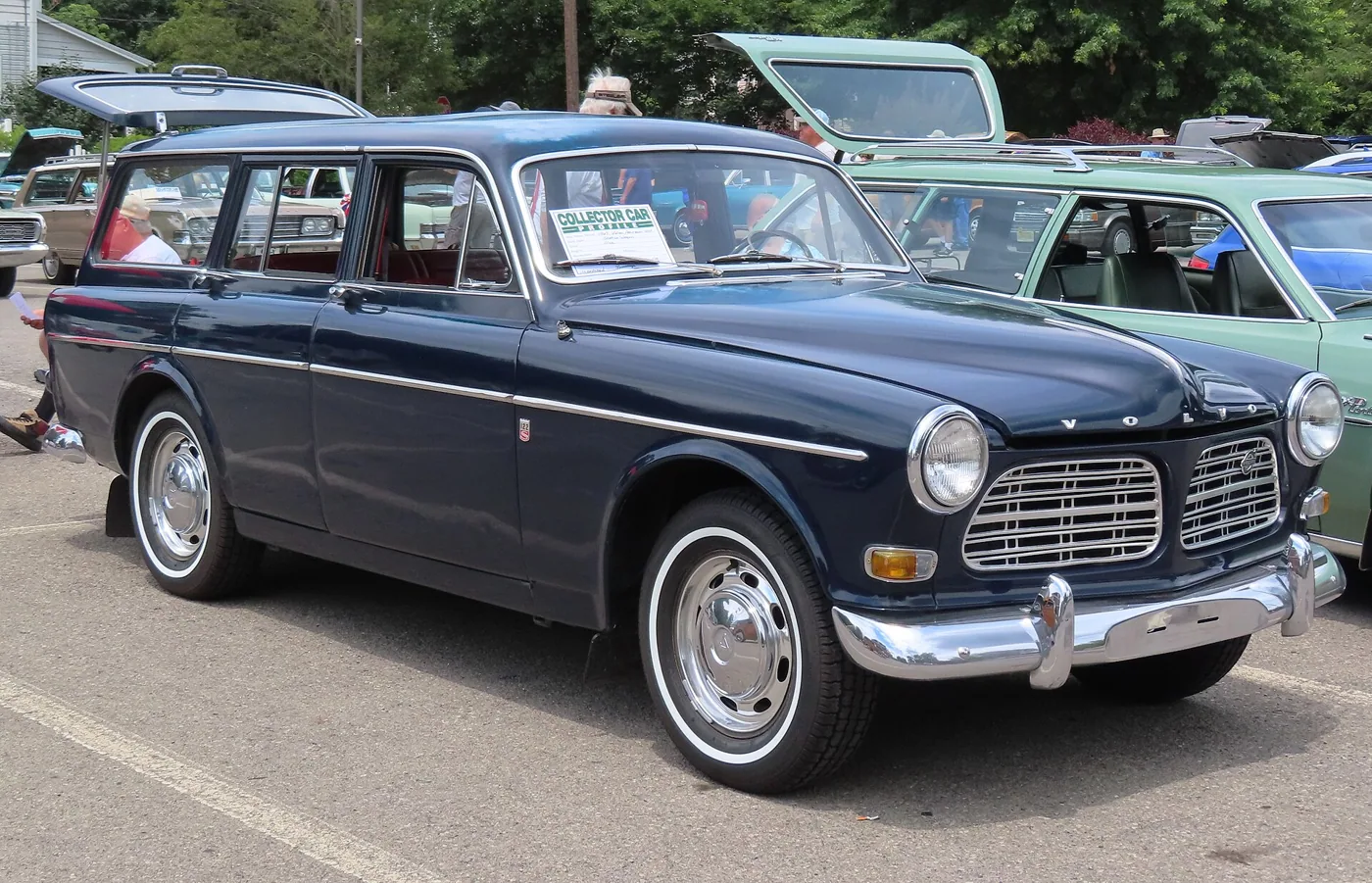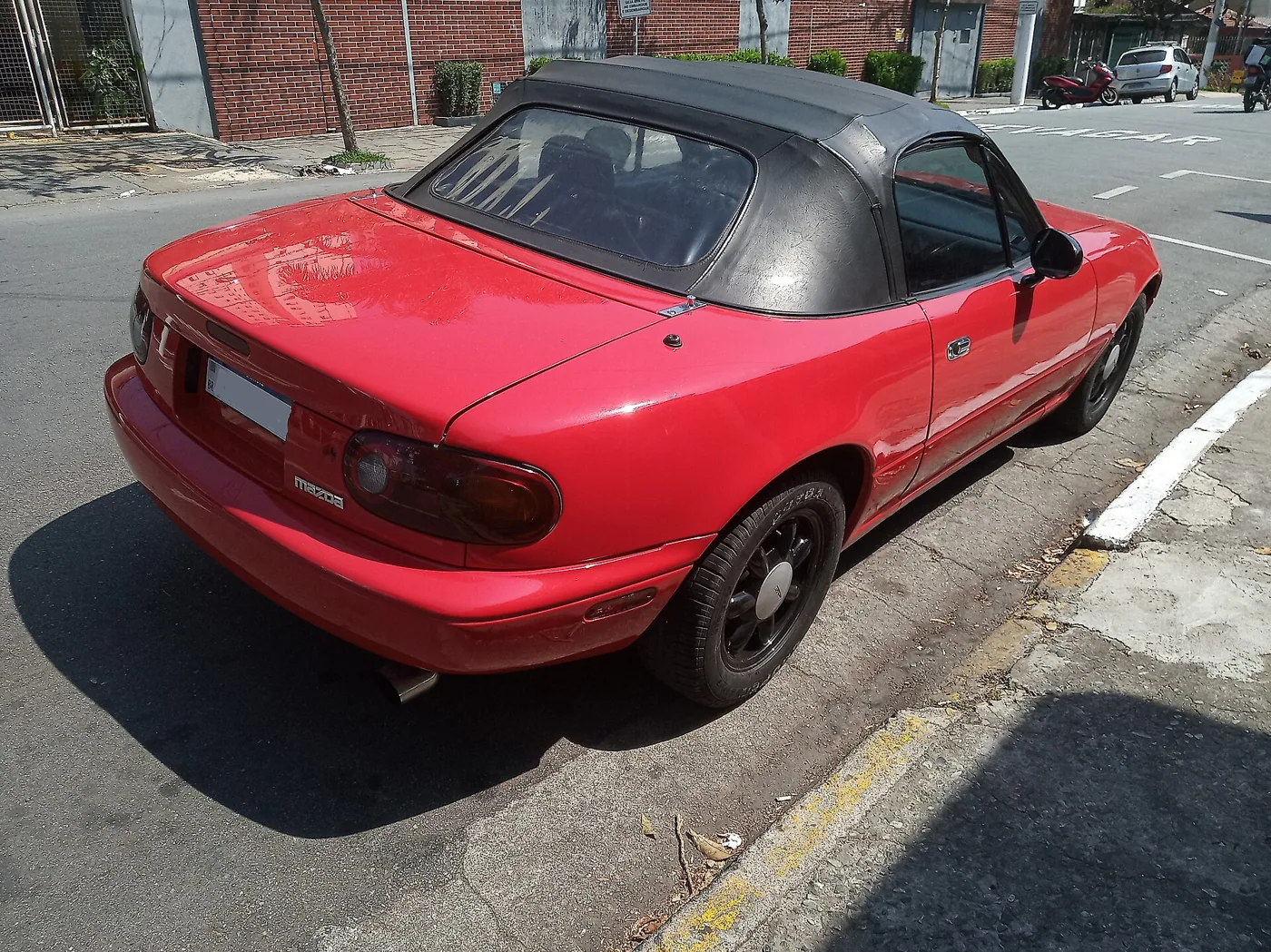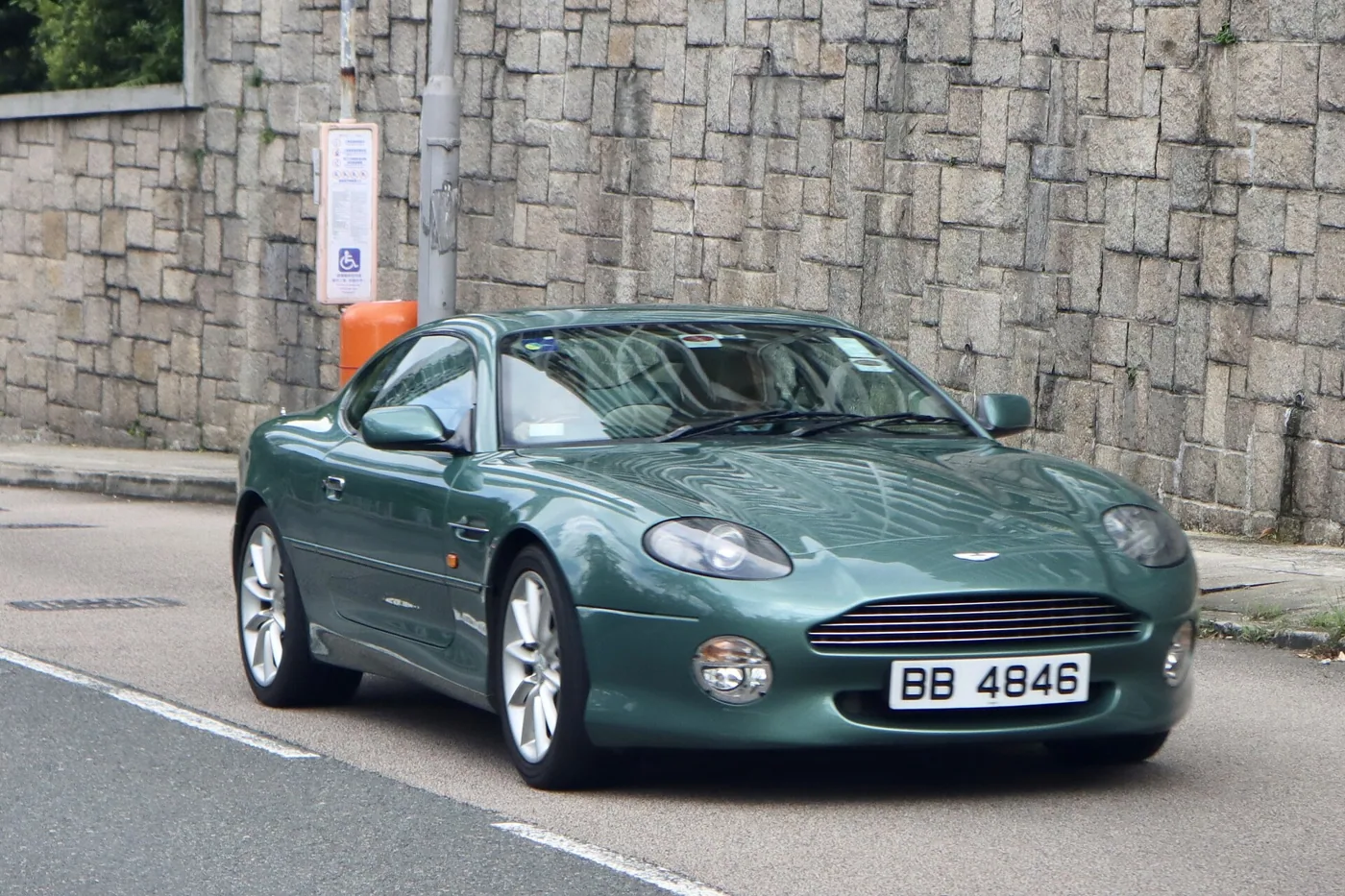
The phrase grand touring carries an attractive picture: a beautiful car, a distant destination, and enough luggage for a proper stay. Yet the idea becomes more useful when separated from price and prestige. At its heart is a question about endurance in the ordinary sense. Can the car and its occupants spend a long day together without the experience becoming hard work?
- Evaluate comfort and controls over realistic journeys.
- Treat luggage and stopping needs as part of the car's purpose.
- Keep rest and passenger preferences in the itinerary.
Distance changes the priorities
A brief encounter can reward dramatic acceleration, striking trim, or a commanding soundtrack. A long journey asks different questions. Are the controls easy to find? Can passengers talk comfortably? Does the seating position remain agreeable? Is there a sensible place for the belongings needed between stops? These qualities become more visible as novelty fades.
That does not make performance irrelevant. It changes the way performance is valued. Effortless, predictable responses can be more useful to touring than constant theater. This is a design preference, not a claim that any particular model achieves it. A suitable evaluation should include the roads and conditions that resemble the owner's intended travel.
Luggage belongs in the concept
A touring car exists in relation to a trip, which means its useful space matters. Consider the luggage opening, cabin storage, and the ease of loading without delicate arrangements. A weekend bag that fits only when empty is not evidence of successful packaging. The practical details determine whether the journey can begin calmly.
The same applies to range and stopping arrangements. A route should accommodate the car's actual energy needs and the occupants' need for rest. Charging or refueling can be integrated into the day without becoming its sole organizing principle. A good touring plan leaves alternatives so that one unavailable stop does not unravel the afternoon.
Comfort is an active design choice
Comfort is sometimes described as the absence of sportiness, but that framing misses its complexity. It includes support, visibility, temperature, noise, access, and the mental effort required to operate the vehicle. A beautifully finished cabin can still be tiring if simple tasks demand repeated attention. Thoughtful details earn their value through repetition.
Design archives are useful here because they reveal cars as responses to competing requirements rather than isolated sculptures. The Design Museum's Ferrari material connects form with the processes behind it. Looking at that relationship encourages a richer question: how do the visual ambitions of a car coexist with the practical demands of spending time inside it?
Keep the journey humane
Even a comfortable car does not remove the need for sleep, breaks, and realistic distance. NHTSA treats drowsiness as a serious driving risk. Plan touring days so that arrival does not depend on pushing through fatigue, and let passengers influence the pace. The most expensive seat cannot repair an unreasonable timetable.
The grand-touring ideal is therefore available in degrees across many cars. It appears whenever preparation, a suitable vehicle, and an unhurried itinerary work together. The badge may supply romance, but the lasting test is simpler: whether everyone arrives with enough energy and curiosity left to enjoy the place they traveled to see.
Sources & further reading
These references provide background for this analysis. Product details, regional rules and market conditions can change; check the original source for its scope and date.
Something needs a closer look? Send a correction.