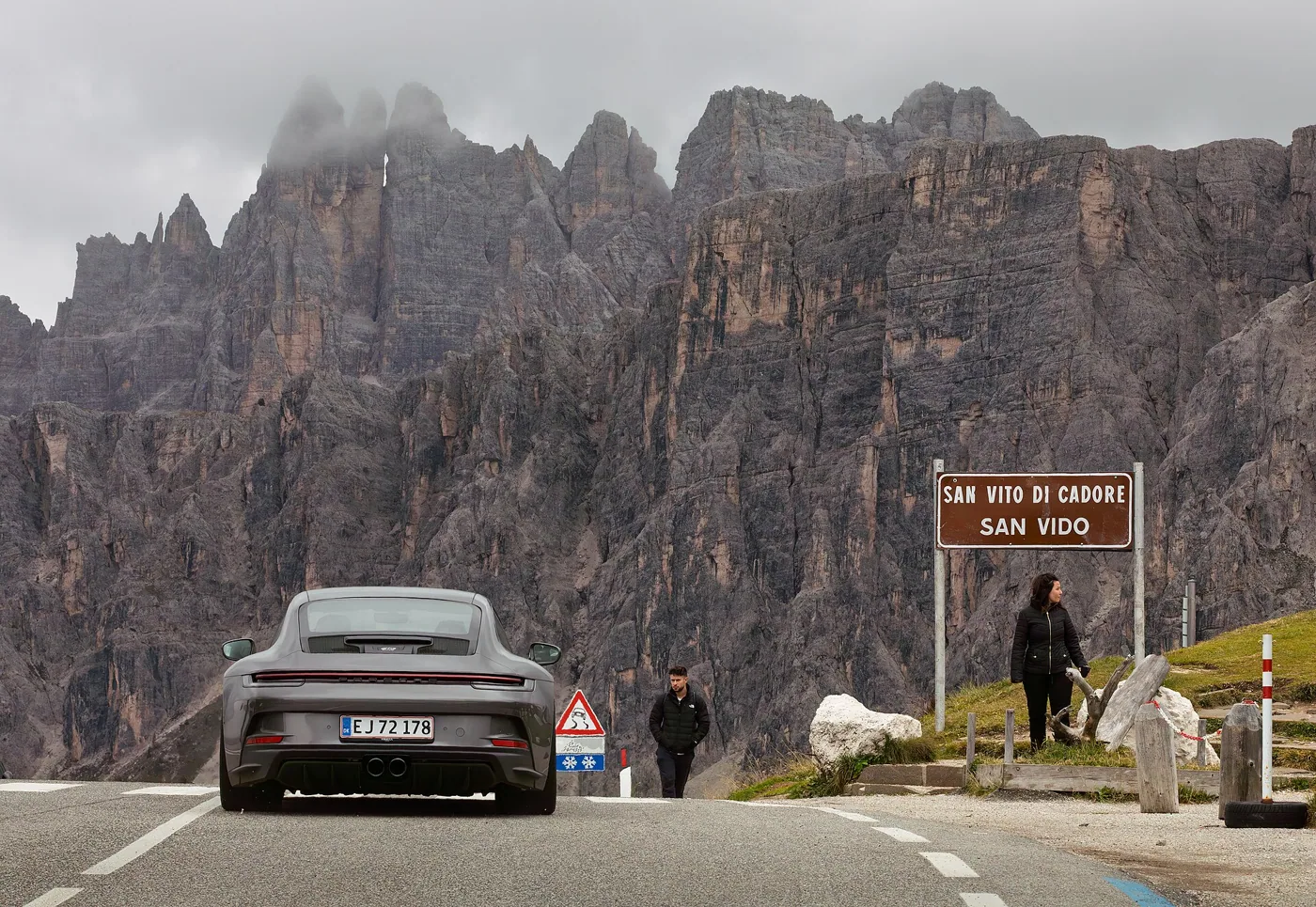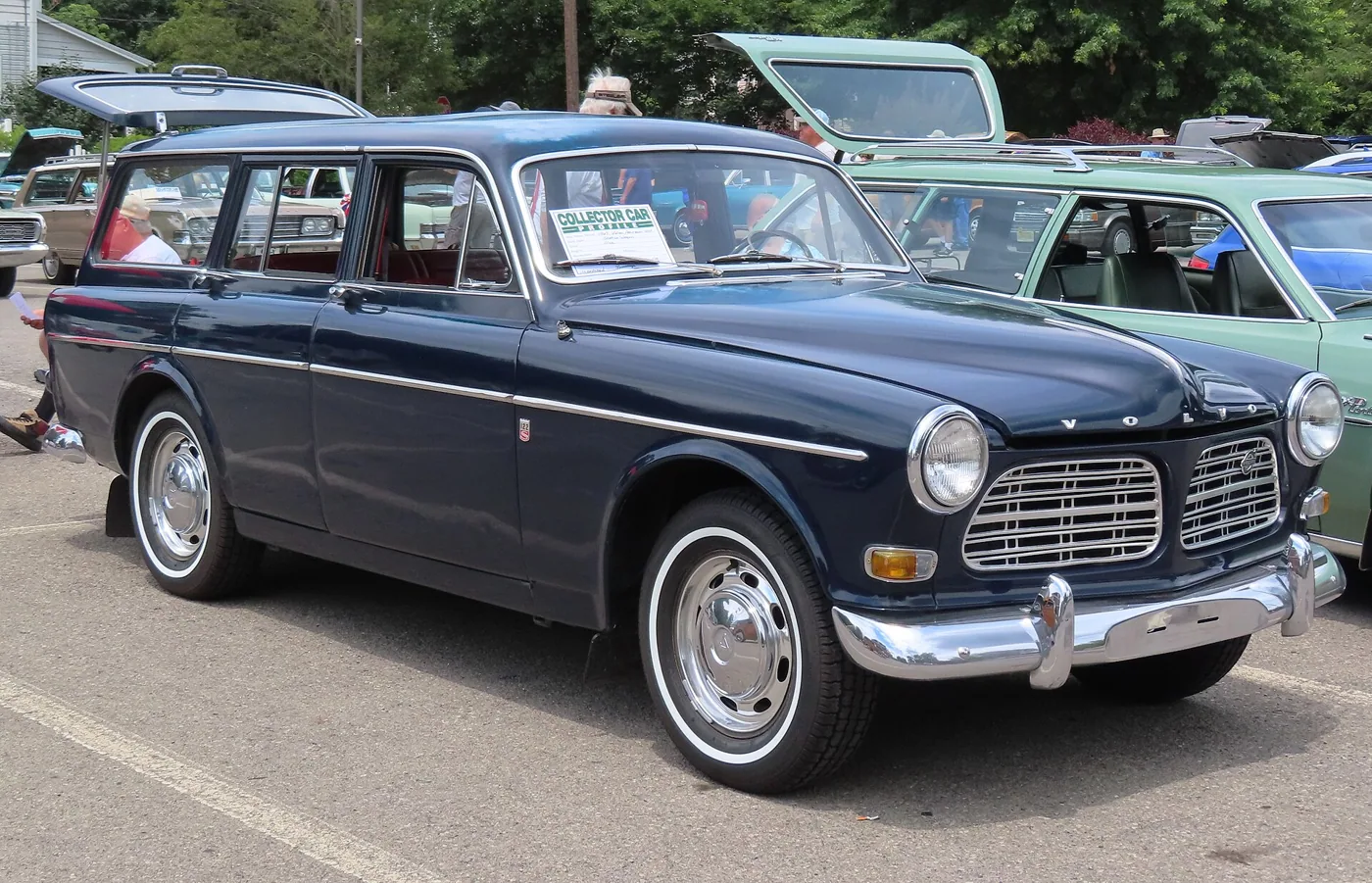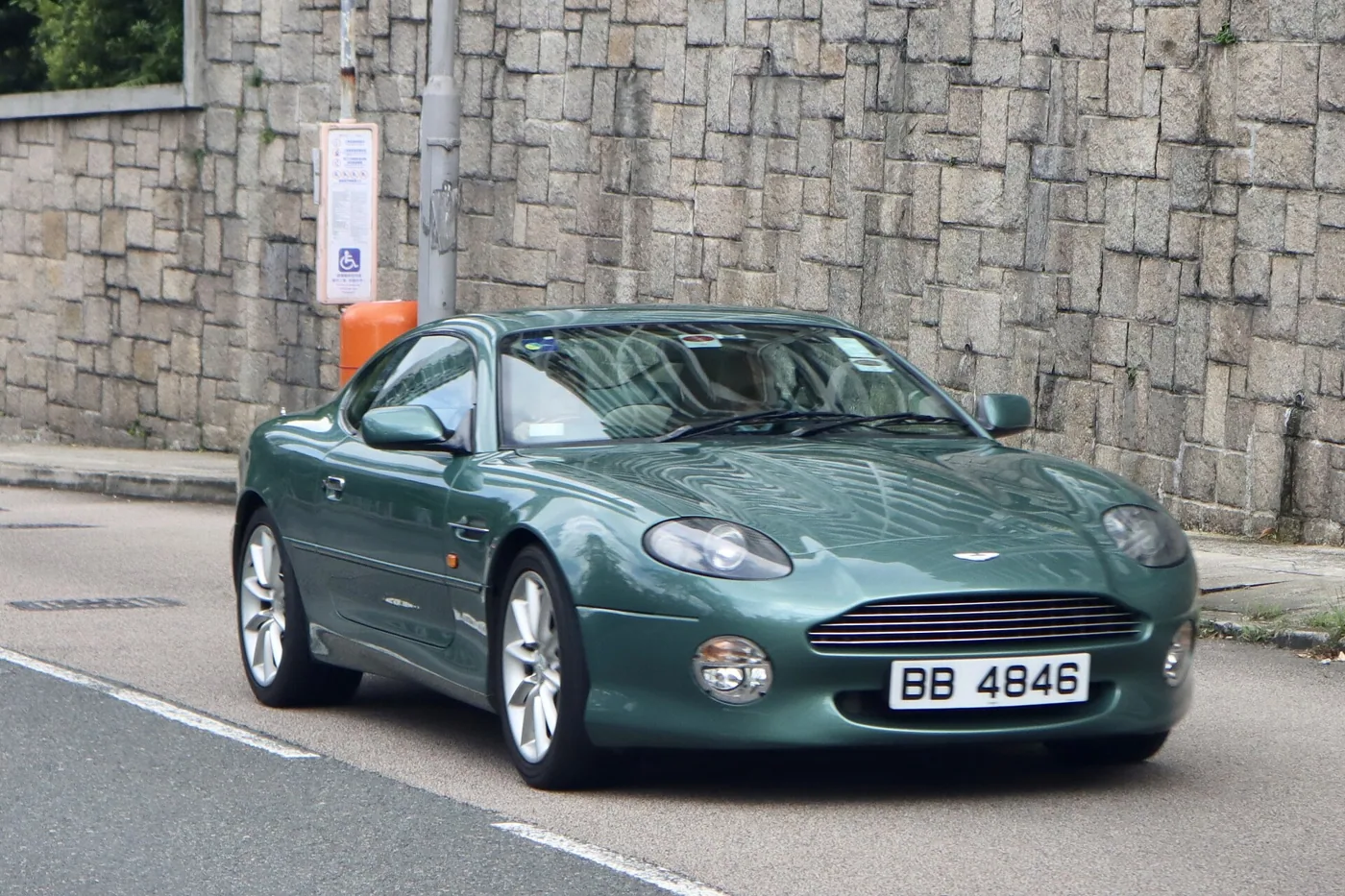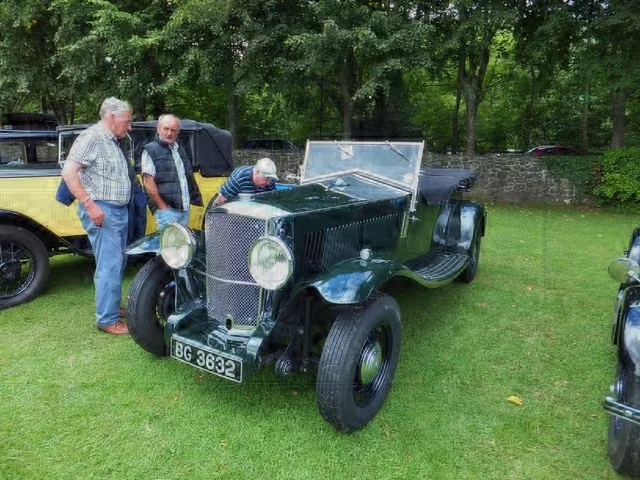
A successful car meet can contain an exotic sports car, a carefully preserved family hatchback, and a commuter with an interesting story. What connects them is not a price bracket. It is the willingness of their owners and visitors to talk, listen, and share space. The strongest events make that exchange easier without turning enthusiasm into a competition for status.
- Open conversations with ownership stories rather than status tests.
- Respect vehicles, photography boundaries, and the surrounding community.
- Make access and expected behavior clear before the event.
Give curiosity a comfortable opening
Questions about how a car is used often lead to better conversation than an immediate demand for specifications. What attracted the owner to it? Which detail has grown on them? What has been unexpectedly practical or difficult? These questions allow ordinary ownership experience to contribute alongside technical knowledge.
Leave room for uncertainty. An owner may not know every historical detail, and a newcomer should not need to pass a quiz before being included. If a claim needs checking, treat it as an invitation to learn rather than an opportunity to embarrass someone. Enthusiasm grows more readily where knowledge can be shared without being used as a barrier.
Respect the space around each car
Ask before touching, opening, or leaning on a vehicle, and supervise children appropriately. Keep bags, clothing hardware, and drinks away from surfaces that could be damaged. These are small courtesies, but they allow owners to relax and spend more time talking instead of guarding the car throughout the event.
Photography deserves similar consideration. Avoid blocking movement for long periods or assuming that every person wants to appear prominently in an image. A good event is a shared environment rather than a collection of private photo studios. Patient observation often produces more interesting photographs than trying to control every angle around a popular car.
Let organization protect the atmosphere
Clear arrival, parking, and departure instructions reduce uncertainty. Organizers should communicate access arrangements, facilities, and expected behavior in language visitors can understand before attending. The surrounding community matters too. Noise, blocked access, and unsafe departures can damage the relationship that allows an event to exist.
Museum events provide one example of cars being presented within a broader educational setting, though each venue has its own rules. For informal gatherings, the same principle applies: purpose and boundaries should be clear. A relaxed atmosphere is easier to maintain when participants know what is expected and how to ask for help.
Value the story that stays afterward
The most memorable encounter may involve a familiar model that prompts an unexpected conversation about work, travel, or family. Those accounts connect car culture with ordinary life. A meet that makes space for them offers something that an online gallery of rare vehicles cannot provide.
When choosing or organizing an event, consider who can comfortably participate. Access, seating, timing, cost, and clear information affect the welcome as much as the entry list. A good car meet leaves people interested in returning, perhaps with a friend who knows little about cars but enjoys hearing why other people care about them.
Sources & further reading
These references provide background for this analysis. Product details, regional rules and market conditions can change; check the original source for its scope and date.
Something needs a closer look? Send a correction.