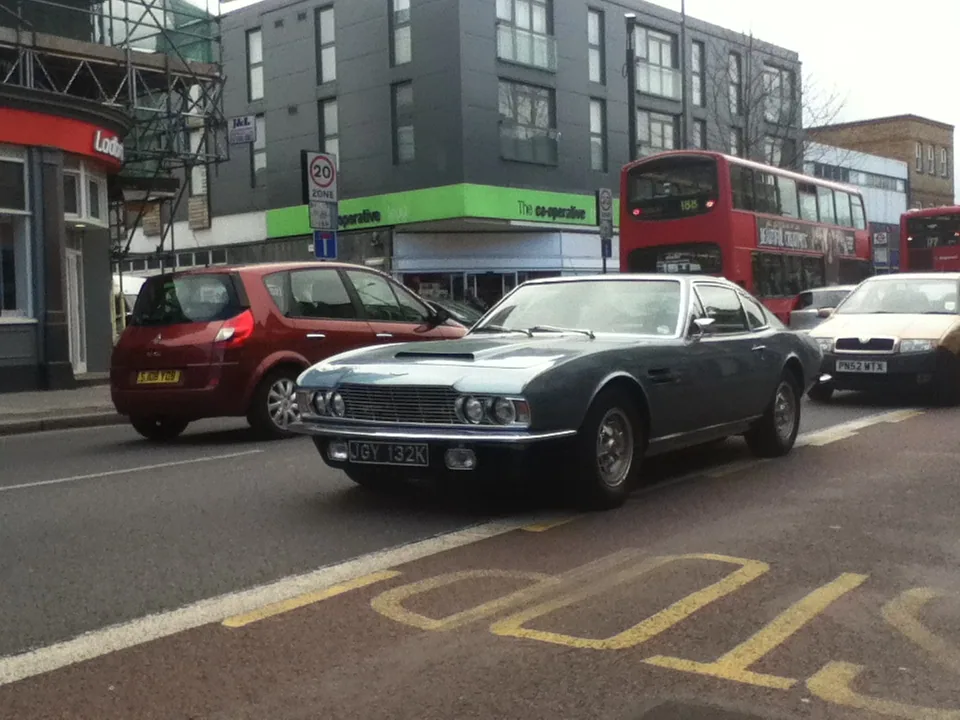
Car culture naturally gives the driver's seat a prominent role. Road trips, however, happen to everyone in the vehicle. A route selected for its corners may mean little to someone who wants a comfortable lunch, an accessible stop, or time outside the cabin. Thoughtful planning begins by recognizing those different priorities as part of the journey's purpose.
- Agree on shared priorities before fixing the route.
- Treat facilities, accessibility, and comfort as planning inputs.
- Preserve an easy way for anyone to request a break.
Agree on the kind of day
Before choosing the route, discuss what each person hopes to enjoy. Some want scenery, others a museum, a walk, or an unhurried meal. Find a few shared priorities and build around them. A plan with fewer destinations can be more inclusive because it leaves room for changing needs without making every delay feel like a failure.
Be explicit about distance and expected time in the car. Map estimates do not include every stop, conversation, or practical interruption. The most useful itinerary describes the day as people will experience it, not merely as a sequence of driving segments. Keep alternatives available if the original arrangement stops working for someone aboard.
Design the cabin for ordinary comfort
Think about access to water, personal supplies, and necessary devices without leaving loose items unsecured. Adjust temperature and audio by agreement. Keep the driver's operating space clear and prepare navigation before departure. A calm cabin reduces the number of small requests that otherwise compete with attention at inconvenient moments.
Passengers may help with route information or locating a suitable stop, but avoid turning assistance into constant instruction. Agree on how information will be shared. The driver should be able to concentrate, and passengers should feel comfortable raising a concern. Clear, respectful communication is more useful than expecting everyone to guess the right moment to speak.
Make stops part of the experience
Rest breaks can be destinations in their own right: a quiet public place, a small exhibition, or a pleasant meal. Research practical facilities and accessibility through current official information. A scenic location is not automatically a suitable stop for every traveler, particularly if parking, toilets, or walking surfaces do not fit their needs.
NHTSA's drowsy-driving guidance supports planning around adequate rest rather than treating tiredness as a challenge to overcome. Passengers should be able to suggest a break without feeling responsible for spoiling the schedule. A flexible timetable makes that conversation easier because the plan has already allowed for human needs.
Let the shared memory define success
At the end of the trip, ask what each person would repeat and what they would change. The answers may differ from the driver's assessment of the route. Use those observations for the next journey. A good plan improves through listening rather than becoming a fixed itinerary defended because someone invested time in creating it.
The reward is a form of automotive enjoyment that can be shared widely. People who care little about engines may still love a thoughtfully planned day in a car. When the vehicle supports conversation, discovery, and comfortable travel, enthusiasm becomes an invitation to join an experience rather than a request to admire someone else's preferences.
Sources & further reading
These references provide background for this analysis. Product details, regional rules and market conditions can change; check the original source for its scope and date.
Something needs a closer look? Send a correction.