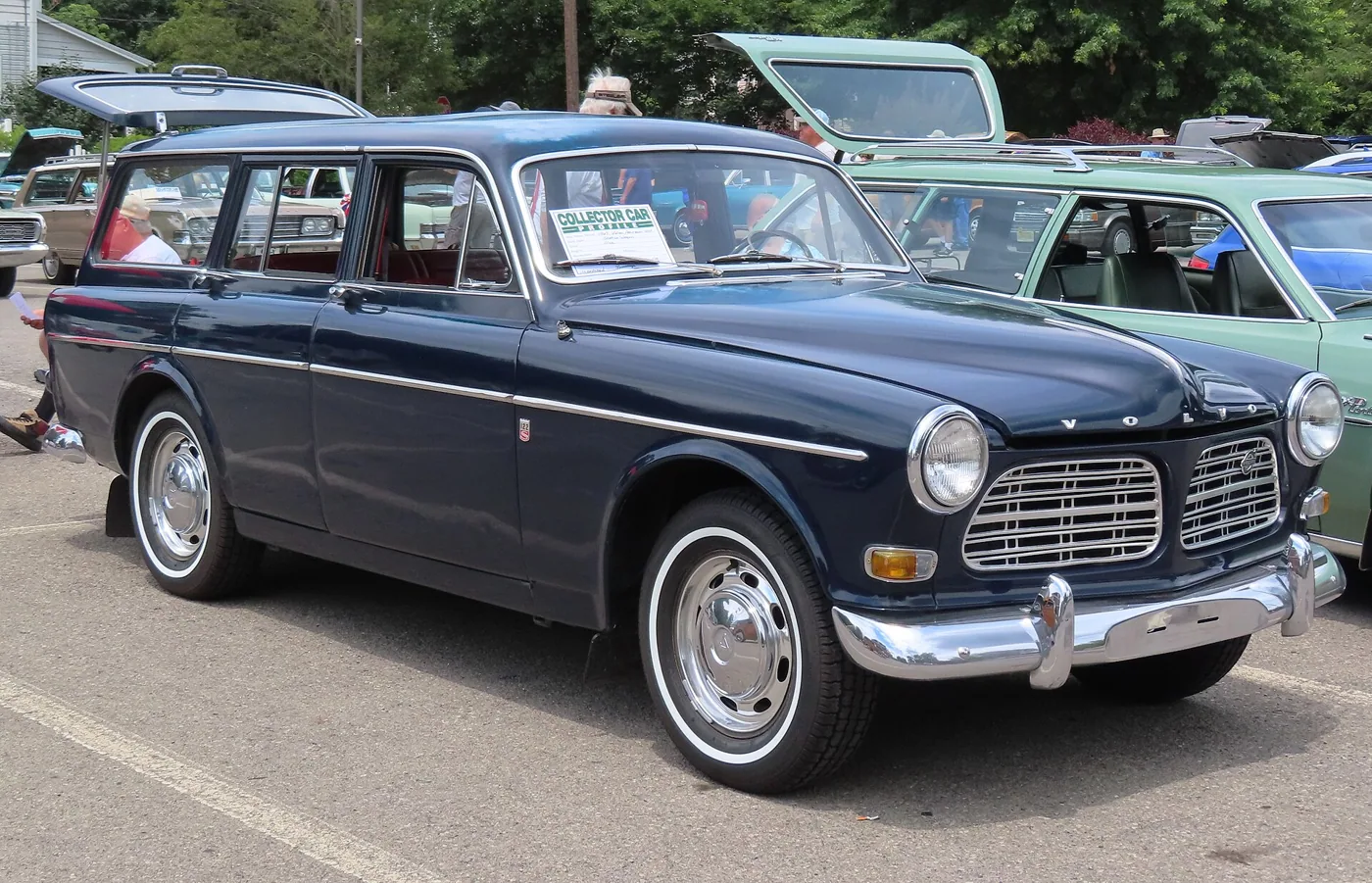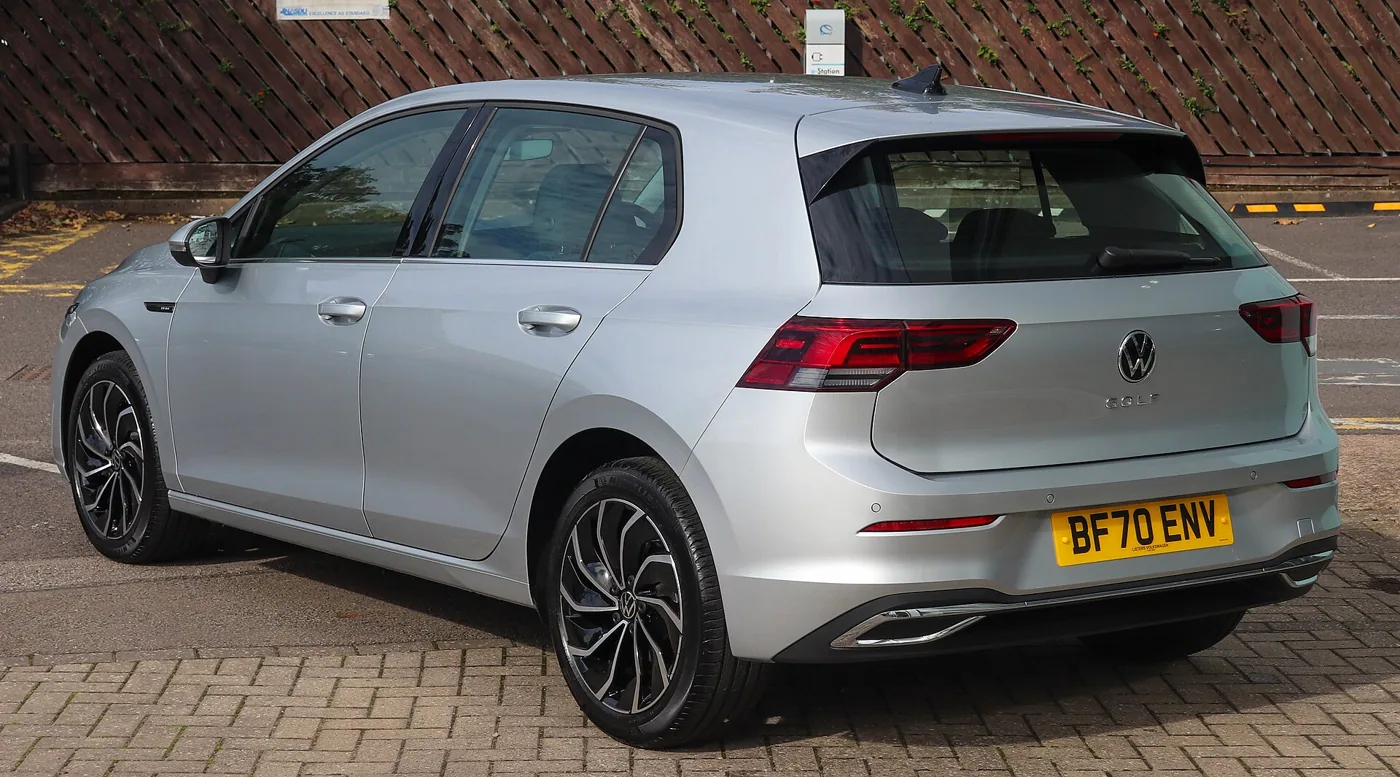
The hot hatch offers an unusually compact automotive promise. It suggests that a car used for shopping, commuting, and carrying friends can also hold a driver's interest. The attraction is not simply performance added to a small body. It is the possibility of enjoying one coherent object across several parts of life without treating practical use as an unfortunate obligation.
- Evaluate everyday use alongside performance ambitions.
- Check the exact generation, configuration, and condition.
- Treat practical usefulness as part of the appeal.
The ordinary shape is part of the appeal
A hatchback begins with recognizable usefulness: a rear opening, adaptable space, and a relatively straightforward relationship with daily tasks. Performance-oriented versions can draw energy from that familiar starting point. The visual contrast between ordinary proportions and a more focused intention helps explain the category's cultural appeal.
The British Motor Museum's treatment of hot hatches as an exhibition subject also shows that these cars belong in a broader story of design and popular enthusiasm. That does not make every example historically important. It suggests that accessible, frequently used cars can express a period's aspirations as clearly as rare machines built for a narrower audience.
Integration matters more than a headline
A power figure cannot tell you whether the car remains comfortable in traffic, easy to park, or convenient for passengers. A strong overall package balances its ambitions. When evaluating a model, look for evidence about the exact configuration and consider the routine journeys that will occupy most of its mileage.
A focused setup may be rewarding in one context and tiring in another. There is no universal level of firmness, noise, or visual drama that suits every owner. The useful question is whether the car's compromises feel appropriate for your use, not whether they appear sufficiently serious to other enthusiasts.
Ownership should remain part of the enthusiasm
Tire availability, servicing, insurance, and the condition of a used example deserve the same attention as performance equipment. Modifications should be understood and assessed by a competent specialist. A desirable badge does not establish how carefully an individual car has been maintained or whether its current configuration suits everyday use.
Keep expectations tied to the car that exists. A model's reputation may have been formed by a different generation, specification, or market version. Read relevant documentation, inspect the actual vehicle, and separate nostalgia from evidence. The appeal of the format is strongest when it survives those practical questions rather than depending on avoiding them.
Let usefulness enrich the story
A car that joins ordinary routines can accumulate a different kind of significance from one reserved for rare occasions. It becomes associated with work, friendships, and familiar routes as well as special drives. That everyday presence is central to the hot-hatch idea: enjoyment does not need to wait for a separate category of journey.
The best expression of the concept is therefore personal. It is the car that fits the household, remains manageable to own, and provides interest without demanding constant sacrifice. A single vehicle can serve several roles well, provided its owner chooses the balance deliberately and values the practical half of the equation as much as the entertaining one.
Sources & further reading
These references provide background for this analysis. Product details, regional rules and market conditions can change; check the original source for its scope and date.
Something needs a closer look? Send a correction.