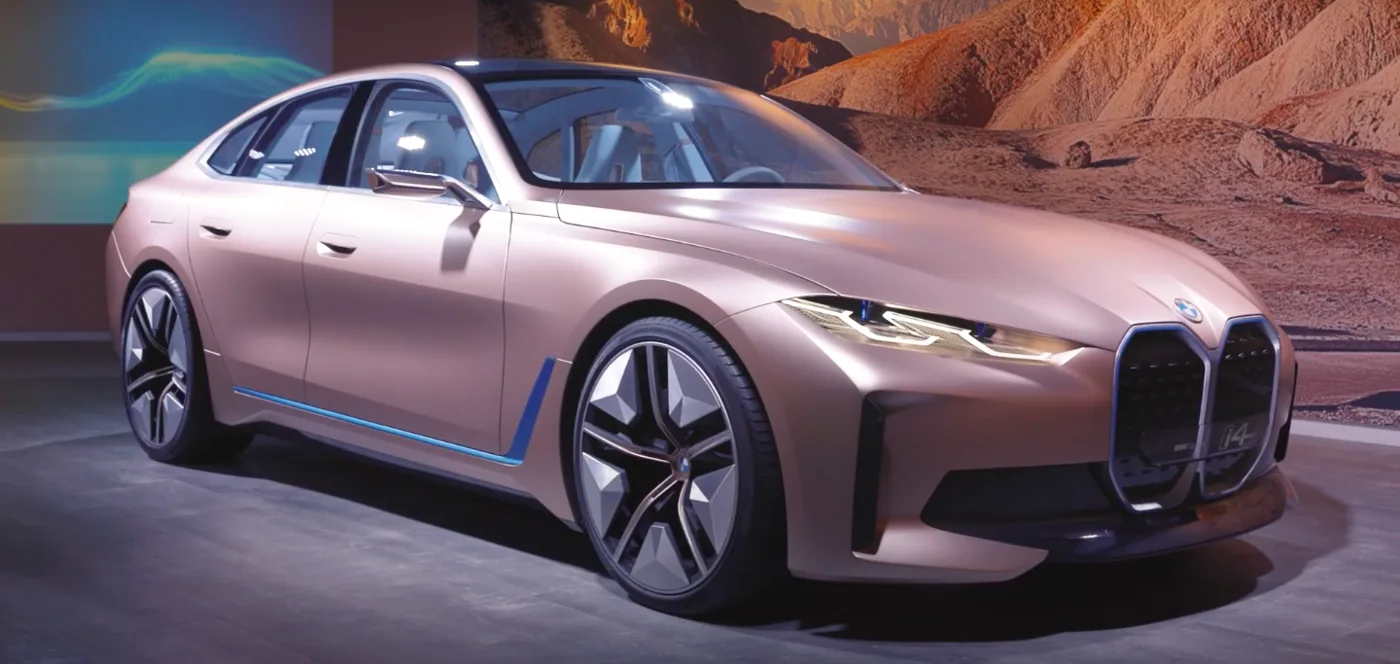
A car design arrives in public as a finished image, which can make its shape seem inevitable. The process behind it is far less tidy. Sketches, digital work, models, and repeated judgments turn an intention into surfaces that must hold together at full size. Clay models offer a particularly clear way to understand that transition from image to physical object.
- Judge design from multiple angles and at realistic scale.
- Consider how light reveals surface relationships.
- Separate visible changes from unverified explanations of the process.
Scale changes the question
A small drawing can suggest proportion without forcing every relationship to be resolved. At larger scale, the roof, glass, wheel openings, and body surfaces must coexist in a space a person can walk around. The design is no longer a single favored angle. It becomes an object that must remain coherent as the viewpoint changes.
Mazda describes sketching and clay modeling as parts of its design process. The Design Museum's Ferrari exhibition material likewise shows drawings and physical models in relation to finished form. These sources support a simple observation: automotive design is developed through multiple representations, each revealing different questions rather than one medium making all others unnecessary.
Light is part of the material
A surface becomes visible through the way it catches and releases light. A highlight can make a curve appear confident, awkward, tense, or soft. Moving around a physical model lets designers examine those relationships continuously. For an observer, the same exercise explains why a car can look different in a studio, a car park, and an overcast street.
This does not make digital tools secondary. Different tools offer different kinds of control and evaluation. The interesting question is how a team uses them together to test an intention. Treating design as a contest between handcraft and technology oversimplifies work that often depends on careful movement between both.
The attractive shape must meet other needs
A production car also has to accommodate people, equipment, manufacturing, service access, and many other requirements. A concept image may express a direction without resolving every practical detail. When a production version changes, the useful question is what constraint or purpose influenced the decision, rather than assuming the original idea was simply weakened.
Public material rarely reveals every tradeoff, so avoid inventing a backstage explanation from appearance alone. A clear analysis can describe the visible change and identify possible design questions without presenting speculation as fact. That discipline respects the complexity of the process and the limits of what an outside observer can know.
Look at finished cars with a maker's curiosity
The next time a car's shape interests you, follow one line around it and notice how the surface changes. Observe the relationship between separate panels, glass, lamps, and wheel openings. You do not need specialized terminology to ask whether the parts feel connected or whether one detail interrupts the overall intention.
Understanding the making process enriches appreciation without requiring every design to please everyone. It reveals the finished car as a sequence of decisions that became tangible. A clay model is compelling because it makes that work visible: an idea being tested at the scale of real bodies, real light, and the streets where the eventual vehicle will spend its life.
Sources & further reading
These references provide background for this analysis. Product details, regional rules and market conditions can change; check the original source for its scope and date.
Something needs a closer look? Send a correction.