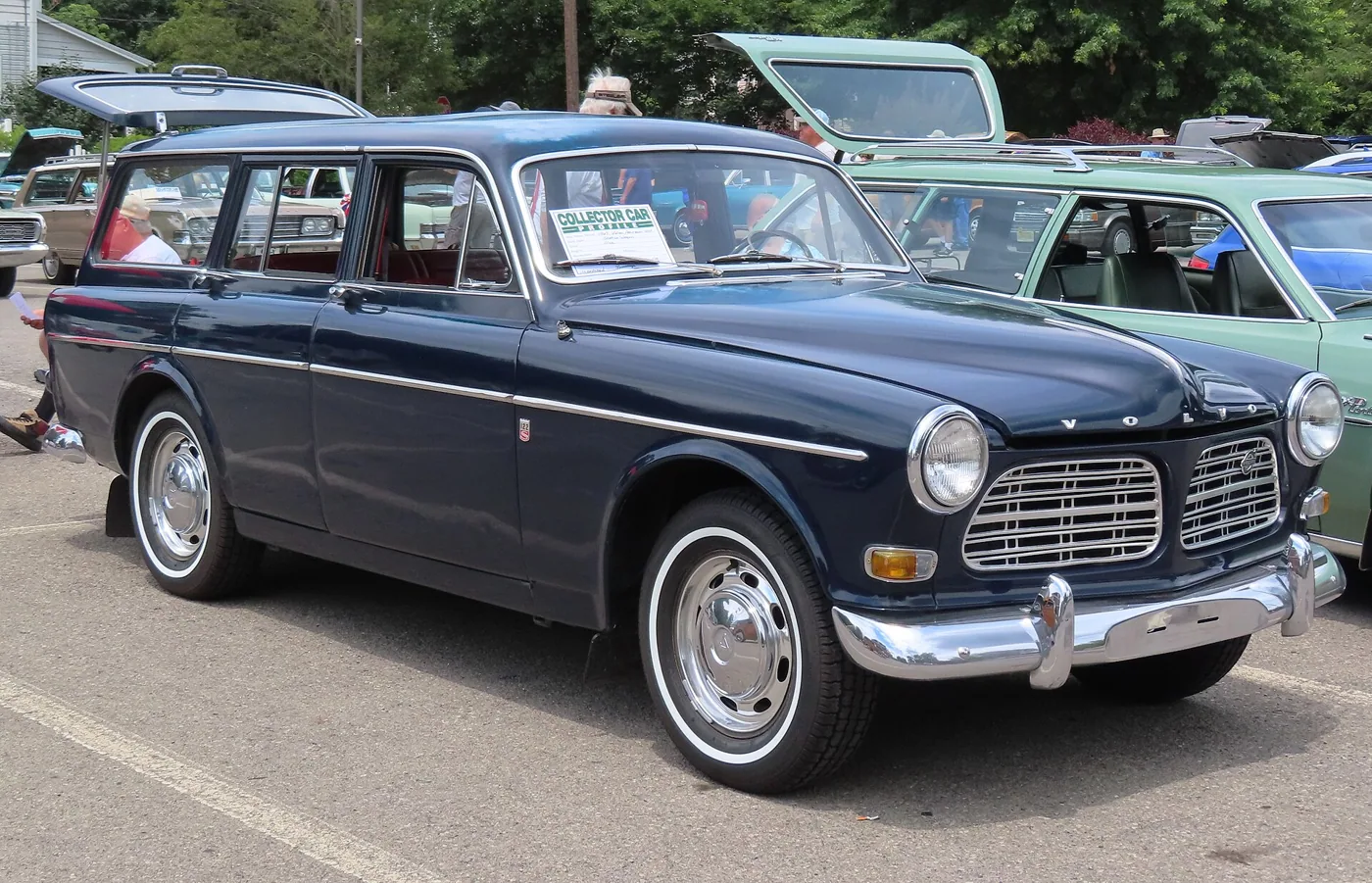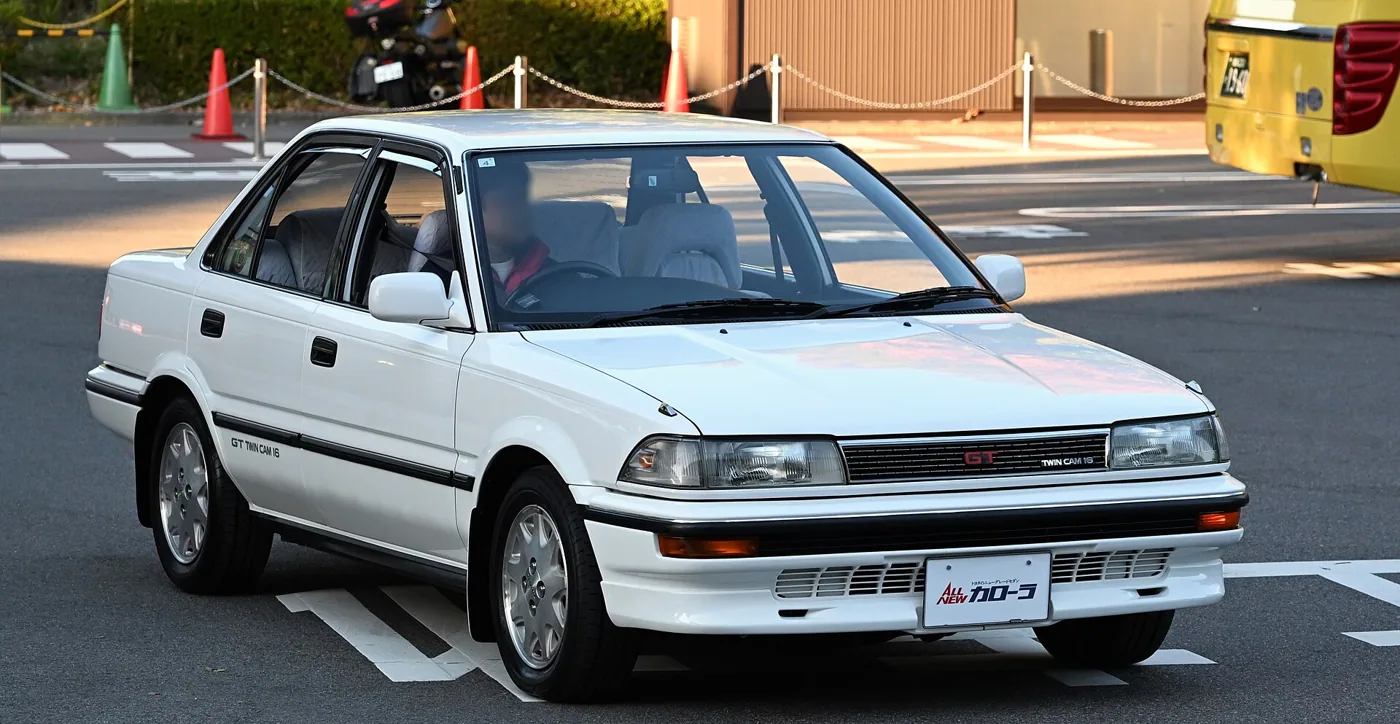
A family car can disappear twice: first from the street, then from memory. While rare and glamorous models receive careful documentation, ordinary vehicles may be treated as replaceable until surprisingly few remain visible. Paying attention to them does more than enlarge a collector's list. It changes the questions asked about what cars meant to the people who used them.
- Look at daily tasks as evidence of a car's purpose.
- Keep personal memories distinct from verified specifications.
- Document ordinary materials and details before they disappear.
Begin with the work the car performed
An everyday vehicle might have carried a commute, school run, small business, or first independent journey. Those roles connect design with social life. Seat materials, boot access, visibility, and the placement of simple controls become evidence of what manufacturers expected owners to need and what buyers were prepared to accept.
The British Motor Museum frames motoring history through the people and industries around the vehicles. That is a useful reminder that significance does not depend only on rarity or speed. A common car can be important because many people encountered it, because it solved a practical problem, or because it reveals an ordinary compromise of its period.
Treat personal memory as one kind of evidence
Someone's recollection of a childhood car can be vivid and meaningful without establishing every technical or historical detail. Separate the emotional account from facts that need documentation. An archive, brochure, or manufacturer record can help clarify specifications while leaving the personal story intact.
This distinction makes conversation more generous. There is no need to correct every affectionate description as though it were an examination answer, but published claims should still be checked. A car can be remembered as wonderfully comfortable by one person and cramped by another because they occupied different seats, ages, and circumstances.
Notice the details that once went unseen
A basic wheel trim, a simple cloth pattern, or an unusual ventilation control can reveal more about an ordinary car's character than an expensive restoration that erases those features. Photographing and documenting unremarkable details preserves information that may later become difficult to find. The original context deserves attention alongside the complete shape.
Preservation still involves choices. Some cars remain working vehicles, and their owners may prioritize dependable use over historical purity. That decision can be reasonable. The aim is not to freeze every familiar object forever, but to recognize what might be lost before change occurs and record it where practical.
Broaden the invitation to enthusiasm
A culture that values ordinary cars gives more people a route into the conversation. Someone may know little about performance records but remember the car that made a family holiday possible. Those stories help explain why transport objects can become emotionally significant without needing to be exceptional machines.
Museums, local clubs, and thoughtful publications can make room for this broader view. The result is not a rejection of celebrated cars; it is a fuller account of motoring. The street was always populated by more than icons, and understanding those everyday companions brings the history of the automobile closer to the history of the people who lived with it.
Sources & further reading
These references provide background for this analysis. Product details, regional rules and market conditions can change; check the original source for its scope and date.
Something needs a closer look? Send a correction.