The convertible is unusually dependent on context. The same car can suggest a relaxed coastal afternoon, an inconvenient luggage puzzle, or a perfectly ordinary enclosed commute depending on weather and use. Its appeal lies in changing the boundary between cabin and environment. Whether that change is worth the compromises is a personal question with practical details.
- Evaluate the car with the roof both open and closed.
- Check model-specific roof care and inspection needs.
- Let passenger comfort and local conditions shape its use.
Imagine a real week, not one perfect afternoon
Think about where the car will be parked, how often it will carry passengers, and which seasons dominate local travel. An attractive holiday memory may not describe daily ownership at home. Count the occasions when an open roof would be welcome, but also consider whether you would enjoy the car with the roof closed.
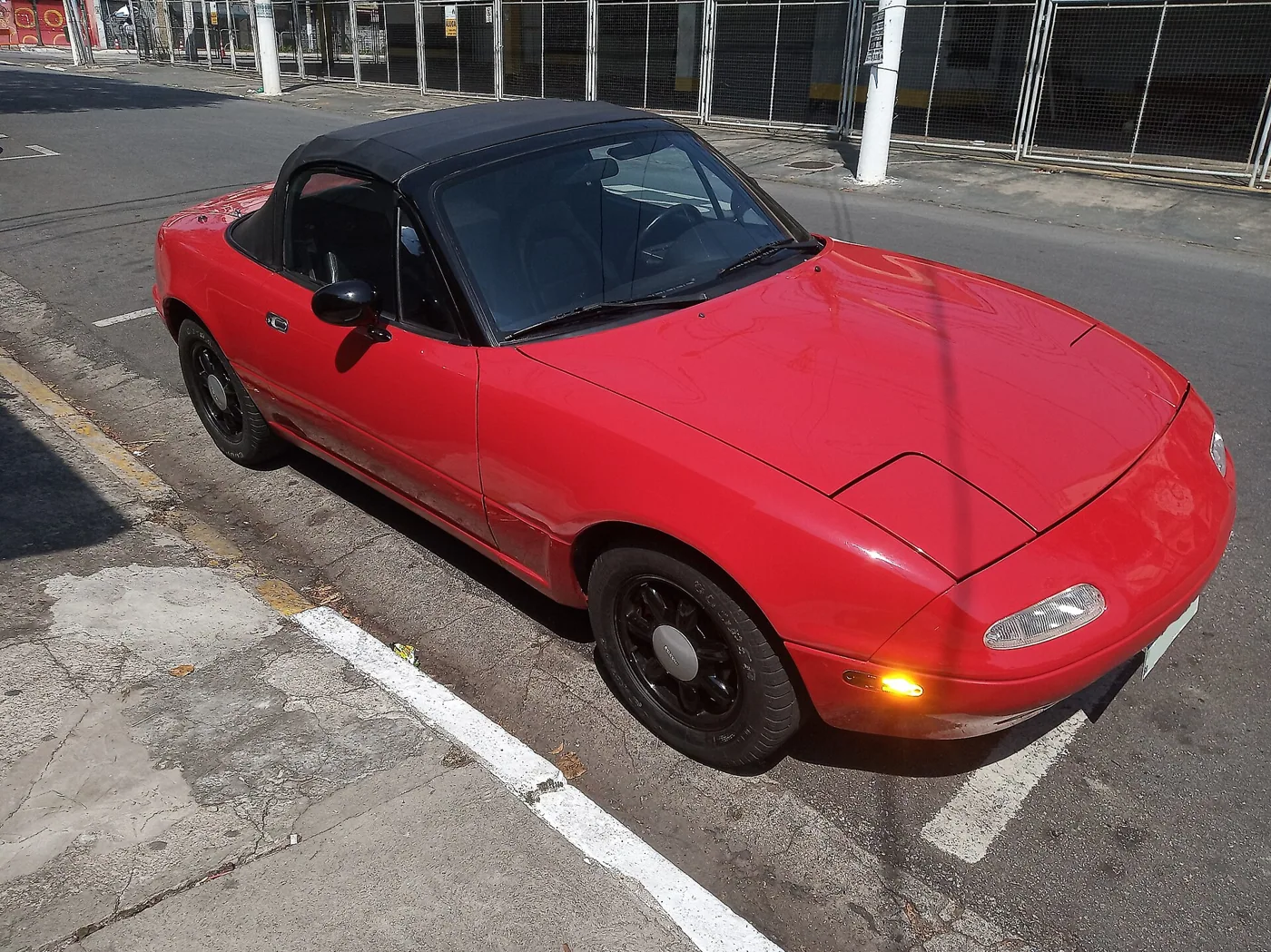
A convertible should be evaluated in both forms. Visibility, cabin access, luggage space, and the ease of using the roof mechanism all deserve attention. Follow the manufacturer's operating restrictions and ask for a demonstration when unfamiliar. The transformation is part of the car's routine, so it should feel understandable rather than like a delicate ceremony.
Let the route fit the experience
Open-air travel can make modest roads feel distinctive through changing light, temperature, and the surrounding environment. That does not require high speed or a famous destination. A short, considerate outing with suitable conditions may deliver more enjoyment than a long journey designed around an unrealistic picture of perpetual sunshine.
Passengers may experience the same conditions differently. Discuss comfort and be willing to close the roof or alter the route. The driver does not own the only valid interpretation of the day. A car chosen for enjoyment should make space for the people sharing it rather than demanding that they perform enthusiasm on cue.
Understand the practical commitments
Roof materials, seals, drainage arrangements, and mechanisms have model-specific care needs. Read the maintenance instructions and use a competent specialist for faults. A used example deserves an appropriate inspection rather than a quick operation test treated as proof of long-term condition. Water intrusion or unusual movement should be investigated properly.
Storage and security also matter. Keep belongings out of sight and follow the vehicle's parking guidance. Consider how luggage fits with the roof in each position and how the car will be used when conditions change suddenly. These details turn a romantic purchase into a vehicle that can be enjoyed without constant rearrangement.
Accept a particular kind of usefulness
A convertible does not need to win every practical comparison to make sense. It needs to offer a benefit that the owner values enough to accommodate its limitations. The judgment should be explicit: which journeys become better, which tasks become harder, and whether another household transport arrangement covers those gaps.
The most lasting appeal comes from using the car in circumstances that suit it, with realistic expectations and considerate planning. A museum image or a manufacturer's design story can supply inspiration, but ordinary ownership supplies the final answer. The open roof is an invitation to notice the setting, not a guarantee that every day will resemble an advertisement.
Sources & further reading
These references provide background for this analysis. Product details, regional rules and market conditions can change; check the original source for its scope and date.
Something needs a closer look? Send a correction.