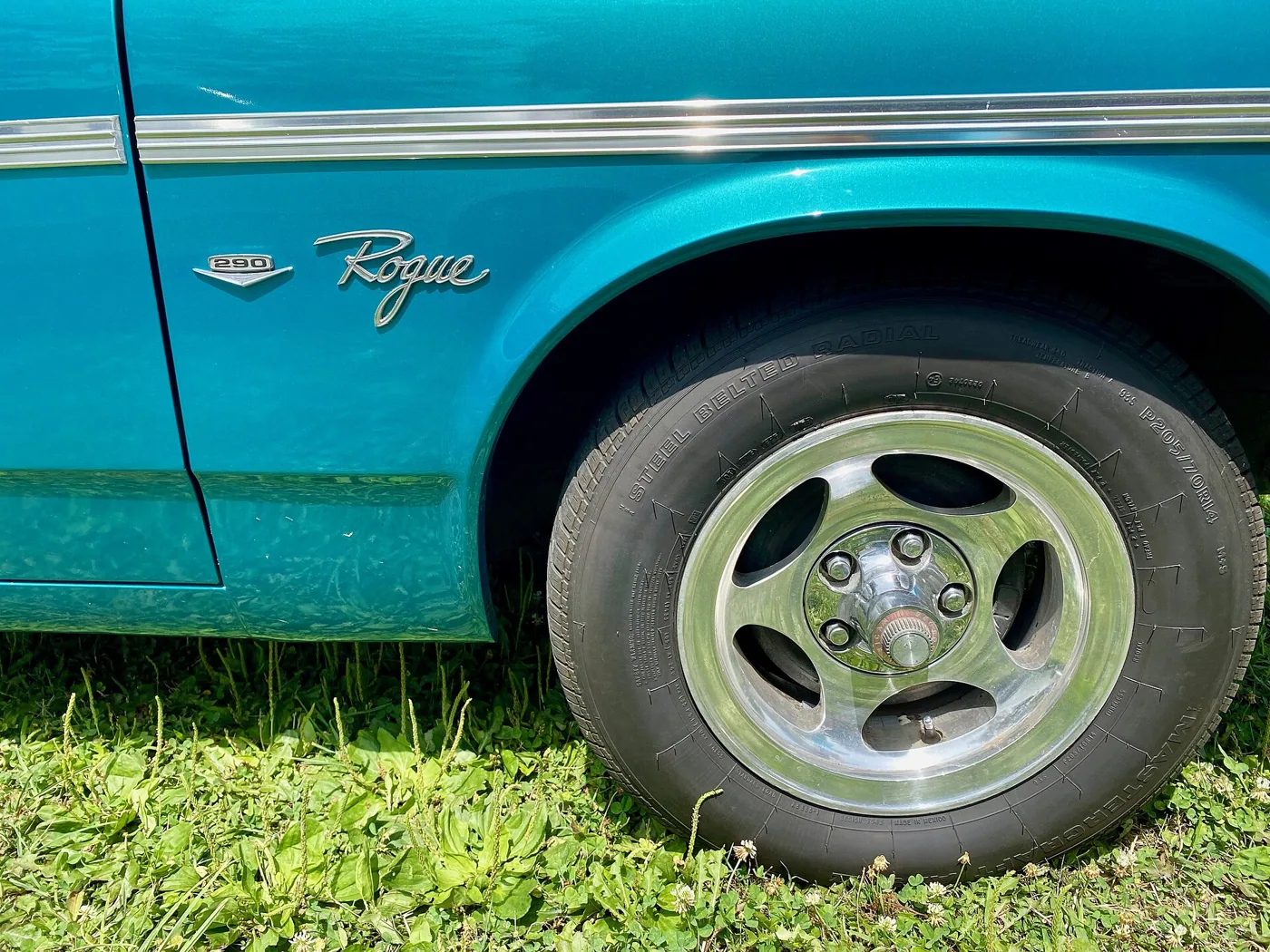
Change the wheels in a photograph and the same car can appear more formal, more aggressive, or more delicate. That effect comes from their position at the base of the body and the repeating pattern they introduce. Wheels act as visual anchors, connecting the car's overall mass with the road in a way that few other details can.
- Judge wheel designs on the complete vehicle silhouette.
- Verify approved fitment before considering appearance.
- Include cleaning and replacement practicality in the choice.
Read the wheel as part of the silhouette
Diameter, spoke pattern, finish, and the visible relationship with the tire all influence the impression. A simple wheel can give the bodywork more attention; a complex design can become a focal point itself. The most coherent result often depends on how those choices relate to the rest of the car rather than on any one fashionable feature.
Look at the complete side view, not only a close-up. A design that is striking in isolation may compete with the car's other lines at full scale. Conversely, an understated wheel can appear unexpectedly right once the whole vehicle is visible. Proportion is a relationship, which means context matters more than a product photograph.
Keep visual preference separate from compatibility
An appealing appearance does not establish correct fitment. Wheel and tire specifications interact with clearance, load requirements, and vehicle systems. Consult the manufacturer's approved guidance and an appropriately qualified specialist before making changes. Do not assume that a combination used on another version of a model is automatically suitable for yours.
NHTSA's tire guidance emphasizes using appropriate vehicle specifications. The broader ownership lesson is to evaluate wheels and tires as a system rather than independent accessories. A visual alteration that creates unresolved practical questions is an incomplete design decision, however convincing it looks on a screen.
Consider the life between photographs
Ask about cleaning access, replacement availability, tire options, and repair procedures for the specific design. Intricate surfaces may require more effort to keep tidy, while unusual specifications can complicate an unplanned replacement. These are not reasons to avoid an expressive choice; they are parts of understanding what the choice asks from the owner.
Road conditions and intended use belong in the discussion with a specialist. Avoid universal claims that one size always delivers a particular ride or handling result. Complete vehicle tuning and tire construction matter. If evaluating factory options, seek relevant information about the exact configuration rather than importing conclusions from an unrelated car.
Let coherence outrank novelty
A wheel can suit a car without being the largest or newest available design. Historic collections show many approaches to the relationship between body and wheel, offering a useful reference for proportion rather than a catalog of modifications to copy. Observe how each design supports the vehicle's broader visual intention.
The satisfying choice is one that remains convincing when the car is parked outside home, carrying passengers, and covered with ordinary road dust. It should make sense as equipment as well as decoration. That balance gives wheel design its lasting interest: a highly visible detail whose beauty is inseparable from the practical work it must perform.
Sources & further reading
These references provide background for this analysis. Product details, regional rules and market conditions can change; check the original source for its scope and date.
Something needs a closer look? Send a correction.