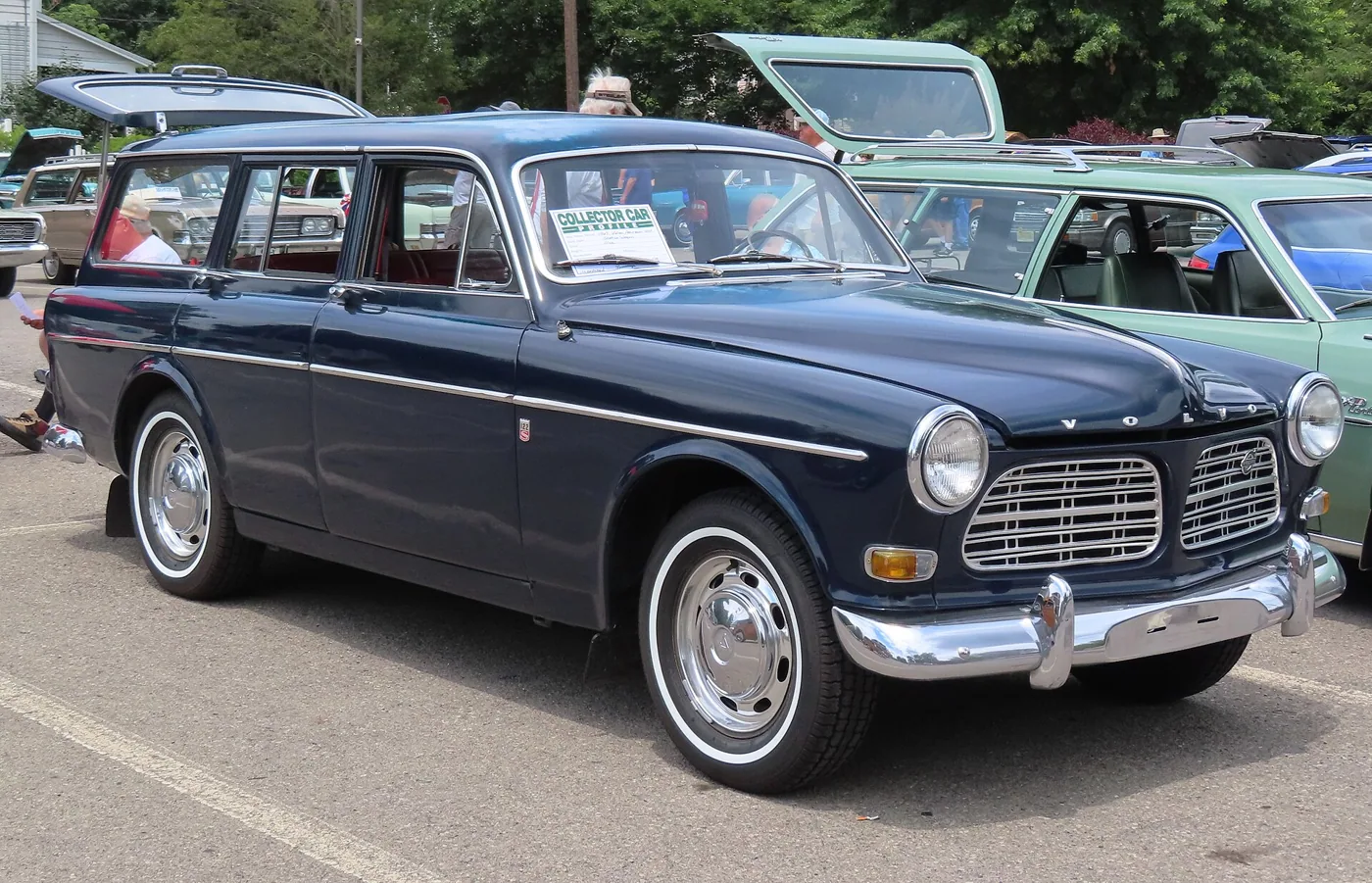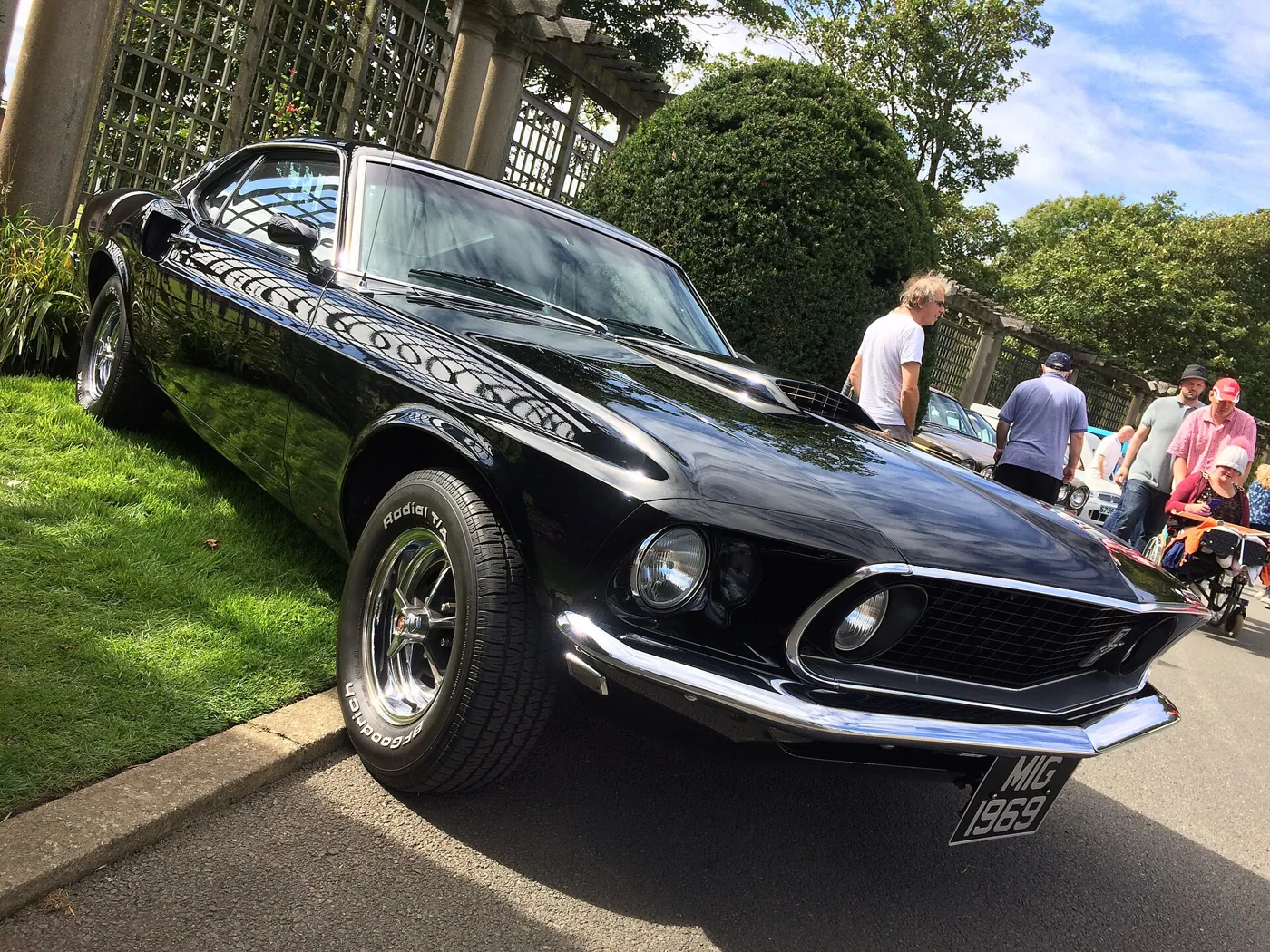
A car club may begin around a particular model, era, or interest, but its lasting value comes from the relationships it supports. Members share practical experience, organize outings, and preserve knowledge that would otherwise remain scattered. The challenge is making that network accessible to someone who arrives without the right vocabulary, established friends, or a remarkable vehicle.
- Publish clear first-visit information and a welcoming contact.
- Label experience, documentation, and professional advice distinctly.
- Offer activities that welcome people beyond vehicle ownership.
Explain the first visit
Newcomers need ordinary information: where to arrive, whether a car is required, what the event costs, and who can answer a question. An insider may find these details obvious because they already know the routine. Publishing them clearly removes a barrier that has little to do with genuine interest in the subject.
Designate a welcoming contact and make introductions without turning the visitor into a public performance. A short conversation about what brought them along is enough. Someone may enjoy photography, design, history, or simply accompanying a friend. Those interests can contribute to the club without requiring an immediate commitment to ownership or technical expertise.
Share knowledge with its limits attached
Experience is valuable, but club advice should distinguish observation, manufacturer requirements, and professional judgment. A member's successful repair does not prove that the same approach suits every vehicle or situation. Encourage appropriate manuals, verified records, and qualified specialists, especially where safety-related work is involved.
A well-organized archive can preserve useful documents and source references without turning hearsay into authority. Museums offer an example of treating collections and context seriously, even though a volunteer club has different resources. The principle is transferable: make information traceable, identify uncertainty, and correct errors without making the correction a personal defeat.
Build events around more than ownership display
Talks, archive visits, design discussions, and carefully planned outings give members different ways to participate. A static row of vehicles can be enjoyable, but it need not be the only format. Activities that reward curiosity allow people with ordinary cars or no car at all to contribute meaningfully.
Practical access matters. Consider seating, timing, transport options, and clear information about the venue. Not every event can suit everyone, but choices should be deliberate. Ask participants what would improve the experience instead of assuming that low attendance proves a lack of interest in the club's subject.
Make stewardship part of the culture
A club's reputation is shaped by behavior around venues and on the road. Clear expectations about consideration, safety, and respect help protect relationships with hosts and neighbors. Apply them consistently rather than giving familiar members more freedom than newcomers. A welcoming club also needs predictable boundaries.
The reward is a community that can renew itself. Knowledge passes between generations, different interests find common ground, and enthusiasm becomes easier to sustain through changes in budget or ownership. A strong club does not merely assemble the right cars. It creates the conditions in which people can keep learning, helping, and enjoying the subject together.
Sources & further reading
These references provide background for this analysis. Product details, regional rules and market conditions can change; check the original source for its scope and date.
Something needs a closer look? Send a correction.