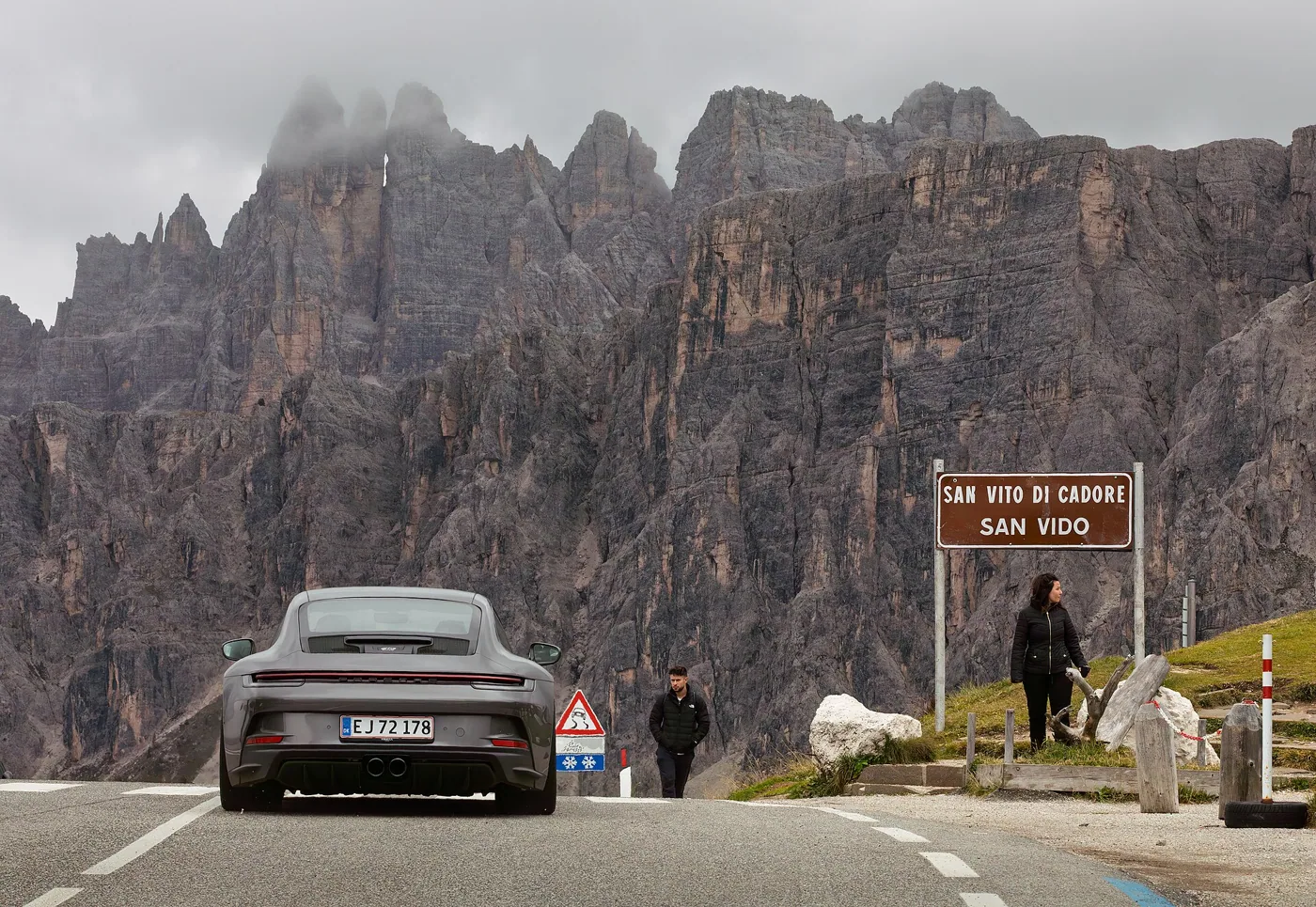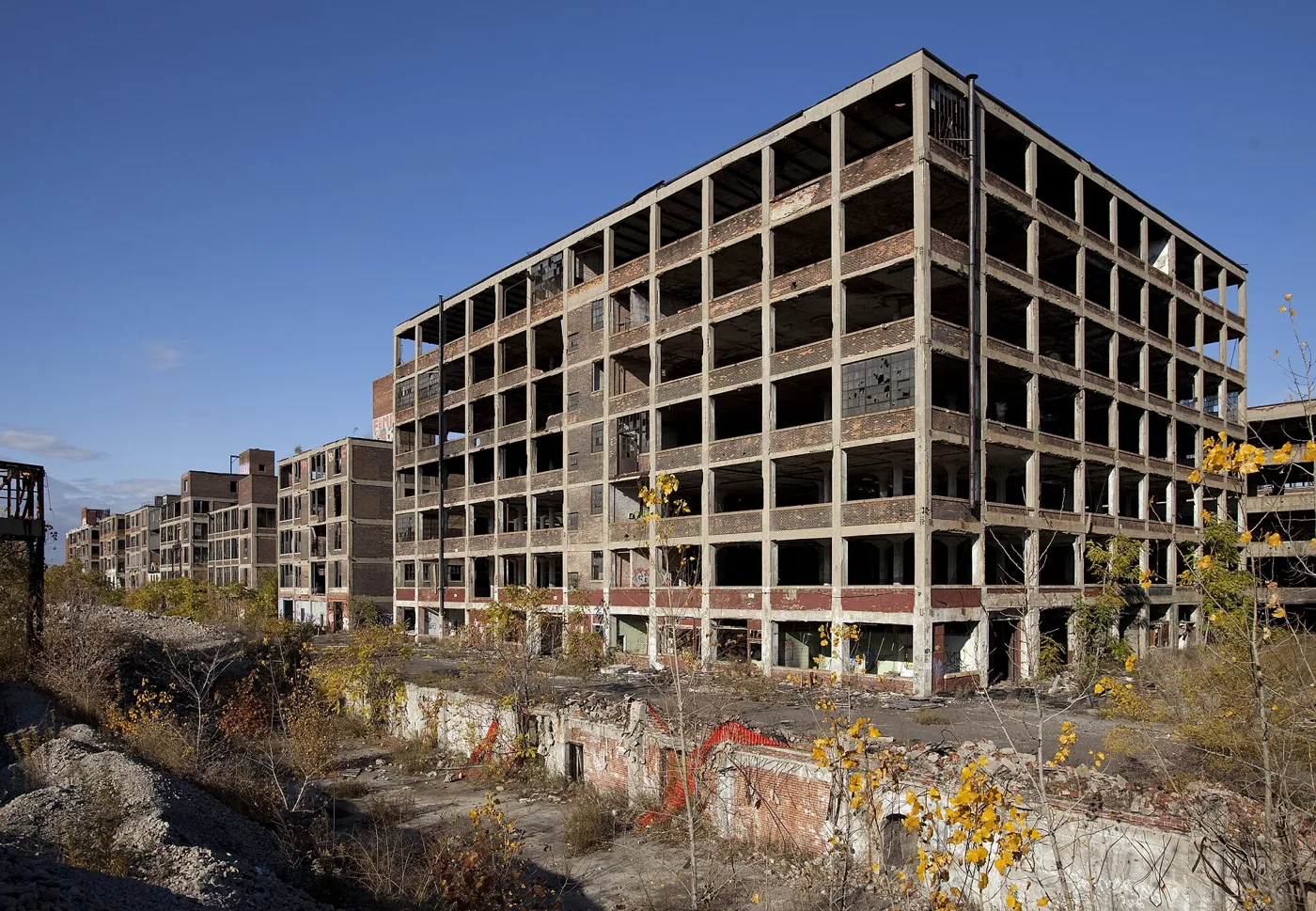
A road trip is usually described through landscapes and destinations. Between them stand buildings designed around the needs of travelers: somewhere to refuel, sleep, eat, repair, or cross a difficult stretch of terrain. These structures can make the history of mobility visible at a human scale, even when their original purpose has changed.
- Observe access, signs, and layout as part of the architecture.
- Verify histories through local or official records.
- Use safe public viewpoints and respect current occupants.
Read the building's relationship with the road
Notice orientation, access, signs, and the space between the building and passing traffic. A roadside business needed to be recognized quickly and entered conveniently. Its shape may reveal that intention even after the sign has disappeared. Looking at the site as a whole can explain more than concentrating only on a decorative façade.
The National Park Service's Route 66 itinerary includes historic roadside places as part of the route's cultural story. It offers a useful model for looking at roads as connected environments. The lesson is not that every old building has equal historical significance, but that movement creates architecture with its own practical and visual language.
Separate observation from historical claims
It is tempting to assign a date or purpose from appearance alone. A curved canopy, faded sign, or weathered pump may suggest a story without establishing it. Look for local archives, official heritage records, or interpretation supplied by the site. If the history is uncertain, describe what you can see and keep the uncertainty visible.
That discipline makes discovery more interesting rather than less romantic. A building may have served several uses, been moved, or changed substantially. Learning that complexity reveals the relationship between a place and its community. A neat origin story can be appealing, but the actual history often contains more useful questions.
Visit as a guest, not an explorer
Old roadside sites may remain private property, active businesses, or unsafe structures. Use public viewpoints and obtain permission where required. Do not enter a derelict building or stop in a hazardous roadside position for a photograph. The pleasure of noticing a place does not create an entitlement to access it.
If a business is operating, treat it as a business rather than scenery. Follow parking guidance, respect customers, and consider supporting it when appropriate. A living roadside place can tell a richer story than an empty shell precisely because it continues to meet practical needs. Present-day use is part of its history, not an inconvenience to the photograph.
Bring the details back to the journey
A few deliberate stops are more rewarding than an exhausting hunt for every surviving sign. Note the names and locations of places that deserve further reading, then allow the rest of the route to remain a journey. Architecture becomes one thread of attention rather than another checklist to complete.
The next time a familiar route feels featureless, look at how its buildings face the road and how their uses have changed. A bypass, a new interchange, or a different travel habit can reshape an entire roadside landscape. Cars are part of that story, but so are the communities that welcomed, serviced, and adapted to the people passing through.
Sources & further reading
These references provide background for this analysis. Product details, regional rules and market conditions can change; check the original source for its scope and date.
Something needs a closer look? Send a correction.