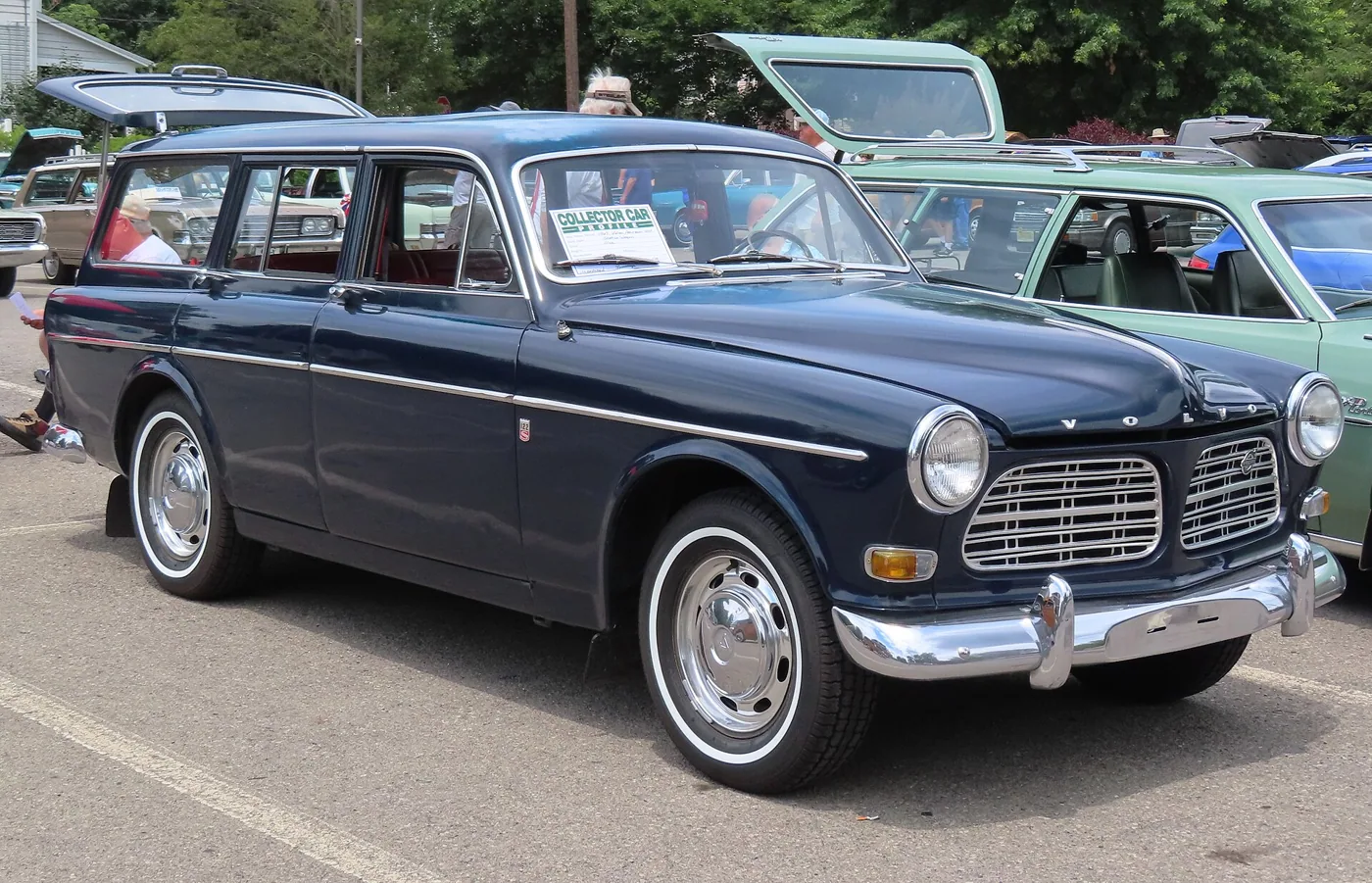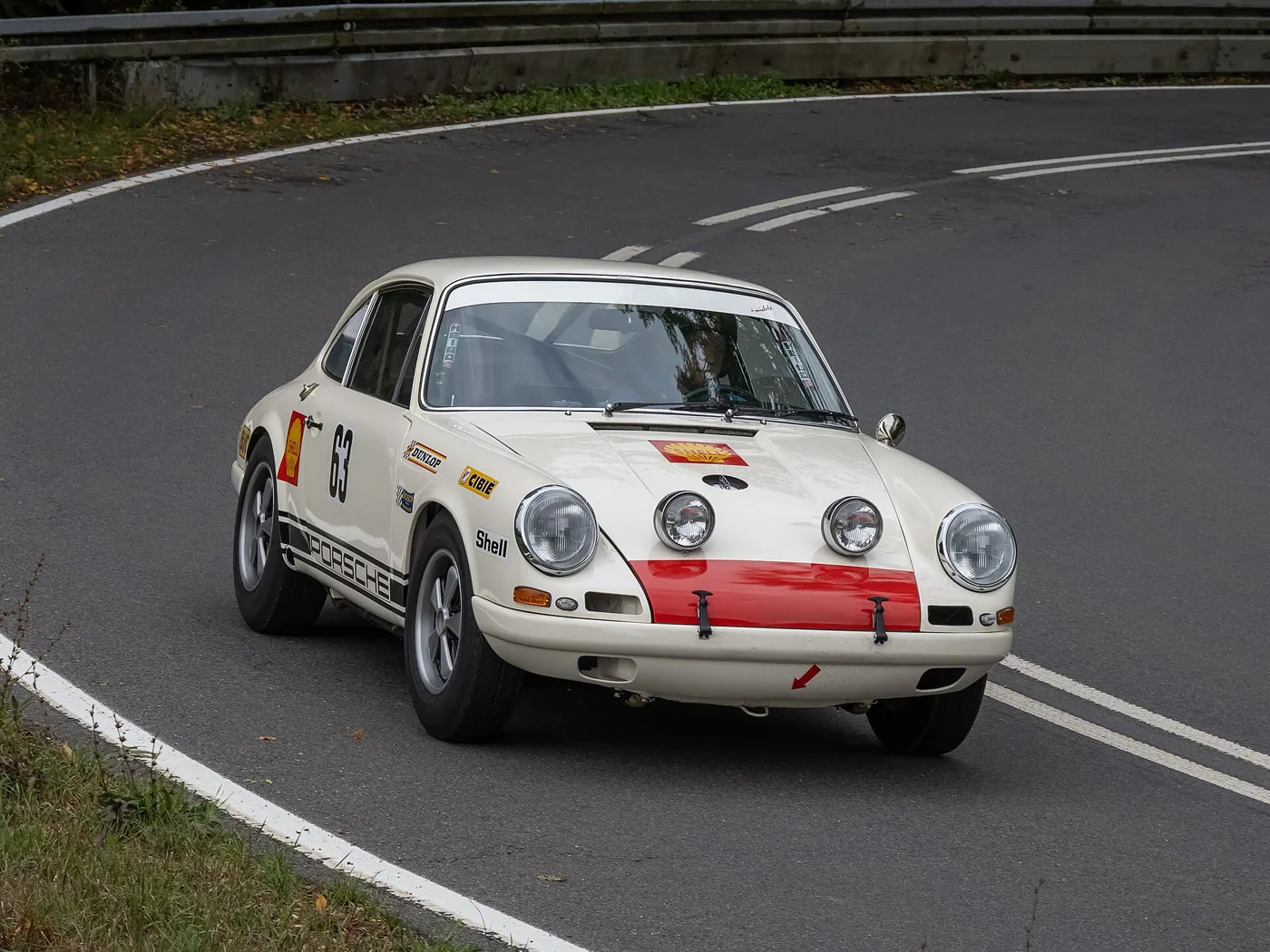
A classic car can be treated as an artifact, a personal project, or a machine intended to be used. Problems arise when those purposes remain unspoken. An owner may pursue cosmetic perfection while wanting relaxed weekend travel, or preserve every mark while quietly wishing the car felt easier to live with. Clarity about purpose makes the next decision more honest.
- Define preservation, restoration, and use goals before work starts.
- Keep historical appearance separate from roadworthiness.
- Document changes and establish a clear project scope.
Decide what you are preserving
Original materials, documented repairs, period modifications, and signs of ordinary use can all contribute to a car's story. Their significance depends on the vehicle and the owner's aims. A worn seat may be meaningful evidence in one context and an obstacle to comfortable use in another. Neither conclusion should be reached automatically.
Document the car before major work begins. Photographs, numbers, invoices, and existing records can preserve information that becomes difficult to recover later. Museum collections and marque archives show the value of treating vehicles as objects with histories, rather than simply as shapes to be returned to a preferred appearance.
Separate appearance from roadworthiness
Patina is an aesthetic and historical concept, not an exemption from mechanical responsibility. Have safety-related systems assessed by an appropriately experienced professional and follow local requirements. A beautifully original surface cannot tell you whether the car is suitable for the intended journey. Conversely, a cosmetic blemish does not necessarily make a vehicle unusable.
Build the maintenance plan around age, condition, and actual use. Specialist parts support, such as the services described by Porsche Classic for supported models, illustrates why model-specific knowledge matters. Availability and procedures vary considerably. Research the individual car's support network instead of assuming that enthusiasm alone will solve an unavailable component or unfamiliar repair.
Choose restoration work with a clear brief
Before approving a project, state the desired outcome, scope, budget assumptions, and decision points. A full cosmetic transformation and a sympathetic repair are different commissions. Ask the specialist to explain what can be known before disassembly and what may remain uncertain. Keep original parts and records where appropriate and agreed.
Avoid letting one freshly finished area force an unplanned chain of upgrades elsewhere. That may be a valid artistic choice, but it should be deliberate. A clear stopping point protects the original purpose of the project. The best result is not necessarily the most extensive work; it is work that fits the car and the owner's considered intentions.
Allow enjoyment to have a practical shape
A classic used occasionally still needs time, storage, and reliable access to expertise. Plan those commitments as carefully as the purchase itself. If the car will spend most of its life stationary because using it feels too stressful, reconsider whether the chosen standard of preservation serves your actual enjoyment.
Perfection can be a satisfying craft goal, but it is only one way to care for an old car. Another is to retain a coherent history, maintain it responsibly, and use it within appropriate limits. The important quality is thoughtfulness: knowing which changes help the car continue its story and which would remove something you genuinely value.
Sources & further reading
These references provide background for this analysis. Product details, regional rules and market conditions can change; check the original source for its scope and date.
Something needs a closer look? Send a correction.