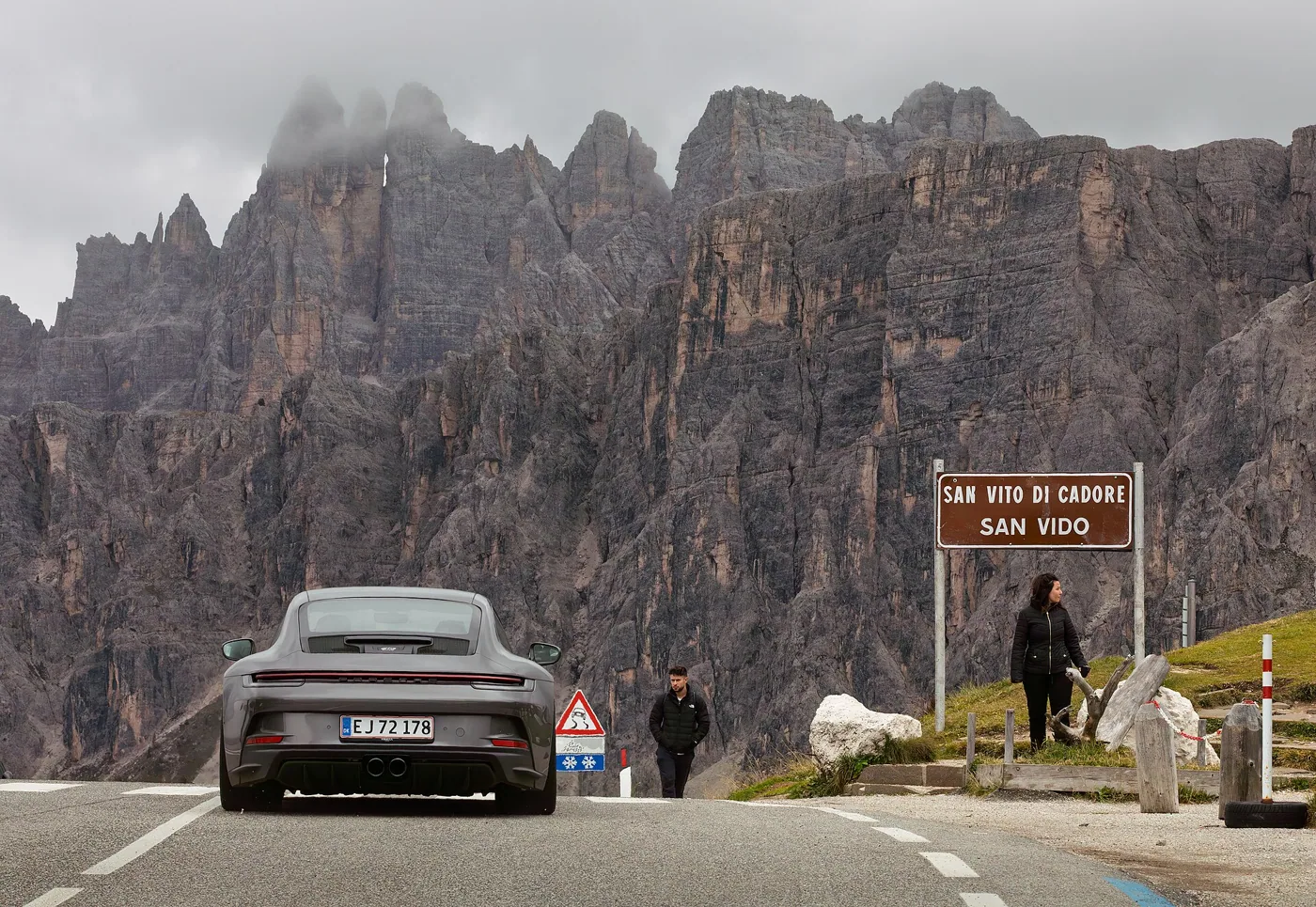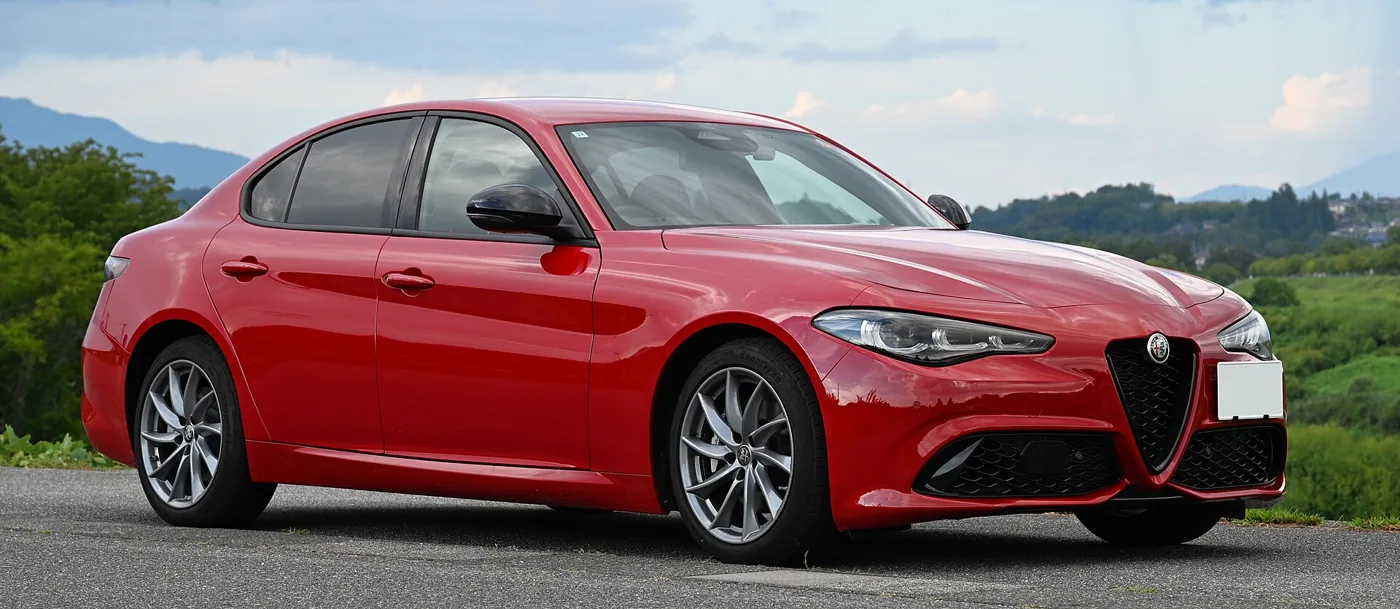
A car's color is sometimes treated as the final decision after the serious choices have been made. Visually, it does much more than finish the object. It can reveal a shoulder line, soften a large surface, emphasize trim, or change the impression of size. The same body can appear reserved, playful, or theatrical without a single panel changing shape.
- View the actual finish in varied light where possible.
- Evaluate paint together with trim, wheels, and interior.
- Check care requirements without treating resale predictions as certainty.
Look at form before the color name
Walk around the car in different light if possible. Observe where highlights travel and which surfaces become difficult to read. A metallic finish can create a different impression from a solid one even when the broad hue is similar. The showroom's lighting may flatter a paint in a way that your usual parking place does not.
Mazda's design material explicitly discusses light, surface, and color as connected concerns. That is a manufacturer's account of its own intentions, but it points toward a useful way to look at any car. Ask what the paint helps you notice about the shape rather than judging the swatch as an isolated object.
Consider the complete composition
Wheels, window surrounds, lamps, badges, and interior colors all participate in the result. A combination that looks coherent in a configurator may feel different at full scale. Find a real example where possible, and view it from the angles you will encounter daily rather than only the dramatic front three-quarter pose.
Contrast can add energy, while closer tones can make a car appear more unified. Neither is inherently better. The right choice depends on the character you enjoy and the details you want to emphasize. A personal preference does not need a universal design rule behind it, but examining the whole composition makes that preference more deliberate.
Think about ordinary ownership
Ask about the finish's care requirements and any special repair considerations before choosing it. Follow manufacturer guidance for cleaning and protection. Do not assume every unusual paint requires the same treatment or that a popular color is automatically easier in every circumstance. A qualified body shop can explain practical questions about a specific finish.
Consider the conditions in which the car will spend most of its time. Outdoor parking, dust, winter grime, and frequent washing can influence how you feel about the appearance between cleans. The goal is not to select a color that never shows use, but one whose everyday character you can enjoy without constant frustration.
Allow taste to be personal
Predictions about resale can become a reason to choose a car for an imagined future buyer. Future demand is uncertain and depends on many factors beyond paint. If resale matters, research the specific market carefully, but do not present a general color preference as a guaranteed financial outcome.
A color you enjoy can make an ordinary walk toward the car more satisfying for years. That is a legitimate part of ownership, even if it cannot be reduced to a performance measure. The best choice is informed by the complete design and practical care needs, then left with enough room for the owner's own eye.
Sources & further reading
These references provide background for this analysis. Product details, regional rules and market conditions can change; check the original source for its scope and date.
Something needs a closer look? Send a correction.