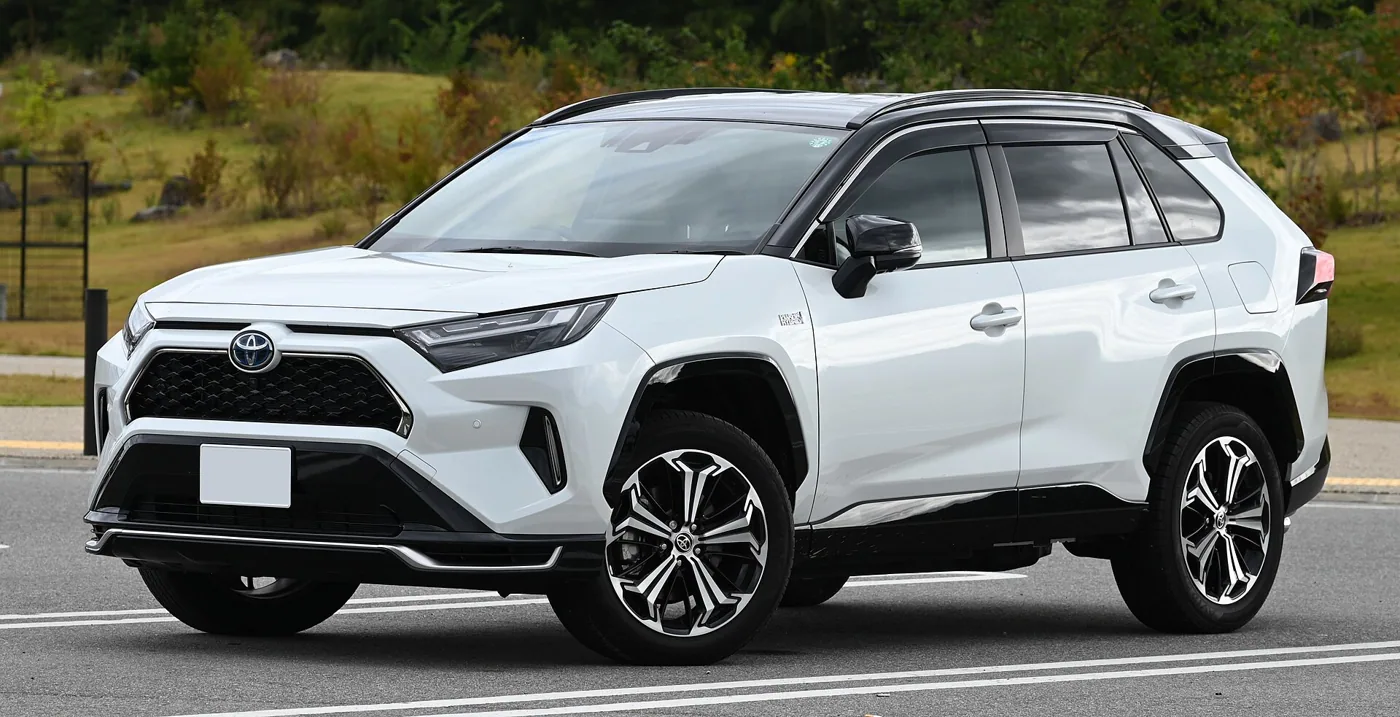
Two cars with similar monthly payments can leave their owners in very different positions. One agreement may run longer, require more cash initially or leave a larger final amount. A useful comparison begins by setting the same ownership period and distance for both vehicles, then tracking the money that enters and leaves the decision.
- Use the same ownership period and annual distance for every option.
- Choose either cash-flow accounting or depreciation accounting consistently.
- Stress-test resale values and obtain model-specific insurance quotes.
Define the comparison before calculating
Choose a period that matches your likely ownership, such as five years, and estimate annual distance from existing records. Compare vehicles capable of doing the same job. If one option requires hiring another vehicle several times a year, include that expense. Otherwise the apparent saving partly comes from asking the cheaper choice to perform less work.
List purchase cost, fees, finance charges if applicable, insurance, energy, scheduled maintenance and expected consumables. Include charging installation for an electric vehicle where relevant. Keep taxes and incentives tied to your jurisdiction and the date you verified them. This article supplies a comparison method, not a promise that a particular tax treatment applies.
Avoid counting the purchase twice
There are two consistent approaches. A cash-flow model records the money paid and subtracts sale proceeds. An economic ownership model starts with depreciation and adds financing and operating costs. Mixing both can accidentally count principal payments and depreciation as separate expenses, exaggerating the cost. Decide which model you are using and label each input clearly.
For a simple outright-purchase illustration, a vehicle bought for 30,000 and sold for 18,000 has used 12,000 of its purchase value before operating costs. These are hypothetical currency units, not a market forecast. The example shows why a higher purchase price does not automatically imply higher depreciation, and why the eventual sale price remains an important uncertainty.
Use consumption in a comparable form
Calculate energy expense from distance and consumption, then multiply by the relevant price. For electricity, distinguish the vehicle's energy use from the amount billed at the wall where the estimate requires it. For fuel, keep litres per 100 kilometres or miles per gallon consistent throughout. Avoid mixing US and imperial gallons in an international comparison.
Run more than one energy-price scenario. A small difference that disappears after a modest price change should not dominate a multiyear decision. Insurance deserves a real quotation for each shortlisted vehicle, since assumptions based on purchase price alone can be misleading. A quick quote can replace a large and unnecessary guess.
Show uncertainty instead of hiding it
Create a conservative, central and optimistic resale estimate, and keep the rest of the comparison visible. The result is a range rather than a falsely precise total. If the preferred vehicle remains affordable in the conservative case, the decision is more resilient. If it only works in the optimistic case, the apparent affordability depends on an uncertain future buyer.
Use the calculation to establish boundaries, then weigh comfort and usefulness within them. A car can rationally cost more if it provides value you will use. The purpose of arithmetic is to make that extra cost visible, so the final choice is deliberate.
Sources & further reading
These references provide background for this analysis. Product details, regional rules and market conditions can change; check the original source for its scope and date.
Something needs a closer look? Send a correction.