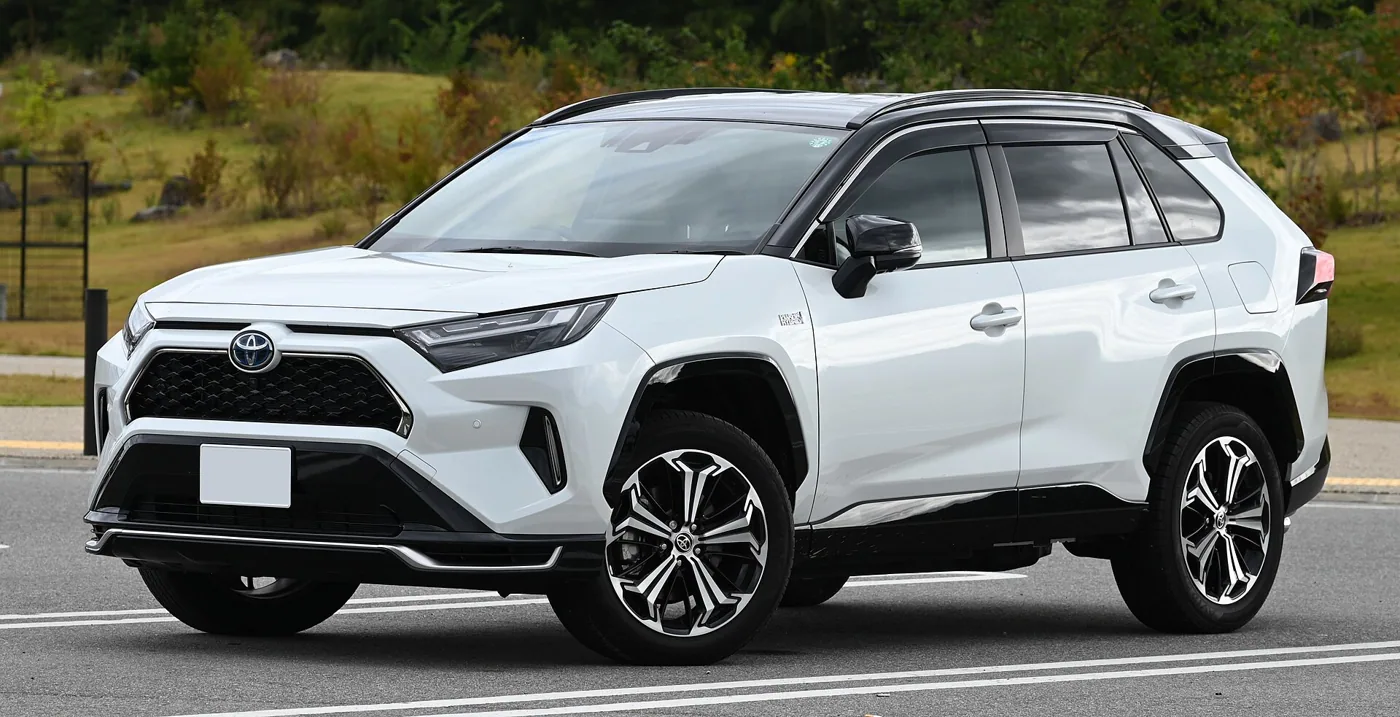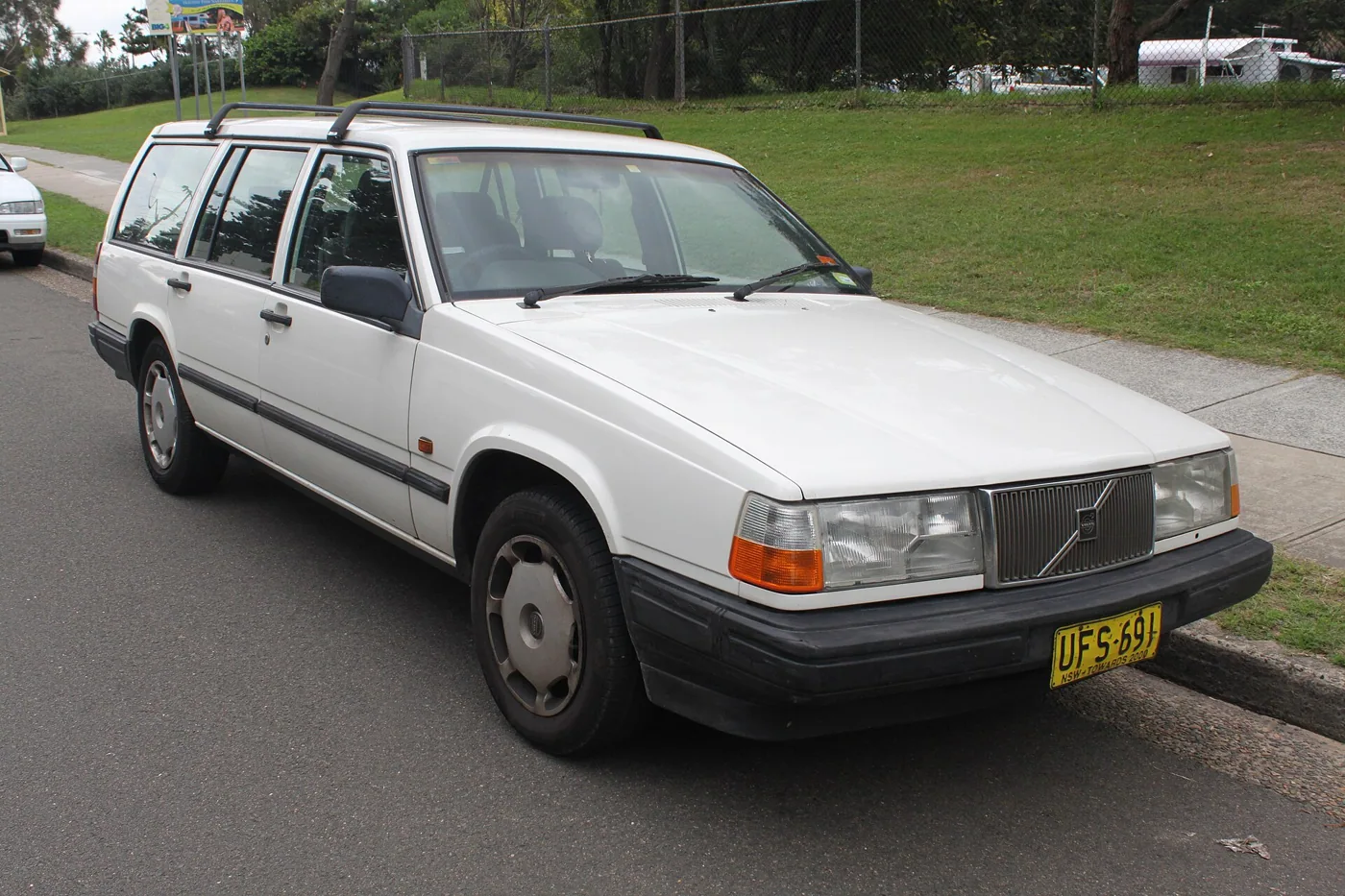
A broad rear bench and a large luggage figure can make a vehicle look ready for family duty. The real test is more specific: can the correct child restraints be installed as their instructions require while the adults sit comfortably and the doors remain usable? Establishing that fit early prevents a costly mistake that extra cargo space cannot repair.
- Check actual restraint fit with front seats in their normal positions.
- Test third-row access with the planned child seats installed.
- Measure cargo space with all regularly used seats upright.
Bring the actual restraints
Where the seller permits it, test the seats you already use or plan to use. Follow both the restraint instructions and the vehicle manual. Anchorage locations, belt geometry and seat contours can affect compatibility. A visual estimate through an open door cannot establish a proper installation or prove that three seats fit across a bench.
Set the front seats for the regular occupants before checking the rear. A rear-facing restraint that only fits with the driver pushed uncomfortably forward has not passed the practical test. If unsure about installation, seek help from a qualified child passenger safety technician or the equivalent service in your country.
Evaluate access with daily tasks in mind
Try lifting a child-sized load through the doorway without relying on unlimited showroom space. Consider the roof edge, door opening and the distance to the seating position. The easier arrangement depends on your height and mobility as well as the vehicle. A taller body can help one family and complicate another family's routine.
For a third row, examine how access works with restraints installed in the second row. A sliding or folding seat may no longer move as the demonstration suggests. Never assume a seat can be moved with an installed restraint unless the relevant instructions explicitly permit it. Everyday access should be established with the intended seating arrangement.
Check the space left for everything else
Once the passenger arrangement works, load the stroller and usual bags. Evaluate storage with every regularly needed seat upright. A large quoted maximum luggage volume with the seats folded is of little help when those seats are occupied. Small accessible compartments can also reduce loose items around passengers.
Think about wet clothing, sports equipment and where charging cables or emergency supplies will live. These details affect how consistently the cabin remains organized. A lower loading lip or a useful underfloor compartment can matter more than a small advantage in total volume that cannot be used without rearranging the passengers.
Read safety evidence at the right level
Review crash assessments and restraint-related information for the exact model year. IIHS provides research on child safety and also evaluates child-seat anchorage usability in its vehicle information. Ease of access is useful, but it is distinct from selecting an appropriate restraint and installing it correctly.
Choose the vehicle that makes the correct routine straightforward for everyone who will drive it. Familiarity, clear instructions and a workable seating plan are more valuable than a clever demonstration involving empty seats. A family car earns its practicality when the cabin is fully occupied on an ordinary morning.
Sources & further reading
These references provide background for this analysis. Product details, regional rules and market conditions can change; check the original source for its scope and date.
Something needs a closer look? Send a correction.