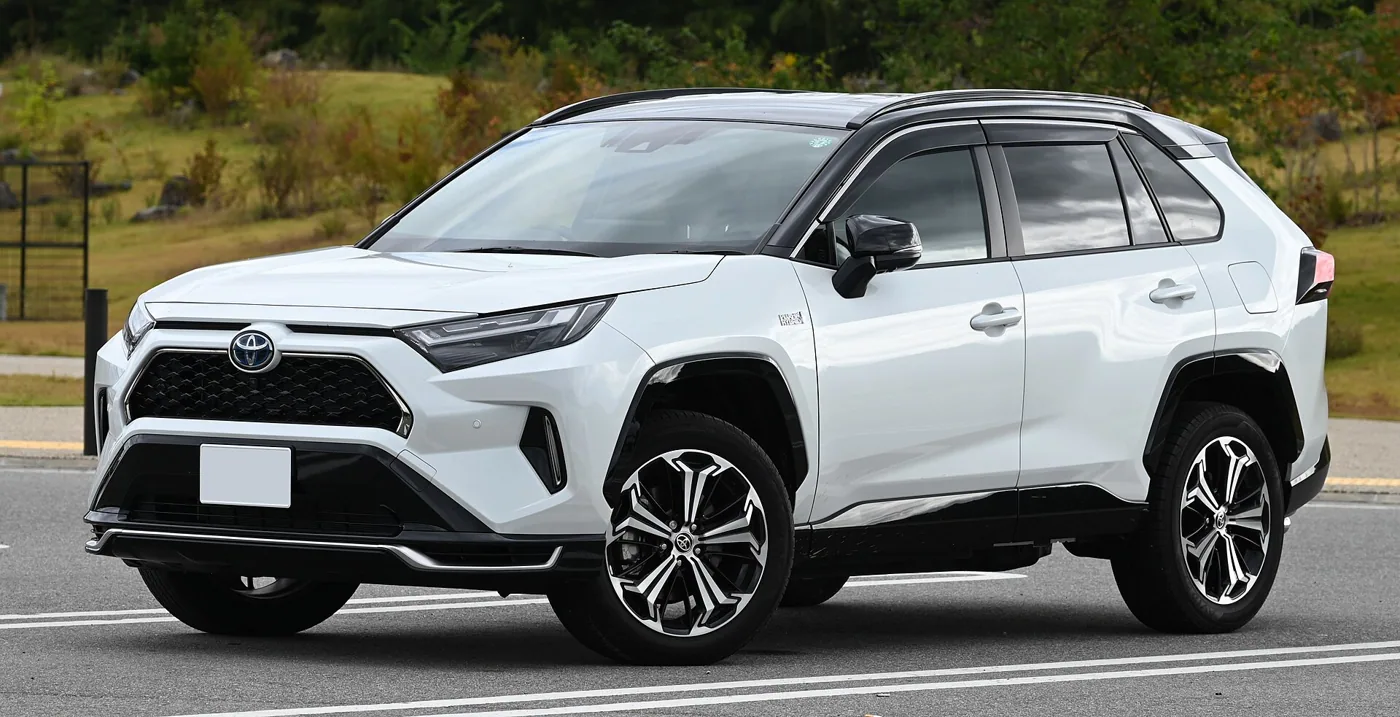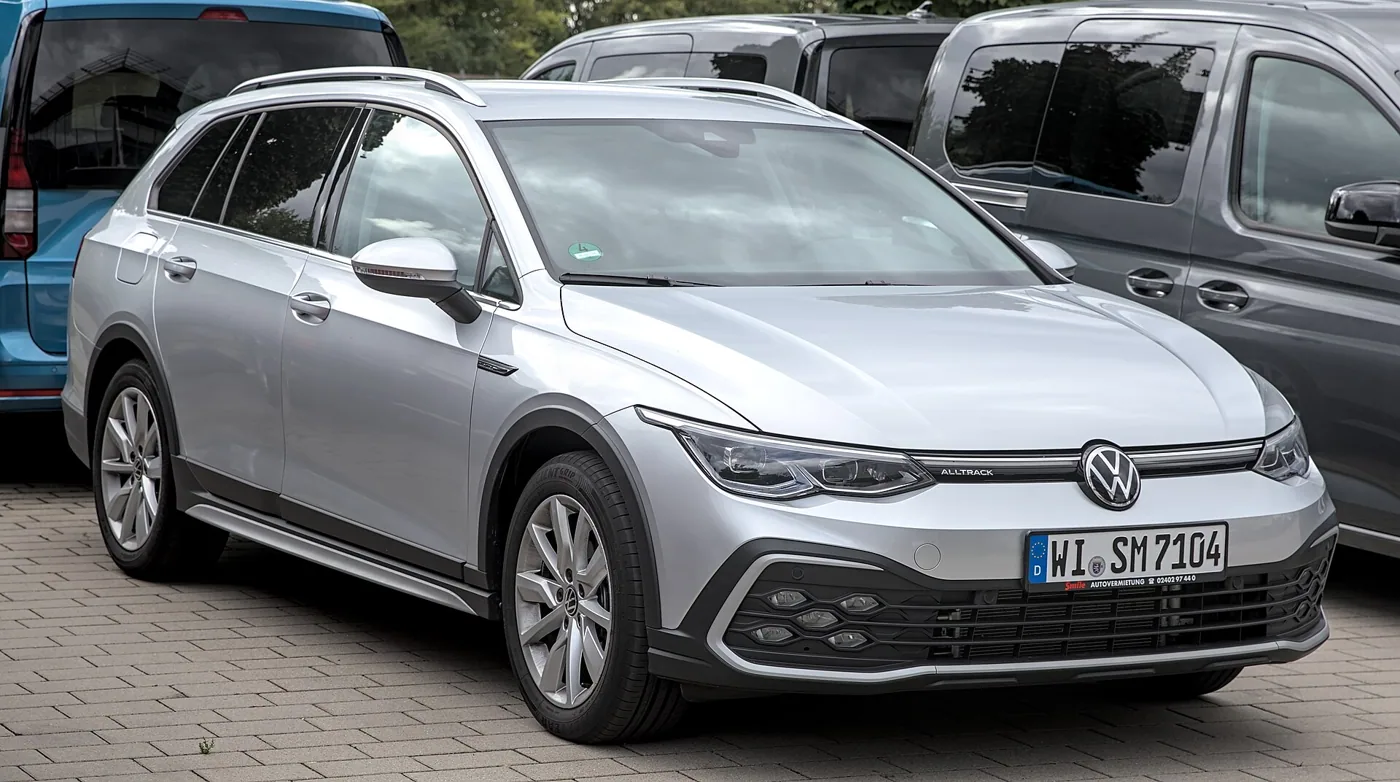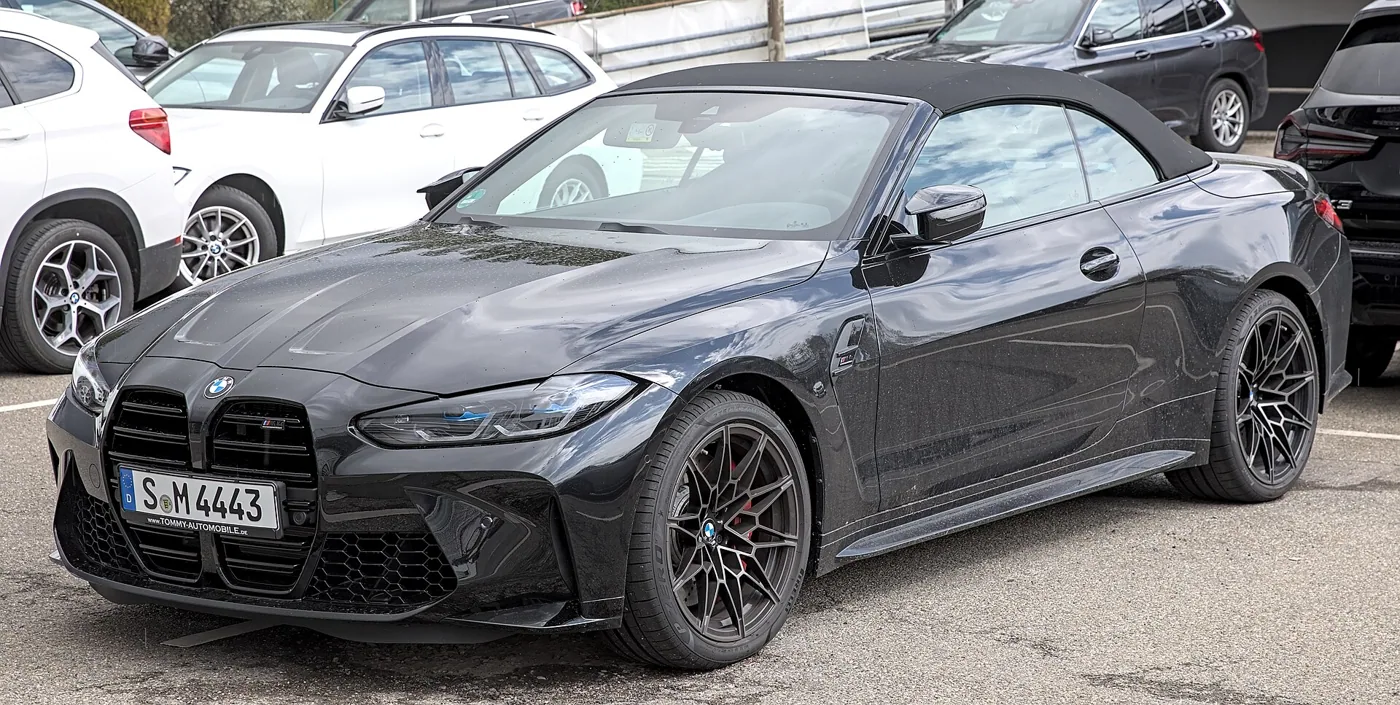
A used luxury car can offer materials, comfort and engineering that would be difficult to find in a new vehicle at the same purchase price. The opportunity is real, but so is the mismatch between a depreciated asking price and the cost of the components underneath. Evaluate the car as an aging complex machine, not only as a discounted badge.
- Quote servicing, tires and insurance for the exact model.
- Have costly optional systems inspected by someone familiar with them.
- Retain a repair reserve after paying the purchase price.
Price ownership at component level
Ask for local estimates for routine servicing, a set of approved tires and common age-related work on the exact model. Large brakes, unusual tire sizes or specialized suspension components can change the budget materially. The fact that the car now costs less does not mean replacement parts have become equivalent to those of a simpler vehicle.
Insurance should also be quoted directly. Repair costs and parts availability can affect a premium independently of purchase price. A real quotation is more useful than assuming an older vehicle will necessarily be inexpensive to cover. Include the terms and excess or deductible in the comparison, not just the annual amount.
Inspect every expensive convenience
Operate the seats, climate control, cameras, roof mechanisms and powered closures during inspection. Check features that are easy to ignore on a short drive but costly to restore. An option that no longer works may still be acceptable at the right price, provided its failure does not create another problem and you understand the repair implications.
For adaptive or air suspension, use an inspector familiar with the system. Ask about leaks, unusual ride height and warning messages without assuming any single symptom proves a particular fault. A specialist diagnosis can distinguish a manageable repair from a pattern of deferred maintenance. That distinction is worth resolving before purchase.
Look for evidence of a willing previous owner
Maintenance records reveal more than the number of stamps. Look for the correct fluids, completed scheduled work and sensible responses to developing faults. A car maintained only to remain mobile can accumulate several pending jobs. The combined cost matters even when none appears dramatic in isolation.
The FTC's used-car guidance recommends an independent inspection, a step especially useful when equipment is unfamiliar. Have the inspector prioritize findings and identify anything requiring additional specialist testing. A generic warranty label should not replace this process, since coverage, exclusions and claim limits determine how much protection is actually provided.
Keep a reserve after purchase
A budget that spends every available amount on the asking price is poorly matched to a complex used vehicle. Retain a repair reserve appropriate to the inspection findings and your ability to tolerate downtime. This is a planning choice, not a prediction that a particular model will fail.
The best used luxury purchase is often the example with clearer history and fewer unresolved questions, even if its initial price is higher. Buy the comfort and engineering you will appreciate, but require the arithmetic to work at realistic service costs. A bargain should remain appealing after the first maintenance appointment.
Sources & further reading
These references provide background for this analysis. Product details, regional rules and market conditions can change; check the original source for its scope and date.
Something needs a closer look? Send a correction.