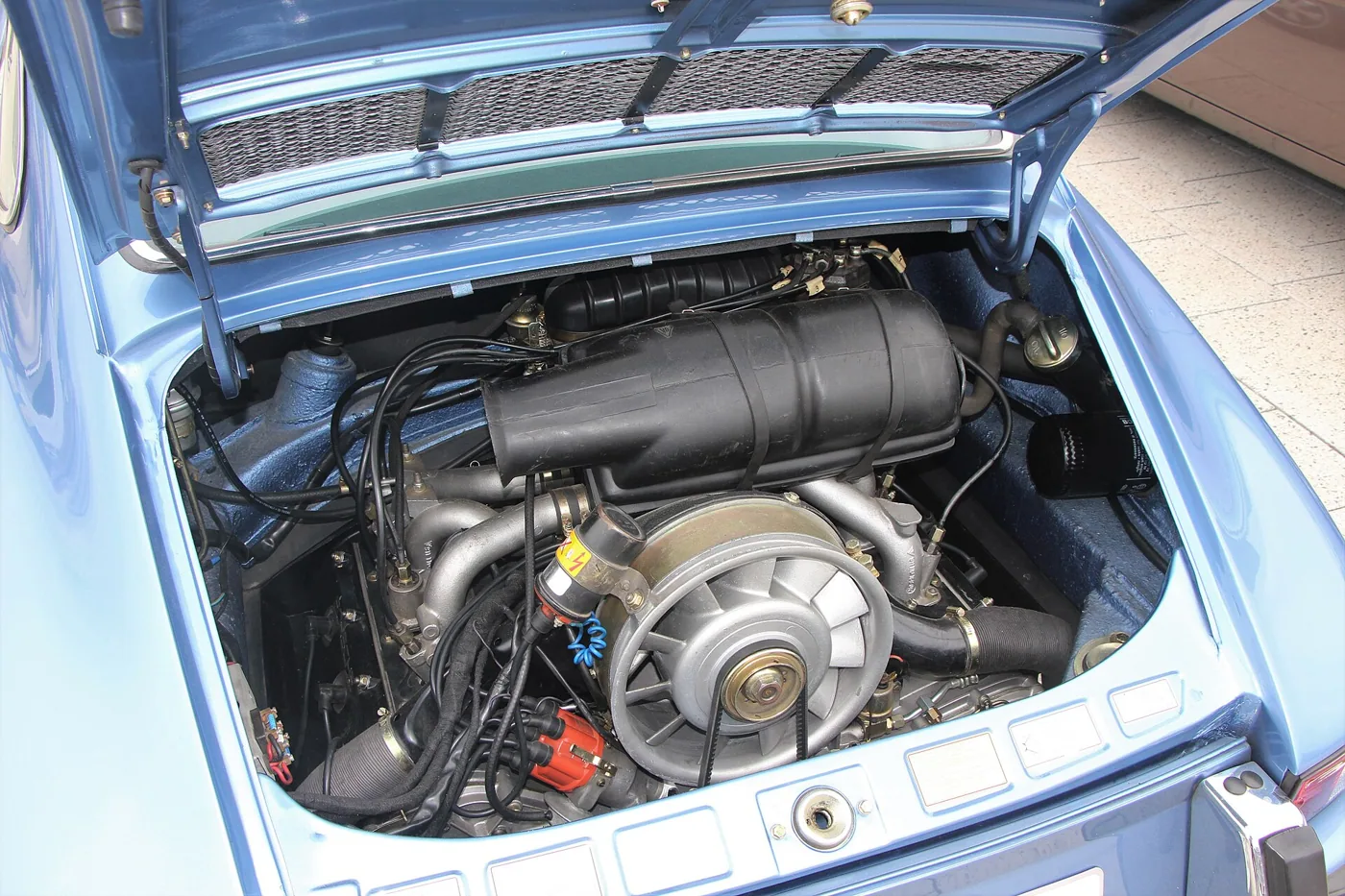
A turbocharged engine can deliver substantial performance from a modest displacement, which makes engine size an increasingly incomplete guide to capability. The turbocharger helps the engine process more air when needed. It does not provide fuel-free power, and the benefits of a smaller engine depend on how the whole powertrain is used.
- Treat turbocharging as part of a complete engine and control system.
- Compare real consumption under relevant load and speed conditions.
- Test everyday response and follow the exact maintenance guidance.
Follow the air and exhaust
A turbocharger uses an exhaust-driven turbine connected to a compressor that increases the intake air supplied to the engine. Garrett's technical explanation describes this basic arrangement. More air can support more fuel being burned when power is demanded. The result can be greater output from a given engine size.
Compression also affects air temperature, which is one reason the surrounding intake and cooling system matters. The turbocharger is not an independent accessory with a fixed benefit regardless of installation. Its sizing and control must work with the engine, emissions equipment and intended operating range.
Understand why a smaller engine can help
At lighter loads, a smaller engine may offer useful efficiency opportunities compared with a larger alternative designed for the same peak performance. However, the relevant comparison is between complete vehicles over a defined journey. FuelEconomy.gov describes engine and driveline losses as parts of the overall energy budget, rather than attributing consumption to displacement alone.
When the driver repeatedly requests high output, the engine must supply the energy required for that work. A small displacement badge should therefore not be interpreted as a guarantee of low consumption under every condition. Vehicle mass, speed, gearing and driving style remain important inputs.
Response is more complicated than peak torque
The sensation of response depends on engine speed, available exhaust energy, transmission decisions and control calibration. A broad torque claim does not tell you how naturally the vehicle reacts after a gentle accelerator movement in traffic. Two engines with similar headline figures can feel different because their delivery and gear selection differ.
During a safe test drive, evaluate ordinary merging, a mild incline and low-speed maneuvering. Notice delays, abrupt surges or unnecessary shifts without trying to provoke extreme behavior. The useful question is whether the powertrain supplies the response you need with a manageable amount of planning and pedal movement.
Maintenance belongs to the complete engine
Follow the manufacturer's oil specification, service schedule and operating instructions for the actual vehicle. Do not substitute generic internet rituals for model-specific guidance. The turbocharger works in a demanding environment, but that observation alone cannot establish whether a particular engine is reliable or whether a used example has been maintained well.
For buyers, compare consumption evidence and service history alongside performance. Turbocharging can be a highly effective engineering choice when the system suits the task. Its success should be measured through useful response, documented efficiency and a maintainable ownership plan rather than through engine size or the presence of a turbo badge alone.
Sources & further reading
These references provide background for this analysis. Product details, regional rules and market conditions can change; check the original source for its scope and date.
Something needs a closer look? Send a correction.