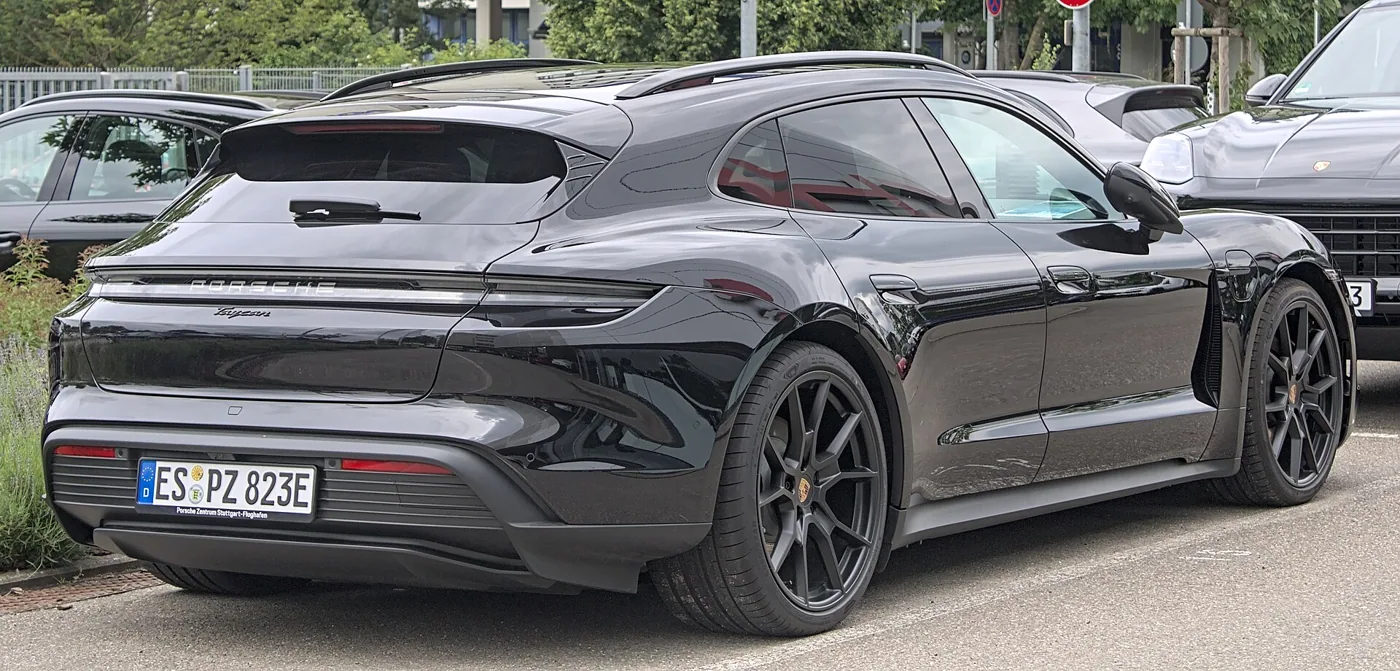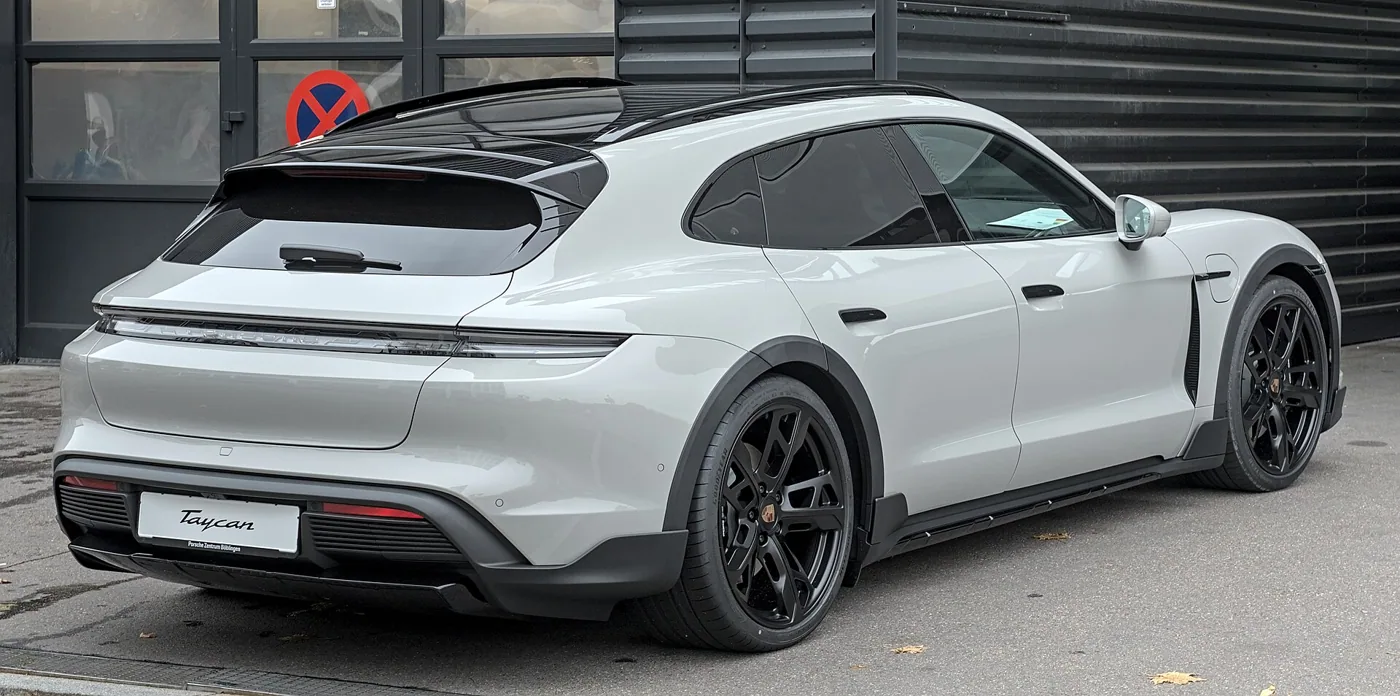
Drag coefficient has become a familiar part of electric-car marketing. It is useful, but incomplete on its own. A small coefficient applied to a large frontal area can still produce substantial aerodynamic resistance. To understand what a shape achieves, consider the coefficient, the reference area and the speed at which the vehicle moves through the air.
- Consider frontal area alongside drag coefficient.
- Compare range tests only with their speed and weather conditions visible.
- Check whether the quoted aerodynamic configuration matches the wheels and trim.
Read the equation in practical terms
NASA presents drag as proportional to air density, reference area, drag coefficient and the square of relative airspeed. The important relationship for a car comparison is that coefficient and area work together. If other conditions are equal, reducing either one reduces drag. Comparing coefficients alone leaves a major geometric input out of the discussion.
For a simplified example, imagine two shapes with the same coefficient but different frontal areas. The larger one produces more drag at the same relative airspeed. This is an illustration of the equation, not a prediction for two particular models. Actual vehicle shapes, cooling flows and test configurations require their own evidence.
Speed changes the importance of shape
Aerodynamic force grows strongly with speed, and the power needed to overcome that force also includes speed. This is why a vehicle's highway efficiency can differ substantially from its slower urban behavior. A streamlined body may deliver its most visible benefit on a sustained faster journey, where repeated acceleration is less dominant.
A headwind changes the speed of the air relative to the vehicle even when the speedometer remains unchanged. Route direction and weather can therefore complicate comparisons between informal range tests. When assessing two results, look for consistent conditions and avoid attributing the entire difference to the vehicle's engineering.
Cooling and practicality remain part of the shape
A car must provide space for passengers, visibility, access and heat rejection. Aerodynamic development negotiates with all of these requirements. A low roof may help one objective while limiting rear headroom; a cooling opening may be needed under load even if closing it reduces drag under easier conditions.
That makes a single coefficient a snapshot of a defined configuration. Wheels, ride height, mirrors and active openings may affect the result. Ask which version was measured and whether it matches the vehicle being considered. A headline taken from the most aerodynamic configuration should not be assumed to describe every wheel and trim combination.
Translate the physics into ownership
For buyers, measured consumption on a representative route remains more useful than trying to select a car by coefficient alone. Aerodynamics is one contributor alongside rolling resistance, drivetrain losses and accessories. FuelEconomy.gov's energy-flow explanation shows why the balance changes between driving cycles.
For owners, avoid carrying an unused external load carrier simply because it is convenient to leave attached. Any modification to the exterior should be considered in the context of approved fitment and actual use. Good aerodynamics is valuable, but its benefit depends on the complete vehicle and how that vehicle travels.
Sources & further reading
These references provide background for this analysis. Product details, regional rules and market conditions can change; check the original source for its scope and date.
Something needs a closer look? Send a correction.