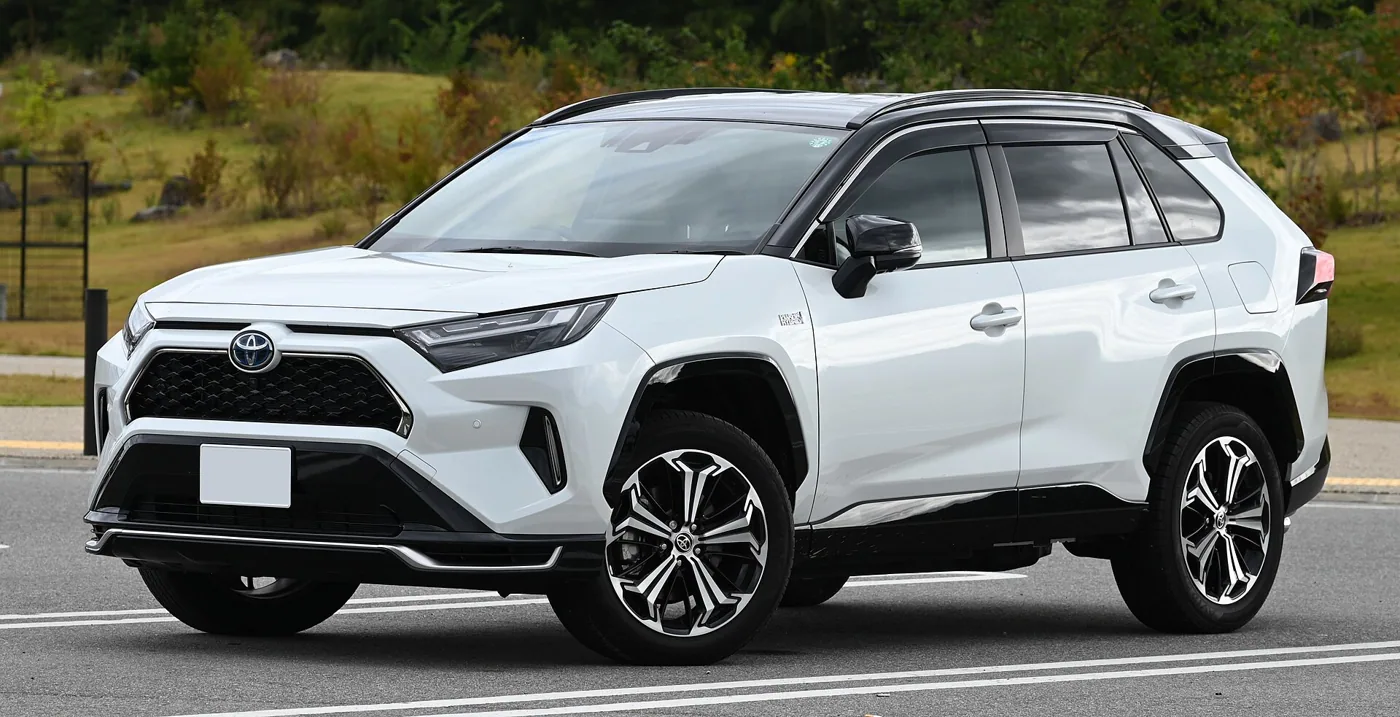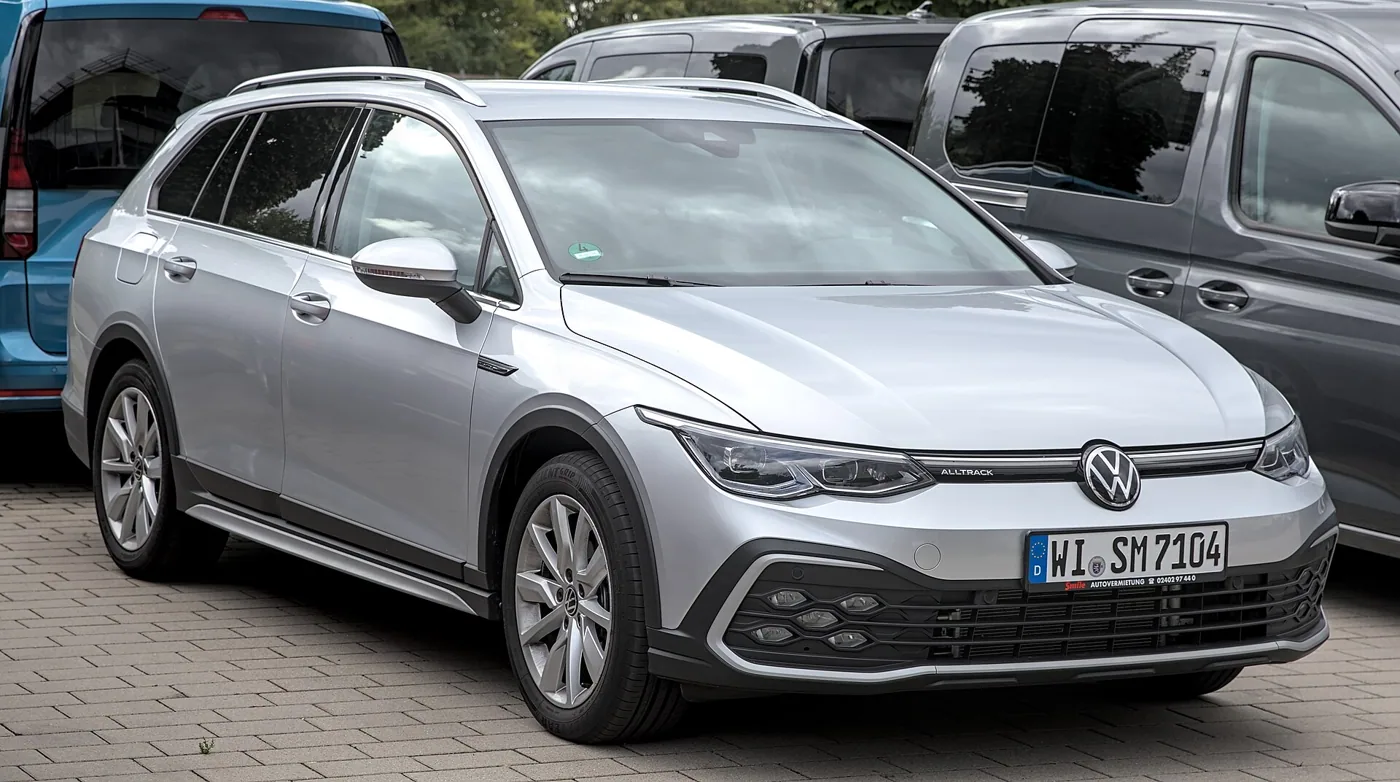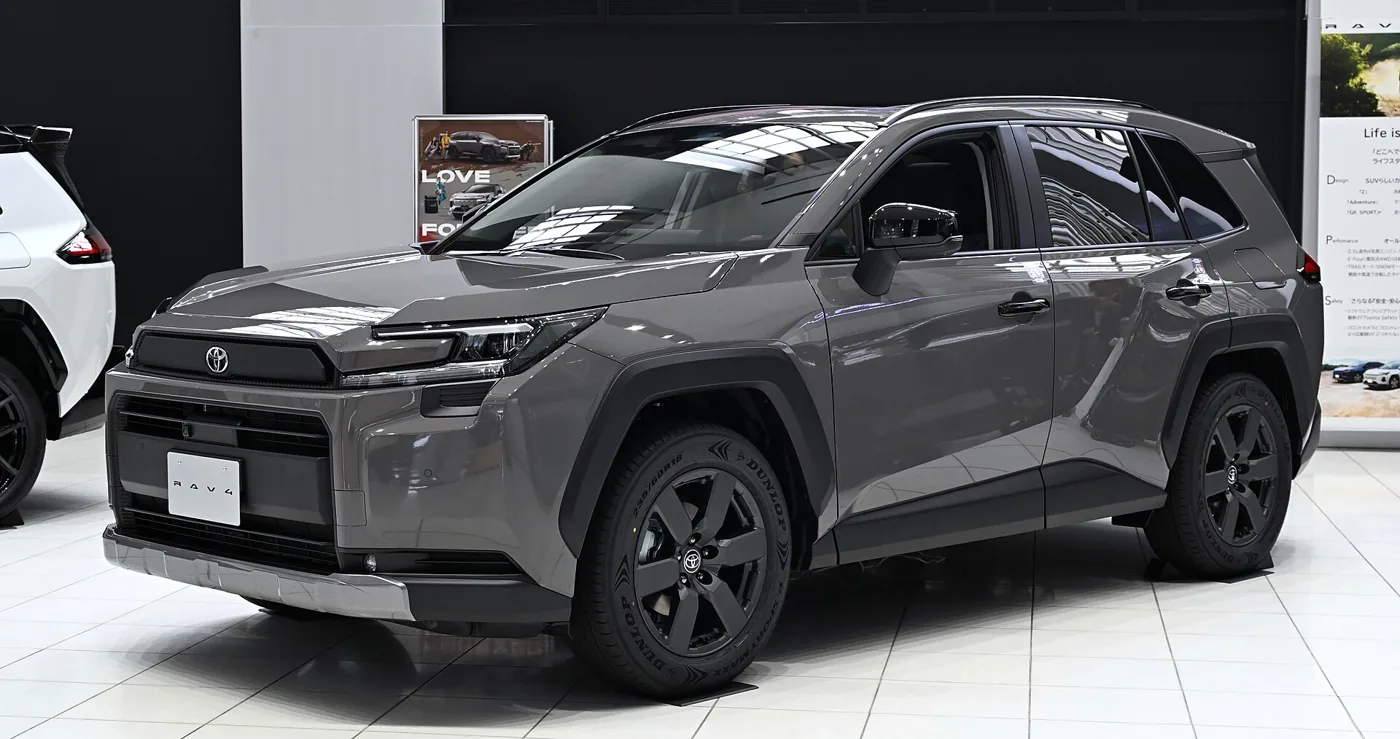
Wheel size is often chosen from a photograph, even though its consequences are experienced from the driver's seat. The tire around the wheel is part of the suspension, the contact with the road and a recurring ownership expense. A larger rim can be appealing, but it should be evaluated as a complete package rather than a decorative accessory.
- Test the exact wheel package on a rough surface.
- Quote replacement tires before ordering an upgrade.
- Verify approved fitment, pressure requirements and puncture provisions.
Understand what changes together
Manufacturers often offer larger wheels with tires of a lower sidewall profile while keeping the overall rolling diameter broadly similar. The exact dimensions matter. Two packages can also differ in tire width, construction and compound, making it difficult to attribute every change in ride or steering to the wheel diameter alone.
Compare the approved specifications for the exact vehicle. Load and speed ratings, clearances and pressure requirements are part of the fitment. A visually similar aftermarket wheel is not automatically an equivalent replacement. If considering a different package, obtain competent fitment advice and follow the vehicle manufacturer's requirements rather than guessing from appearance.
Drive the version you intend to buy
A demonstration car on small wheels may ride differently from the high-specification version shown in the order sheet. Ask to drive the actual package on a familiar rough surface. Listen for sharp impacts and assess whether the steering feels nervous over broken tarmac. The impression that matters is the one you will live with daily.
Tire pressure should be appropriate before making the comparison. Incorrect pressure can distort both ride and steering impressions. NHTSA's tire guidance emphasizes using the vehicle's specified pressure information. The number molded on a tire sidewall is not a substitute for the recommended operating pressure for your vehicle and load.
Price the next set of tires
Obtain local replacement quotes for each approved size, including fitting and any related charges. Check the availability of suitable seasonal tires if your climate requires them. A rare size may offer fewer choices at short notice, which becomes relevant when a damaged tire needs replacement during a trip.
Consider the spare-wheel arrangement too. Some cars carry a temporary spare, some use run-flat tires and others provide a repair kit. Understand the limits of the supplied solution before assuming every puncture can be handled beside the road. The recovery plan is part of the package, not an afterthought.
Choose the compromise deliberately
The larger wheel may still be the right choice if you value its appearance and accept its costs. Equally, the standard wheel can be a thoughtful specification rather than a compromise made solely to save money. Judge the package against the surfaces, distances and replacement costs that define your ownership.
Record the decision in practical terms: acceptable ride, available replacement tires and a manageable annual budget. That explanation is more durable than choosing the wheel that looks most impressive in a configurator. A good specification remains satisfying after the first unavoidable encounter with a damaged road.
Sources & further reading
These references provide background for this analysis. Product details, regional rules and market conditions can change; check the original source for its scope and date.
Something needs a closer look? Send a correction.