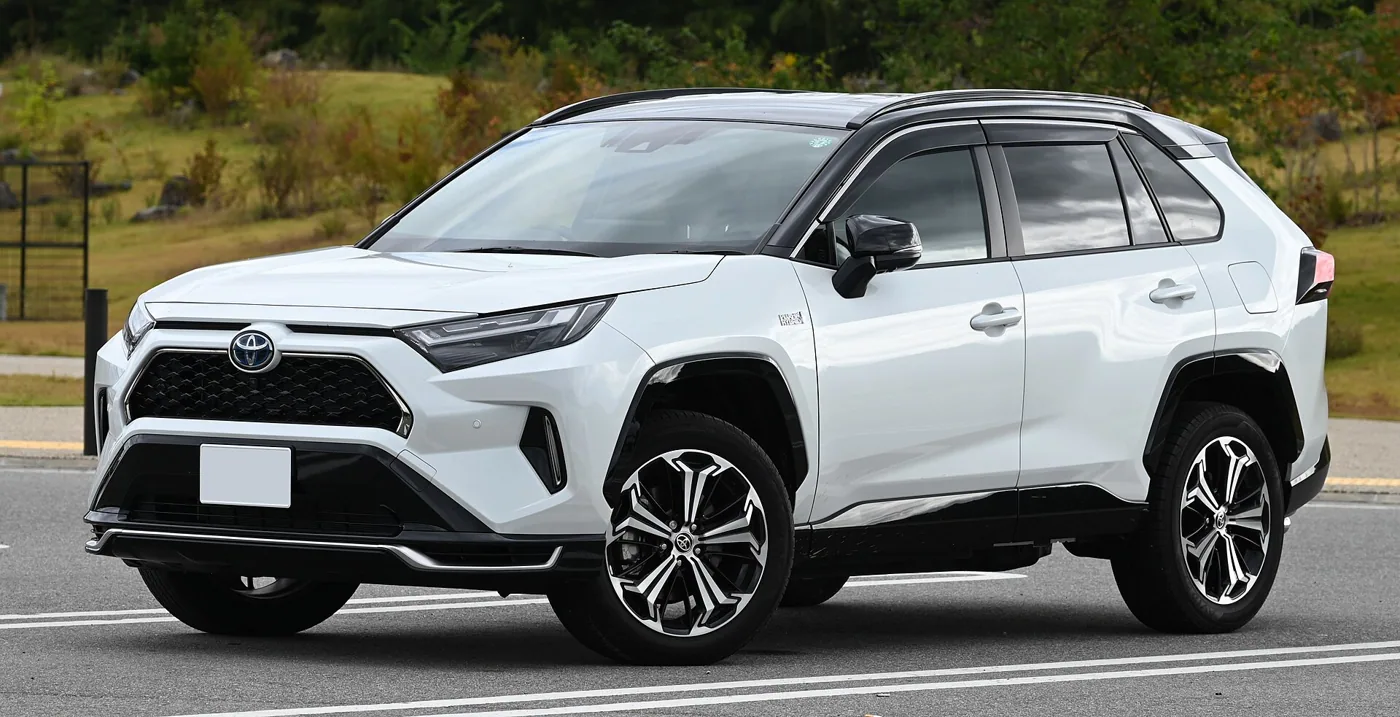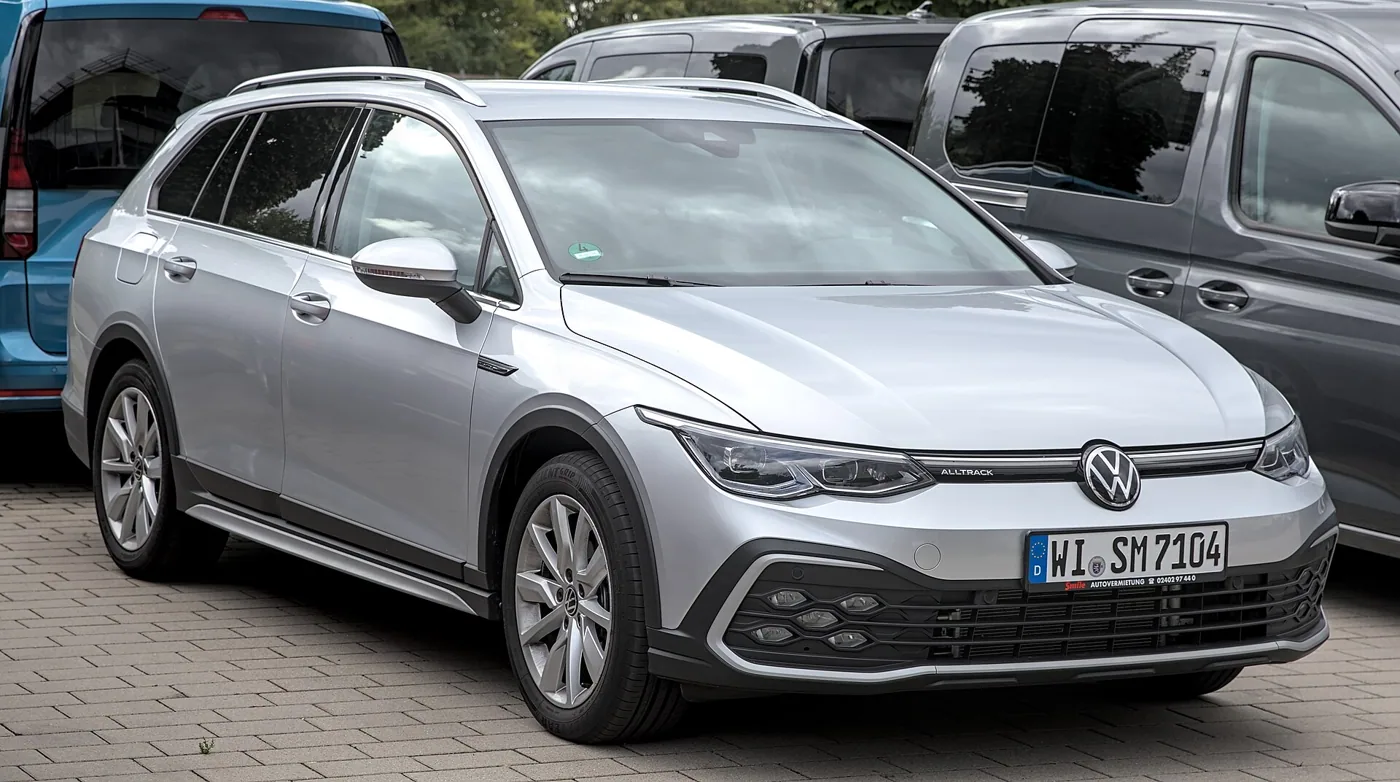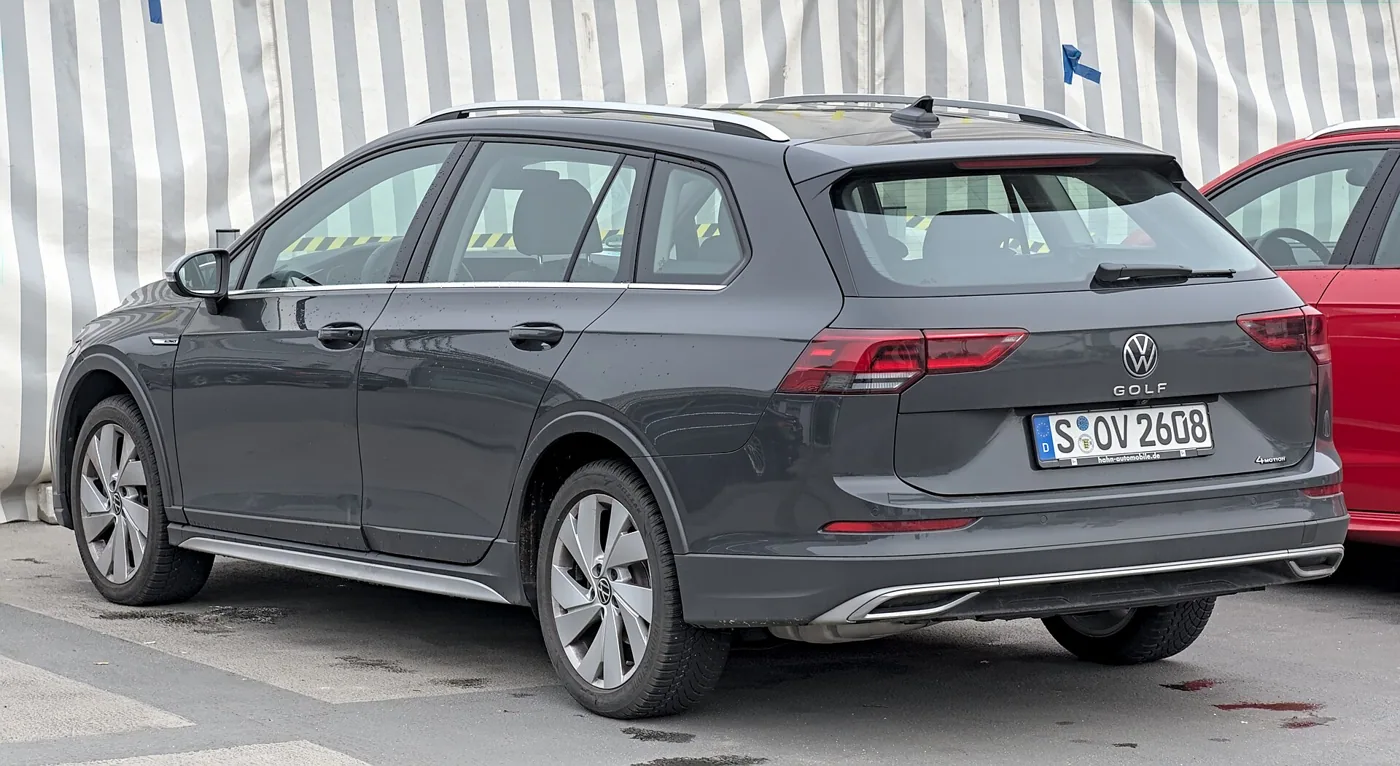
A large towing figure can draw attention away from a quieter constraint: the weight the vehicle itself must carry. A family, luggage, accessories and the trailer's load on the hitch all consume capacity. Before buying a tow vehicle, build the complete loaded picture and check every applicable limit for the exact specification.
- Verify towing limits for the exact vehicle and installed equipment.
- Count passengers, accessories, luggage and hitch load in the loaded calculation.
- Plan parking and energy stops for the complete vehicle-and-trailer combination.
Identify the actual vehicle configuration
Towing ratings can depend on engine, transmission, axle arrangement, cooling equipment and an approved towing package. A maximum figure shown in an advertisement may describe a different configuration from the vehicle on the forecourt. Use the manufacturer's documentation and the vehicle's labels to establish what applies to the car you would actually purchase.
Check the hitch and associated equipment separately. A component can have a lower limit than the vehicle, and installing a stronger hitch does not automatically raise the vehicle's approved capacity. Seek qualified advice for the complete combination and follow the manufacturer's instructions rather than piecing together favorable numbers from different models.
Add people and equipment honestly
List the passengers, luggage and permanently fitted accessories. Include the load transferred by the trailer onto the hitch according to the approved setup. The amount is not simply another trailer statistic; it contributes to what the towing vehicle carries. Manufacturer towing guides, including Ford's, explain why payload must be considered alongside trailer mass.
Use actual loaded weights where possible. A trailer's empty figure can omit water, batteries, camping equipment or other items added for travel. A public weighing facility can help establish the real combination when used correctly. Guessing optimistically at several small items can produce a meaningful error when they are added together.
Consider the route and the routine
A vehicle that meets the documented limits still needs to suit the journey. Long climbs, tight campsites and frequent maneuvering place different demands on the driver than occasional short trips. Evaluate visibility, mirror provisions and the practicality of reversing. Driver training can be a useful part of preparing for a new towing task.
For an electric vehicle, plan charging locations with the trailer in mind. Some sites may require unhitching or may not provide usable space. For any powertrain, allow for changes in consumption and journey time. The towing experience includes stops, access and parking, not only the ability to accelerate onto a main road.
Leave the decision grounded in documentation
Do not use a generic percentage rule as permission to exceed any stated limit. Vehicle, axle, hitch and combined ratings all need to be respected, along with applicable local rules. The correct answer depends on the actual equipment and load, which is why a detailed pre-purchase check is worthwhile.
Choose a vehicle that accommodates your realistic loaded setup without relying on missing luggage or absent passengers. If the calculation is close or unclear, obtain specialist advice before ordering. Buying enough suitable capability once is easier than discovering after delivery that the headline number described a trip your household cannot actually take.
Sources & further reading
These references provide background for this analysis. Product details, regional rules and market conditions can change; check the original source for its scope and date.
Something needs a closer look? Send a correction.