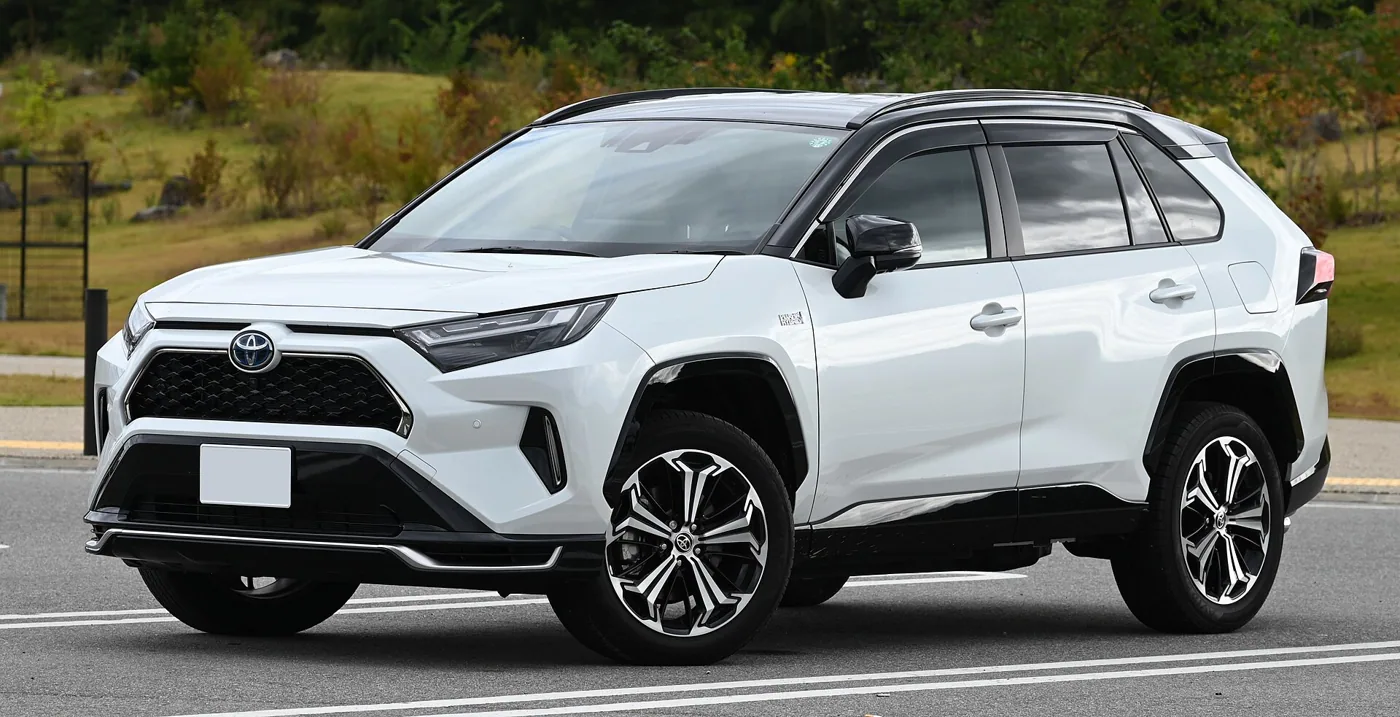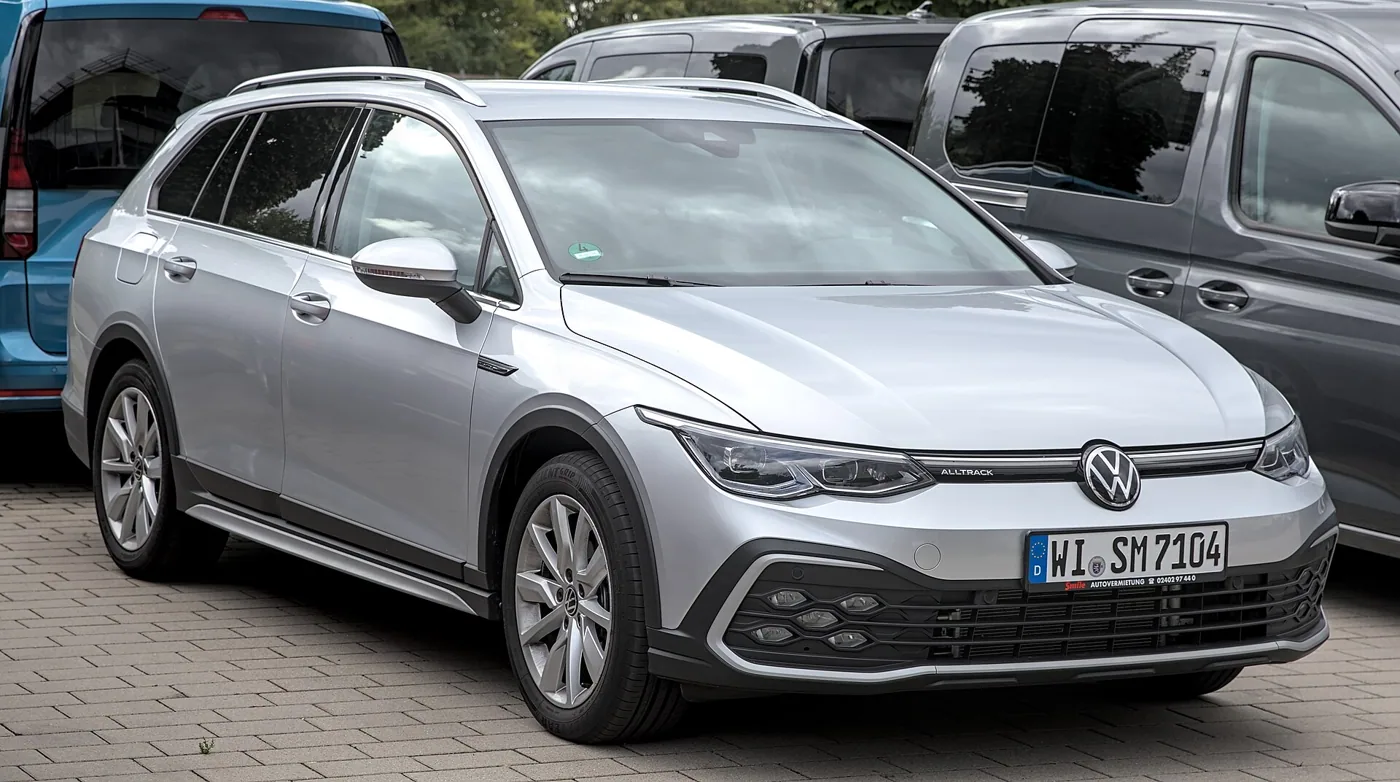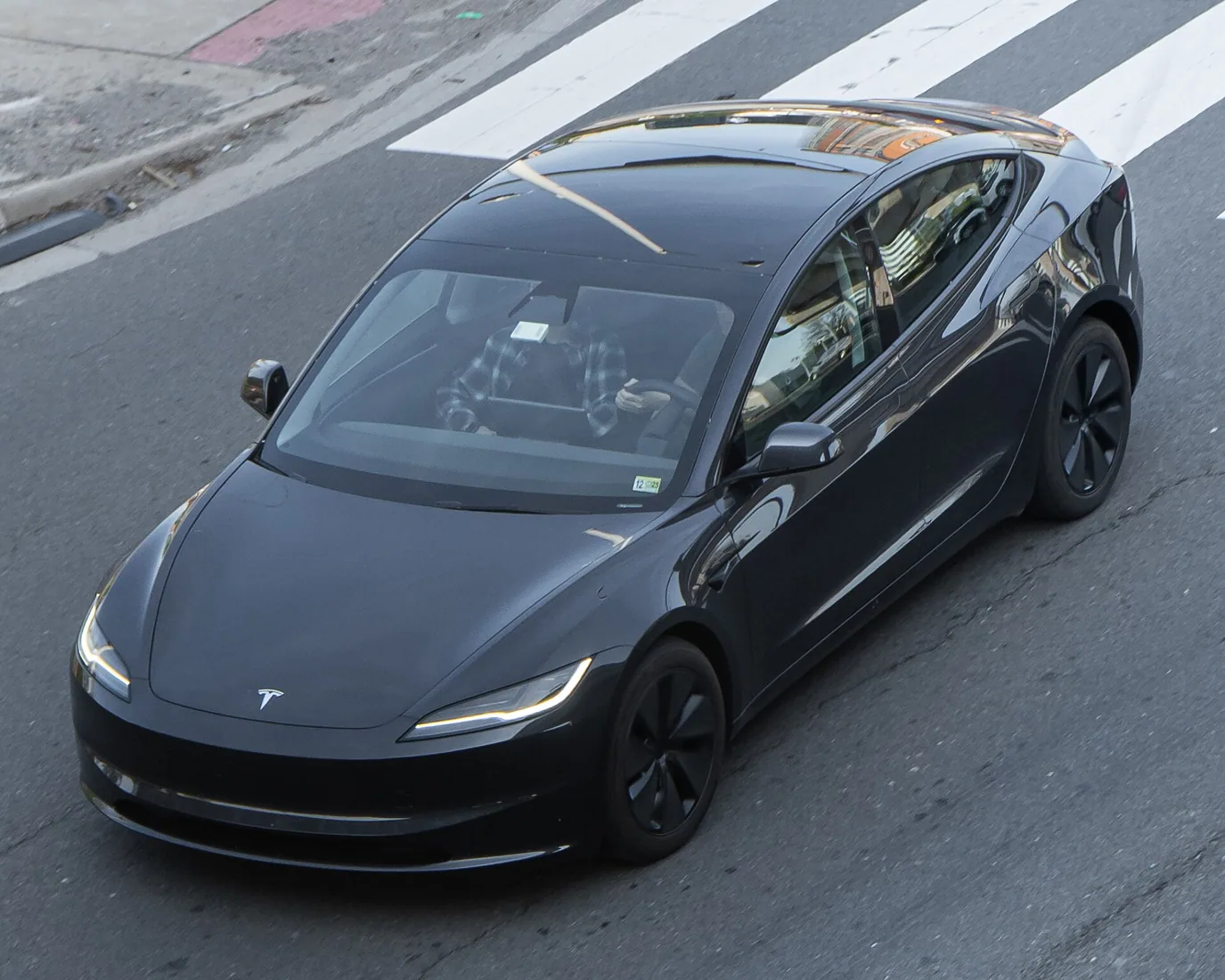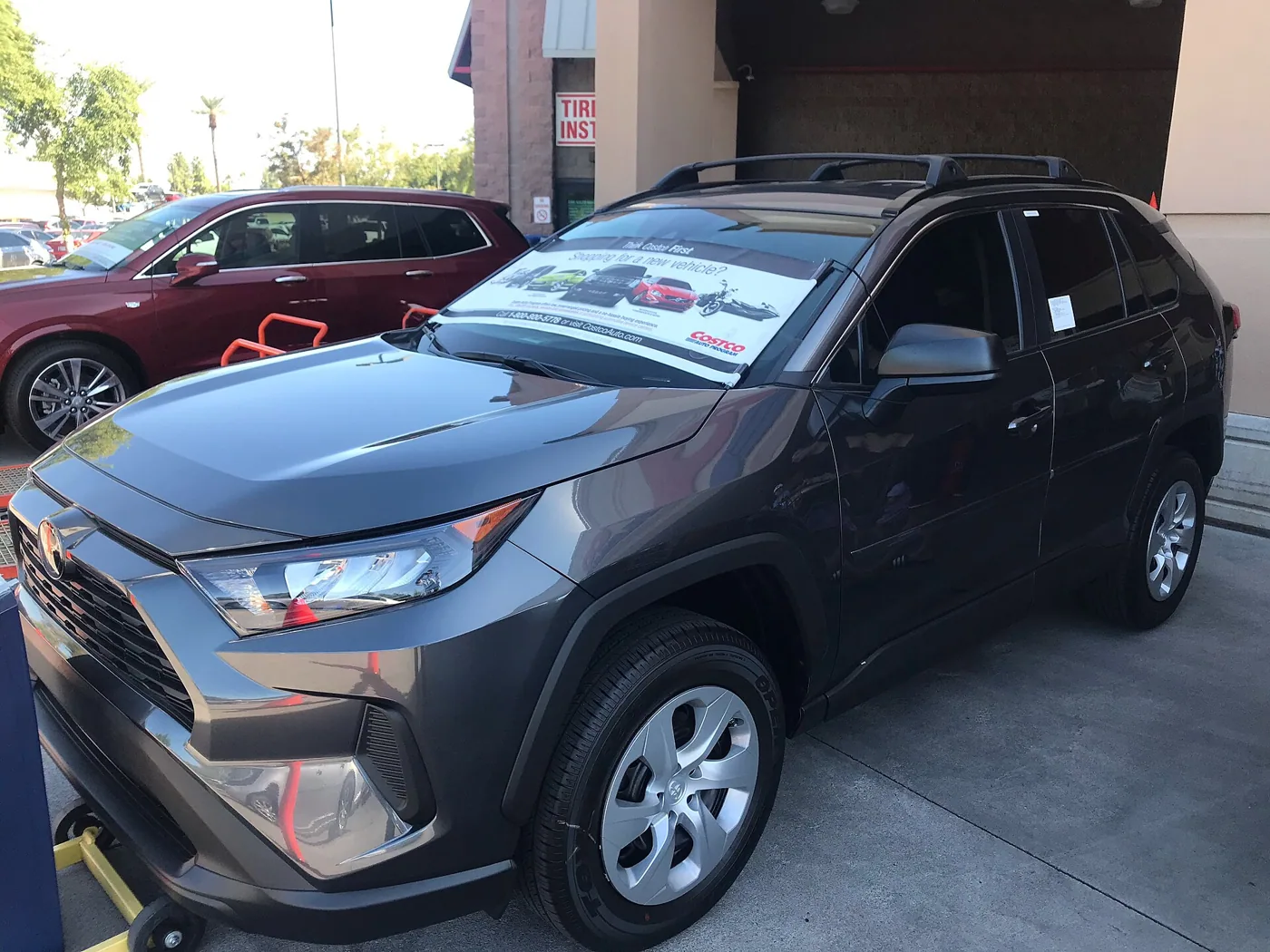
A test drive is a limited experiment. You have a short period, an unfamiliar vehicle and usually an unfamiliar route. The goal is to reduce uncertainty about daily use without confusing novelty with quality. Decide what you need to learn beforehand, then make observations that can be compared fairly with the next car.
- Set up the driving position and essential controls before moving.
- Drive comparable routes in shortlisted vehicles.
- Record precise observations immediately after each test drive.
Begin while the car is parked
Adjust the seat and steering wheel carefully before judging the driving position. Check whether you can see the instruments without compromising comfort. Locate demisting, temperature controls, lights and the parking brake. Pair a phone only while stationary if connectivity matters to you. A successful setup should not require the salesperson to complete every routine action.
Look through each window and mirror. Notice the view around the front pillars, the rear corners and the area near the bonnet. Cameras can help with particular maneuvers, but assess whether their image is clear and whether you understand its scale. The view from a higher seat is not automatically a complete view.
Use a route with varied demands
Request a route with surfaces similar to those near home. Include ordinary bends, a safe faster section and a place to park. You do not need aggressive maneuvers to learn whether the car responds naturally. Gentle changes in speed reveal how easily the accelerator and brakes can be modulated in traffic.
On a rough surface, distinguish the initial impact from the body movement that follows. A firm thump and several unwanted bounces are different problems. Listen for tire noise, wind noise and any trim rattle, while remembering that weather and road surface affect the result. Repeat the same route in another candidate when practical.
Evaluate the features you will use
If adaptive cruise control is a priority, ask for a proper explanation and use it only where conditions permit. Observe how clearly the car communicates its status and how easily you can resume full control. Do not create a hazard to test automatic emergency braking. Controlled safety evaluations exist for scenarios that are unsuitable for an ordinary road test.
Try a typical parking maneuver and load a familiar bag or stroller. Ask a regular passenger to ride along if possible. Their impression of rear-seat comfort may differ substantially from yours in the driver's seat. These practical checks can expose a mismatch that a smooth, lightly loaded demonstration leaves hidden.
Record evidence immediately afterward
Write down three strengths, three concerns and any unanswered questions before driving another car. Be specific: the seat pressed against a particular point, the control required several taps, or the rear door made access difficult. Specific observations are easier to verify than an overall impression that the car felt premium or sporty.
Return for a longer or different drive if a material concern remains. Some things, including crash protection and long-term reliability, cannot be established by a brief drive at all. Combine the experience with independent safety results, maintenance evidence and an inspection where appropriate. A test drive is valuable because it answers personal questions, not because it answers every question.
Sources & further reading
These references provide background for this analysis. Product details, regional rules and market conditions can change; check the original source for its scope and date.
Something needs a closer look? Send a correction.